ObsoleteSony.com
1998
WM-EX9
Walkman
The WM-EX9 was Sony's final top-class analog playback Walkman in the EX line and one of its clearest late...
obsoletesony.com/walkman/wm-ex9

If you find it useful, you can support it. Support the archive


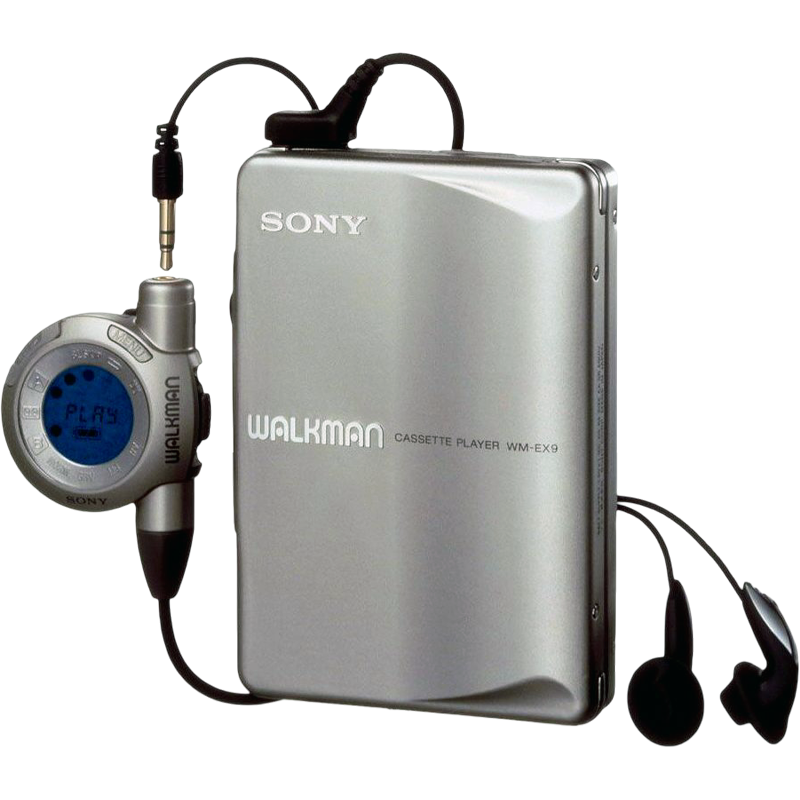
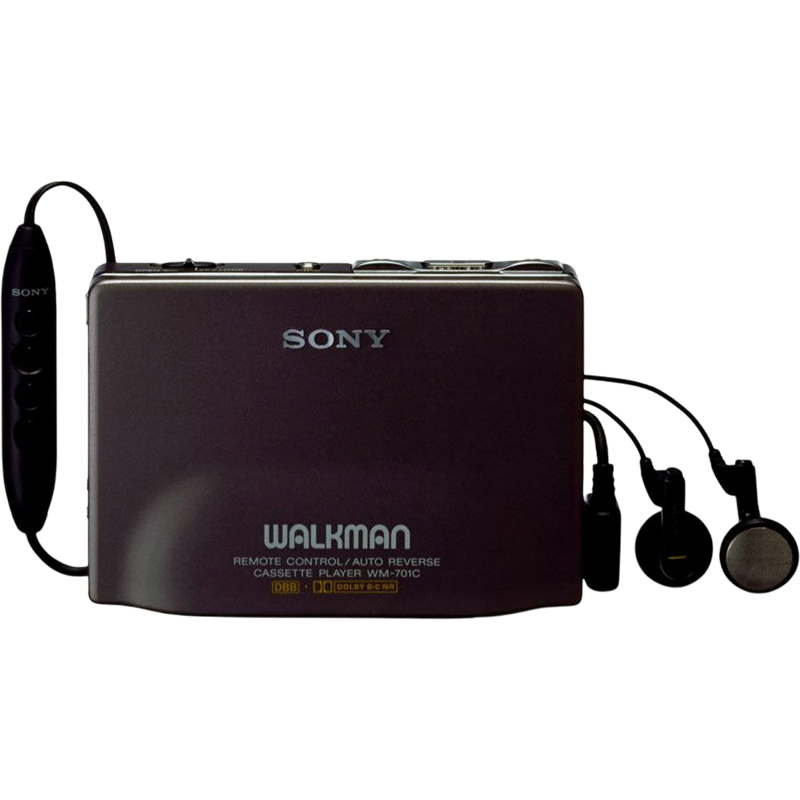
The WM-EX9 was Sony's final top-class analog playback Walkman in the EX line and one of its clearest late attempts to make cassette portability feel as elegant and self-contained as possible. Built in Japan, it used an ultra-thin body less than two centimeters thick and relied heavily on the included remote for operation, leaving very few visible controls on the main unit itself. Auto-reverse, Dolby B noise reduction, Extended Dynamic Bass Boost, automatic music sensor, and extremely long battery life were all present, with some versions using a color-shifting finish that changed appearance depending on light and angle.
This is one of those models where the cassette Walkman seems fully aware of its own lateness. Sony was no longer trying to reinvent the format here, but to compress its most polished habits into one final, elegant object. The EX9 matters because it feels like an endpoint: a player designed for people who still wanted cassette in its purest portable form.
By 1998, the cassette Walkman had reached its technical and aesthetic peak, and the WM-EX9 embodied that moment. It arrived as part of Sony's twentieth-anniversary push but avoided overt celebration, presenting a highly refined and compact cassette player at the end of the format's development.
Its design was the headline. At just 17.4 mm, the EX9 used a newly engineered F-type slim drive and a full metal chassis finished in a light-reactive "chameleon" coating that shifted hue depending on angle. Surfaces were tight and clean, and the proportions gave it a level of precision few portables matched. The wired LCD remote added backlighting and jog-style navigation in a compact, well-balanced control.
Features followed Sony's late-nineties direction. The EX9 supported all tape types automatically, offered Dolby B, and included Mega Bass, Groove, and Revive shaping. A rechargeable gumstick cell could be paired with an external AA for runtimes approaching one hundred hours. Playback stayed stable thanks to the new drive system, and the sound leaned toward the confident low end and clear midrange Sony favored at the time.
The WM-EX9 served as a final refinement of the cassette Walkman, combining advanced miniaturization, extended runtime, and mature playback design at the end of the format's lifecycle.
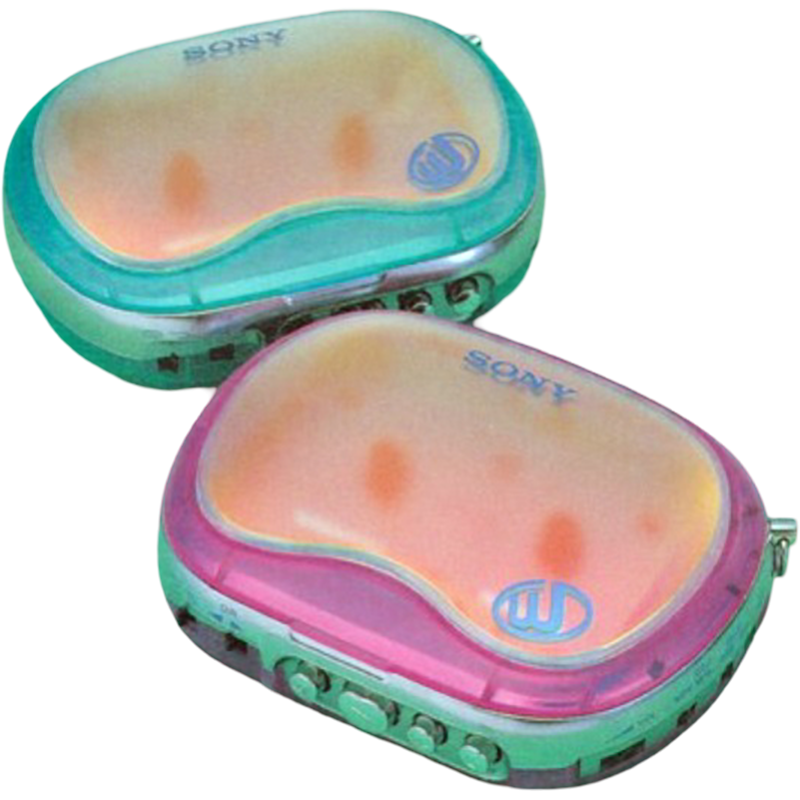
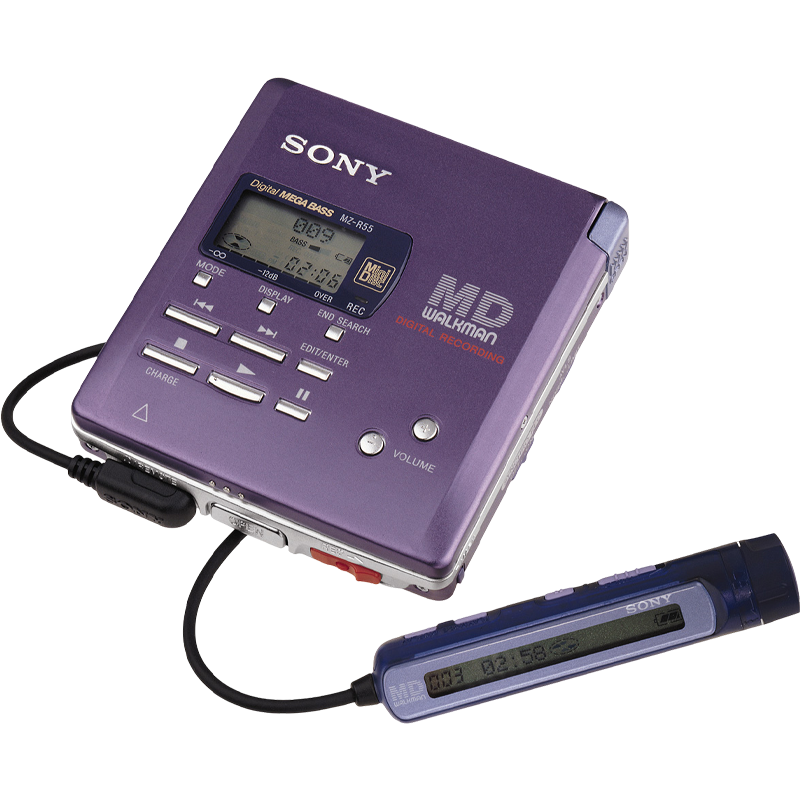
The MZ-R55 is a MiniDisc recorder that maintains the basic configuration of a recording device while achieving miniaturization and power saving.
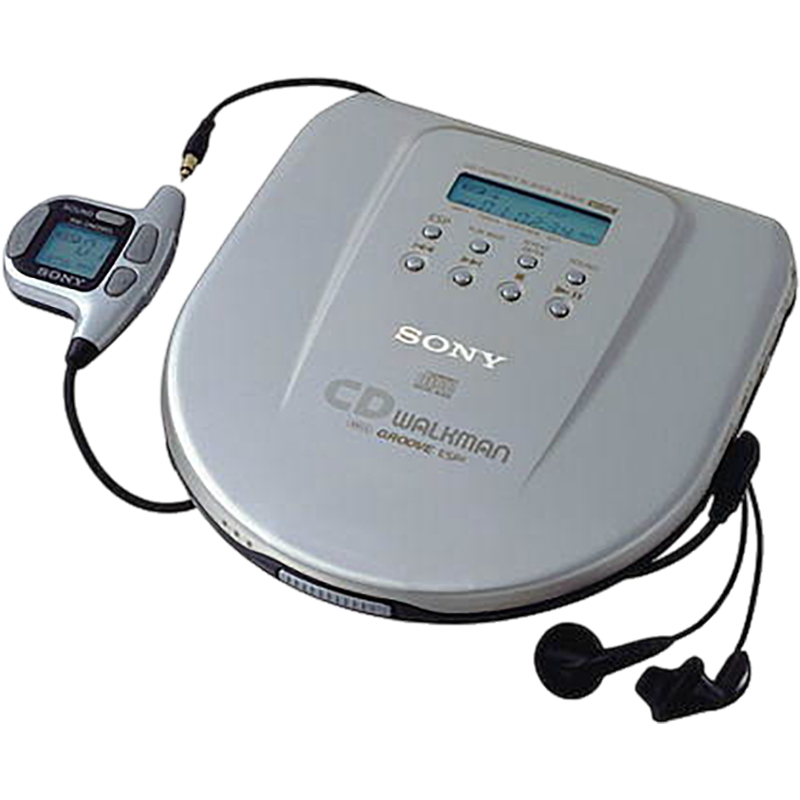
The D-E800 is a portable CD player equipped with an electronic anti-skip mechanism.
The WM-EQ9 is a playback-only Walkman equipped with auto-reverse.