
The arrival of models such as the ZX1 marked a clear elevation in playback quality and component selection. Sony narrowed the category further, accepting that the Walkman would now speak primarily to listeners who cared about detail beyond standard digital compression.
NW-WH303
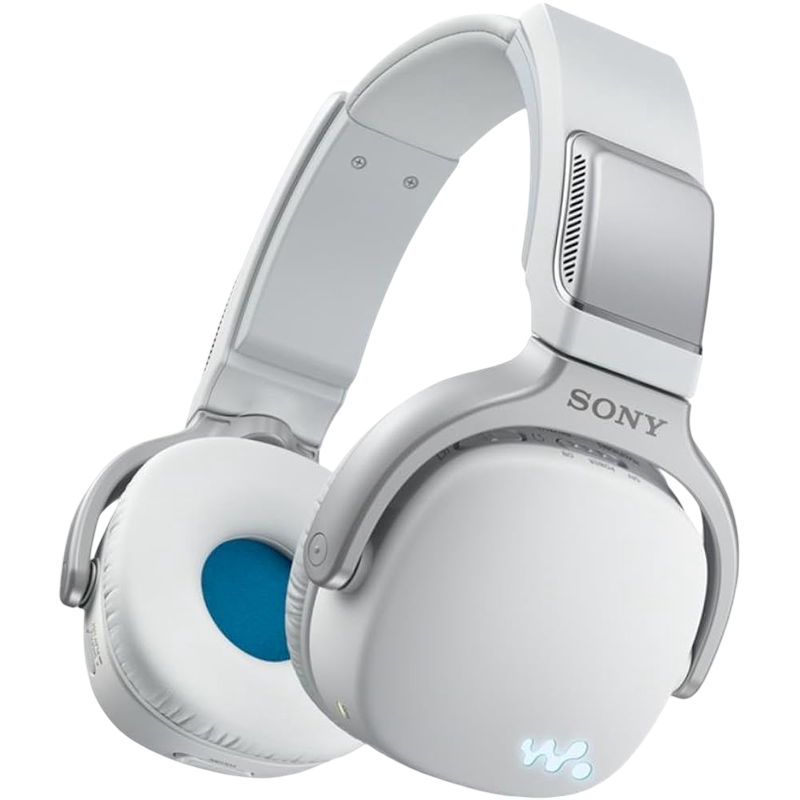
The NW-WH303 was a W Series Network Walkman built into a headphone-style form. It offered 4 GB of storage for MP3, AAC, and WMA playback, with a lithium-ion battery rated for up to 8 hours. Its behavior was different from a normal pocket player because the listening hardware and storage lived in the same object. There was no separate body to clip on, pocket, or cable to headphones. The product made sense as Sony's attempt to remove friction from portable listening by turning the headphones themselves into the playback system. That gives the WH303 an unusual place in the Walkman line. It did not advance the classic dedicated-player idea so much as move it into a different physical form.
NWD-W273
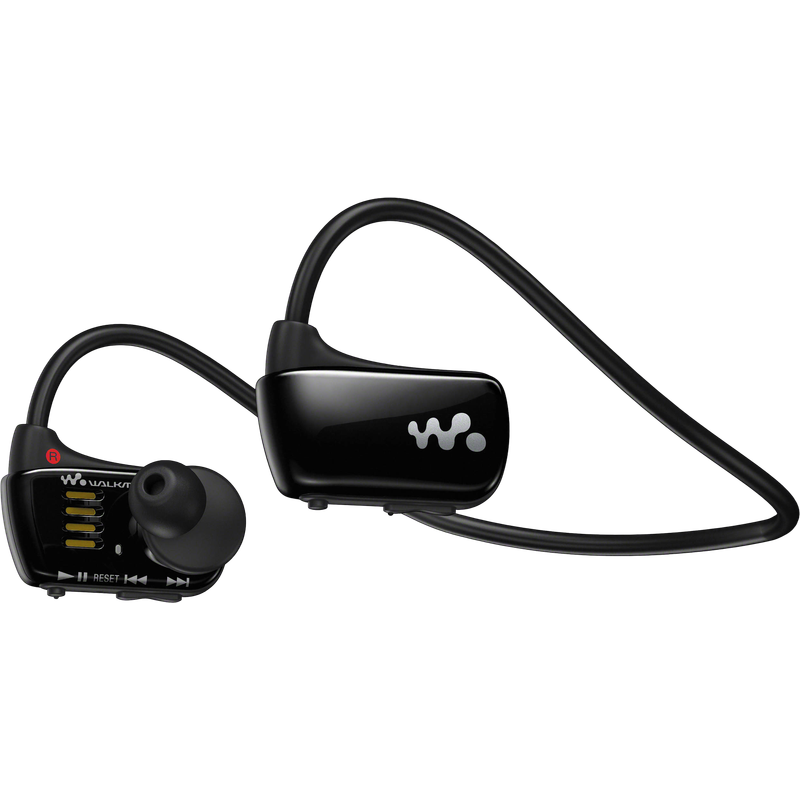
The NWD-W273 is a W Series Network Walkman with 4 GB storage supporting MP3, AAC, and WMA files. A lithium-ion battery delivers up to 8 hours of playback. This unit continues the wearable Walkman idea into a more athletic, more water-resistant, more "active use" form, and that shift matters a lot. Earlier W models were already trying to remove the carries device from the listening experience, but by then Sony was clearly pushing the line toward sports, exercise, and environments where the player needed to survive more than just casual use. The W line is becoming a piece of activity hardware.
NW-W273S
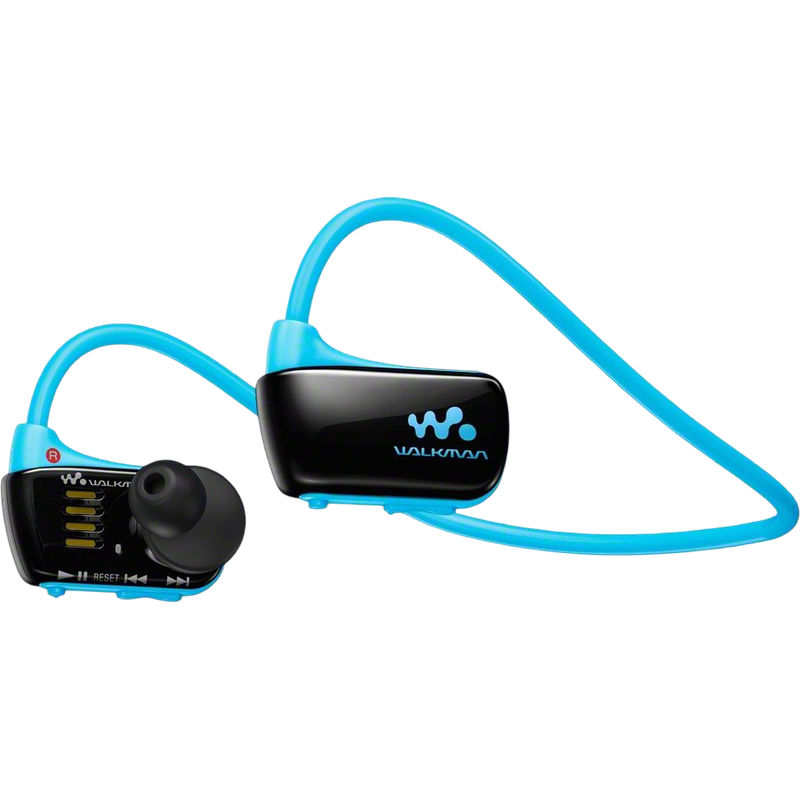
The NW-W273S is a W Series Network Walkman offering 4 GB storage for MP3, AAC, and WMA playback. It uses a lithium-ion battery rated for 8 hours. This S variant continued the compact wearable focus of the W line. This model carries that same broader athletic wearable significance, but by then the line feels more assured and less of an oddity. Sony was clearly not treating the W family as a side experiment anymore. It had become a legitimate branch with its own use logic, its own audience, and its own design constraints.
NW-W274S
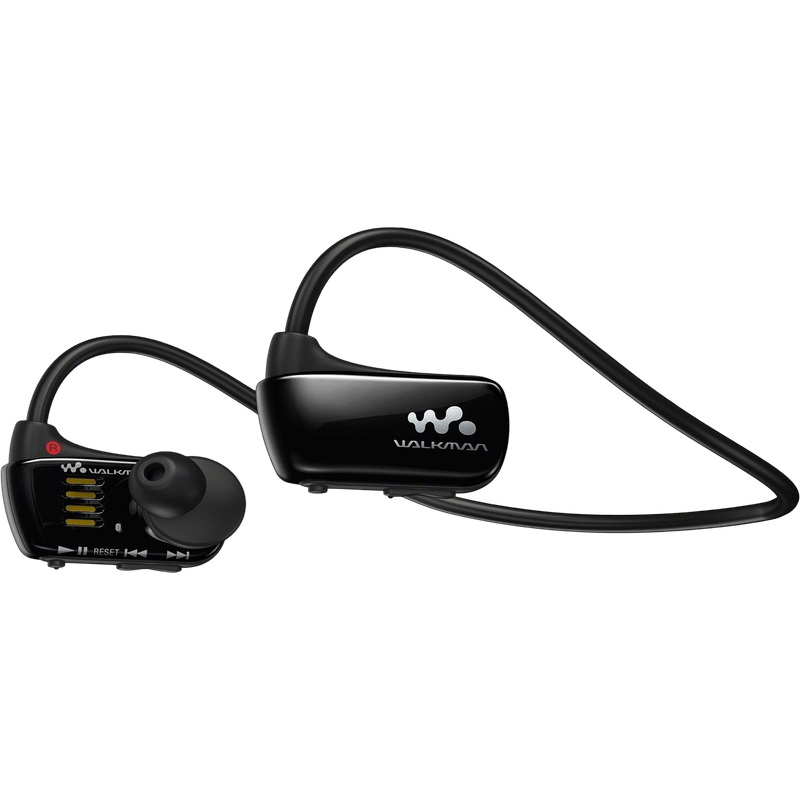
The NW-W274S was an 8 GB W Series Network Walkman in Sony's waterproof wearable line. It supported MP3, AAC, and WMA playback and used a lithium-ion battery rated for up to 8 hours. The larger storage made the waterproof W platform feel more complete for exercise and outdoor use. Its value was not in acting like a traditional screen-based player, but in removing the separate player body entirely. Music stayed on the headset, and the device could be worn through conditions that would have made an ordinary Walkman awkward. It shows one of the late Walkman paths that still had a clear reason to exist: changing the form around a specific use case rather than simply improving specifications.
NW-F886
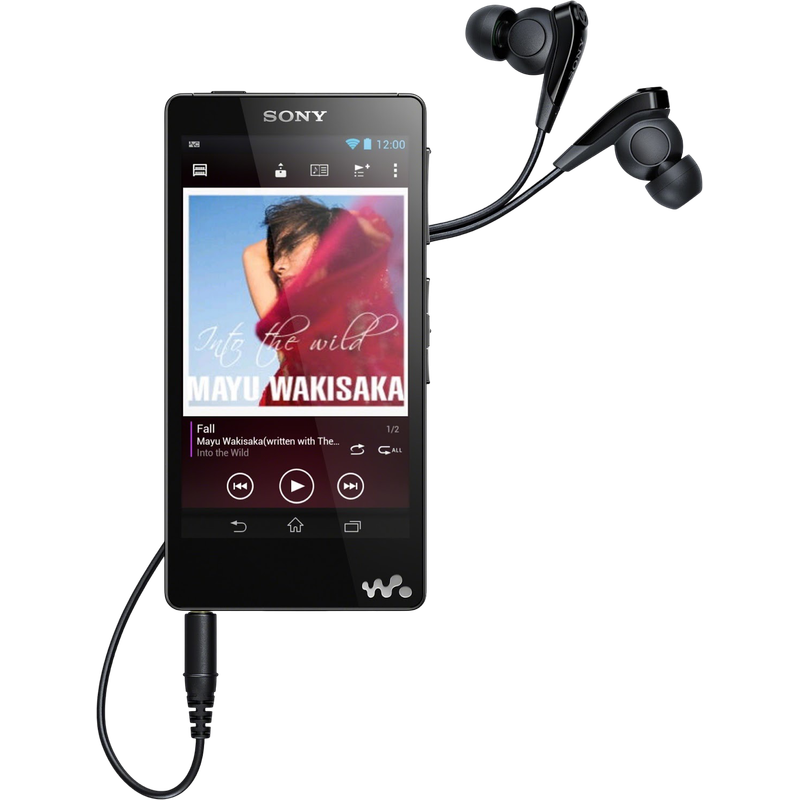
The NW-F886 is a second-generation F Series model offering 32 GB storage for MP3, WMA, AAC, FLAC, AIFF, and Apple Lossless playback. An 854x480 TFT display, 35-hour lithium-ion battery, touchscreen, Bluetooth, Wi-Fi, NFC, FM radio, speaker, WM-PORT, video and photo playback, S-Master HX, DSEE HX, and Clear Audio+ completed the package. The F886 is probably the sweet spot of that generation. It keeps the same cleaner, more mature Android Walkman identity as the F885, but with enough room to make the whole concept feel fully practical instead of merely interesting. Sony was clearly not trying to win back the entire portable audio market anymore. It was trying to make a dedicated player for people who still cared enough to want one, but who also lived in a world shaped by apps, wireless behavior, and broader media expectations.
NW-F887
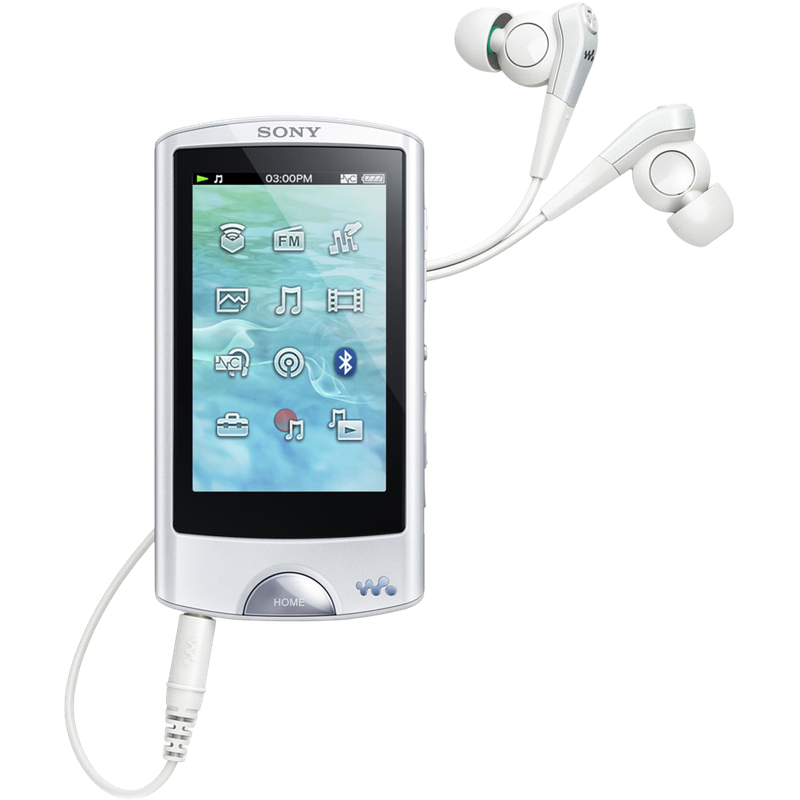
The NW-F887 was the 64 GB model in Sony's second-generation F Series Network Walkman family. It supported MP3, WMA, AAC, FLAC, AIFF, and Apple Lossless files, with an 854x480 TFT display, touchscreen control, Bluetooth, Wi-Fi, NFC, FM radio, speaker output, WM-PORT, video and photo playback, S-Master HX, DSEE HX, Clear Audio+, and a lithium-ion battery rated for 35 hours. The larger capacity made the second-wave Android F platform feel fully realized. By this point, Sony was not simply fitting Android into a Walkman shell. The F Series had become a connected audio player with enough storage, format support, wireless behavior, and sound processing to justify itself as a dedicated device.
NW-E083K
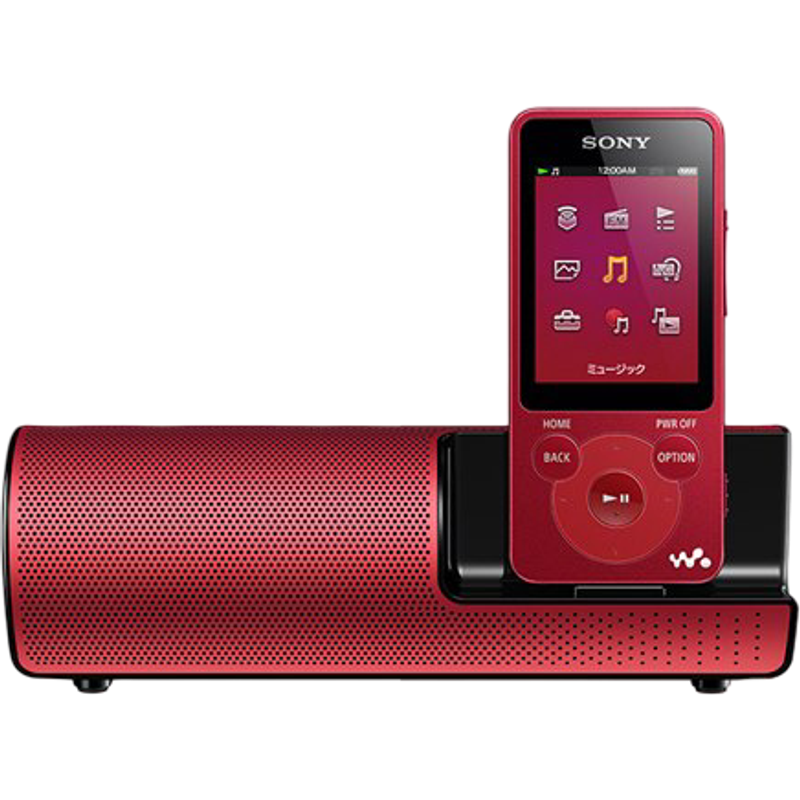
The NW-E083K is a thirteenth-generation E Series Network Walkman with 4 GB storage supporting MP3, WMA, and AAC files. It uses a 30-hour lithium-ion battery with Bluetooth, speaker output, and photo playback while sharing the body shape of the contemporary S780 series. The speaker K variant marked the final entry-level step of the E line. It takes that same very compact E083 platform and gives it a more casual-use retail framing, but the core story remains the same. This is still a compact, low-friction, very self-contained Walkman from a point where Sony had become much better at making modest players feel complete instead of compromised.
NW-ZX1
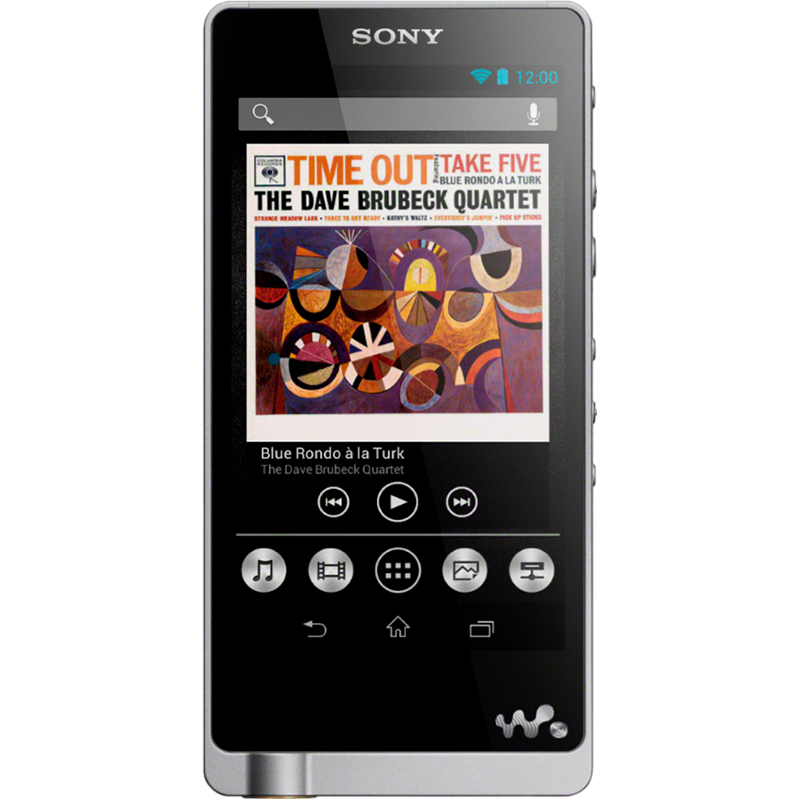
The NW-ZX1 is the first model in the ZX series. It features 128GB of internal storage and supports audio playback in MP3, AAC, WMA, FLAC, ALAC, AIFF, Linear PCM, and DSD formats. It has a 4-inch touch display and supports Bluetooth, Wi-Fi, NFC, USB connectivity, WM-PORT connectivity, video and photo playback, and various audio processing functions.
NW-M505
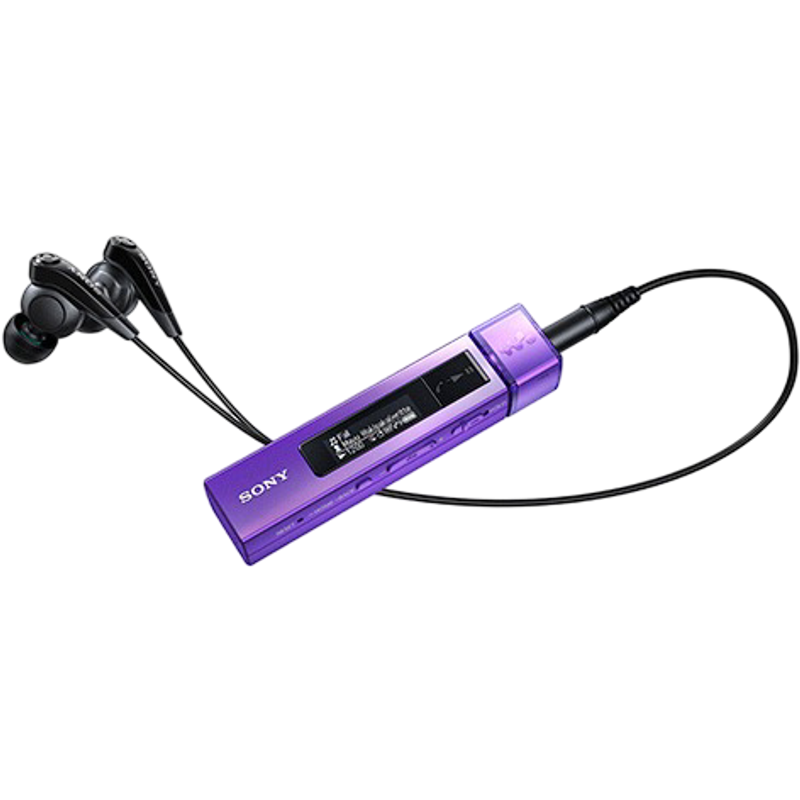
The NW-M505 is an M Series Network Walkman with 16 GB storage supporting MP3, WMA, ATRAC, Linear PCM, and AAC-LC playback. An OLED display showed track information while a rechargeable lithium-ion battery provides up to 15 hours of MP3 playback (noise cancellation off). Features includes FM radio, voice recording, Bluetooth with aptX receiver support, NFC, digital noise cancellation, direct USB connection, S-Master MX, ClearPhase, 5-band equalizer, Dynamic Normalizer, direct recording, and shuttle switch controls. This Walkman model is one of those wonderfully specific Sony products that only really makes sense once you understand how much of the company's Walkman history is built around reinterpreting old forms instead of simply abandoning them. On paper it is a tiny, stylish digital player. In spirit it feels almost like a modern callback to the "portable personal object" logic that made the cassette Walkman so culturally powerful in the first place. The M500 line is not trying to compete with phones through breadth. It is trying to compete through intimacy, style, and physicality.
2013 redefined what a modern Walkman could be. It committed the lineup to a path of continued premium differentiation rather than mass appeal.