
Materials, audio circuitry, and interface refinements all pointed toward specialist intent. The lineup began to look and feel less like a digital replacement for cassettes and more like a dedicated audio instrument.
NWZ-B173
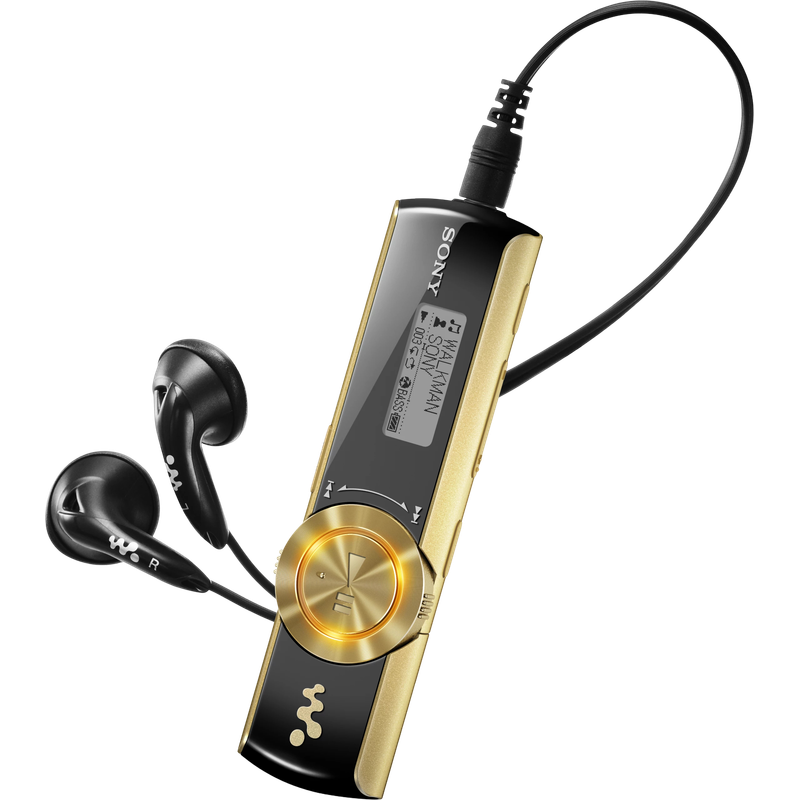
The NWZ-B173 is an entry-level model in Sony's B Series of Network Walkman. It offers 4 GB of built-in flash storage and supports MP3 and WMA playback. An LCD screen displayed track and playback information while a lithium-ion battery delivers up to 18 hours of use. Direct USB connection handled file transfers and ZAPPIN allowed quick sampling of tracks. This player is part of the late budget B era, but by then the line feels noticeably more stylized than its earliest ancestors. It is still a very simple Walkman, but Sony was clearly trying to make these later B models feel a little more contemporary and less of anonymous utility devices. Budget players have a tendency to disappear into sameness if the company does not give them at least some visual or emotional identity.
NWZ-E474
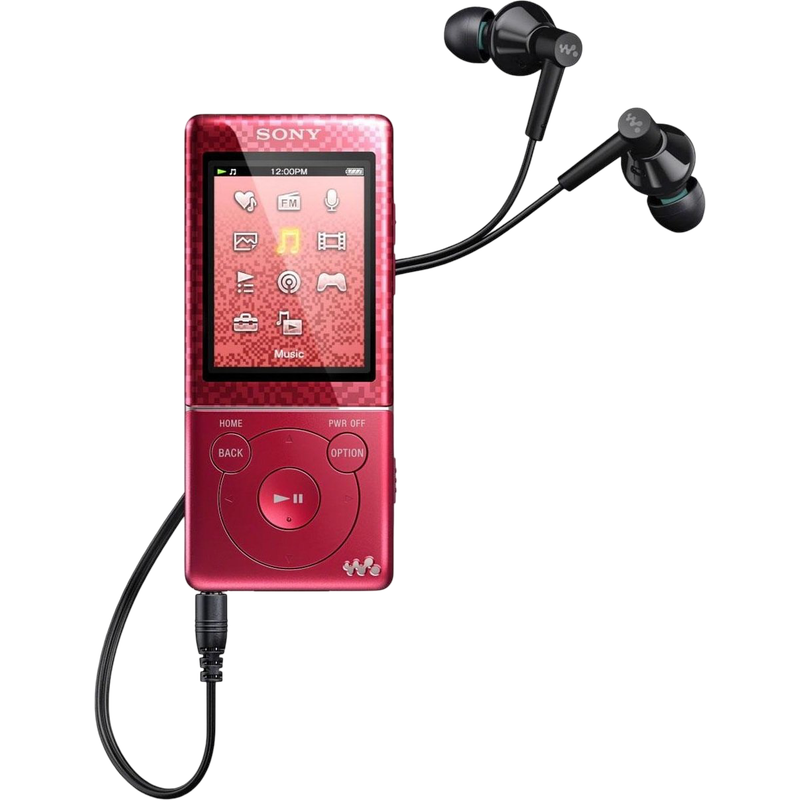
The NWZ-E474 belonged to Sony's E Series of Network Walkman. It comes with 8 GB of storage and supports MP3, WMA, AAC, and WAV files. A 240x320 TFT display showed track details, backed by a lithium-ion battery rated for 50 hours of playback. WM-PORT provides the connection, while FM radio, video and photo playback, DSEE, Omakase Channel, and Lyric Pita extended it beyond basic audio. The E474 belongs to one of the strongest late E generations because this is where Sony had fully accepted what the line is good at and started making it nicer instead of making it busier. By the time of the E470 family, Sony had finally found a more confident middle ground. It is still a modest player, still clearly below the A and S lines in status, but it no longer is an apology.
NWZ-E575
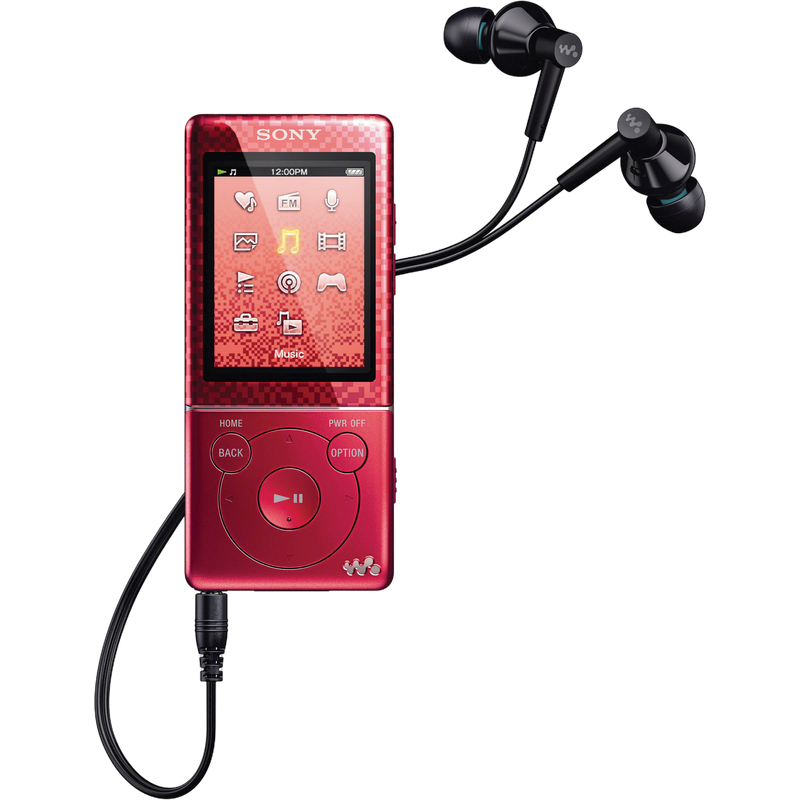
The NWZ-E575 served as the higher-capacity 16 GB variant in the 2012 E Series. It supports MP3, WMA, AAC, and WAV files through the same 240x320 TFT display and 50-hour lithium-ion battery as its 8 GB siblings. FM radio, WM-PORT, video and photo playback, DSEE, Omakase Channel, and Lyric Pita completed the feature set. The E575 gives that same late E platform its fullest version and probably the cleanest expression of Sony's "late modest Walkman done right" formula. It still is part of the same low-friction, low-maintenance philosophy as the surrounding models, but here it feels a little more complete and a little less constrained.
NWZ-B172
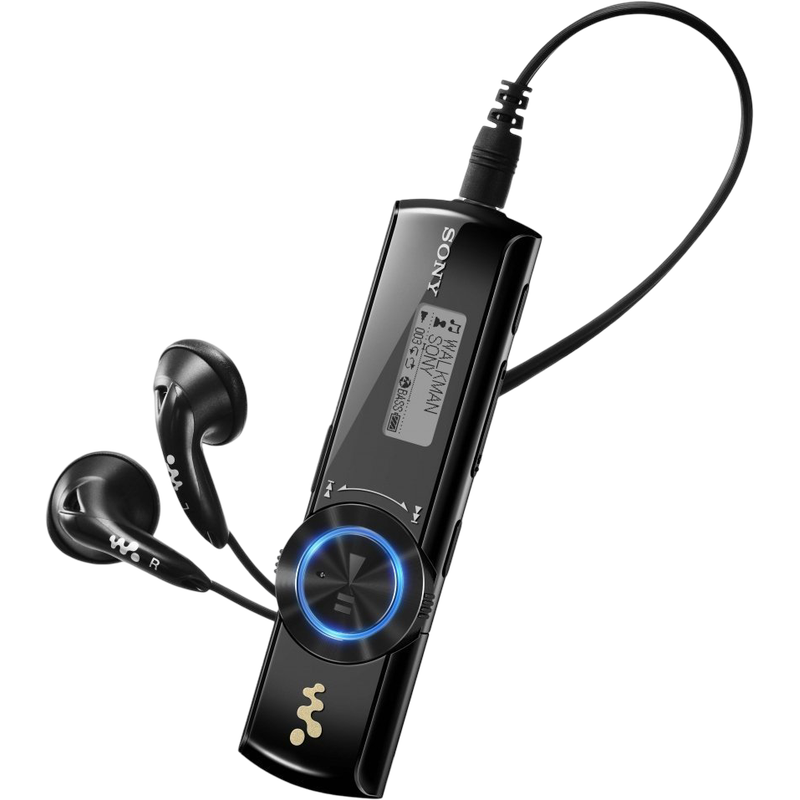
The NWZ-B172 is the 2 GB entry-level model in Sony's B Series. It supports MP3 and WMA playback with a basic LCD display for track information and a lithium-ion battery rated for 18 hours. Direct USB connection managed transfers and ZAPPIN offers quick track previewing. The B172 keeps the late budget B formula intact while sharpening the design language just enough to keep the branch from feeling anonymous. It is still a very direct kind of Walkman , simple transfer, compact body, quick use, minimal friction , but it carries itself with slightly more confidence than some of the older models. Sony was much better at making budget players feel considered by then.
NW-Z1070/W
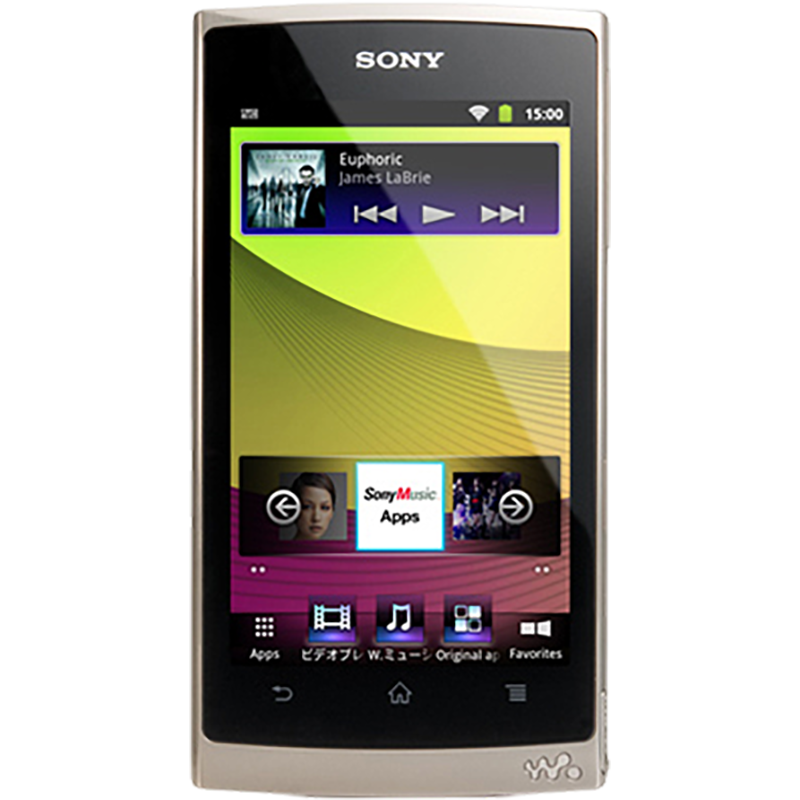
The NW-Z1070/W belonged to Sony's premium Z Series of Network Walkman. It provides 64 GB of storage and supports MP3, AAC, WMA, Linear PCM, and HE-AAC files. An 800x480 TFT display handled track information while a lithium-ion battery supplied up to 20 hours of playback. Touchscreen control, Bluetooth, Wi-Fi, digital noise cancellation, FM radio, voice recording, and speaker output were included alongside WM-PORT, video and photo playback, S-Master MX, Clear Audio, DSEE, Clear Stereo, Clear Phase, and VPT. A finish or regional branch of the same Z1070 platform, carrying the same larger meaning as the base model. The interesting part is still the same: Sony trying to build a Walkman that could exist in a world where dedicated music players no longer had the cultural assumptions they once relied on.
NW-E062
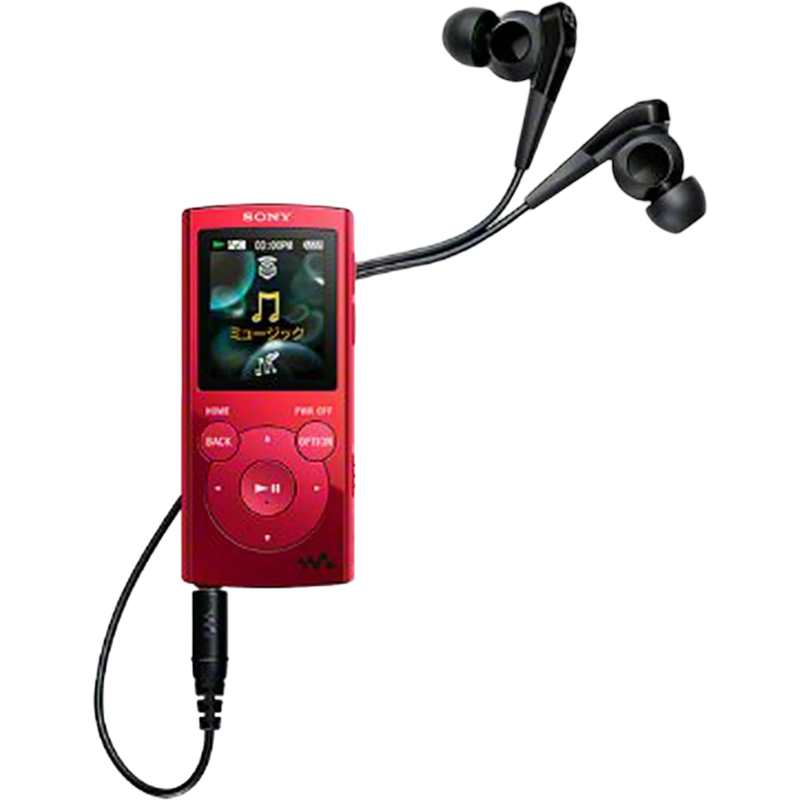
The NW-E062 is a twelfth-generation model in Sony's E Series of Network Walkman. It offers 2 GB of storage supporting MP3, WMA, and AAC playback. A lithium-ion battery provides up to 30 hours of use with digital noise cancellation included. The chassis was lighter and slightly thinner than the prior platform. This unit was a lower-capacity update to the same broad late E philosophy, but with the line now feeling a little cleaner and more physically refined. By this point Sony had a very specific understanding of what the E Series was supposed to do: compact, low-friction playback with just enough feature depth to avoid feeling cheap. It is not a pivot point. It is a maintenance-era model from a branch that had already mostly solved itself.
NW-E062K
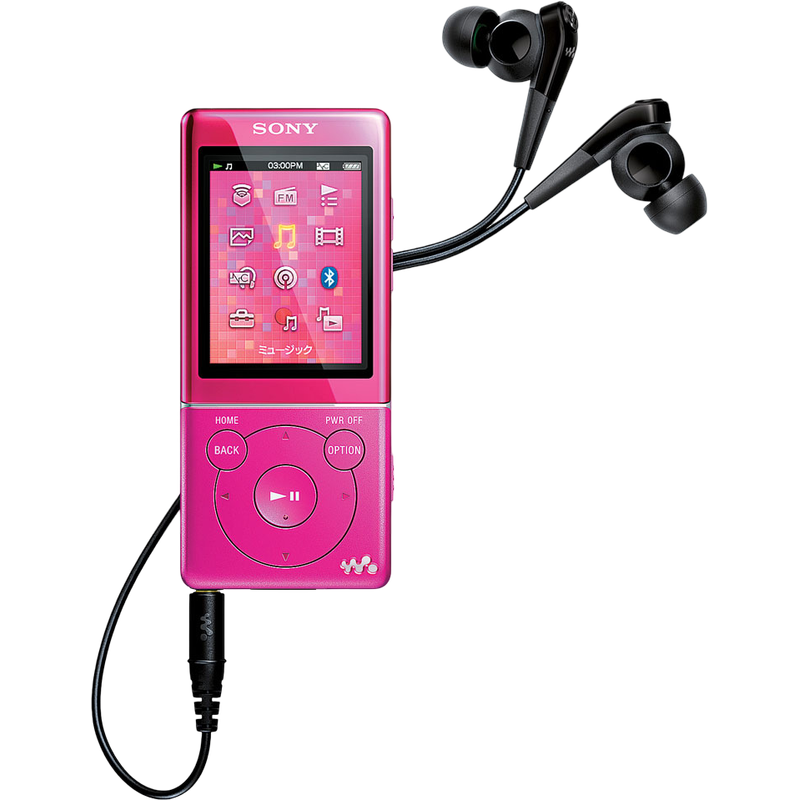
The NW-E062K is a twelfth-generation E Series Network Walkman with the same 2 GB storage, MP3/WMA/AAC support, 30-hour lithium-ion battery, and digital noise cancellation as the base E062. It added speaker output and retained the lighter, thinner body. The speaker-equipped counterpart to the NW-E062, built around the same late E logic with a compact extension of everyday usefulness instead of any deeper change in purpose. The underlying player still belongs to Sony's "just make it easy" phase of entry-level Walkman design. The K suffix adds something useful but does not ask you to rethink the product.
NW-E063K
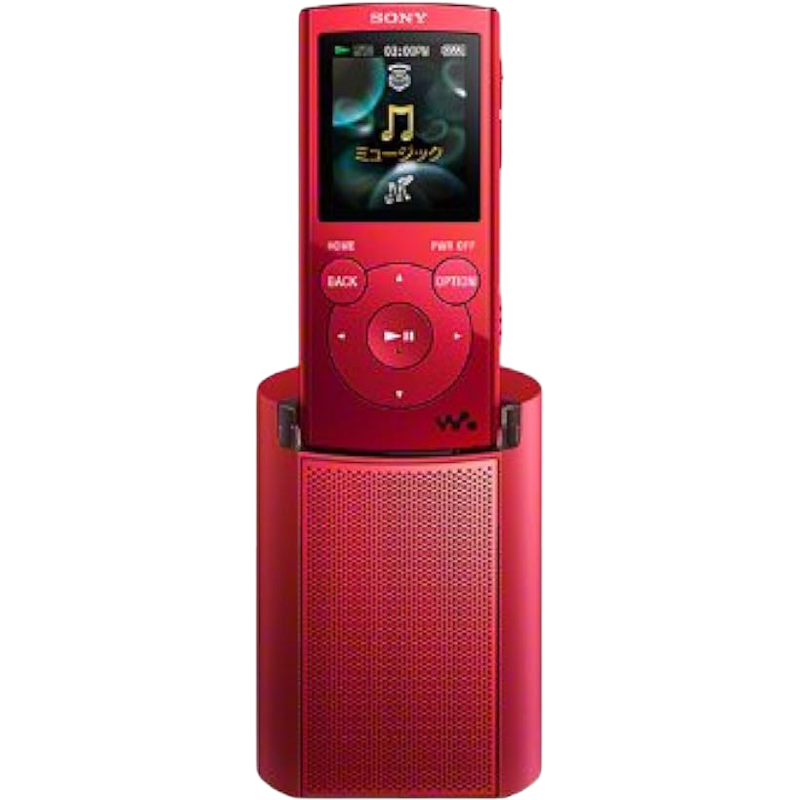
The NW-E063K is a twelfth-generation E Series Network Walkman with 4 GB storage supporting MP3, WMA, and AAC. It matched the E063's 30-hour lithium-ion battery and digital noise cancellation while adding speaker output and the lighter, thinner body. The speaker-equipped K model completed the 4 GB tier of the refined E050 generation. It extended basic playback with built-in audio without altering the core platform refinement. Like the other K variants, it shows how stable the core player already was. Sony was no longer trying to discover what an entry-level Walkman should be. It had already figured that part out.
NWZ-F804
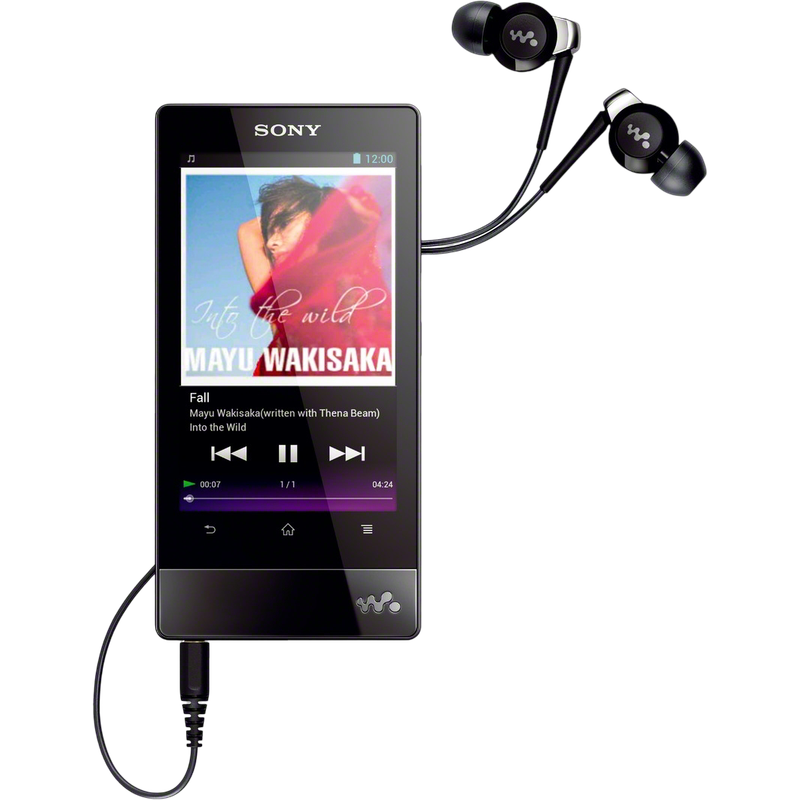
The NWZ-F804 is an F Series Network Walkman with 8 GB of storage supporting MP3, WMA, AAC, FLAC, and WAV playback. It features an 800x480 TFT display and a lithium-ion battery rated for 25 hours. Touchscreen control, Bluetooth, Wi-Fi, FM radio, speaker output, WM-PORT, video and photo playback, Clear Audio+, and DSEE were standard. One of the first really clear signs that Sony was trying to push the Walkman into a smartphone-adjacent future instead of simply extending the old flash-player formula. The F Series was built around Android, touch control, wireless features, and a much broader media identity, which immediately made it feel like a different category of Walkman from the classic button-driven lines below it.
NWZ-F805
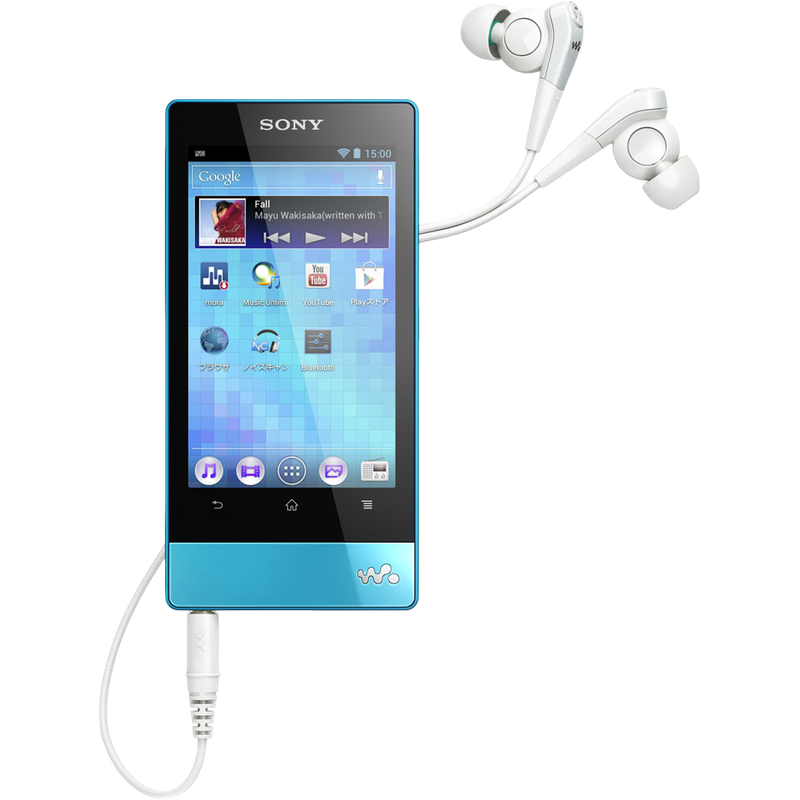
The NWZ-F805 is a first-generation F Series Network Walkman serving as the de facto successor to the A Series during Sony's Android Walkman period. It offers 16 GB storage for MP3, WMA, AAC, FLAC, and WAV files on an 800x480 TFT display with a 25-hour lithium-ion battery. Android 4.0 powered touchscreen operation, Bluetooth, Wi-Fi, FM radio, speaker output, WM-PORT, video and photo playback, Clear Audio+, DSEE, and the Walkman Classics Application. The middle-capacity version of the same first major Android F platform and probably the most representative version of that early idea. It combined wireless features, touchscreen behavior, app logic, and broader file support into something that felt much closer to a specialized media device than to the classic Walkman lineage that came before it.
NWZ-F806
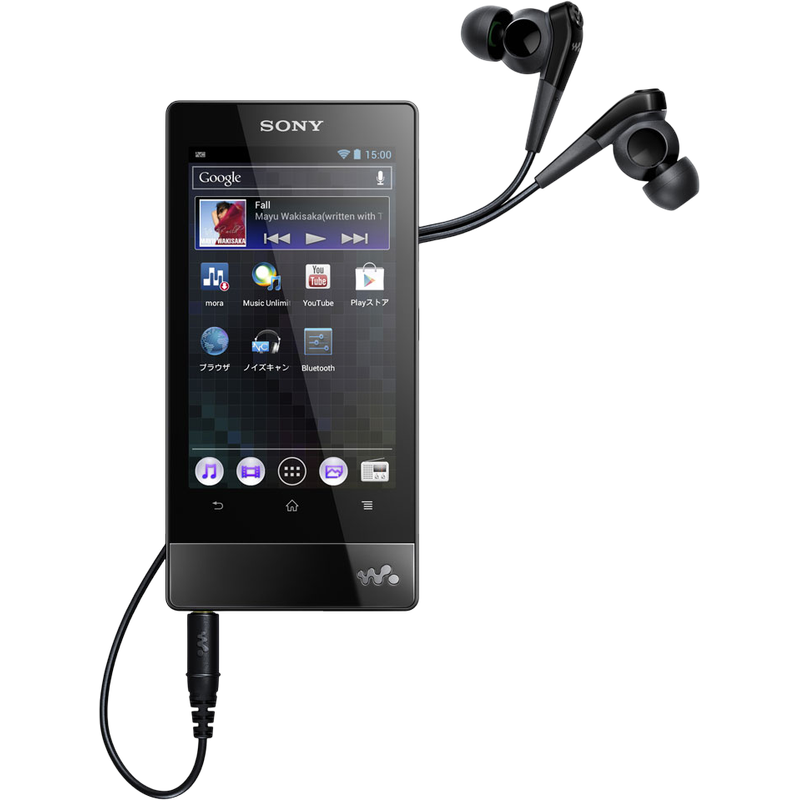
The NWZ-F806 is a first-generation F Series model and Android successor to the A Series. It doubled capacity to 32 GB while keeping the same 800x480 TFT display, 25-hour lithium-ion battery, Android 4.0, touchscreen, Bluetooth, Wi-Fi, FM radio, speaker, WM-PORT, video and photo playback, Clear Audio+, and DSEE. The highest-capacity version of the same early Android F family and the fullest expression of Sony's first serious attempt to make the Walkman behave like a connected premium portable instead of a conventional dedicated music player. The F line is about trying to preserve the emotional logic of a dedicated player inside a world that was already starting to make dedicated players feel unnecessary.
NWZ-S774BT
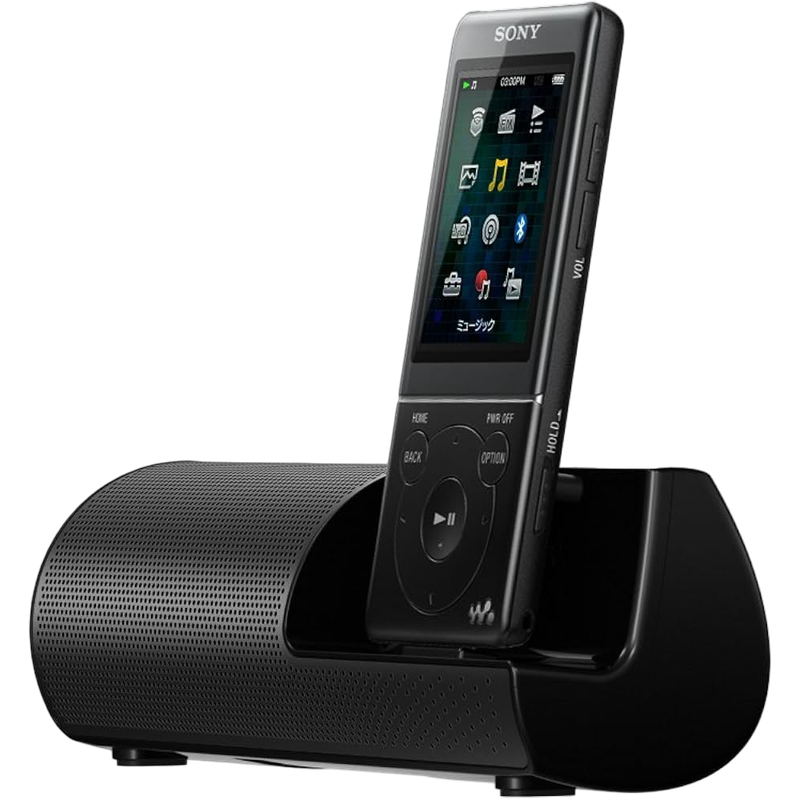
The NWZ-S774BT is a tenth-generation S Series Network Walkman with 8 GB storage supporting MP3, WMA, AAC, and WAV playback. A lithium-ion battery delivers up to 42 hours of use. Bluetooth and Clear Phase audio processing were included alongside WM-PORT, video and photo playback. A Bluetooth-oriented S Series branch from the point when wireless convenience had become too important to ignore, even in Sony's more traditional button-driven Walkman lines. It tries to modernize the classic compact Walkman without giving up the old dedicated-player logic. The player still feels recognizably like a real Walkman, focused, compact, and playback-first, but now with wireless behavior layered on top.
NW-F805
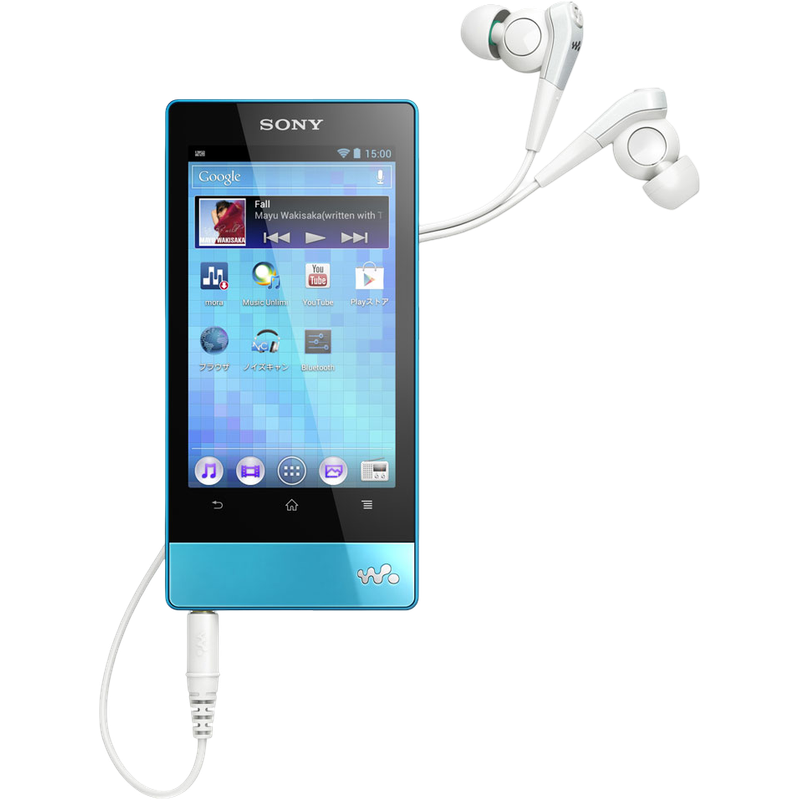
The NW-F805 is a first-generation F Series Network Walkman serving as the de facto successor to the A Series during Sony's Android Walkman period. It offers 16 GB storage for MP3, WMA, AAC, FLAC, and WAV files on an 800x480 TFT display with a 25-hour lithium-ion battery. Android 4.0 powered touchscreen control, Bluetooth, Wi-Fi, FM radio, speaker output, WM-PORT, video and photo playback, Clear Audio+, DSEE, and the Walkman Classics Application. This model is part of the first F Series, which is part of the most revealing branches in the entire late Walkman story because it shows Sony trying to build a more compact, more approachable Android Walkman than the Z1000 line. Where the Z models often felt like a statement product, the F line was an attempt to make that broader modernized Walkman idea livable on a smaller, more realistic scale. Android, touch, apps, wireless, and broader file flexibility push the F Series into a very different emotional category from the button-driven lines that still existed beside it.
NW-F805BT
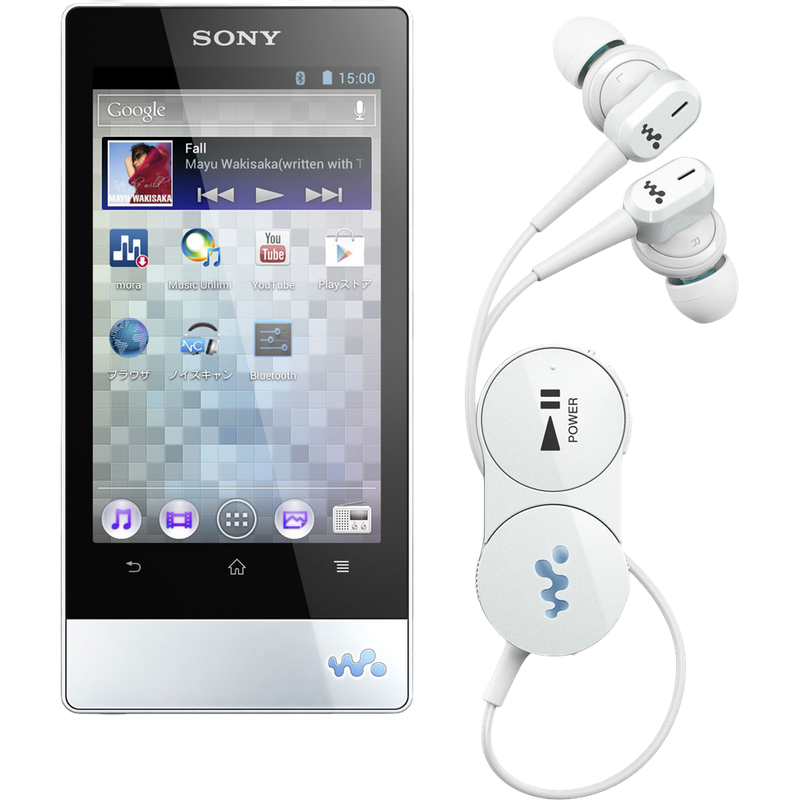
The NW-F805BT was the Bluetooth-headphone bundle version of the first-generation F Series. It shared the F805 platform: 16 GB storage, Android 4.0, an 800x480 TFT display, touchscreen control, Bluetooth, Wi-Fi, FM radio, speaker output, WM-PORT, video and photo playback, Clear Audio+, DSEE, the Walkman Classics Application, and a 25-hour lithium-ion battery. The bundled wireless setup made the purpose of the F platform clearer. This was an Android Walkman built for a listening world where Bluetooth was becoming normal rather than optional. It kept the dedicated-player shape, but its behavior moved closer to modern portable habits: connected, wireless, and still separate from a phone.
NW-F805K
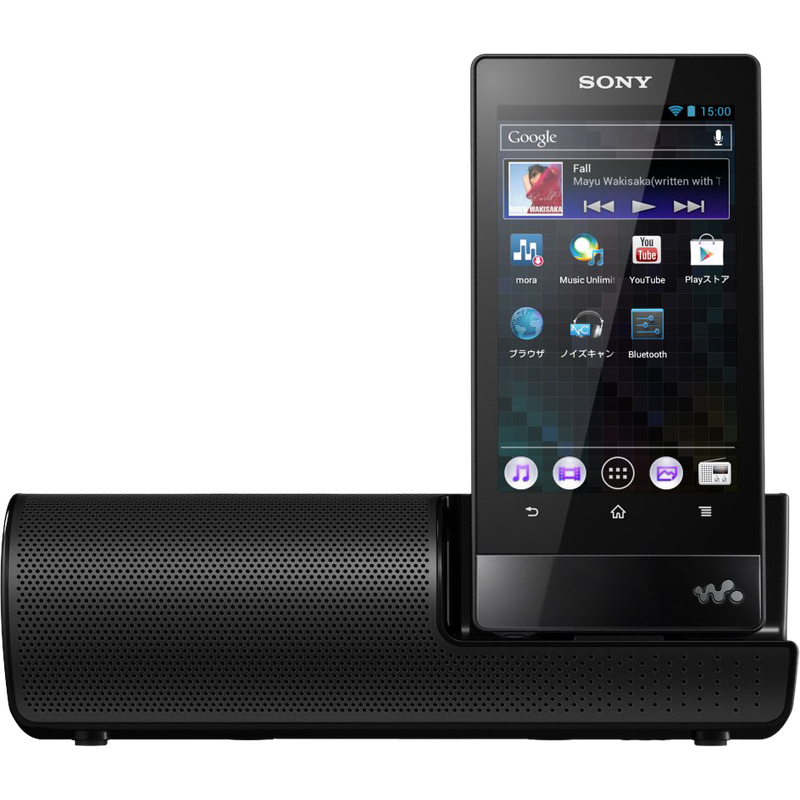
The NW-F805K is a first-generation F Series model and Android successor to the A Series. It matched the 16 GB storage, Android 4.0, 800x480 display, 25-hour battery, touchscreen, Bluetooth, Wi-Fi, FM radio, speaker, WM-PORT, video and photo playback, Clear Audio+, DSEE, and Walkman Classics Application of the core F805. The K version takes that same first-generation F platform and wraps it in a more accessory-led presentation. The real story is still the same: Sony trying to make a compact Android Walkman feel like a credible product category instead of a one-off curiosity. The platform underneath had enough confidence to support variants in the first place.
NW-F806
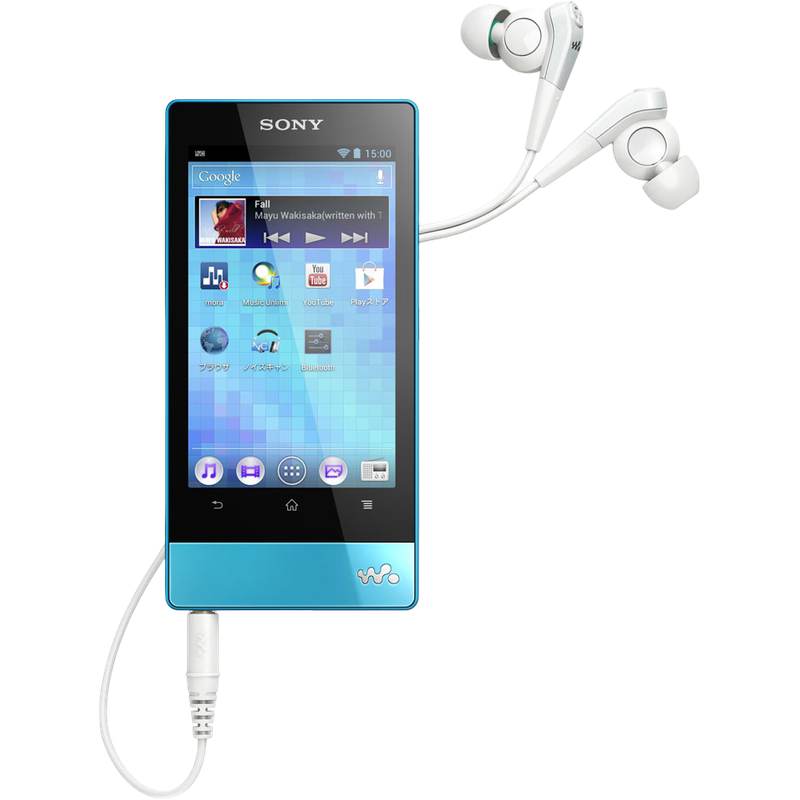
The NW-F806 was the 32 GB model in Sony's first-generation F Series Network Walkman family. It acted as the practical successor to the A Series during Sony's Android Walkman period, with MP3, WMA, AAC, FLAC, and WAV support, an 800x480 TFT display, touchscreen control, Bluetooth, Wi-Fi, FM radio, speaker output, WM-PORT, video and photo playback, Clear Audio+, DSEE, the Walkman Classics Application, and a 25-hour lithium-ion battery. The 32 GB capacity made the first F platform easier to live with. It had enough room for a larger local library while keeping the same connected Android behavior as the smaller versions. The central question stayed the same: whether Sony could make a modern connected Walkman that felt like a serious dedicated device rather than a phone without cellular service.
NW-F806K
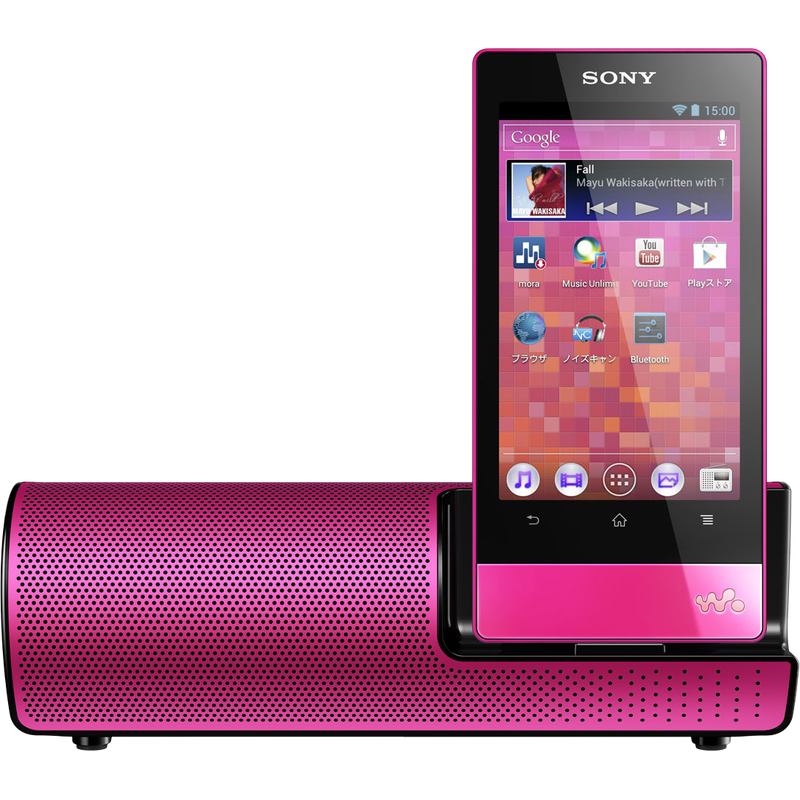
The NW-F806K is a first-generation F Series model and Android successor to the A Series. It uses the same 32 GB storage, Android 4.0, 800x480 display, 25-hour battery, touchscreen, Bluetooth, Wi-Fi, FM radio, speaker, WM-PORT, video and photo playback, Clear Audio+, and DSEE. The K designation kept the complete first-generation feature package. The K version of the F806 extends that same compact Android F logic into a more retail-friendly presentation. The important part is what the bundle implies: Sony believed the F platform was stable enough to support different configurations without needing to re-argue its reason for existing.
NW-F807
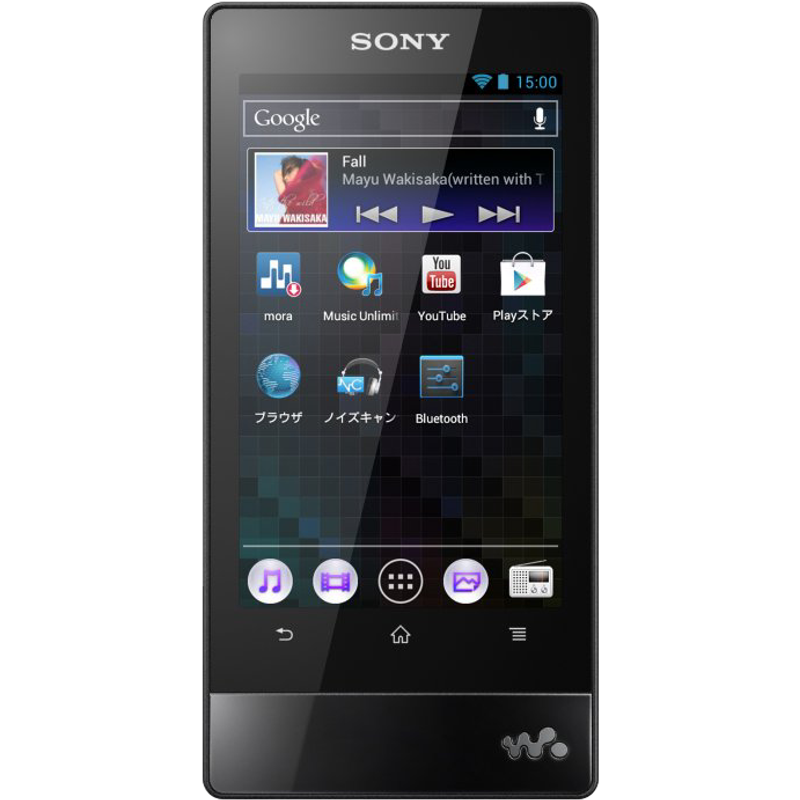
The NW-F807 is a first-generation F Series Network Walkman serving as the de facto successor to the A Series during Sony's Android Walkman period. It provides 64 GB storage for MP3, WMA, AAC, FLAC, and WAV files on an 800x480 TFT display with a 25-hour lithium-ion battery. Android 4.0 powered touchscreen control, Bluetooth, Wi-Fi, FM radio, speaker output, WM-PORT, video and photo playback, Clear Audio+, DSEE, and the Walkman Classics Application. The F807 gives the first F platform its fullest version and probably the strongest expression of Sony's first serious attempt to make the Android Walkman feel compact, desirable, and genuinely modern without fully dissolving into the smartphone category. The F line is about trying to preserve the emotional logic of a dedicated player inside a world that was already starting to make dedicated players feel unnecessary.
NW-S774
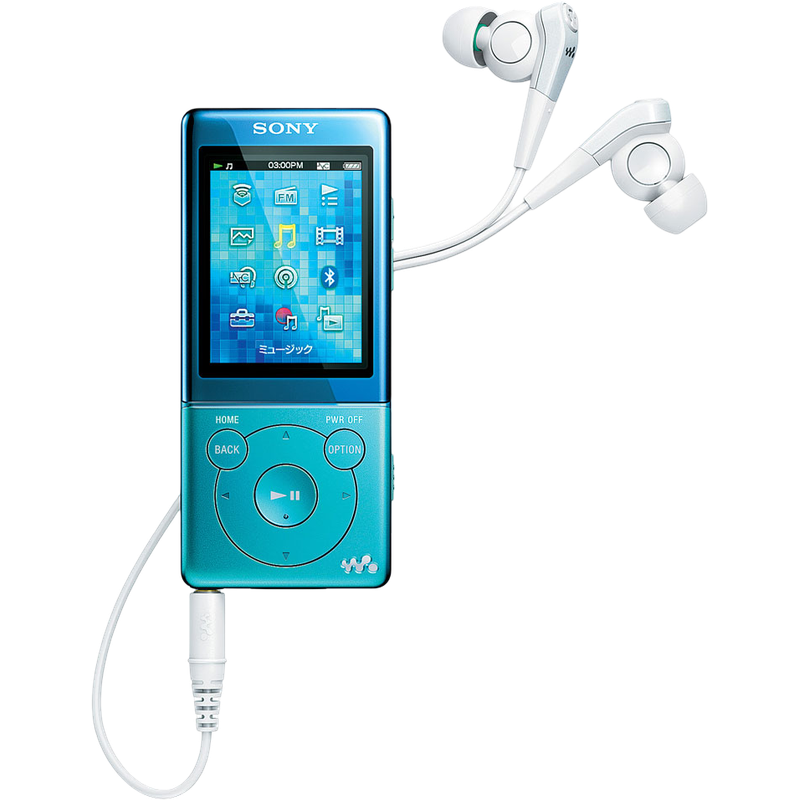
The NW-S774 is a tenth-generation S Series Network Walkman with 8 GB storage supporting MP3, WMA, AAC, and WAV playback. A lithium-ion battery provides up to 42 hours of use with WM-PORT, video and photo playback, and Clear Phase processing. The chassis was slimmed to roughly 7 mm maximum thickness. It refined the Bluetooth-capable S line into a thinner design with updated speaker options. This Walkman model belongs to one of the most interesting late S generations because this is where the line feels most aware of the future without giving up its classic compact-player identity. The branch is still very recognizably part of the traditional Walkman world , personal, playback-first, compact, inward-facing , but it is now clearly negotiating with newer expectations around wireless behavior, convenience, and design polish.
NW-S774BT
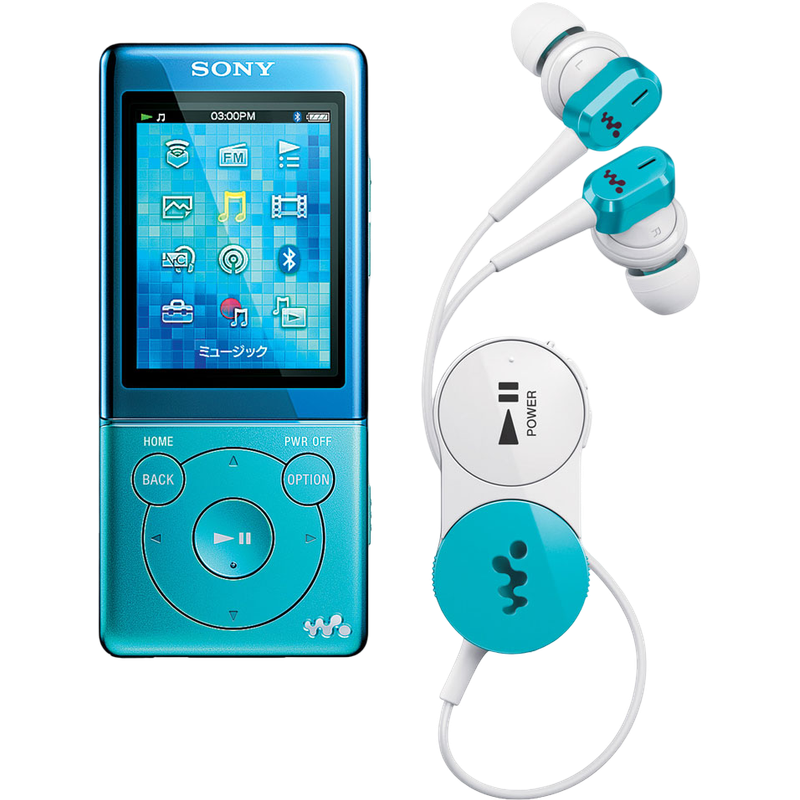
The NW-S774BT is a tenth-generation S Series Network Walkman with 8 GB storage supporting MP3, WMA, AAC, and WAV playback. A lithium-ion battery delivers up to 42 hours of use with Bluetooth, WM-PORT, video and photo playback, and Clear Phase. The chassis measured roughly 7 mm at its thickest point. The Bluetooth-equipped version of the S774 makes that tension even clearer. Sony was clearly trying to modernize the classic compact Walkman without flattening it into just another generic gadget. The player still is a Walkman first. The Bluetooth is there to support that identity, not replace it.
NW-S774K
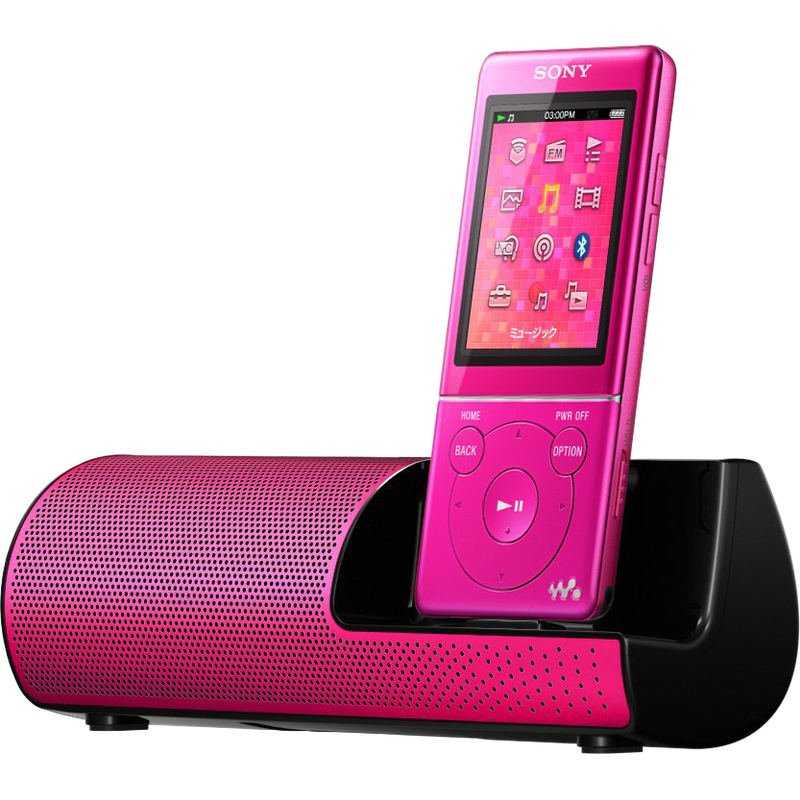
The NW-S774K is a tenth-generation S Series model with 8 GB storage, MP3/WMA/AAC/WAV support, 42-hour lithium-ion battery, speaker output, WM-PORT, video and photo playback, and Clear Phase. The body was slimmed to about 7 mm. The K version keeps that same late S774 platform and simply extends it into the same accessory-driven retail logic as the surrounding variants. The more interesting part is still the player itself: a late S Series model that feels polished, self-aware, and unusually well judged for its moment.
NW-S775
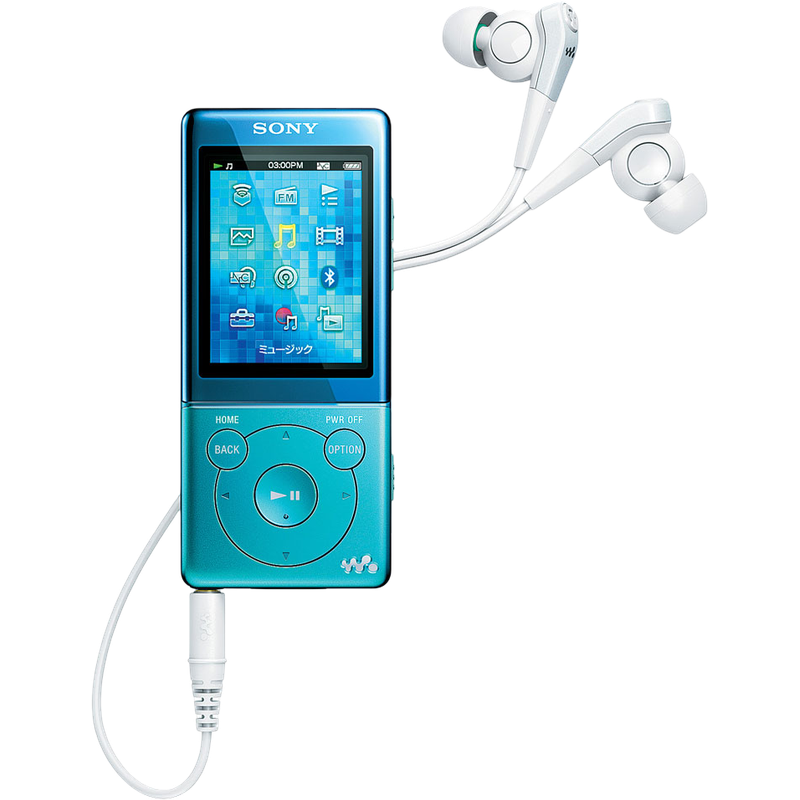
The NW-S775 is a tenth-generation S Series Network Walkman offering 16 GB storage for MP3, WMA, AAC, and WAV playback. A lithium-ion battery supplied up to 42 hours of use with WM-PORT, video and photo playback, and Clear Phase processing. The chassis was slimmed to roughly 7 mm maximum thickness. The S775 is probably the sweet spot of this generation. It gives the line enough room to feel fully usable while keeping the same sleek, inward-facing late S identity that makes these models feel so much healthier than some of the line's earlier, more overextended phases. The concept is stable. The design is stable. The use case is stable.
NW-S775K
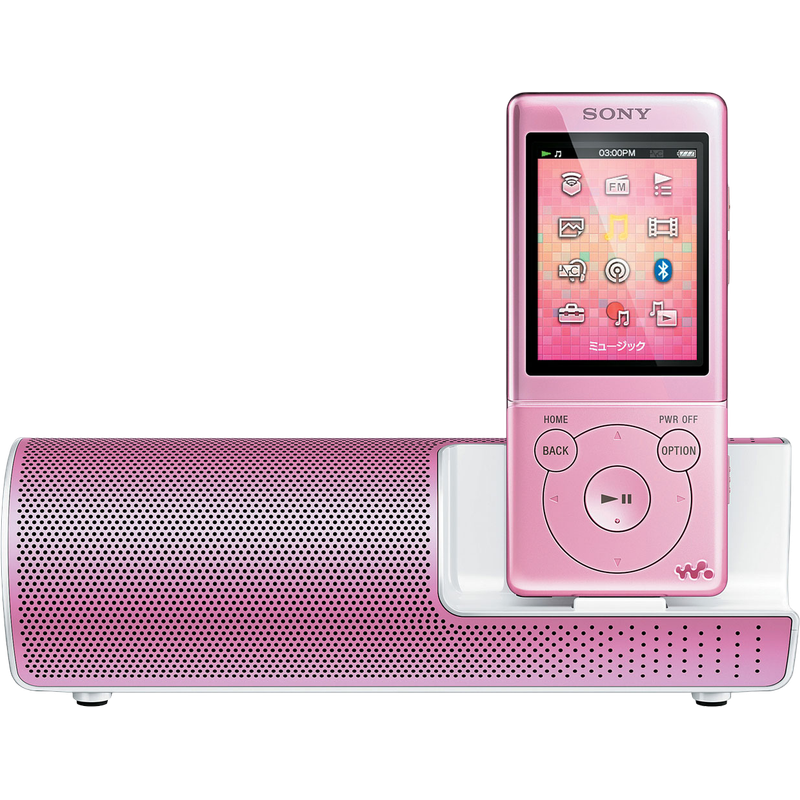
The NW-S775K is a tenth-generation S Series model with 16 GB storage, MP3/WMA/AAC/WAV support, 42-hour lithium-ion battery, speaker output, WM-PORT, video and photo playback, and Clear Phase. The body measured about 7 mm at its thickest. The K version keeps that same S775 formula and wraps it in the same accessory-friendly retail logic as the surrounding variants. Sony had finally built an S Series that no longer felt like it was searching for relevance every generation.
2012 served as the bridge between adaptation and full specialist repositioning. It aligned the entire range for the high-resolution launch that arrived the following year.