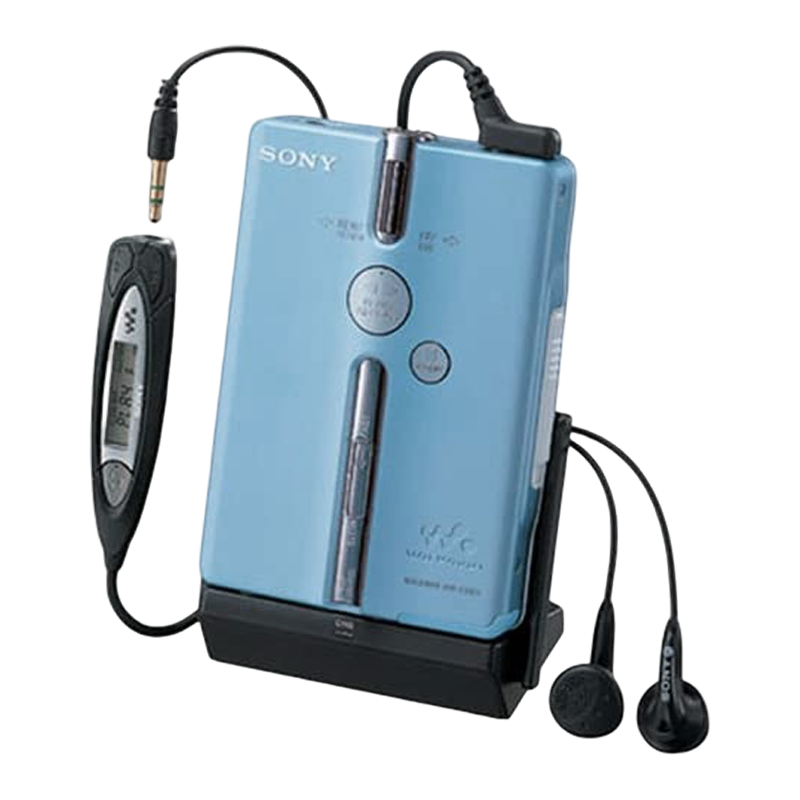
2004 WM-EX651
The WM-EX651 is a playback-only Walkman equipped with auto-reverse.

If you find it useful, you can support it. Support the archive
By 2004, Sony was no longer observing the shift in portable audio. It was responding to it. The company introduced new devices that aligned with the direction of the market, including hard drive-based Walkman models designed to compete with emerging high-capacity digital players.
At the same time, Sony attempted to build a complete digital ecosystem around those devices. The launch of its own online music service and continued reliance on proprietary formats and software showed an effort to replicate the full experience of digital music consumption within its own structure. Hardware, software, and distribution were all brought together, but remained tightly controlled.
What defines 2004 is not the absence of adaptation, but the nature of it. Sony had recognized the direction of the market, but chose to respond within the boundaries of its existing approach. Instead of simplifying the experience, it extended the same controlled system into a new generation of devices. The gap between what the technology could do and what users expected continued to widen.
The WM-EX651 is a playback-only Walkman equipped with auto-reverse.
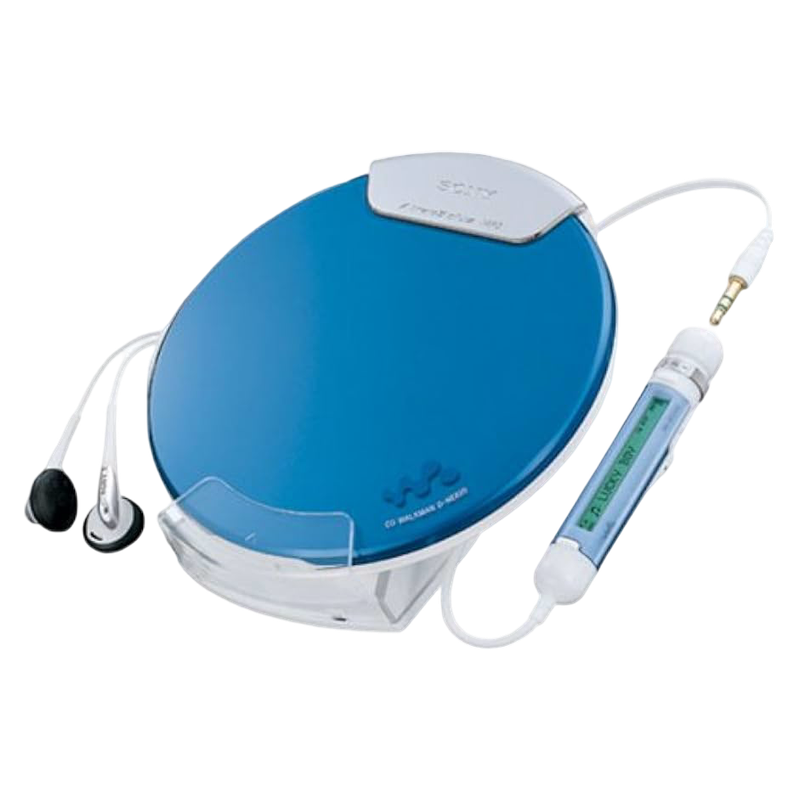
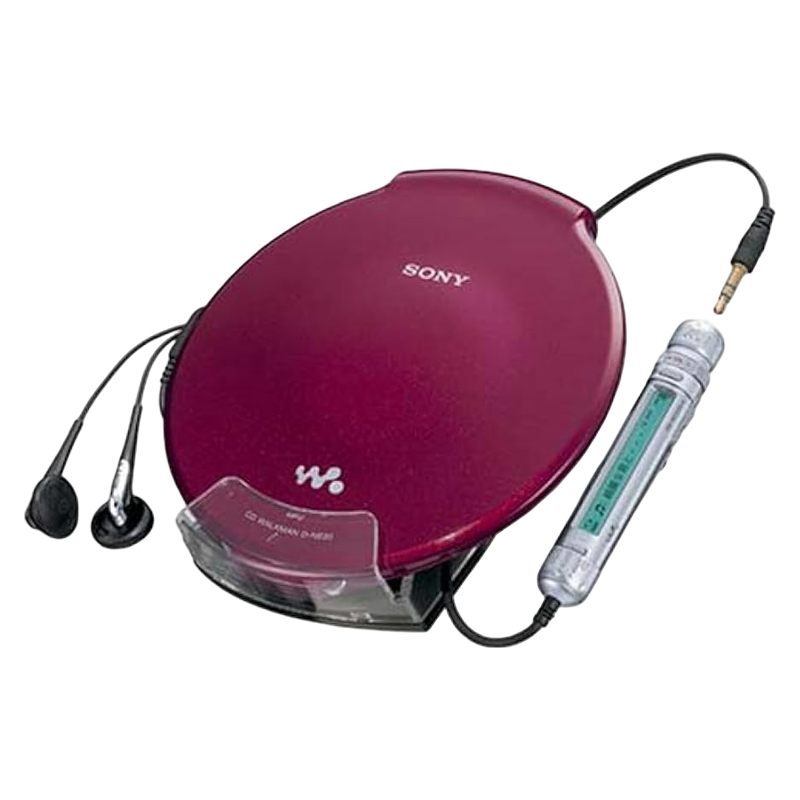
The D-NE20 is a portable CD player that supports ATRAC3plus, ATRAC3, and MP3 playback.
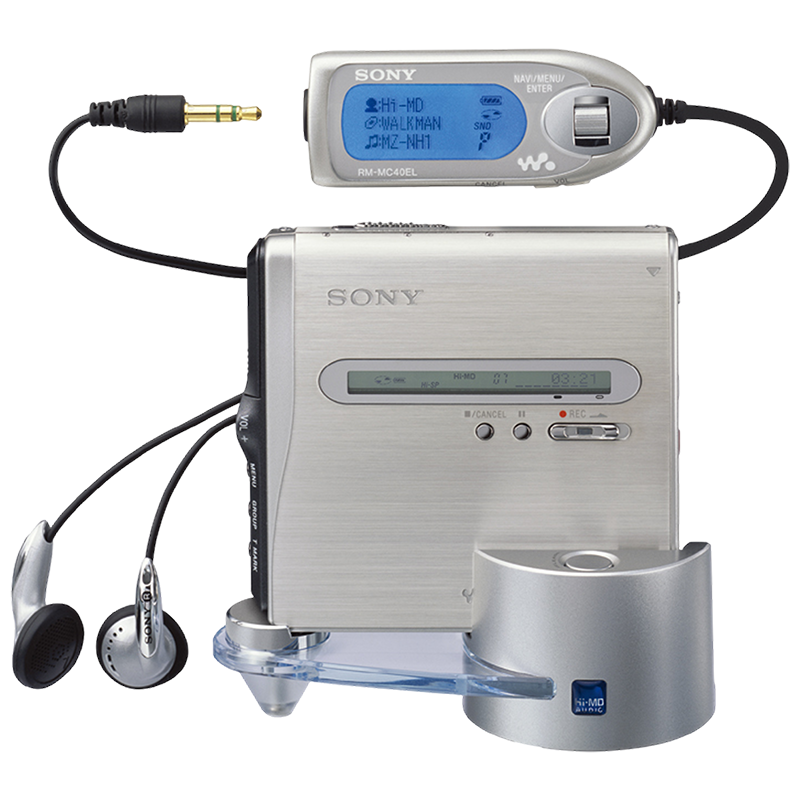
The MZ-NH1 was a recorder introduced as the flagship model during the early stages of Hi-MD development, featuring full recording capabilities and a highly rigid aluminum casing.
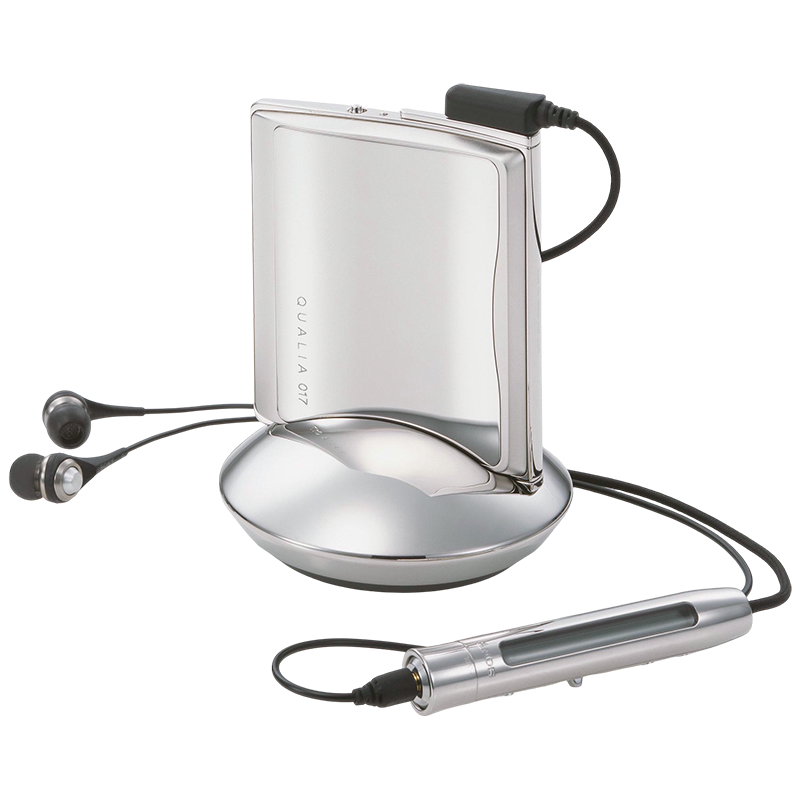
The Qualia 017 is a playback-only MiniDisc player that prioritizes the perfection of materials and structure over functionality.
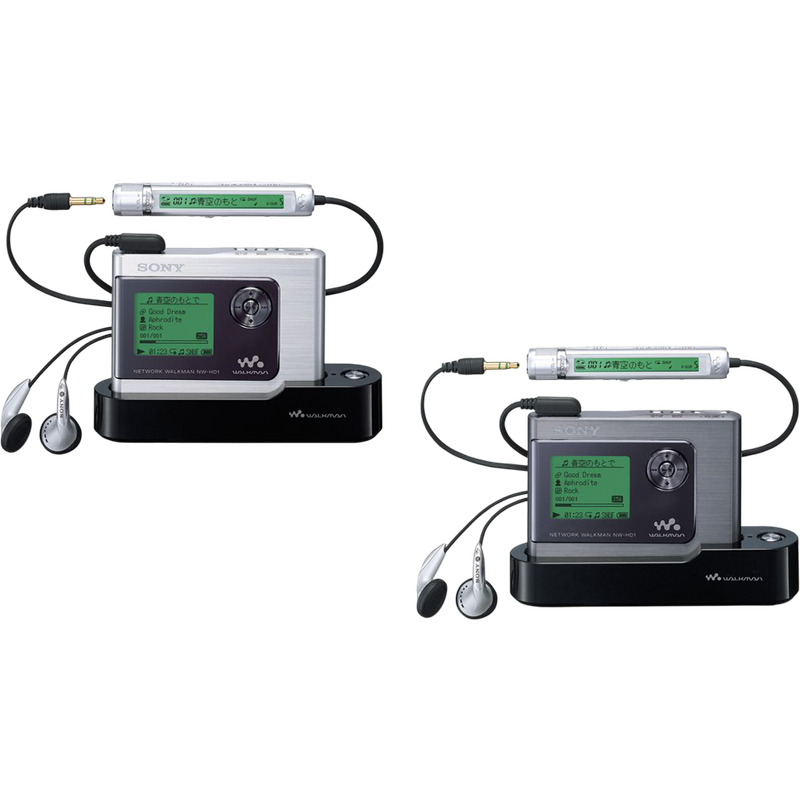
The NW-HD1 is the first Network Walkman to feature a built-in hard drive.