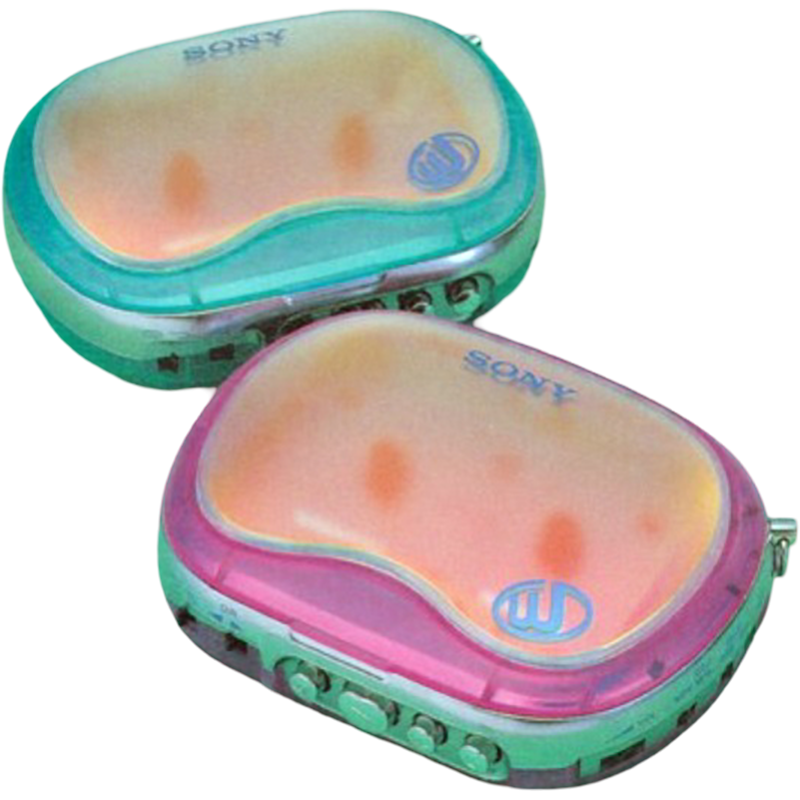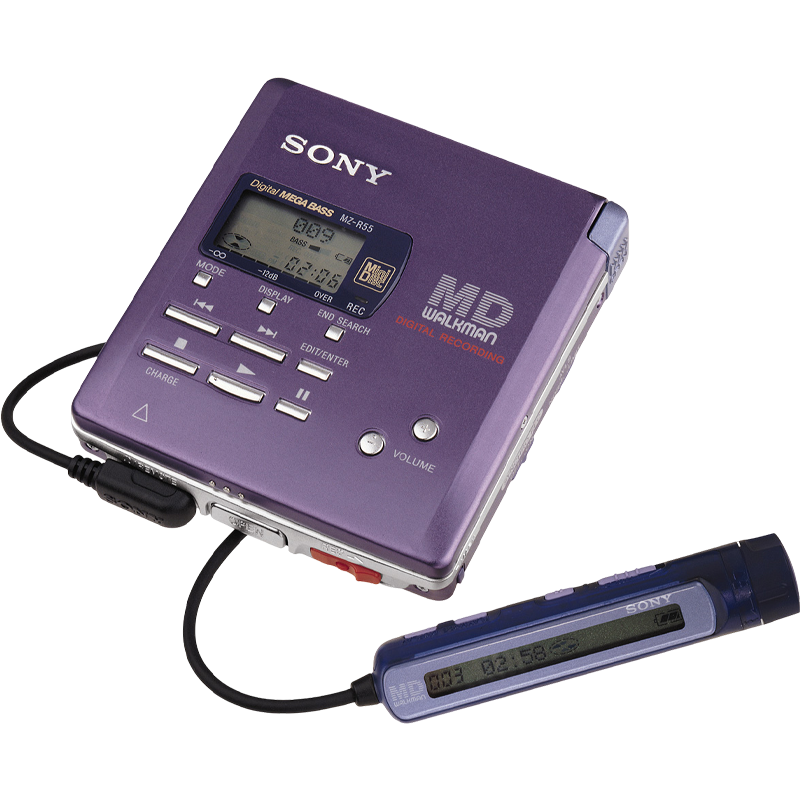
In 1998, Sony delivered some of the final meaningful gains in efficiency and user experience just as the market was beginning to lean elsewhere. The lineup reached a technical high point that felt complete on its own terms.
D-5WD
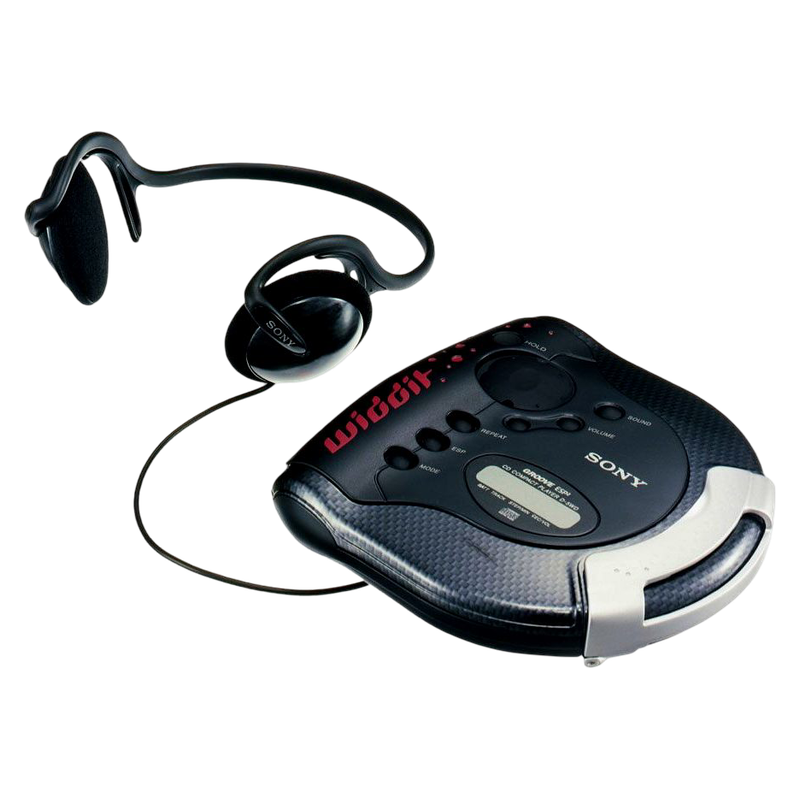
The D-5WD is a portable CD player equipped with an electronic anti-skip mechanism. It supports playback stabilization via ESP, is powered by two AA batteries, and supports basic CD playback. It features a redesigned exterior. Playback is within the range of a standard CD player. It is a derivative model based on a common platform, positioned as a variation in exterior design.
D-E400
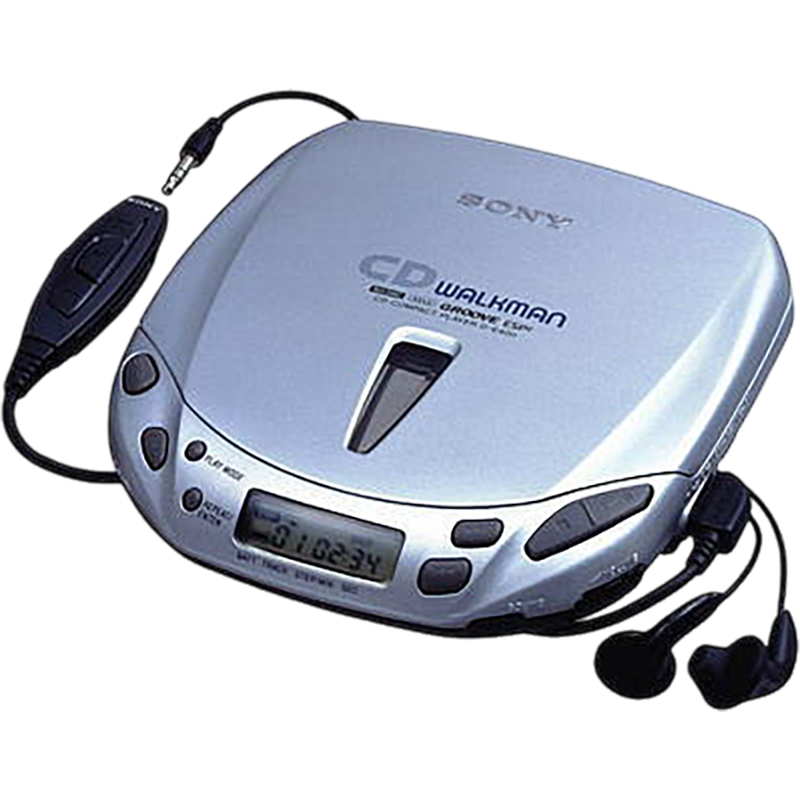
The D-E400 is a straightforward late-1990s CD Walkman built around ESP2 buffering, a 1-bit audio path, and a compact lightweight shell powered by two AA batteries. The controls stayed simple and focused on repeat modes, bass boost, and reliable playback, making it the kind of player meant to disappear into routine use instead of call attention to itself. Portable CD had already settled into a very predictable form by then. The D-E400 belongs to that ordinary but important middle where the machine no longer needed to feel novel in order to feel complete. It just had to be usable.
D-E505
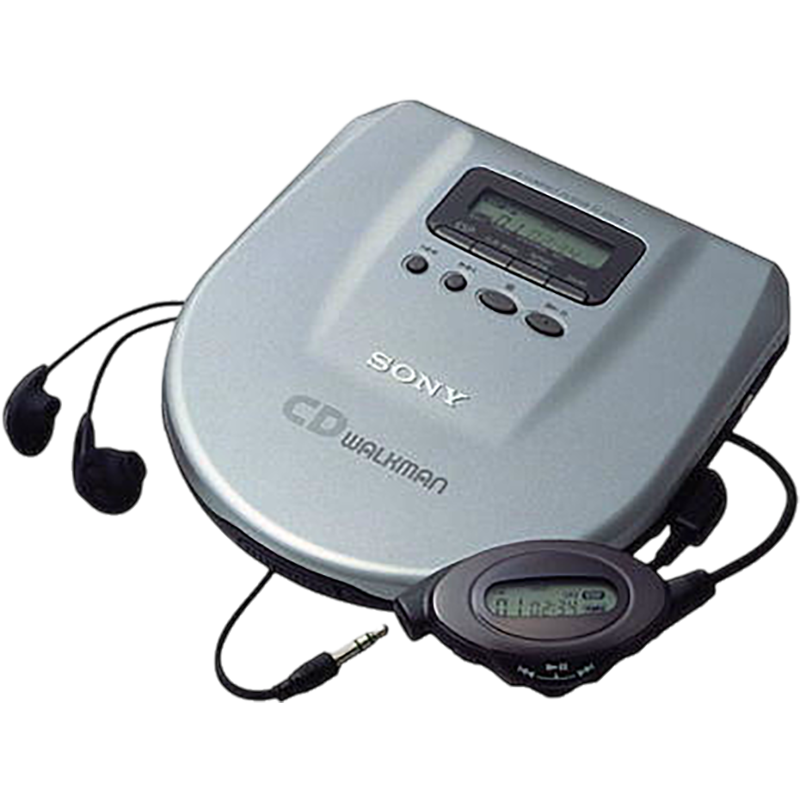
The D-E505 sat a step above the most basic models while keeping the same compact footprint and adding a slightly more responsive interface along with a more considered overall feel around ESP buffering and Mega Bass. It is still very much an everyday player, but one that had been tuned a little more carefully around touch and interaction. That difference is subtle, but it matters. The D-E505 is part of the part of the range where buyers could move upward into something a little more refined without crossing into overtly premium territory. A lot of late-period Sony hardware is differentiated exactly this way.
D-E700
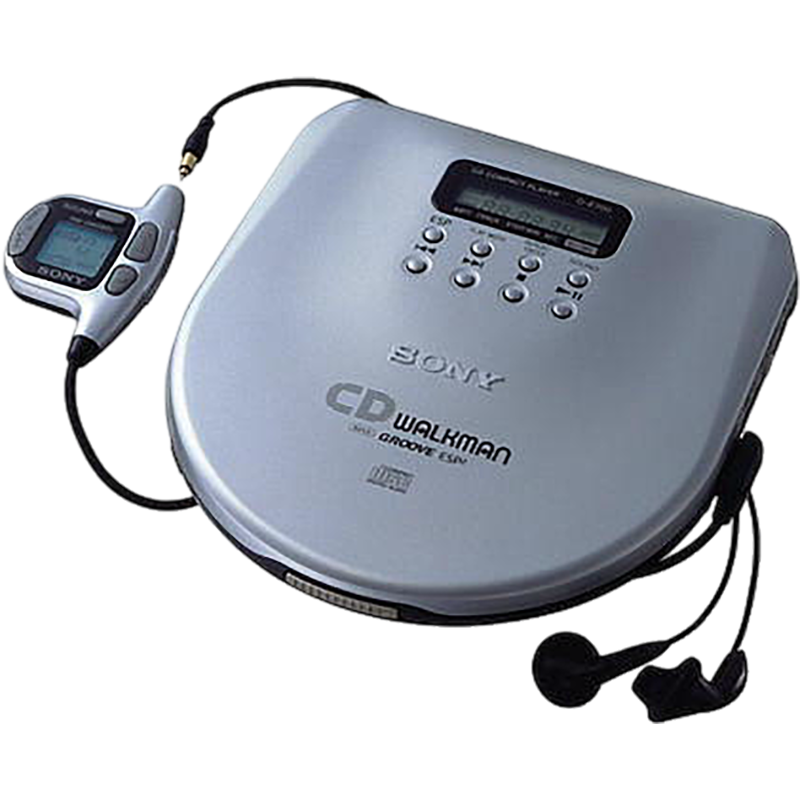
The D-E700 trimmed size and weight while sharing the same anti-skip foundation and audio path as higher siblings, packaging it in a lighter, more streamlined body that is easier to carry without feeling stripped bare. It is a simplified player, but not in a way that made it feel cheap or compromised. That restraint feels deliberate. The D-E700 is part of the phase where the line is becoming cleaner and less mechanically expressive without losing its basic competence. It is a good example of how Sony is learning to remove things without making the result feel empty.
D-E707
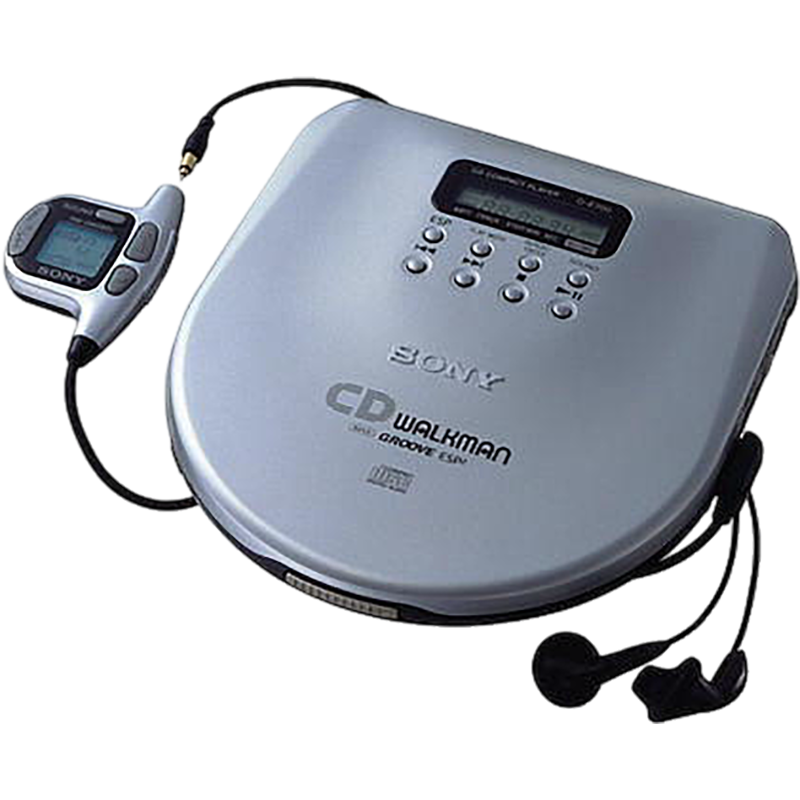
The D-E707 placed more emphasis on finish and interface than on raw specification, keeping stable playback and buffering while adding a more deliberate control layout and polished exterior. It still shared much of its hardware logic with nearby models, but the experience of using it had been shaped more carefully. By this point, differences between players were often coming down to touch and interaction instead of headline features. The D-E707 belongs to that stage where the late CD Walkman was being refined through feel as much as through function. That kind of progress was easy to miss until you compare them side by side.
D-E800
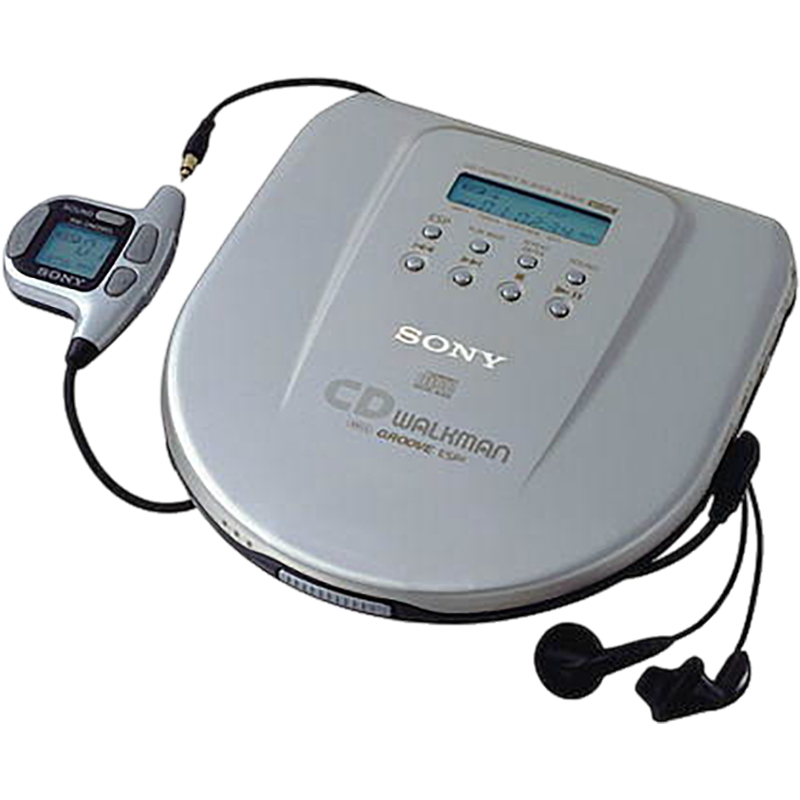
The D-E800 sat at the more complete end of the late-1990s lineup, combining stronger anti-skip performance with a more detailed remote and a cleaner overall build while still running on two AA batteries. Nothing about it needed to be flashy because the whole machine had already been resolved into a very stable and usable form. That is really what makes it work. The D-E800 is part of the part of the line where the existing formula had been brought together in a noticeably more finished way without requiring a dramatic new feature to justify itself. It feels composed.
D-E808
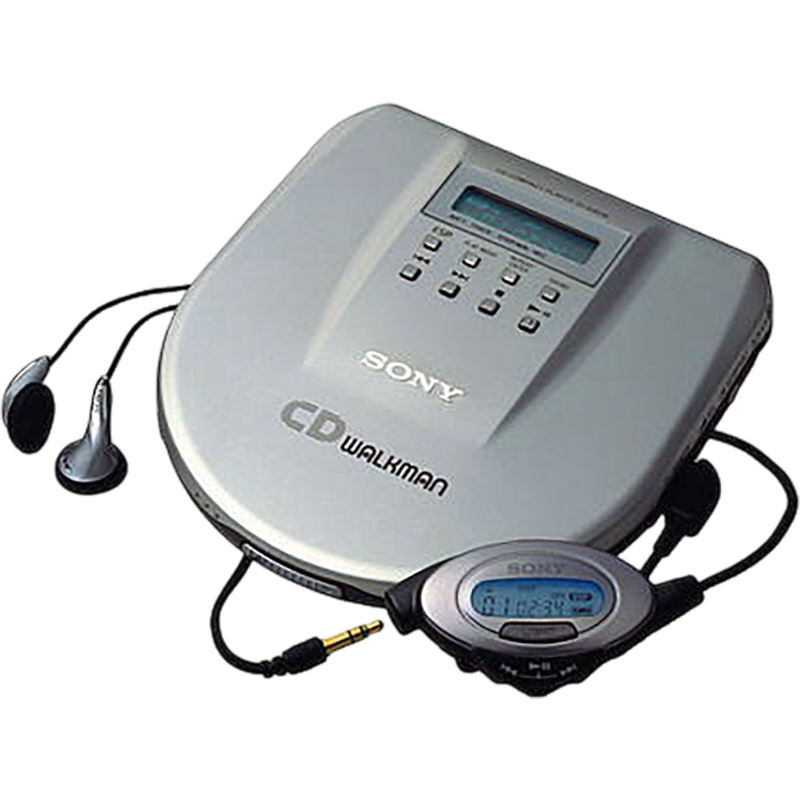
The D-E808 refined the same approach further through compact improvements in ergonomics, display clarity, and overall handling while keeping the anti-skip system and audio path broadly consistent with the higher models around it. On paper, the changes were modest, but the machine carried itself a little more cohesively than some of its immediate neighbors. That kind of refinement rarely announces itself in a single feature. The D-E808 is part of the quieter side of late-period Sony design, where several compact improvements together mattered more than one dramatic leap. It becomes more convincing the longer you sit with it.
D-E900
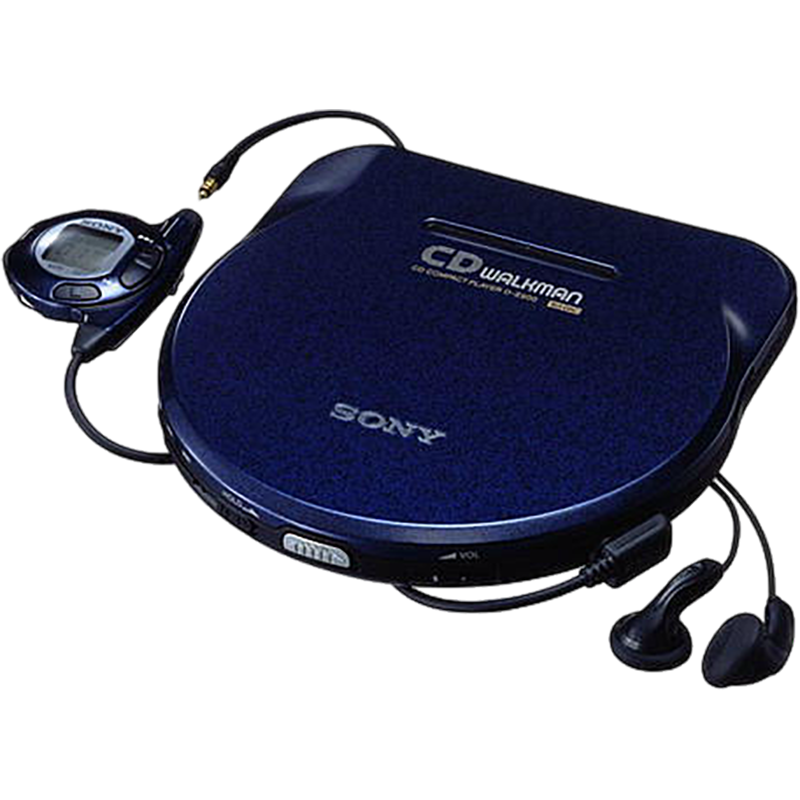
The D-E900 carried forward the slimmer, more deliberate design language of higher-end portable CD players with improved shock protection in a cleaner, more restrained exterior that kept weight and battery demands manageable. It is built around balance instead of around any one standout claim, which gave it a slightly calmer personality than some of the earlier premium Discmans. That balance is really its identity. The D-E900 is part of the stage where portable CD had already become technically mature enough that refinement could happen through proportion, handling, and overall composure instead of through obvious specification jumps. It feels easy to live with.
By 1998, Discman had achieved nearly everything it realistically could within the limits of the CD format. Those refinements made the transition into the slower endgame feel graceful, while also exposing how close the category was to its natural ceiling.