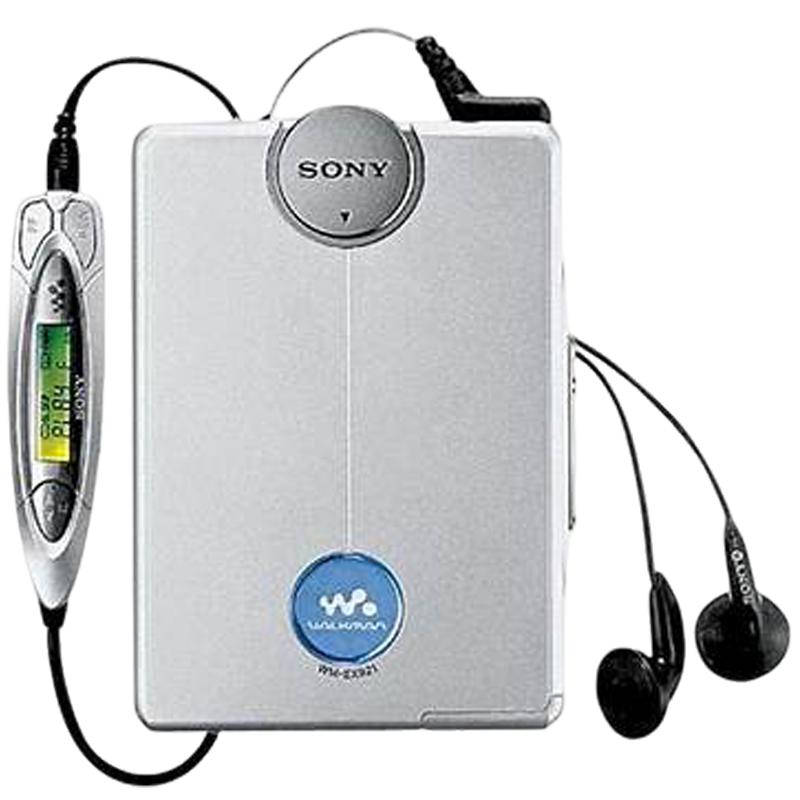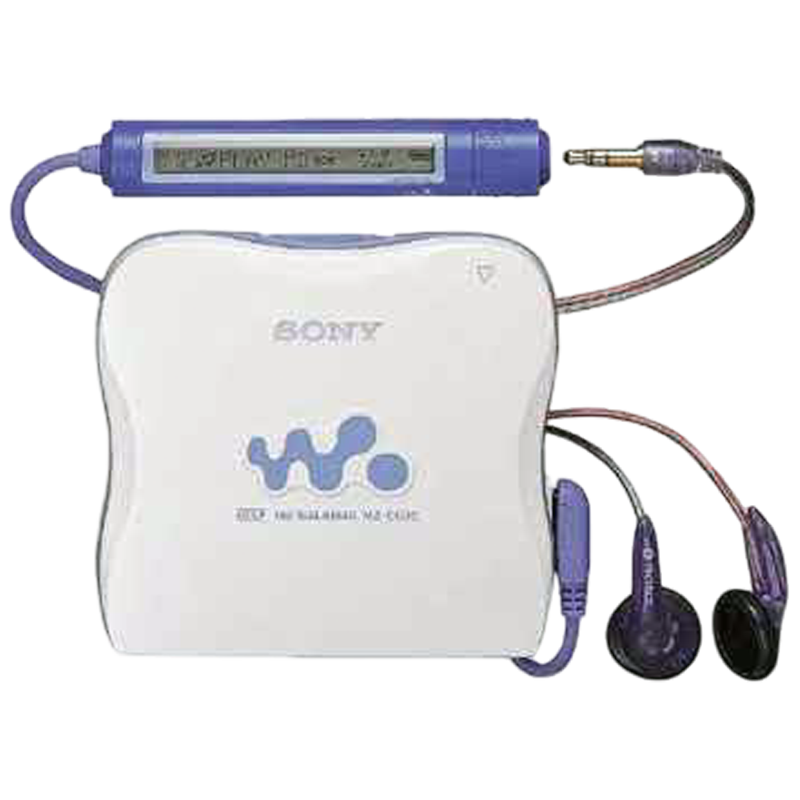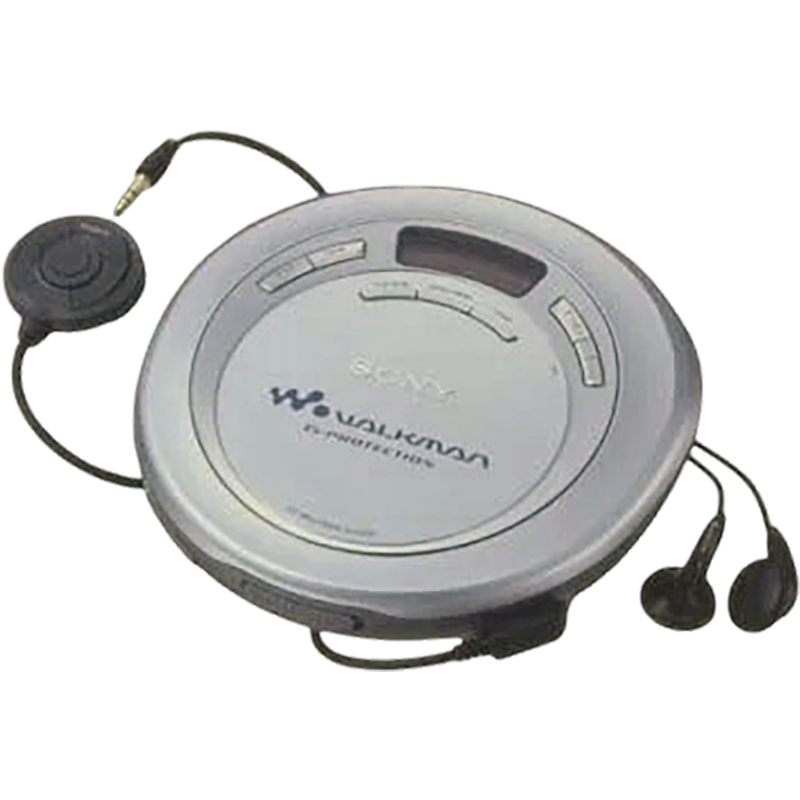
In 2001, storage configurations and software integration were expanded. The constraints regarding the management of large-scale music libraries have become clear.
NW-MS11
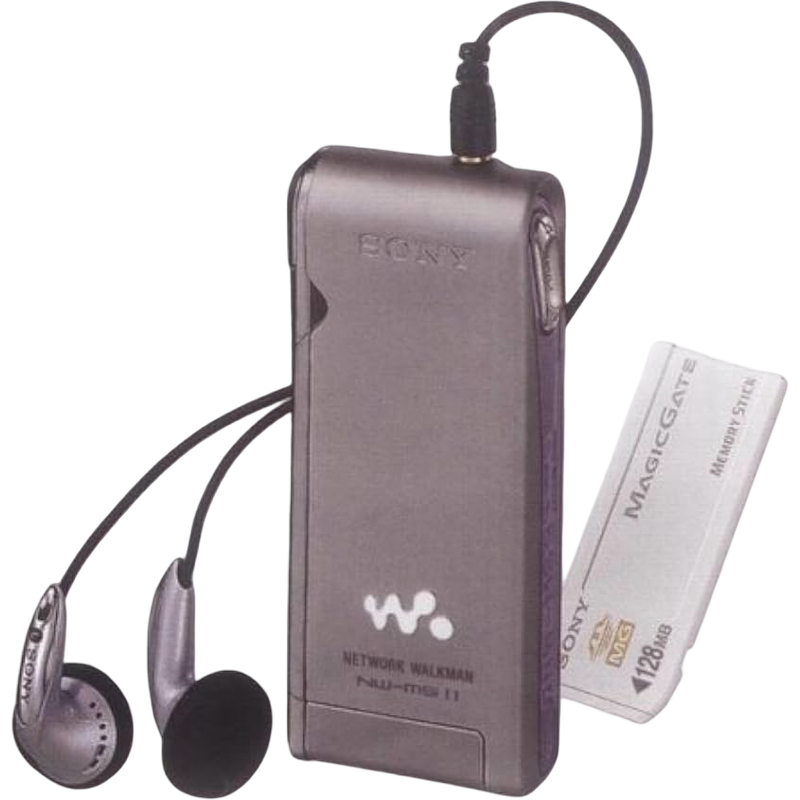
The NW-MS11 belonged to the second-generation Memory Stick Walkman family as a higher-capacity follow-up to the NW-MS7. It offers 128MB storage through a removable Memory Stick and ATRAC playback support via its LCD screen. Like its immediate predecessors, it remained firmly in the pre-flash era of Sony's Memory Stick-based players. The higher-capacity extension of Sony's second-generation Memory Stick Walkman family, released at a time when storage itself still counted as a major selling point. The core idea stayed the same: removable Memory Stick media, ATRAC playback, and a player designed around carrying a curated digital selection instead of a large internal library. This Walkman model still belonged to a period when Sony had not fully committed to integrated flash memory as the obvious future, and is instead continuing to refine a portable audio model built around swappable solid-state media. More polished than the first model, but still clearly from the period before Sony's flash Walkman fully internalized storage.
NW-E8P
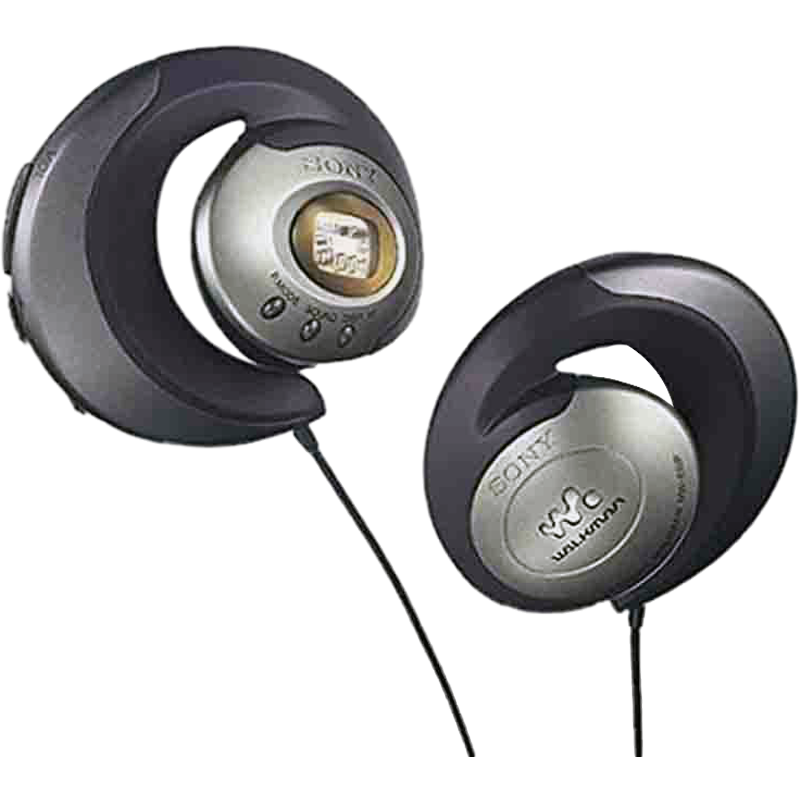
The NW-E8P is an E Series flash Walkman that retained the basic design of the first-generation models in a revised form factor. It offers 64MB built-in storage and ATRAC playback on an LCD display, powered by a single AAA battery for up to five hours. The player maintained the early flash memory approach of the NW-E3 and NW-E5 generation while adopting a different physical design. One of the stranger-looking branches of the early flash era but still fundamentally part of the same first-generation logic that defined Sony's initial self-contained E Series. Underneath the unusual presentation, this was still a compact flash Walkman built around ATRAC playback, compact internal memory, and a sealed device-first approach that moved beyond the earlier Memory Stick models. It shows Sony already understanding the importance of built-in flash storage while still feeling unusually willing to experiment with how the hardware could be shaped and worn. The industrial design is memorable, but the underlying significance is that it was still part of the first true flash pivot. It was a design outlier within an otherwise foundational generation. More eccentric than central, but still part of a very important transition.
NW-S4
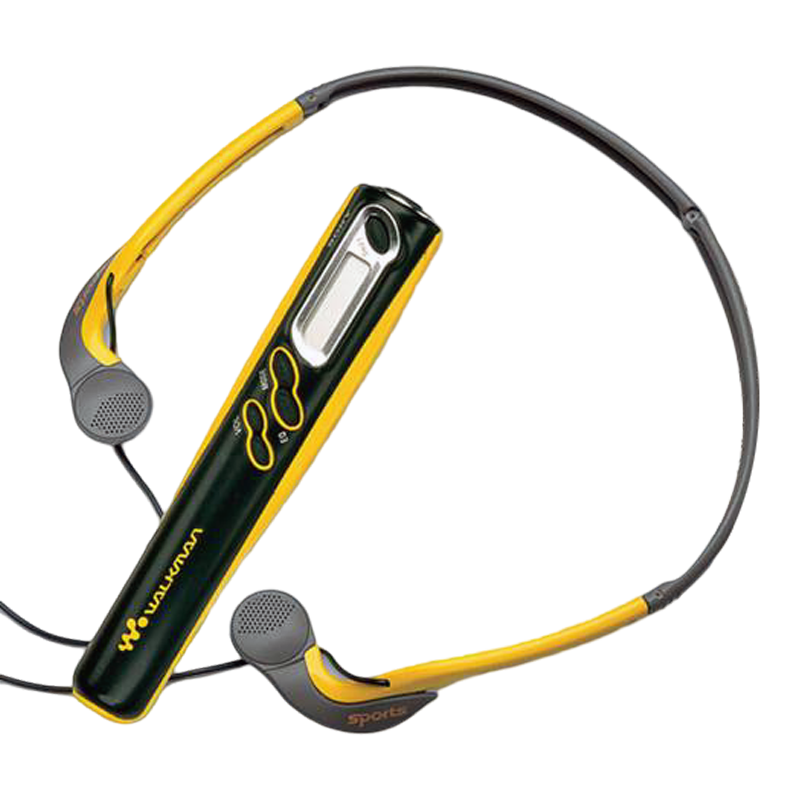
The NW-S4 was the first model in Sony's sports-oriented S Series. It used 64 MB of built-in flash storage for ATRAC3 playback, with a one-line monochrome OLED display and up to 40 hours of use from a single AAA battery. It introduced the S Series as an active-use branch within the early flash Walkman lineup. The change was mostly about use case. Instead of treating every flash Walkman as the same compact digital player, Sony gave this one a clearer role around movement, durability, and long battery life. It was simpler than later S Series models, but it established the idea that a flash Walkman could be shaped around how and where people carried it. That made the S4 the starting point for one of Sony's more flexible Walkman branches. The later S line would become richer and more varied, but this first version set the active-use logic in place.
NW-E7
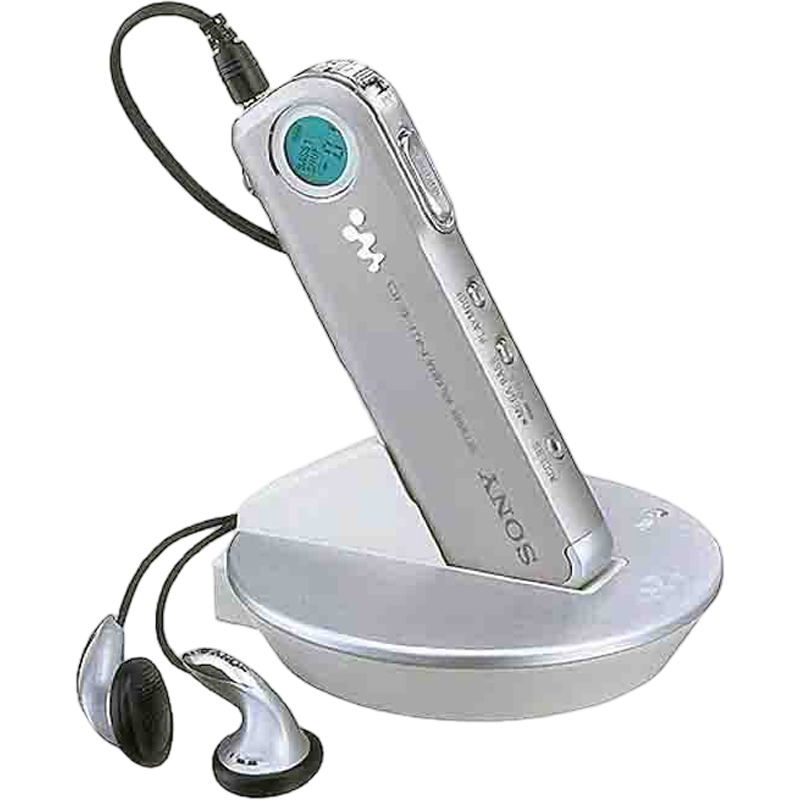
The NW-E7 introduced MP3 support to the E Series flash Walkman line. It provides 64MB built-in storage for both MP3 and ATRAC playback on its LCD display and offers greatly extended battery life of up to 70 hours from a single AAA battery. It shipped with a new USB cradle for transfers. This model and its siblings represented an important step toward broader format compatibility in the flash memory players. This unit is the flash Walkman where Sony finally started loosening its grip a little. It brought MP3 support into a product line that had spent years orbiting ATRAC and Sony's own preferred software workflow. Earlier Network Walkman often felt like they had been built to enforce Sony's ecosystem first and serve the user second. This model still belonged to that world, but it also suggested Sony had started recognizing how people actually wanted to use these things. It is not freedom yet. SonicStage was still very much in the room. But this was part of the points where the flash Walkman stopped feeling quite so doctrinaire.
NW-E10
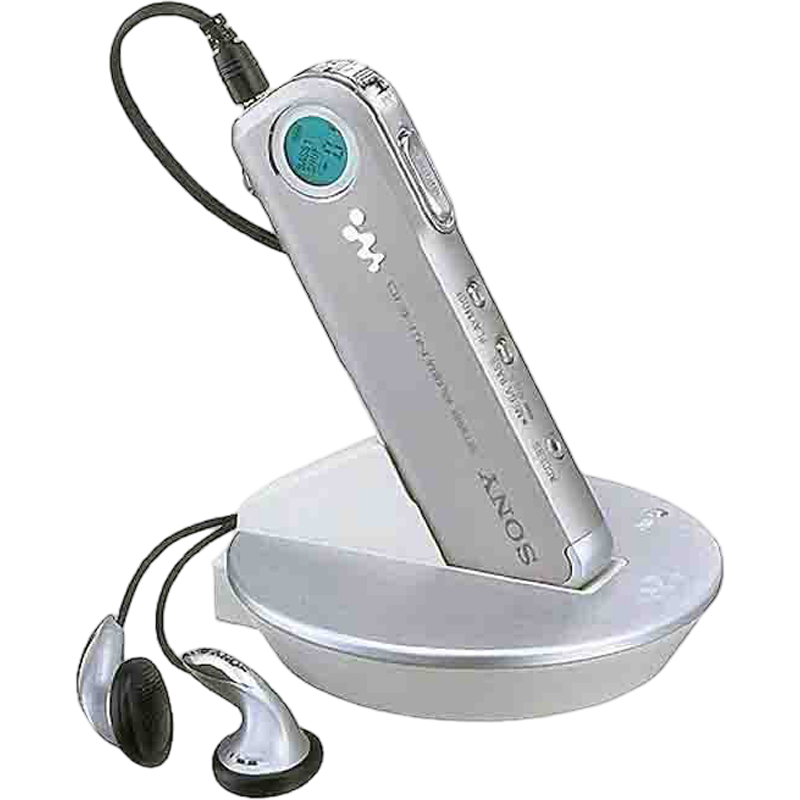
The NW-E10 is a high-capacity Network Walkman part of the MP3-compatible generation. It features 128MB of internal storage and supports ATRAC and MP3 audio playback. It has an LCD display, supports long operating time with a single AA battery, and uses a dedicated USB cradle for transfer.
In 2001, structural challenges in digital music management became clear. This resulted in updated interface and software designs.
More Sony in 2001