
In 2009, the product adopted a structure that emphasized stability and basic performance. The design and interface have been stabilized through long-term improvements.
NWZ-B143F
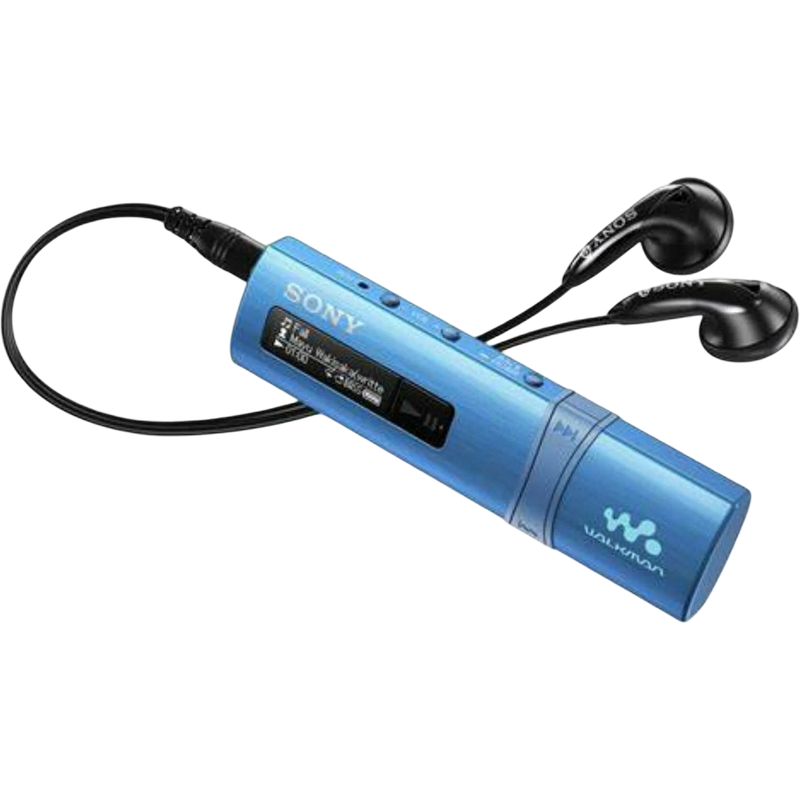
The NWZ-B143F is a compact entry-level model in Sony's B Series Network Walkman lineup. The B Series focused on affordable flash-memory players for basic portable audio use. It offers 4 GB of built-in storage supporting MP3 and WMA playback. Track and playback information appeared on a simple LCD display, with a lithium-ion battery providing up to 18 hours of use. File transfers occurred directly through USB connection. It also includes FM radio with recording capability and ZAPPIN for quick song previewing. This player comes from the point when Sony's budget B Series had become almost aggressively direct. This was a player built around low-friction use: direct USB transfer, FM radio, a compact body, and just enough styling to keep it from feeling anonymous.
NWZ-E443
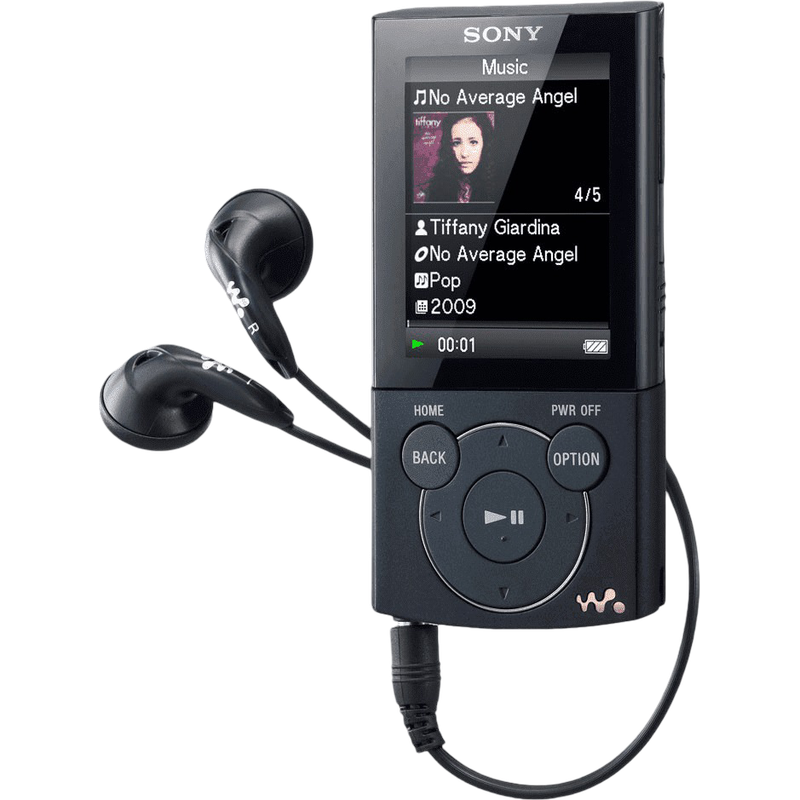
The NWZ-E443 belonged to Sony's E Series of mid-range Network Walkman. This branch combined core audio playback with video and photo capabilities for broader media use. It features 4 GB of flash storage for MP3, AAC, and WMA files. A 240x320 TFT display handled track details along with video and image content. The lithium-ion battery delivers up to 45 hours of audio playback. WM-PORT provides the connection for transfers, and the player includes FM radio. The E443 arrived at a point where the E Series had become one of Sony's most dependable general-purpose Walkman lines. It had enough screen, enough polish, enough codec flexibility, and enough battery life to feel modern without trying to become a premium branch. Sony is not trying to impress anyone here. It is just trying to make a good everyday Walkman.
NWZ-B142
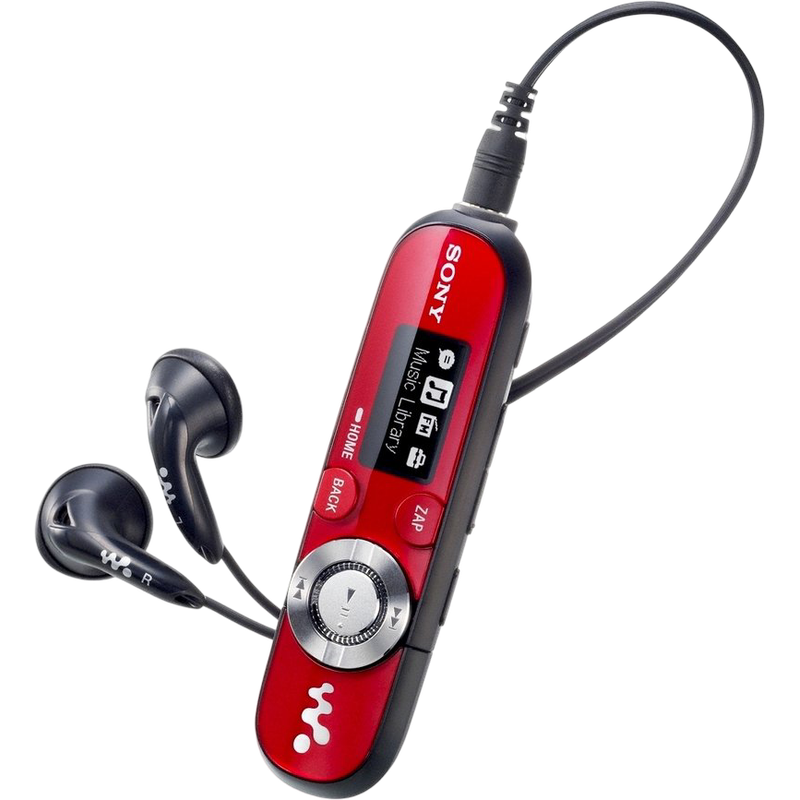
The NWZ-B142 is the most basic entry-level model in Sony's B Series Network Walkman. It targeted simple, no-frills digital music playback in the flash-memory era. It includes 2 GB of built-in storage for MP3 and WMA files. An LCD screen displayed track details, powered by a lithium-ion battery offering 18 hours of use. Direct USB connection handled file transfers, and ZAPPIN enabled quick previews. The B142 is the stripped-down counterpart to the B143F and a very clear example of Sony understanding that the Walkman could still survive at the low end if it stayed simple enough. Direct USB transfer was doing a lot of the work here. So was the refusal to overdesign the experience. It is less of a compact premium object and closer to a useful pocket tool.
NWZ-B142F
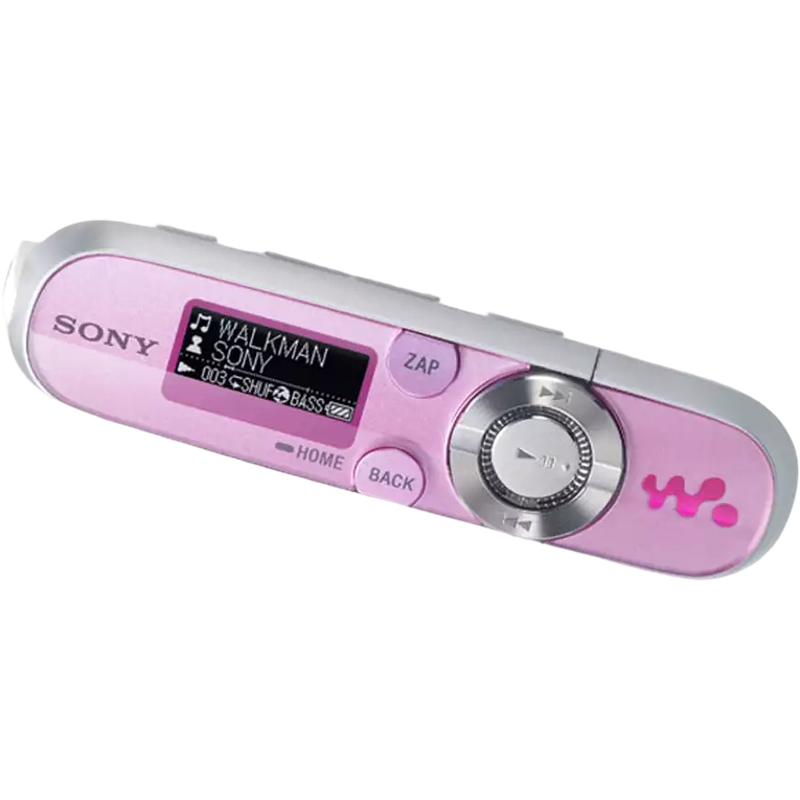
The NWZ-B142F added radio functions to the basic 2 GB B Series Network Walkman design. It stayed within the entry-level branch focused on compact, straightforward audio. Featuring 2 GB flash storage with MP3 and WMA support, it uses an LCD for track information and a lithium-ion battery for 18-hour playback. Direct USB allowed transfers, with FM radio recording and ZAPPIN as extra capabilities. The FM-equipped B142F rounds out that same minimalist budget idea without changing its character. Sony's B Series is never trying to become charming or luxurious. It is trying to stay practical and frictionless, and FM helped with that more than any marketing phrase ever could.
NW-S736FK
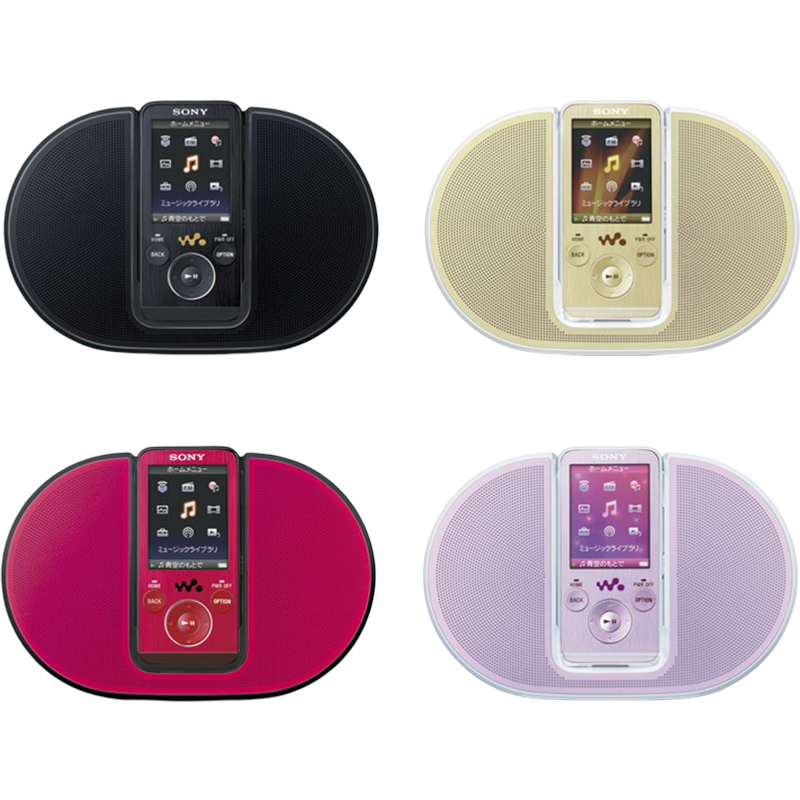
The NW-S736FK belonged to the sixth-generation S Series Network Walkman family and introduced Omakase Channel to the lineup. It unified design language from the prior S730 and S630 models while expanding playlist and external-input options. With 4 GB flash storage it supports MP3, WMA, AAC, and WAV playback plus video, photo, FM radio with recording, noise cancellation, the 240x320 LCD display, 40-hour lithium-ion battery, built-in speaker, Clear Audio Technology, and speaker support. The speaker-equipped S736FK makes more sense once you look at what the S Series had become by then. It had matured into a polished, compact Walkman line that could support accessory-driven retail variations without losing itself. This is less about the speaker dock and more about what it says about the stability of the player underneath.
NW-X1050
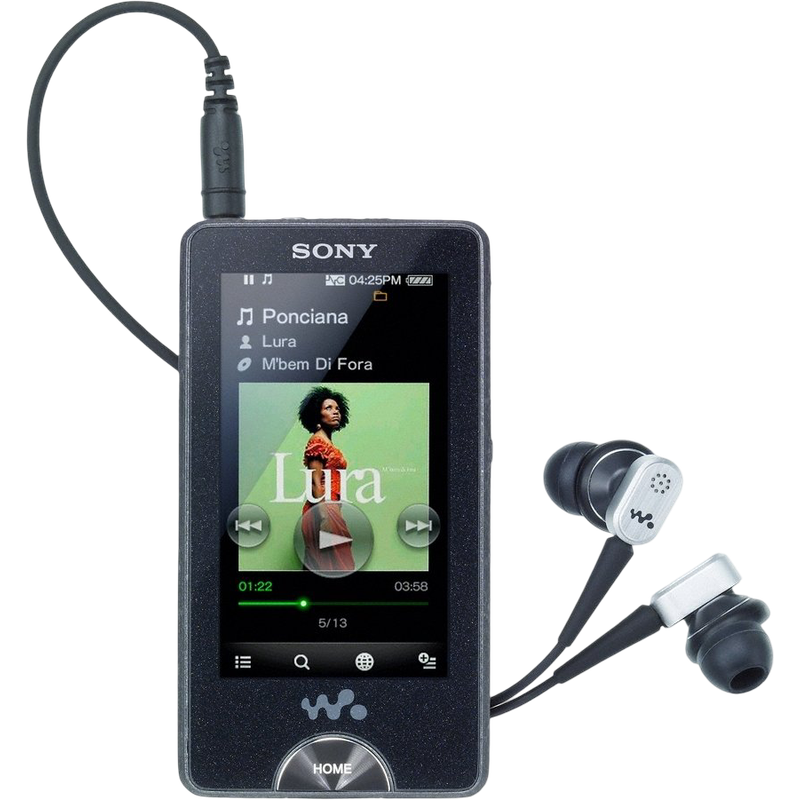
The NW-X1050 is a premium model in Sony's X Series Network Walkman. This high-end branch incorporated advanced display and connectivity features for music, video, and web access. It features 16 GB storage supporting MP3, AAC-LC (non-DRM), WMA (non-DRM), and Linear PCM playback. A WQVGA (432x240) OLED display presented track information with Li-Ion battery life of 33 hours for music or 9 for video. Touchscreen control, Wi-Fi, noise cancellation, direct USB and WM-PORT connections, video and photo playback, S-Master amplifier, DSEE, and various audio processing tools were standard along with OneSeg TV tuner, YouTube app, and NetFront browser. The X1050 is where Sony made one of its boldest attempts to drag the Walkman back into the center of the premium portable conversation. Touchscreen, OLED, noise cancellation, Wi-Fi, a browser, and a much more modern visual identity gave the X Series a very different energy from the button-driven A and S models around it. This is the point when Sony stopped merely refining the classic flash Walkman and started asking whether the premium Walkman needed to become something else entirely.
NW-X1060
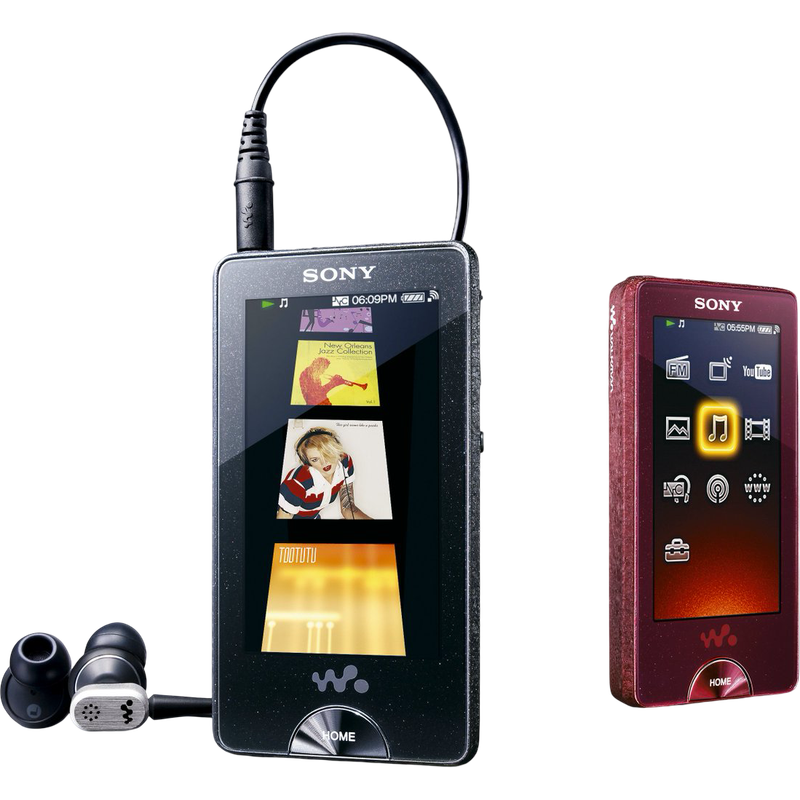
The NW-X1060 was the top model in the 2009 X Series Network Walkman lineup. It paired 32 GB of storage with the premium branch's touchscreen, Wi-Fi, WQVGA OLED display, noise cancellation, direct USB, WM-PORT, video and photo playback, S-Master amplifier, DSEE, OneSeg TV, YouTube, and podcast support. It played MP3, AAC-LC, WMA, and Linear PCM files, with battery life rated for 33 hours of music or 9 hours of video. The higher capacity made the X Series ambition easier to understand. This was Sony trying to build a premium touch-based portable that could stand near the devices already absorbing the media-player category. The X1060 still behaved like a dedicated Walkman, but its Wi-Fi, video, web services, and OLED screen pushed it toward a broader pocket media role. It sits at a tense moment in Sony's transition. The old music-first formula was still present, but the product clearly had to answer a market shaped by touch interfaces and connected playback.
NWD-W202
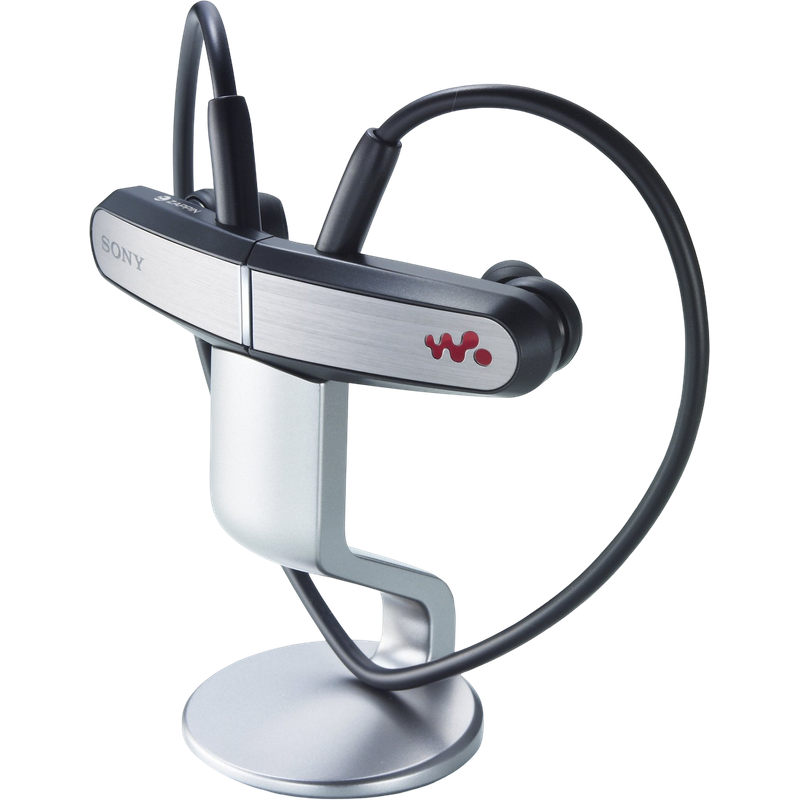
The NWD-W202 belonged to Sony's W Series of clip-on style Network Walkman. These models emphasized lightweight, wearable design for active use. It offers 2 GB flash storage with MP3, AAC, and WMA support. A lithium-ion battery provides 11 hours of playback, and ZAPPIN enabled quick track previews. The compact form focused on simple music playback without additional display or multimedia features. The W202 is part of the most radical departures in the entire Network Walkman lineage because it rethinks the player as something you wear instead of something you carry. The storage is tiny, the controls were minimal, and the hardware all but disappeared into the act of listening itself. Sony is clearly trying to remove as much "device" from the Walkman as possible here, and that is what makes it memorable.
NW-E042
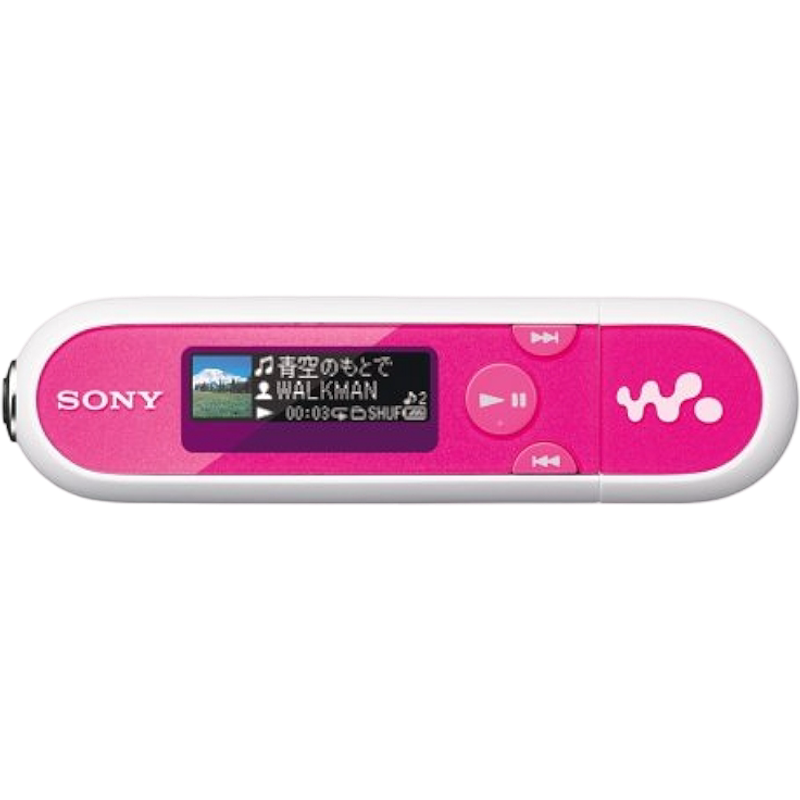
The NW-E042 is effectively the final model in Sony's tenth-generation E Series Network Walkman to use the Virtual Mobile Engine. It continued the detachable Style-Up Panel concept with a more rounded body redesign. With 2 GB storage supporting MP3, WMA, and AAC playback, it relied on a lithium-ion battery for 30 hours of use. This model belonged to the same late E philosophy as the E053 and E063 generations but in a slightly more reduced and transitional form. Sony had already started stripping away the old software-era baggage, and the result was a player that felt lighter in every sense: simpler to use, easier to understand, and less burdened by format politics. The E line was calming down here.
NWZ-X1050
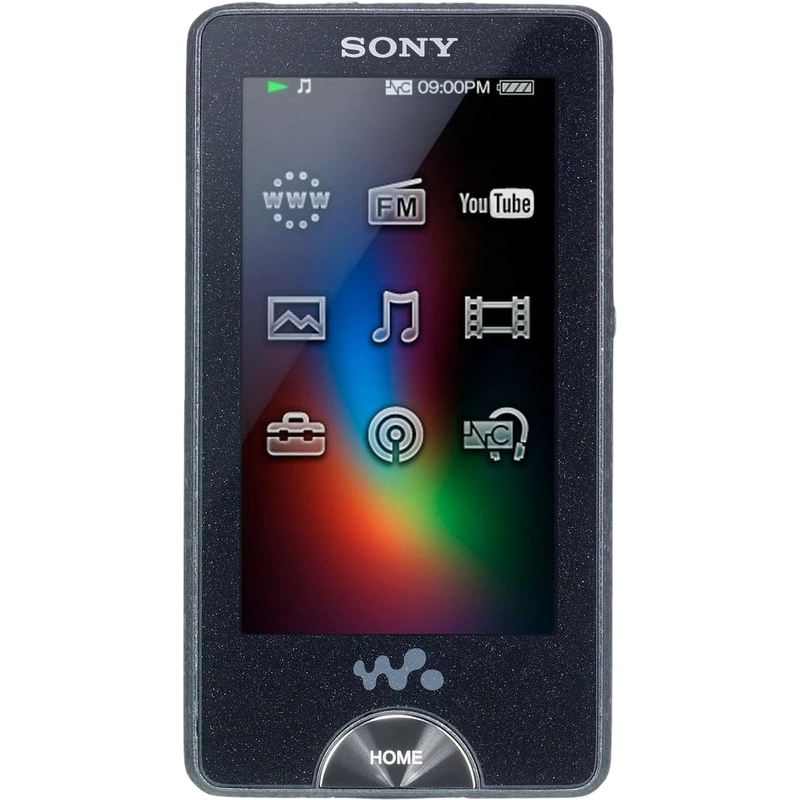
The NWZ-X1050 is a premium X Series Network Walkman focused on high-resolution audio and connectivity. It carries forward the series' advanced display and feature set in the 2009 refresh. It includes 16 GB storage for MP3, AAC-LC (non-DRM), WMA (non-DRM), and Linear PCM files. The WQVGA OLED display, Li-Ion battery with 33/9-hour life, touchscreen, Wi-Fi, noise cancellation, direct USB, WM-PORT, video/photo playback, S-Master amplifier, and DSEE defined its operation, along with OneSeg TV and browser apps. The globally branded counterpart to the X1050 carries the same bigger significance: this was Sony making one of its clearest attempts to turn the Walkman into a modern touchscreen premium object instead of a refined continuation of the older flash hierarchy. You can feel the company trying to future-proof the category in real time here, even if the answer was still a little unresolved.
NWZ-S544
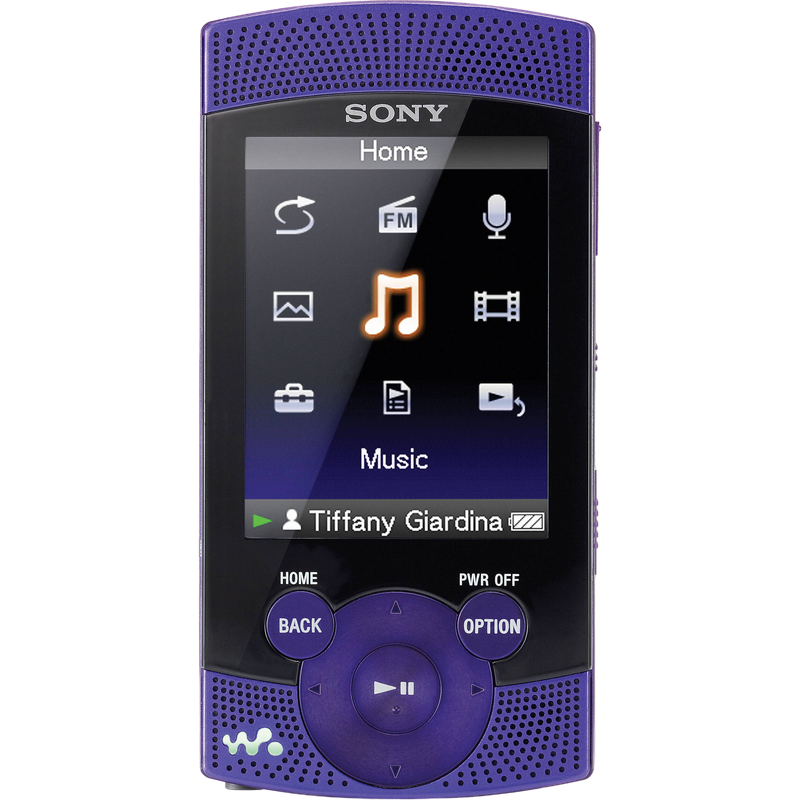
The NWZ-S544 is part of the later 2009 S Series Network Walkman. It emphasized balanced multimedia performance with Clear Audio and DSEE processing. With 8 GB flash storage supporting MP3, WMA, AAC, and WAV playback, it includes video and photo functions. A 240x320 TFT display showed content, and the lithium-ion battery delivers 42 hours of audio. WM-PORT handled connections, with FM radio, recording, and built-in speaker includes. This unit comes from the point when Sony let the S Series get bigger, louder, and more visibly consumer-electronics-coded than it had been before. The larger display, integrated speakers, video playback, and heavier body all move it away from the older private listening device idea and toward something closer to a self-contained pocket media gadget. The built-in speakers especially make that clear.
NWZ-S754
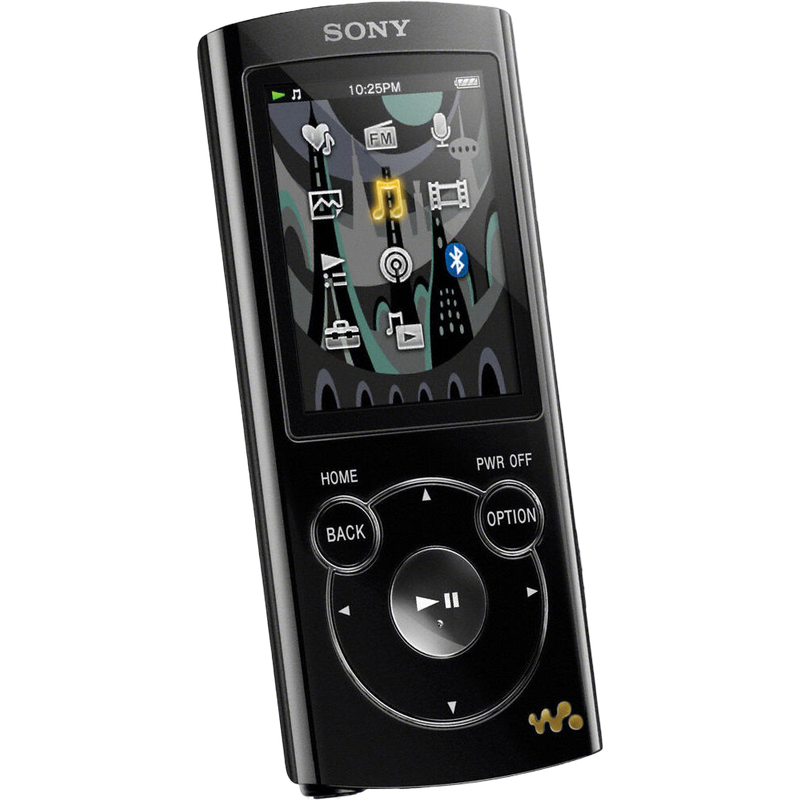
The NWZ-S754 belonged to the higher-tier 2009 S Series Network Walkman. It streamlined features around core audio and video playback without certain extras found in lower models. Equipped with 8 GB storage supporting MP3, WMA, AAC, and WAV files, it handled video and photo content. A TFT display managed information, and the lithium-ion battery provides 42 hours. WM-PORT connection supports transfers, with Clear Audio and DSEE processing. This model is part of the next phase of the S Series, where Sony trimmed back some of the bulk and theatricality of the S544 era and made the line feel sleeker again. The result is a player that still carries the richer late-S identity, but in a form that feels more personal and less of a tiny media gadget trying to do a little of everything.
NWZ-S756
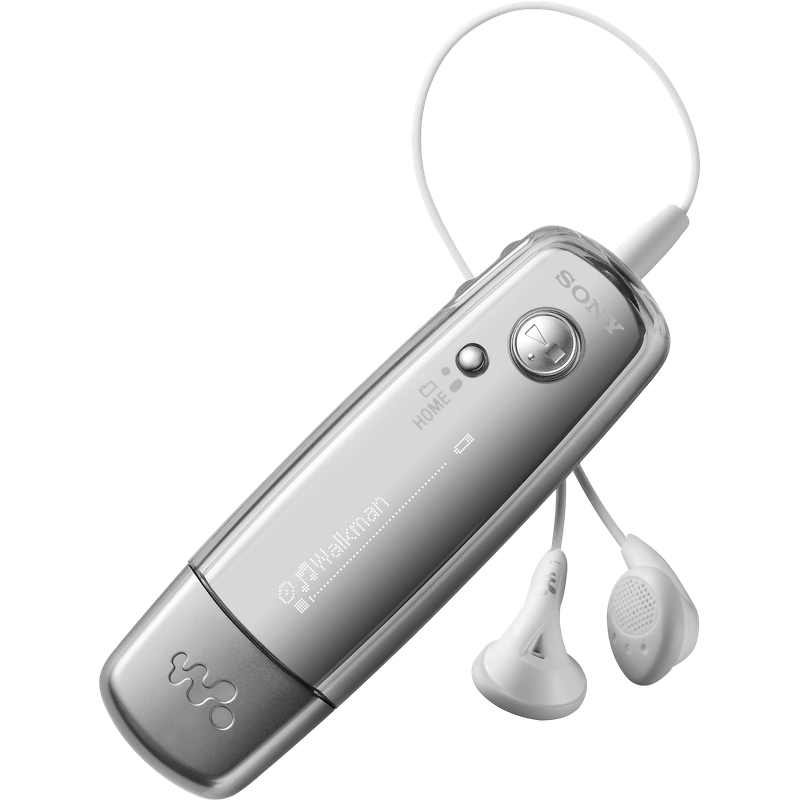
The NWZ-S756 topped the higher-tier 2009 S Series with maximum storage. It represented the largest flash-based option in this segment of the lineup. It offers 32 GB storage supporting MP3, WMA, AAC, and WAV files along with video and photo playback. The TFT display and 42-hour lithium-ion battery paired with WM-PORT, Clear Audio, and DSEE for operation. The S756 caps that same cleaner late-S generation and gives the branch its fullest version before wireless and smartphone pressure started reshaping it again. It still carries the same polished, personal, slightly lifestyle-coded identity, but with enough storage to make it feel less of a compact compromise and closer to a complete dedicated player.
NW-S644/PI
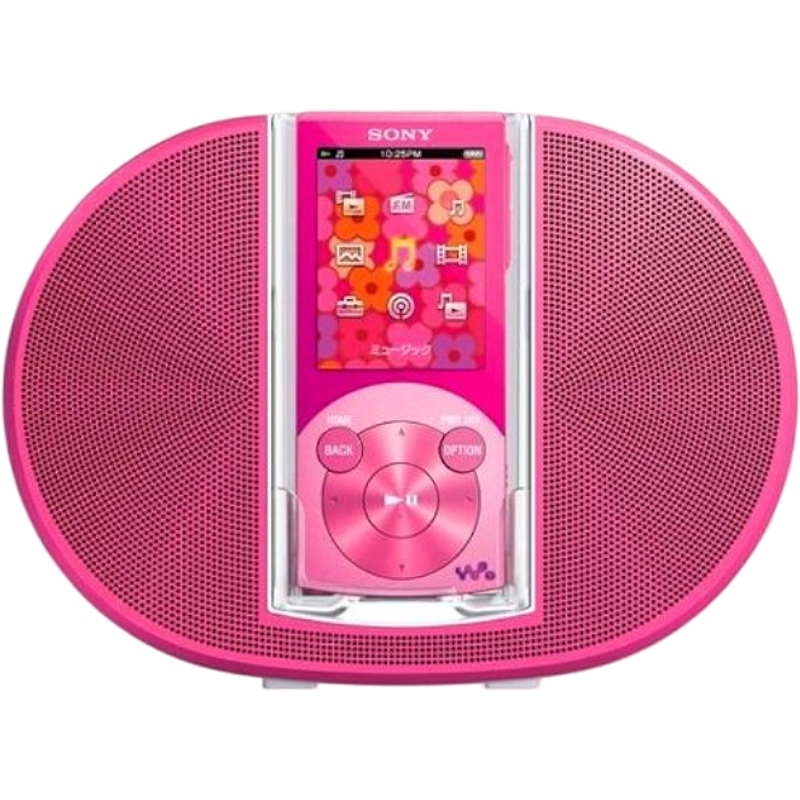
The NW-S644/PI is a color variant of the seventh-generation S Series Network Walkman. It carries the same first-in-series 32 GB flash memory support and x-app integration with 8 GB storage for MP3, WMA, AAC, and WAV files, video and photo playback, the 240x320 TFT display, 42-hour lithium-ion battery, WM-PORT, Clear Audio, DSEE, Lyric Pita, and x-app. This player carries the same broader role as the base model: the S Series during its more extroverted, speaker-equipped late-2000s phase. The suffix changes the presentation, not the role.
NW-S645K
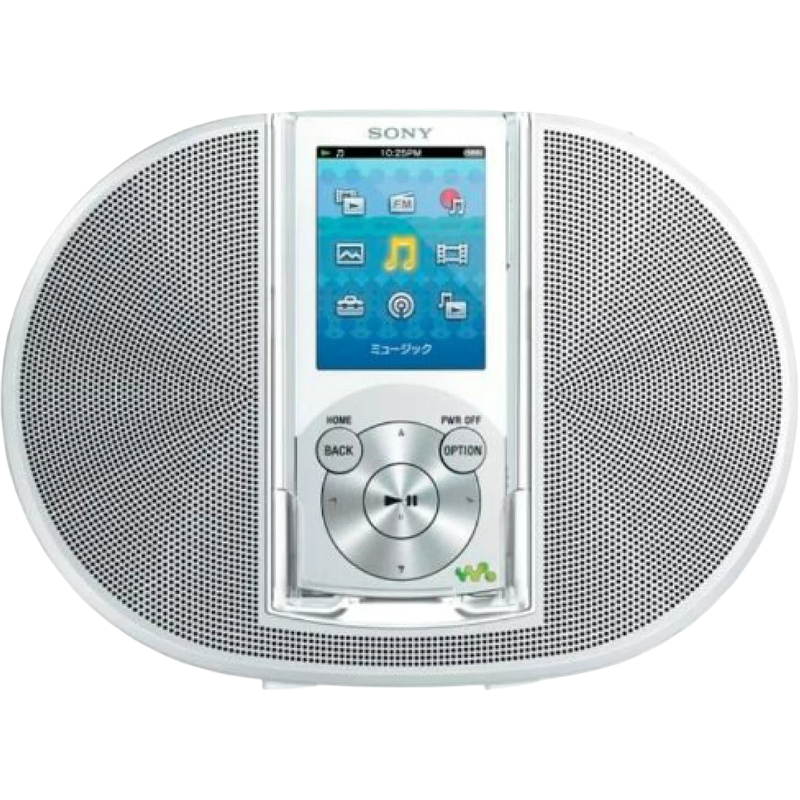
The NW-S645K is the speaker-equipped 16 GB model in the seventh-generation S Series Network Walkman. It carries the new x-app software and expanded integration. It features 16 GB flash storage supporting MP3, WMA, AAC, and WAV playback, video and photo viewing, the 240x320 TFT display, 42-hour battery, WM-PORT, Clear Audio, DSEE, Lyric Pita, x-app, and built-in speaker. This Walkman model was another example of Sony extending a stable late-S platform into retail-friendly variants without needing to touch the core identity. This is part of the phase where the S Series was broadening its appeal without fully losing its focus.
NW-S746
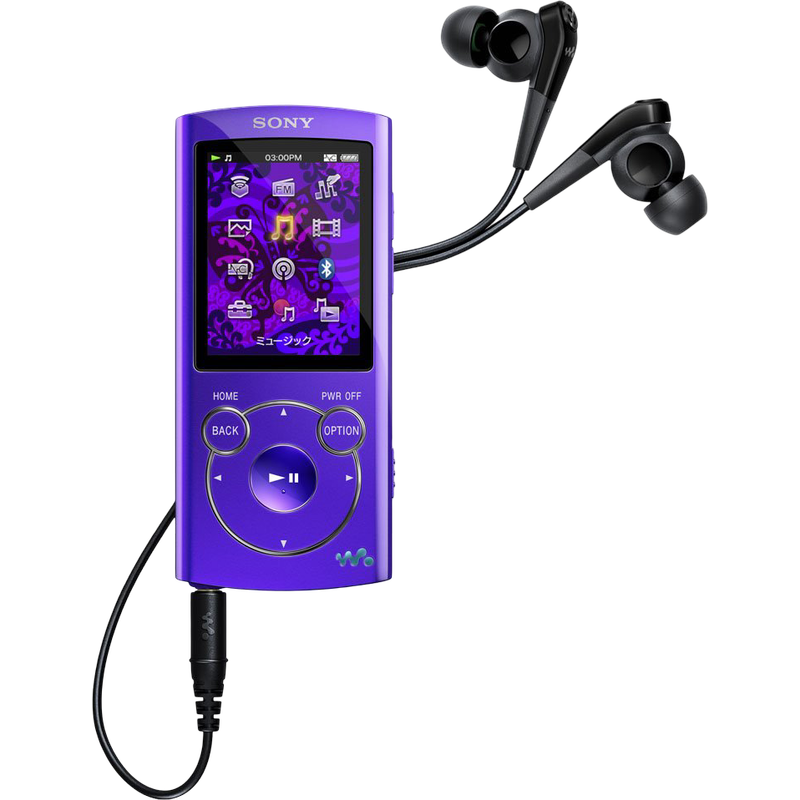
The NW-S746 provides the maximum 32 GB capacity in the seventh-generation S Series Network Walkman. It marked the arrival of x-app features and 32 GB flash memory in the line. With 32 GB storage for MP3, WMA, AAC, and WAV files, video and photo playback, it features the 240x320 TFT display and 42-hour lithium-ion battery along with WM-PORT, Clear Audio, DSEE, Lyric Pita, and x-app. This unit gives that same cleaner late-S generation a little more room to breathe and probably represents the fullest version of the line before wireless and app-era expectations started changing the category around it. The identity is still the same: sleek, compact, polished, and clearly more lifestyle-aware than the older S branches. Sony is not experimenting anymore here; it is just executing well.
NWZ-A728
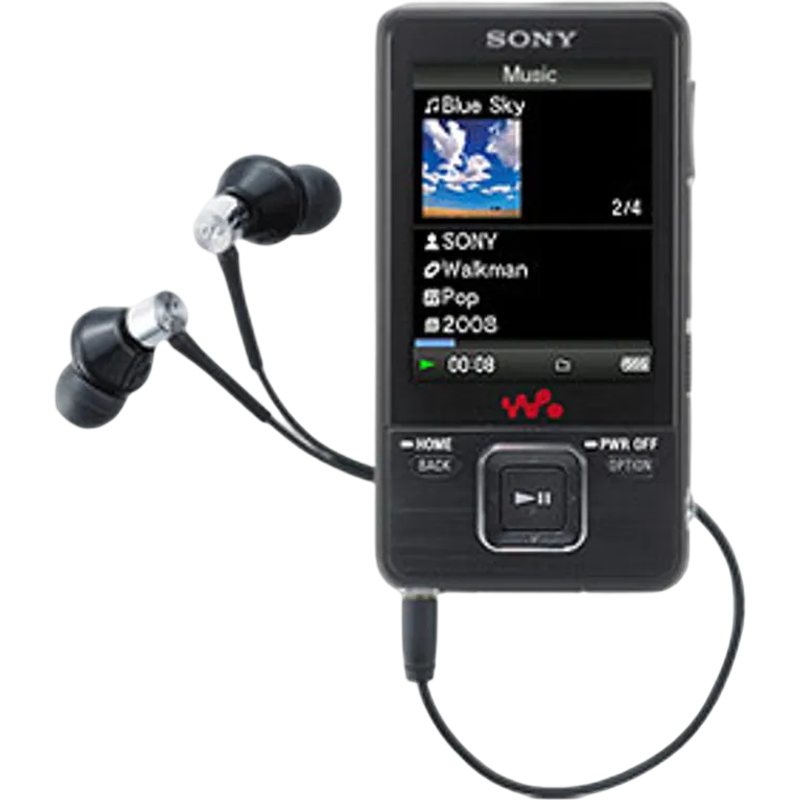
The NWZ-A728 provides mid-range storage in the 2009 A Series Network Walkman lineup. It maintained the family's focus on video and photo alongside multi-format audio. With 8 GB storage for MP3, WMA, AAC, and ATRAC files, it supports video and photo playback. The lithium-ion battery offers 36 hours of operation. The A728 is the version of this generation where the proportions feel most natural. It has enough room to feel properly premium without tipping into excess, and it carries the same broad late-A identity in a very readable way: cleaner design, stronger media role, and a more polished sense of hierarchy within Sony's lineup.
NW-A845
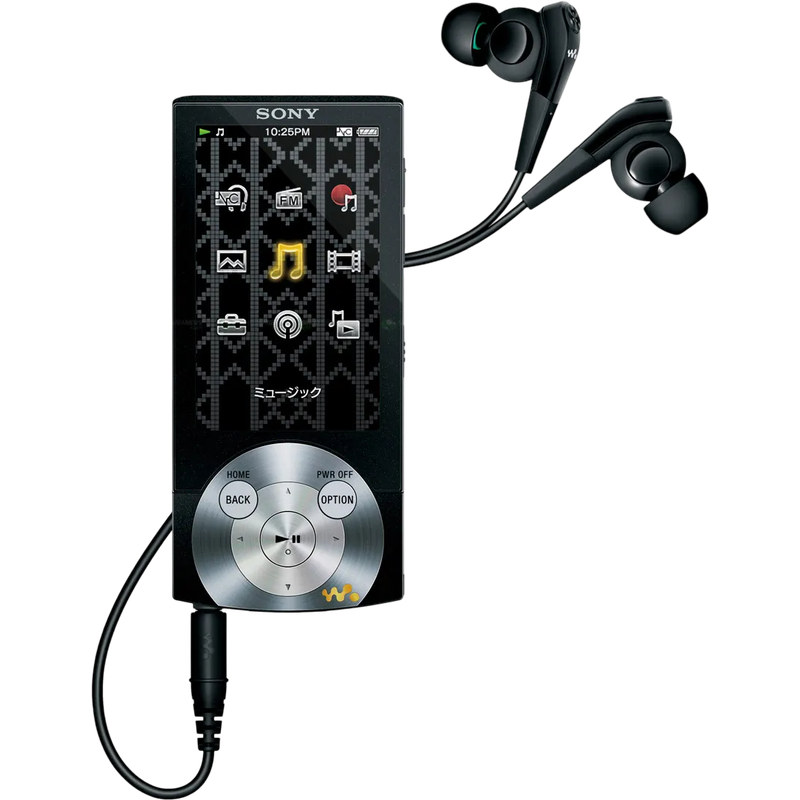
The NW-A845 is part of the fifth-generation A Series Network Walkman family. It was the first Network Walkman family to reach 64 GB flash memory and brought a redesign influenced by the X1000 series around music and video playback. With 16 GB storage supporting ATRAC, MP3, WMA, and AAC files, it uses an OLED display and lithium-ion battery for 36 hours of playback. Features includes FM radio, noise cancellation, video and photo playback, S-Master amplifier, Lyric Pita, and x-app. This is where the A Series becomes noticeably more elegant. Compared to the earlier late-2000s A models, the generation feels thinner, more minimal, and much more in tune with the industrial-design language Sony was using across its higher-end personal electronics around 2009 and 2010. The A Series was no longer simply trying to be the nicer Walkman; it was trying to feel genuinely refined.
NW-A846
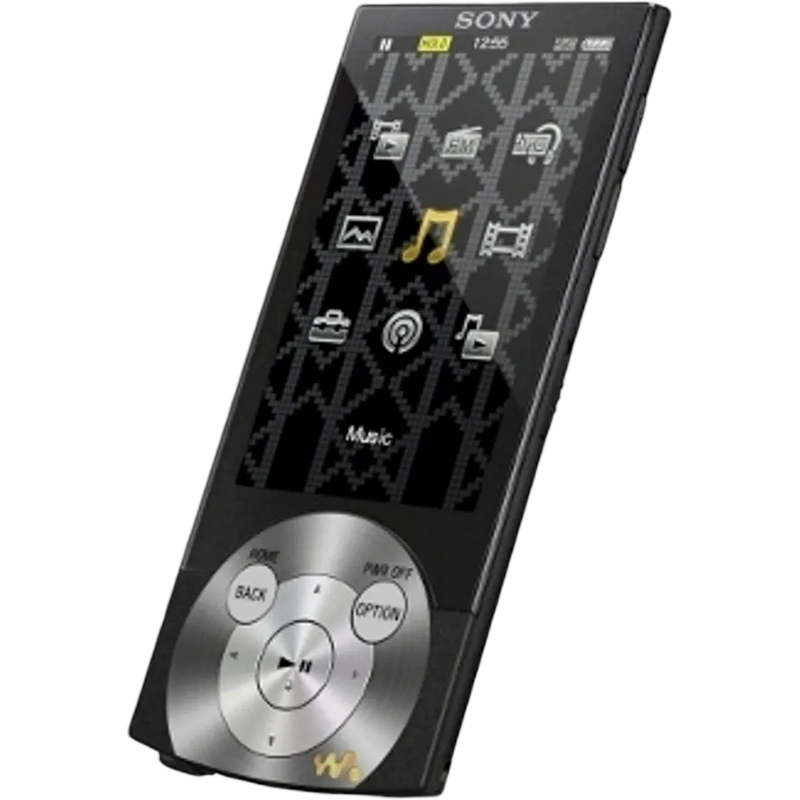
The NW-A846 extended the fifth-generation A Series redesign to 32 GB. It adopted the X1000-influenced approach to music and video with 64 GB flash memory capability across the family. It offers 32 GB storage for ATRAC, MP3, WMA, and AAC playback along with the OLED display, 36-hour lithium-ion battery, FM radio, noise cancellation, video and photo functions, S-Master amplifier, Lyric Pita, and x-app. The A846 is the version of the A840 family where the idea really clicks. It keeps the same thinner, more design-led premium identity but gives it enough storage to feel less of a minimalist statement and closer to a proper flagship compact player. Sony had finally found a premium A-series form that felt restrained, contemporary, and not overworked.
NW-A847
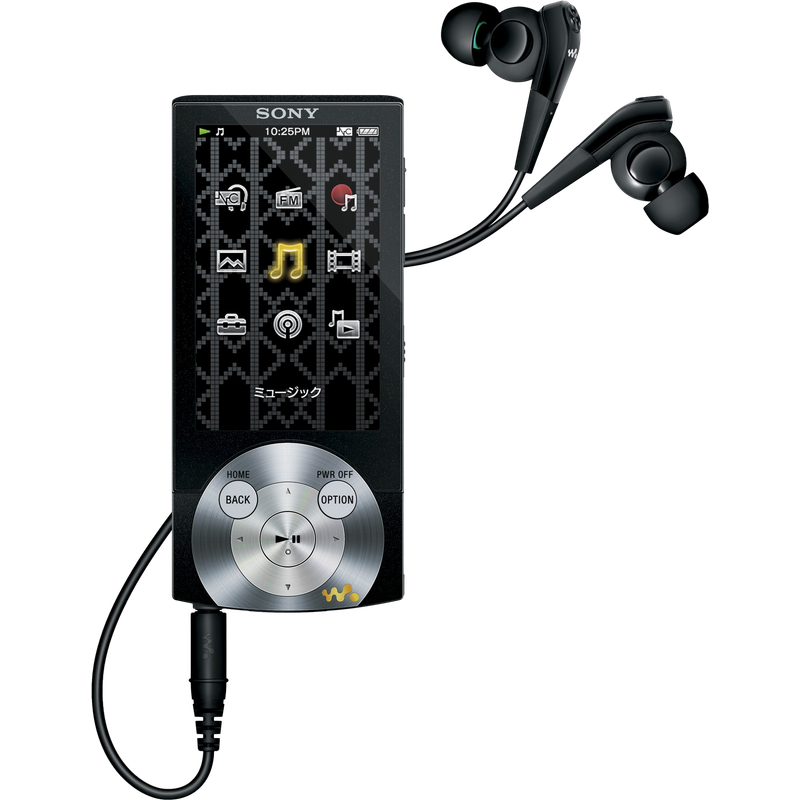
The NW-A847 delivers the flagship 64 GB capacity in the fifth-generation A Series Network Walkman. It completed the family's shift toward X1000-style redesign and full flash-memory scaling. Featuring 64 GB storage supporting ATRAC, MP3, WMA, and AAC files, it includes an OLED display, 36-hour lithium-ion battery, FM radio, noise cancellation, video and photo playback, S-Master amplifier, Lyric Pita, and x-app. The A847 is the fullest version of that same sleek A840 idea and probably the strongest statement Sony made with the late non-touchscreen A Series before the branch shifted again. Here the design and storage finally feel fully aligned. It does not feel like a prototype or a compromise between categories; it is Sony knew exactly what kind of premium Walkman it wanted to make here.
NW-A847/V
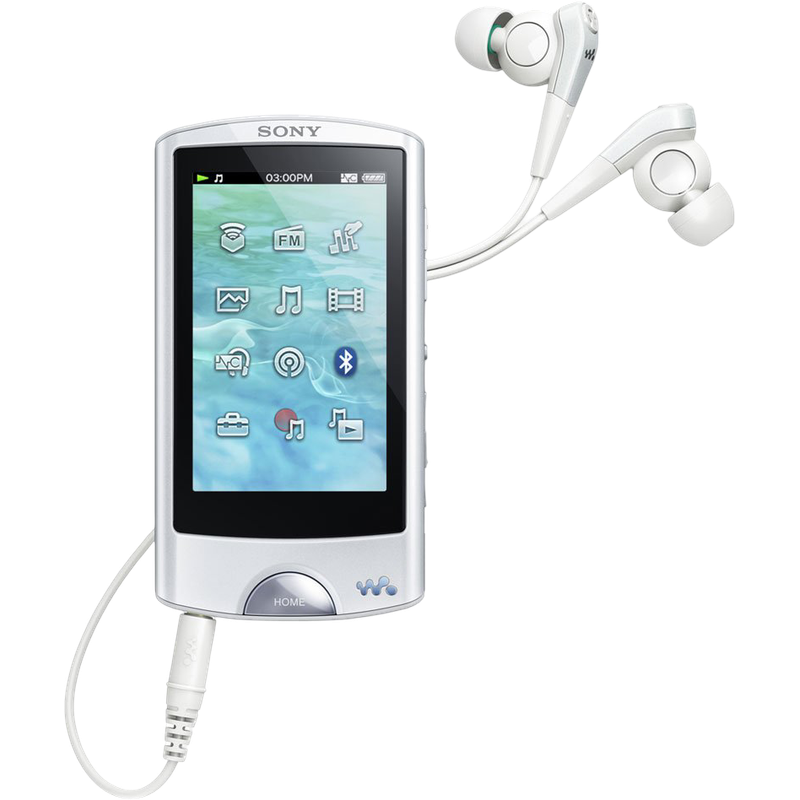
The NW-A847/V is a color variant of the 64 GB flagship in the fifth-generation A Series. It retained the complete redesign and high-capacity positioning with 64 GB storage for ATRAC, MP3, WMA, and AAC playback, the OLED display, 36-hour lithium-ion battery, FM radio, noise cancellation, video and photo support, S-Master, Lyric Pita, and x-app. This Walkman model carries the same larger meaning as the base A847: the A Series at one of its most elegant late flash peaks. The suffix changes the presentation, not the purpose.
NWZ-A844
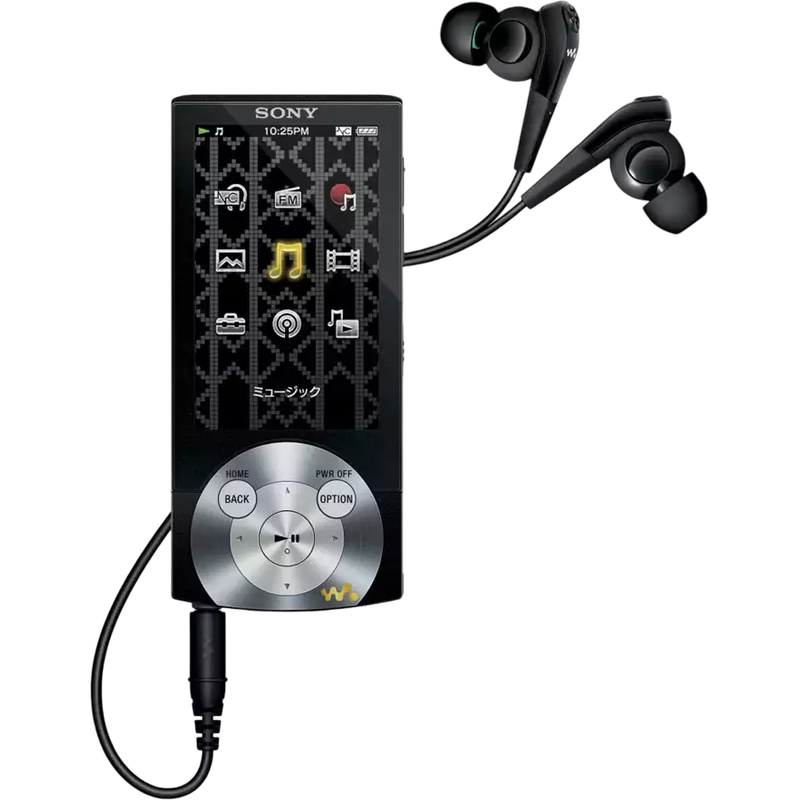
The NWZ-A844 is an 8 GB model in Sony's 2009 A Series Network Walkman. It supports the family's video-oriented design with ATRAC compatibility. With 8 GB storage for MP3, WMA, AAC, and ATRAC files plus video and photo playback, it uses a lithium-ion battery rated for 36 hours. The globally branded counterpart to the A845 generation carries the same broader significance: Sony making the A Series feel more refined, more minimal, and less cluttered than it had in the late 2000s. This is where the line starts to feel genuinely sophisticated instead of merely premium by hierarchy.
NWZ-A845
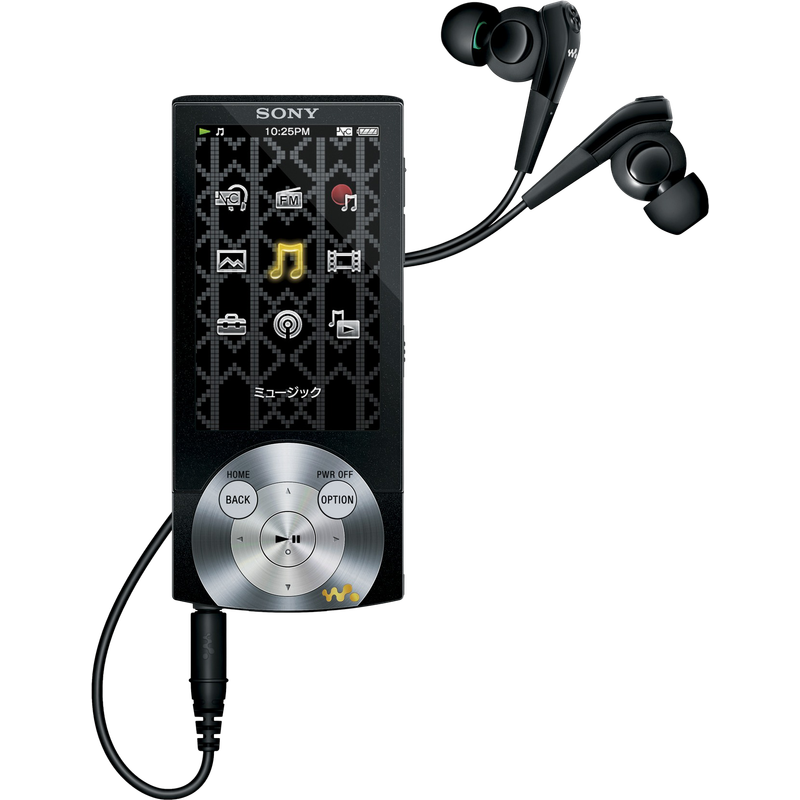
The NWZ-A845 offers 16 GB capacity within the 2009 A Series lineup. It aligned with the family's multimedia focus and ATRAC support. It features 16 GB storage supporting MP3, WMA, AAC, and ATRAC playback along with video and photo functions. The lithium-ion battery provides 36 hours of use. This player is part of the clearest expressions of that same design tightening. The line is still media-capable and still clearly above the S and E families, but it now feels lighter, cleaner, and more mature than the earlier A generations that were still carrying a bit too much visual and conceptual weight.
NWZ-A846
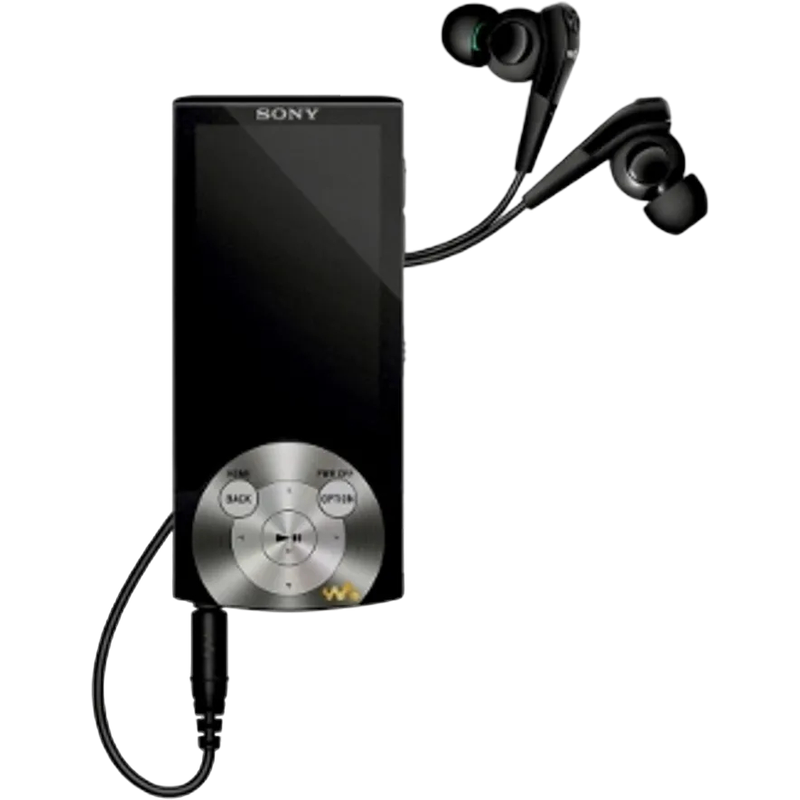
The NWZ-A846 provides 32 GB storage in the 2009 A Series Network Walkman. It continued the series' emphasis on video playback and multi-format audio. With 32 GB flash memory for MP3, WMA, AAC, and ATRAC files plus video and photo, it relied on a lithium-ion battery for 36 hours. The A846 keeps that same elegant premium A-series identity and gives it the capacity and breathing room that make the generation feel complete. Sony has stopped trying to prove the A Series can be premium and has simply started behaving like it knows it already is.
NWZ-E344
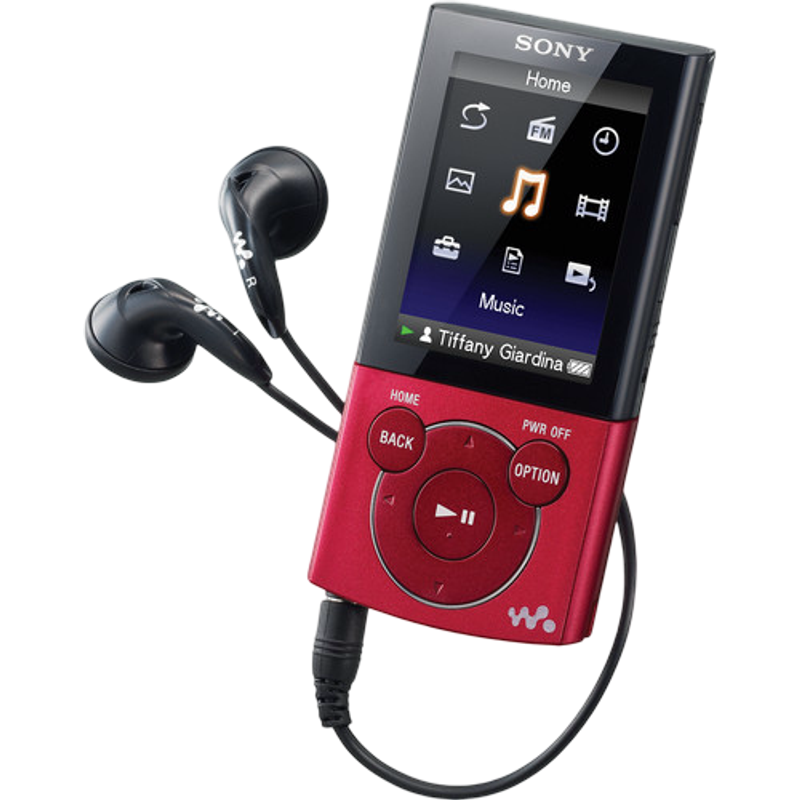
The NWZ-E344 increased capacity in the late 2009 E Series Network Walkman group. It maintained the series' video-capable flash design. It features 8 GB storage for MP3, WMA, AAC, and WAV files plus video and photo playback. The 240x320 TFT display and 30-hour lithium-ion battery supports FM radio functionality. The E344 is the version of this stripped-back E generation where the balance feels right. It keeps the same simple, low-maintenance identity, but with just enough extra room to feel more comfortable as an everyday player.
NWZ-E345
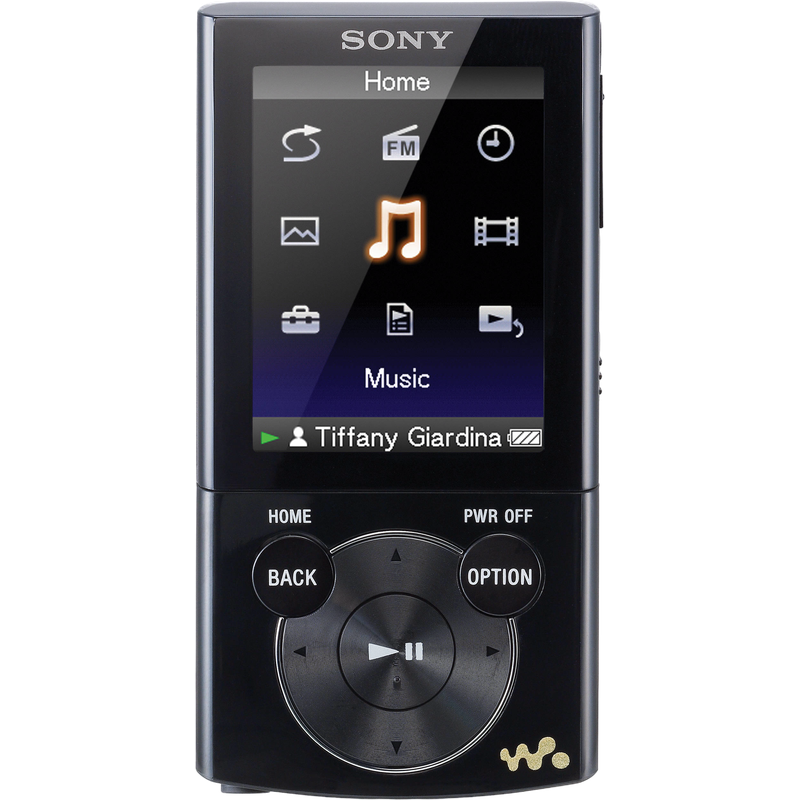
The NWZ-E345 offers the largest storage in the late 2009 E Series lineup. It extended the multimedia capabilities of the family. With 16 GB flash memory supporting MP3, WMA, AAC, and WAV playback, video, and photo, it uses a 240x320 TFT display and lithium-ion battery for 30 hours, including FM radio. The E345 caps that same late E family and gives the branch its fullest version before Sony kept refining the same low-friction formula into the 2010s. It still carries the same stripped-down, readable identity, but here it feels a little more complete and a little less obviously entry-level.
In 2009, the initial development structure of the Network Walkman was completed. This structure has made it possible to adapt to the next market environment.