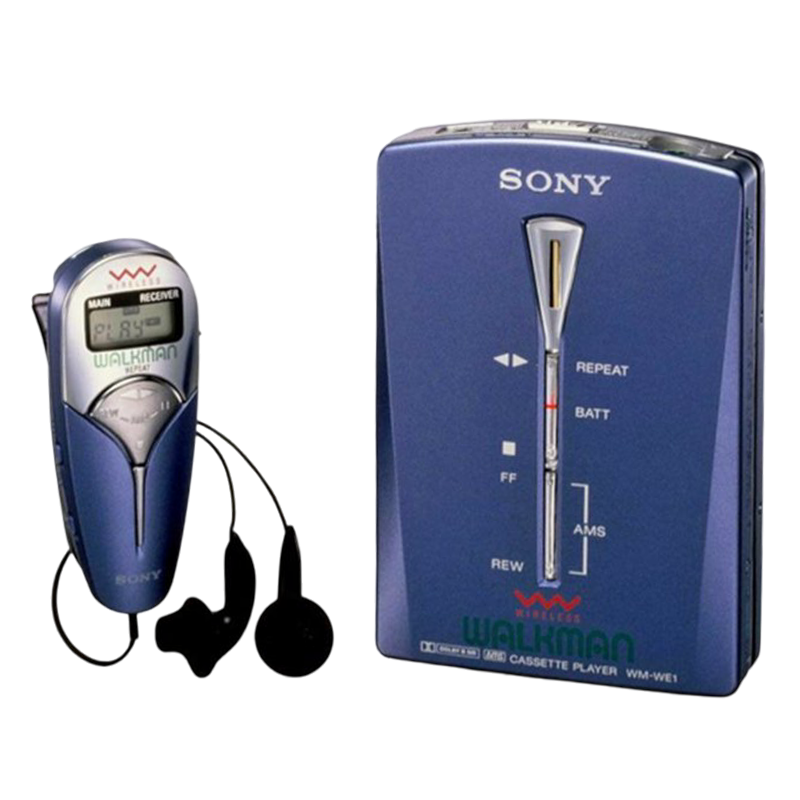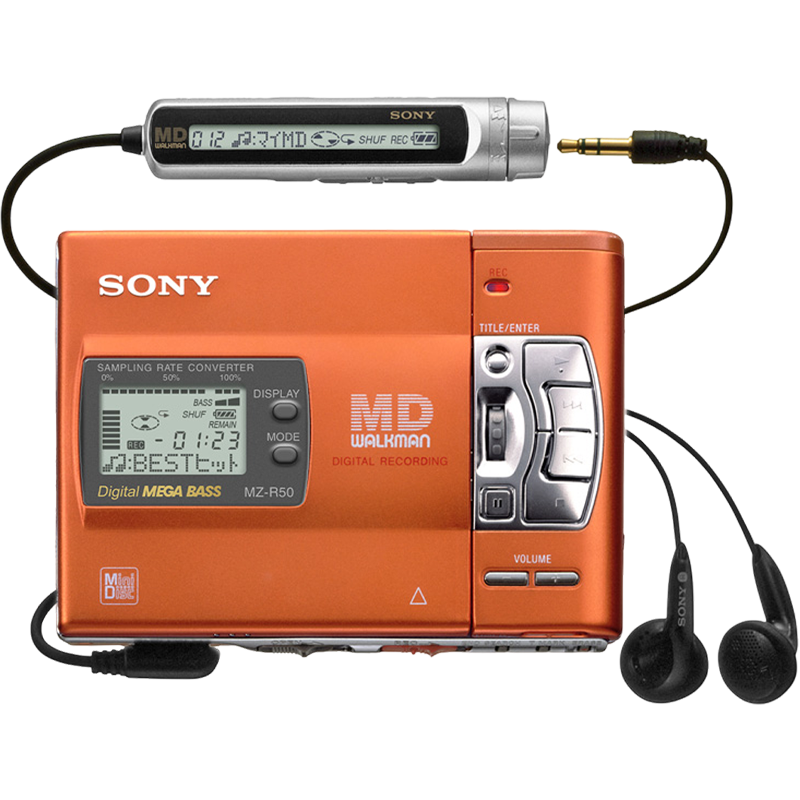
By 1997, Sony was maintaining steady gains in usability and efficiency while file-based players were beginning to attract more attention. The year’s models kept Discman polished and viable without chasing every new trend.
D-E305
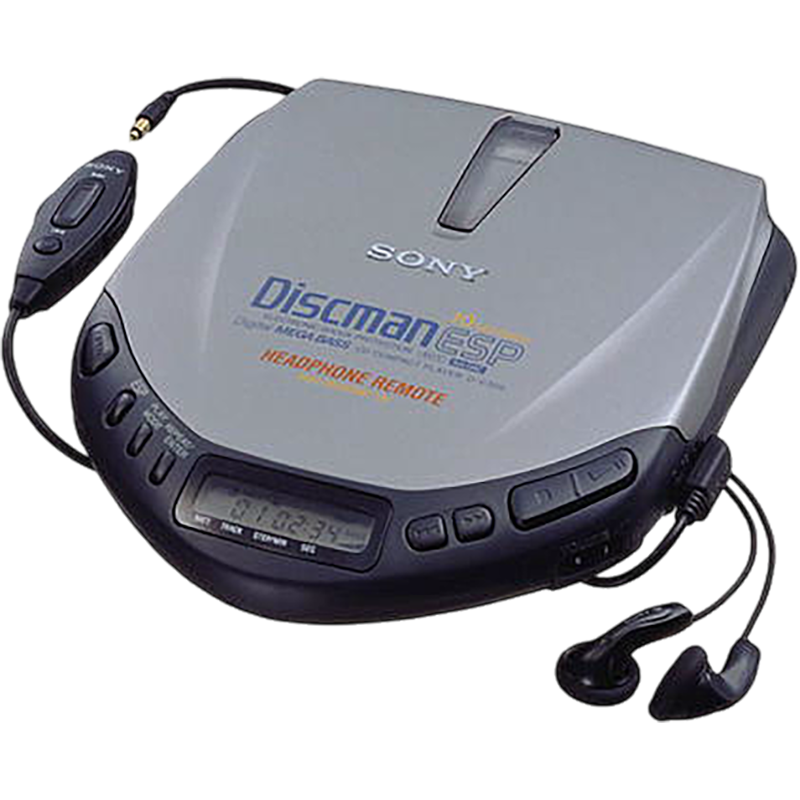
The D-E305 sat right on the edge of the visual and branding shift away from the older Discman identity, while still carrying ESP, Mega Bass, and AVLS in a body that already felt lighter and more lifestyle-oriented. It behaved like a solid late-period portable CD player, but the styling had clearly started moving away from the more mechanical character that defined the earlier years. That is what makes it useful as a reference point. The D-E305 is part of the transitional moment where the Discman was still recognizably itself, but the CD Walkman-era personality was already starting to take over. You can feel the handoff happening here.
D-E500
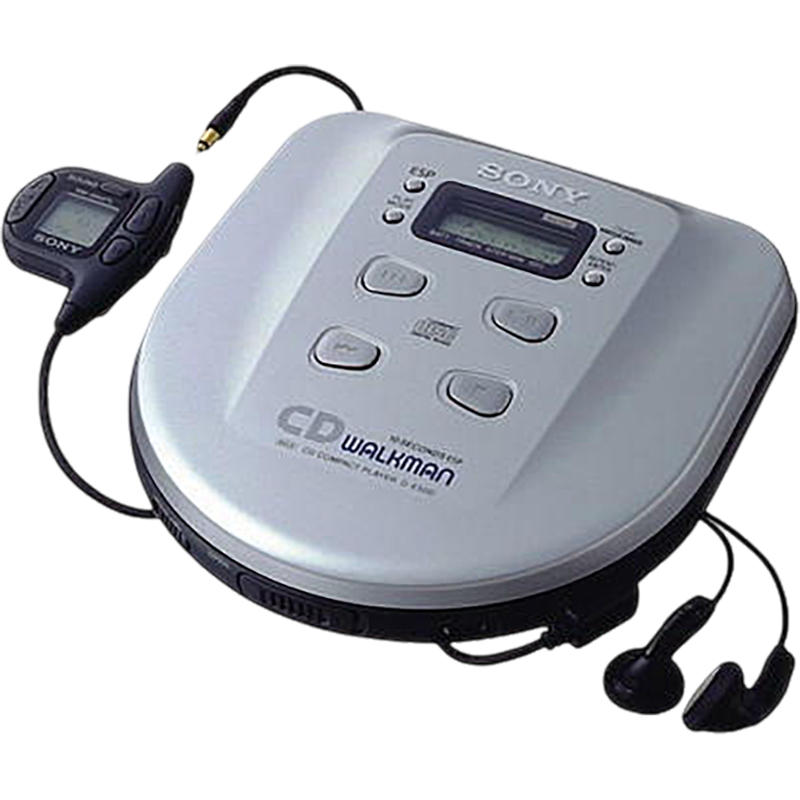
The D-E500 marked one of the clearest early expressions of the CD Walkman-era design language, even if the Discman badge still lingered in some markets. Cleaner ergonomics and a more modern body gave it less of the mechanical heaviness that older players carried, while the core hardware had already settled into a calm and predictable form. By this stage, portable CD was no longer trying to impress in the same way it had earlier in the decade. The D-E500 belongs to that quieter phase where the format had already arrived and was beginning to soften around the edges just before its broader cultural position started to weaken. That timing was part of its character.
D-T405
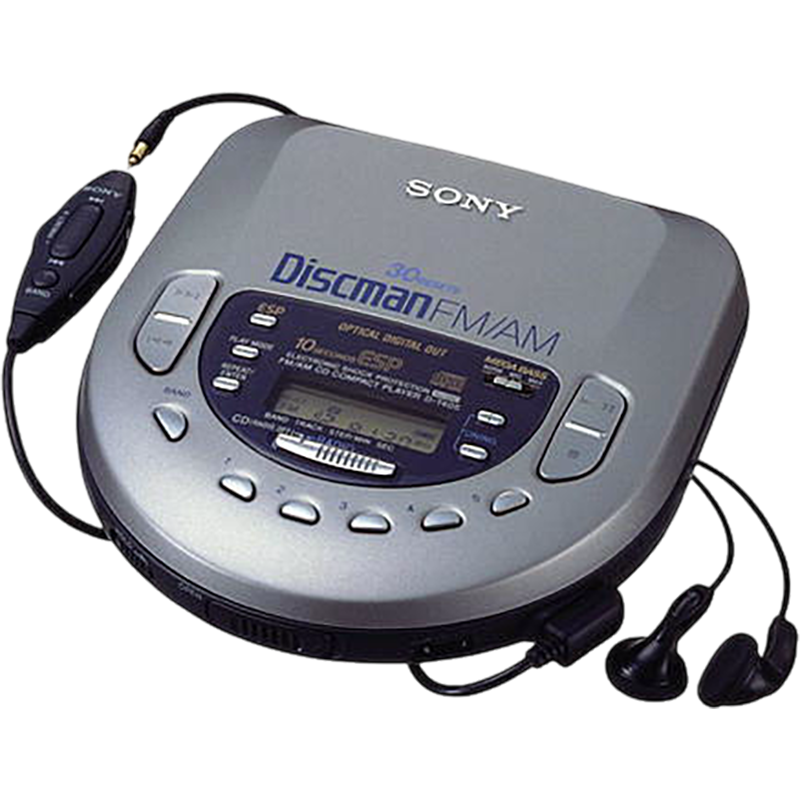
The D-T405 wrapped up the tuner-equipped branch in a very late-period form, combining ESP buffering and a compact late-generation body with built-in FM radio focused almost entirely on convenience. It was not trying to reinvent the hybrid idea, just deliver one more sensible version of it once the basic formula had already been refined. That makes it a fitting late model. The D-T405 is part of the end of the tuner Discman line not because it does anything radical, but because it no longer needed to. It simply carries the branch to its natural conclusion.
1997 helped Discman defend its place as a trusted digital portable. The lineup carried itself smoothly into its closing chapter, but the format’s rigidities were becoming harder to ignore.