
Greater attention went to sound fidelity and targeted features while the broader market consolidated around smartphones. Designs reflected a growing confidence that dedicated players still had a distinct role for serious listeners.
NWZ-B163F
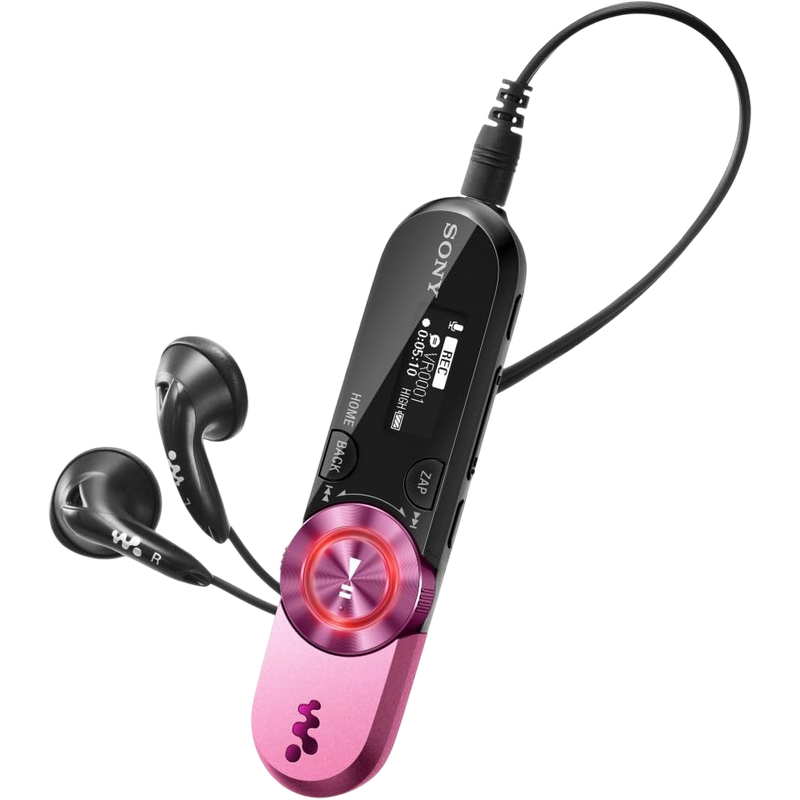
The NWZ-B163F continued as an entry-level model in Sony's B Series Network Walkman. The series maintained its focus on basic compact audio playback. It offers 4 GB flash storage for MP3 and WMA files. An LCD display showed track information, with lithium-ion battery life of 18 hours. Direct USB connection, FM radio with recording, and ZAPPIN were included. This unit sits in the later phase of the budget B line, but this generation has a bit more visual sharpness than earlier versions. The core idea is unchanged. Direct USB transfer, FM radio, and low-maintenance use are still doing most of the work. Sony gives the design just enough presence to avoid feeling anonymous.
NWZ-E463
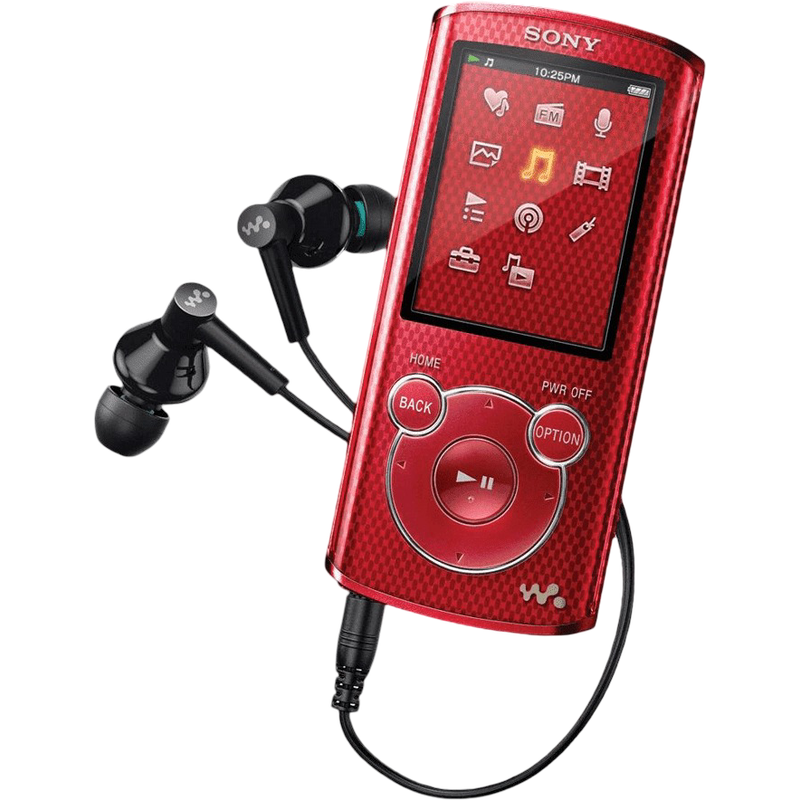
The NWZ-E463 is part of Sony's continuing E Series Network Walkman. It carries forward the multimedia and audio-processing features from prior years. With 4 GB storage supporting MP3, WMA, AAC, and WAV playback plus video and photo, it uses a 240x320 TFT display and lithium-ion battery for 50 hours. FM radio and WM-PORT were standard, with DSEE, Omakase Channel, and Lyric Pita. The E463 comes from one of the strongest late E generations, where Sony had already settled what the line was supposed to be. Earlier versions of the E Series often drifted between identities, but by then the direction is clear: compact, low-friction, and modest without feeling unfinished. This model benefits from that clarity.
NWZ-E464
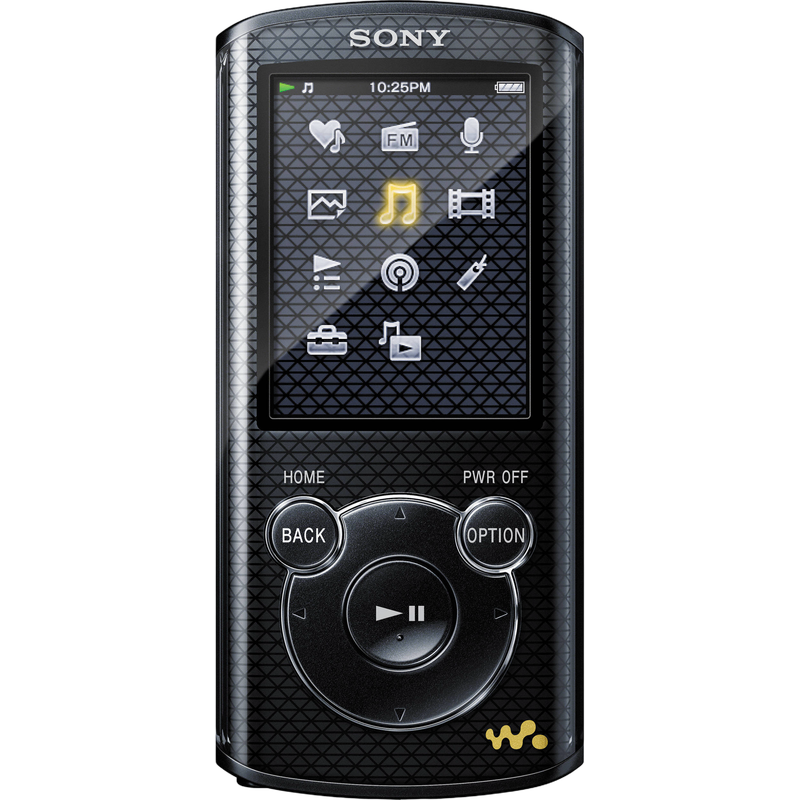
The NWZ-E464 offers 8 GB capacity in the 2011 E Series Network Walkman lineup. It extended the series' established multimedia and processing capabilities. Equipped with 8 GB flash storage supporting MP3, WMA, AAC, and WAV playback plus video and photo, it includes a 240x320 TFT display, 50-hour lithium-ion battery, FM radio, and WM-PORT with DSEE, Omakase Channel, and Lyric Pita. The E464 is where this generation feels most balanced. It gives the line a bit more space, which helps it feel less constrained while keeping the same low-friction identity intact. Sony had spent years either overworking entry-level players or leaving them underdeveloped. The E464 lands in a better place.
NWZ-B162
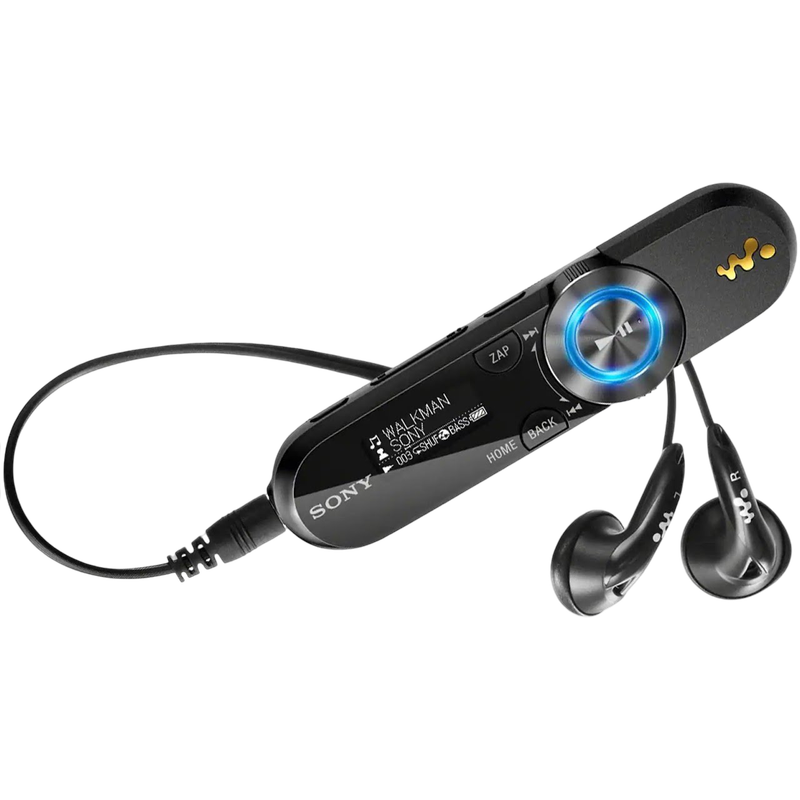
The NWZ-B162 is the basic 2 GB entry-level B Series Network Walkman. It focused on straightforward flash audio without radio features. It provides 2 GB storage for MP3 and WMA playback. An LCD display and lithium-ion battery for 18 hours supports direct USB transfers and ZAPPIN previews. The B162 keeps the late B-series philosophy intact, but with a slightly sharper design than earlier models. It is still built around simplicity: direct transfer, compact size, and minimal setup. What changes is how it presents itself. There is just enough shape and identity to keep it from feeling generic, without adding anything that would slow it down.
NWZ-B163
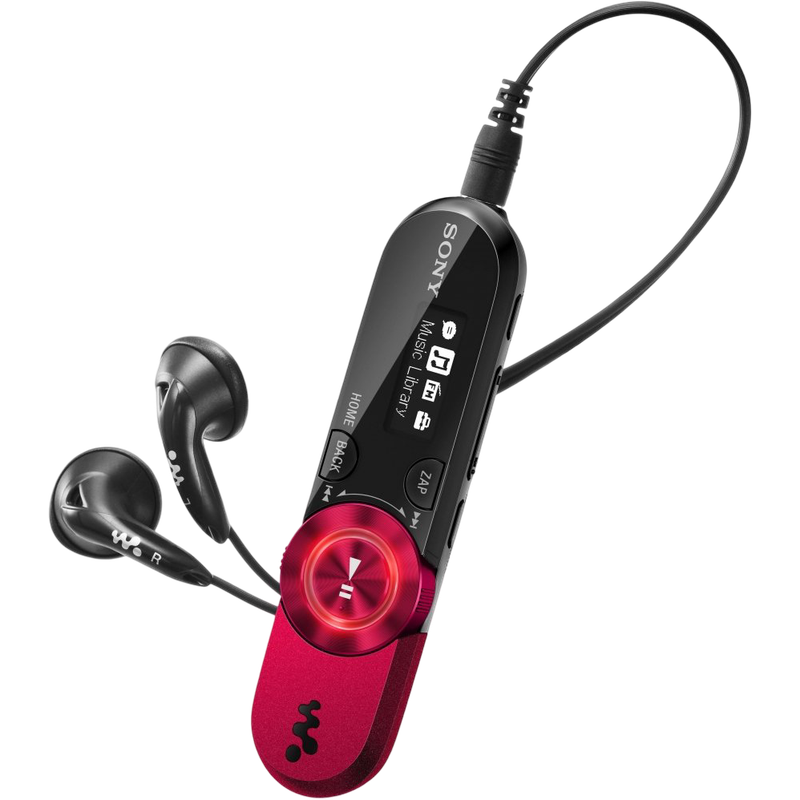
The NWZ-B163 provides 4 GB storage without radio in the 2011 B Series Network Walkman. It represented the straightforward budget option. It features 4 GB flash storage for MP3 and WMA playback. The LCD screen, 18-hour lithium-ion battery, direct USB connection, and ZAPPIN completed its functions. The B163 gives the same platform a little more breathing room, which makes it easier to live with day to day. It still is part of the same stripped-down B philosophy, but with fewer obvious limitations.
NWD-W263
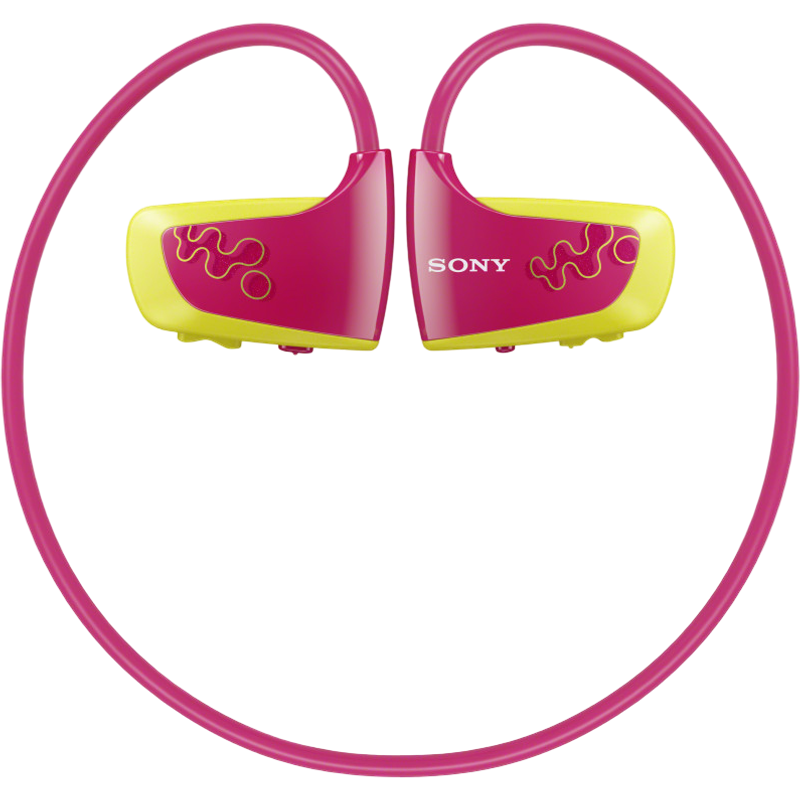
The NWD-W263 is the 4 GB clip-style model in Sony's W Series Network Walkman. It continued the lightweight wearable approach. With 4 GB storage supporting MP3, AAC, and WMA files, it uses a lithium-ion battery for 11 hours and includes ZAPPIN for quick previews. This Walkman model continues Sony's wearable Walkman concept at a point where it no longer feels experimental. Earlier W models already established the idea, but this generation treats it as a real product line instead of a novelty. The focus shifts from "can this work" to "how well can this work." Comfort, usability, and friction all matter more here than the hardware itself.
NWZ-S764
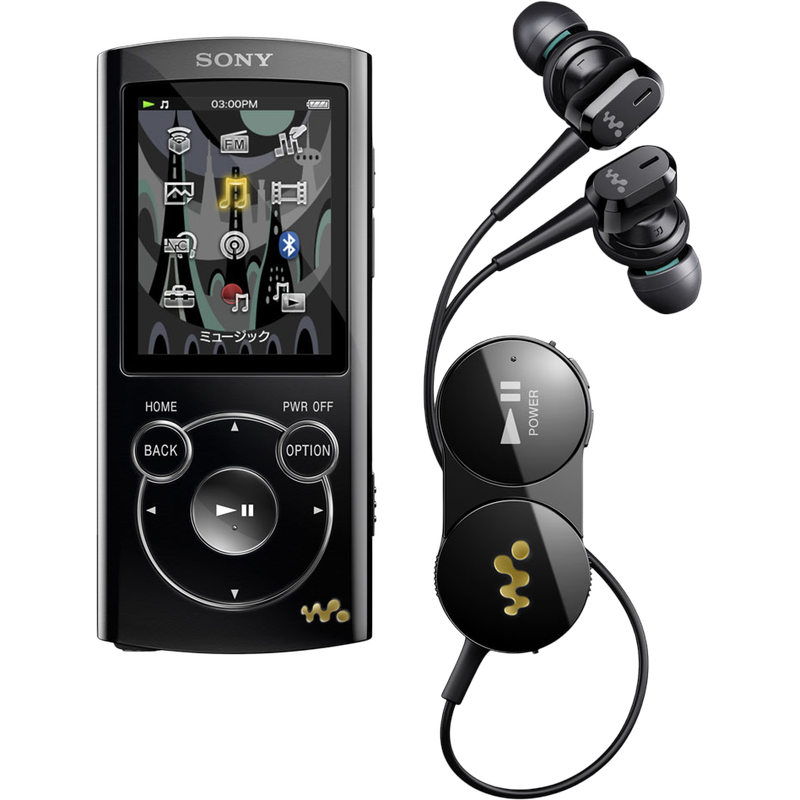
The NWZ-S764 is the first S Series Network Walkman with built-in Bluetooth. It belonged to the ninth-generation family and adopted a body design closer to the E050 series. It offers 8 GB storage for MP3, WMA, AAC, and WAV playback plus video and photo. Lithium-ion battery life reached 42 hours, with WM-PORT, Clear Audio, and DSEE includes. This player sits in one of the stronger late S generations, where Sony balances the traditional Walkman idea with more modern expectations. It still is a dedicated player, compact and personal, but the design acknowledges a world that expects more polish and flexibility. That balance gives it character.
NWZ-S764BT
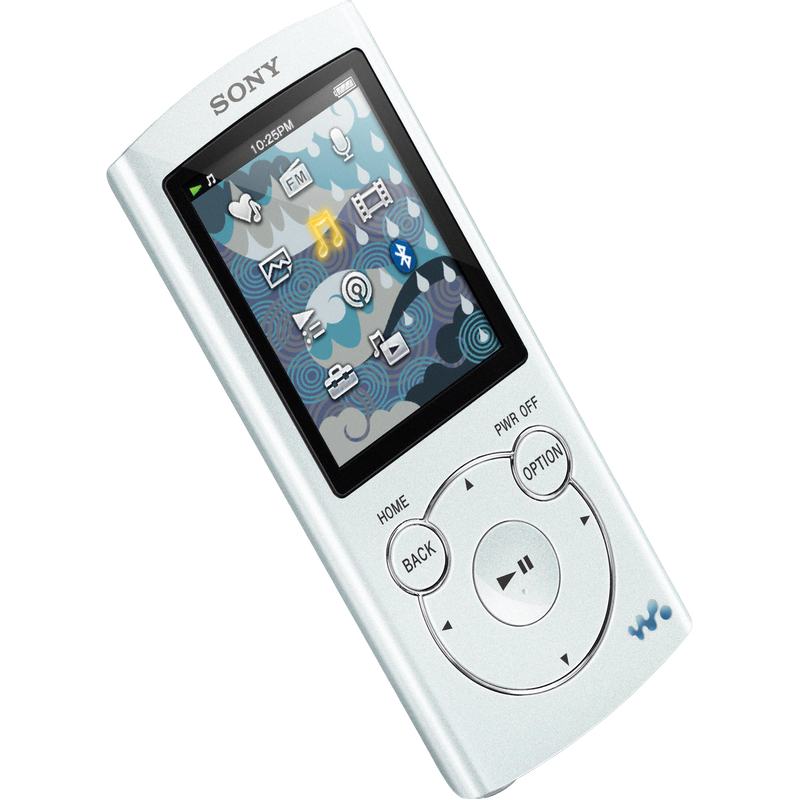
The NWZ-S764BT is the Bluetooth-headphone bundle variant of the ninth-generation S Series Network Walkman. It introduced built-in Bluetooth to the family. With 8 GB storage supporting MP3, WMA, AAC, and WAV files plus video and photo, it uses a lithium-ion battery for 42 hours. WM-PORT, Clear Audio, DSEE, and bundled Bluetooth headphones were standard. The Bluetooth version makes that balancing act more visible. Wireless support changes how the device fits into everyday use, but it also risks changing what the player is. Sony handles that carefully. The S764BT still is a Walkman first, with wireless layered on top instead of taking over.
NWZ-S765
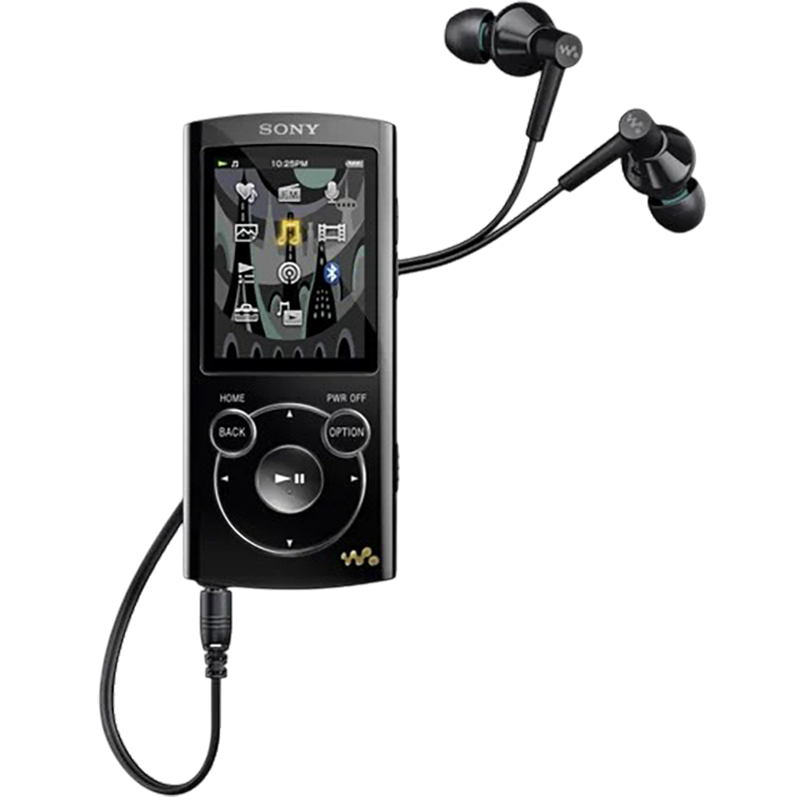
The NWZ-S765 provides 16 GB capacity in the ninth-generation S Series with built-in Bluetooth. It uses the updated E050-style body. Equipped with 16 GB flash storage for MP3, WMA, AAC, and WAV playback plus video and photo, it features a lithium-ion battery for 42 hours. WM-PORT, Clear Audio, and DSEE handled operation. The S765 is where this generation feels most complete. It keeps the same compact, inward-focused identity, but with enough capacity to make it fully usable without compromise. It does not try to stand out. It just feels well judged.
NW-A865
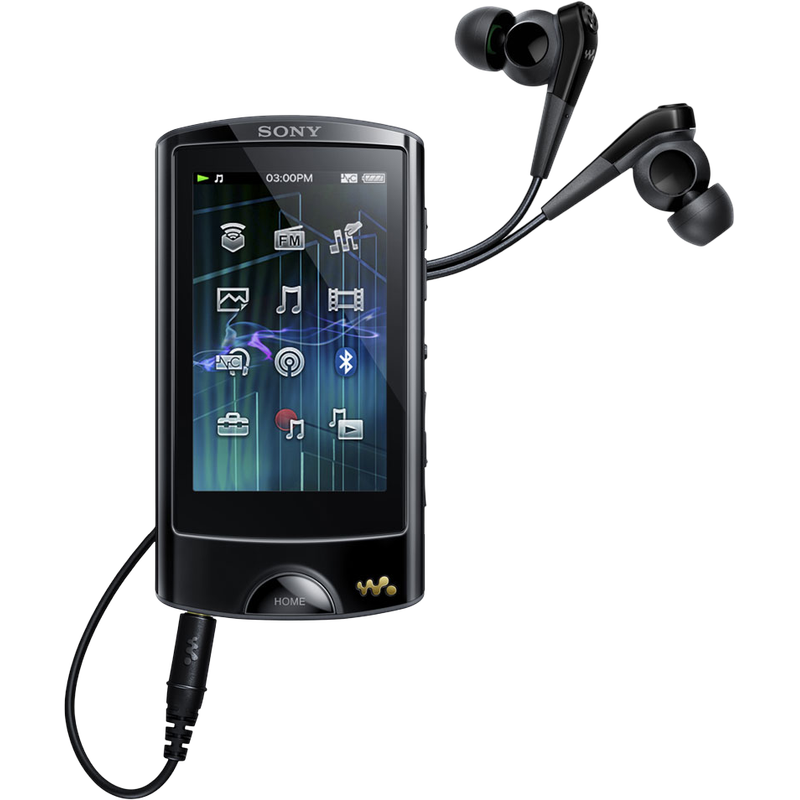
The NW-A865 is the first A Series Network Walkman with touch panel control. It belonged to the seventh-generation family and added Bluetooth. With 16 GB storage supporting ATRAC, MP3, WMA, and AAC playback plus video and photo, it uses a lithium-ion battery for 36 hours. S-Master MX and Bluetooth were included. This unit is part of the phase where the A Series starts adjusting to a more connected world. It still carries the refined A850 identity, but Bluetooth and a more flexible user experience begin to shift the line slightly. Sony does not abandon the classic formula. It adjusts it carefully. The player still is a dedicated object, just with a little more awareness of changing expectations.
NW-A866
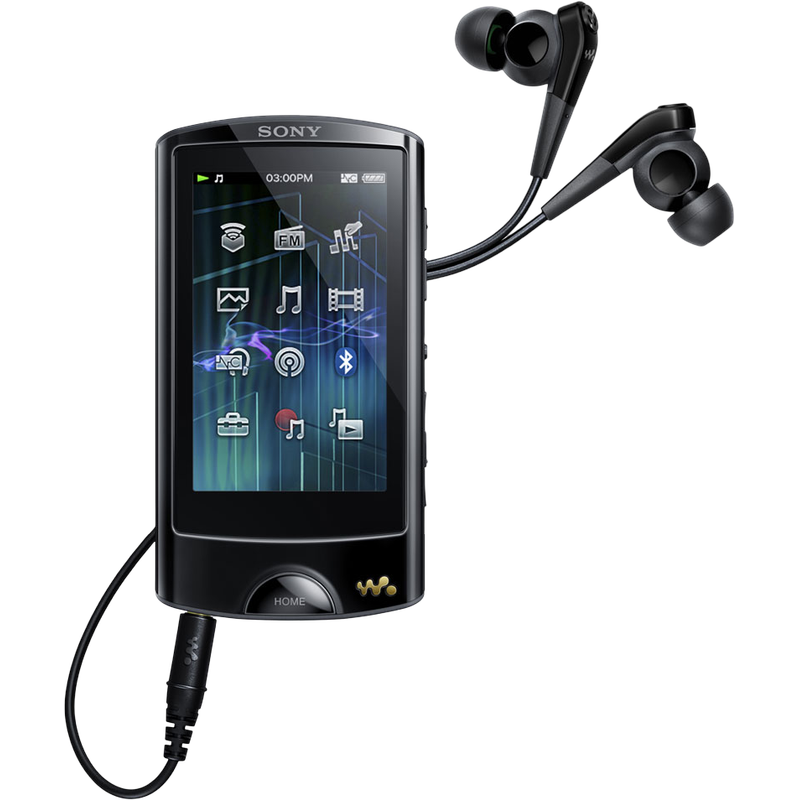
The NW-A866 extended the seventh-generation A Series touch-panel design to 32 GB. It incorporated Bluetooth connectivity. It features 32 GB storage for ATRAC, MP3, WMA, and AAC files along with video and photo playback. Lithium-ion battery life reached 36 hours, with S-Master MX and Bluetooth. The A866 is the more balanced version of that shift. It keeps the same refined A identity, but with enough capacity to make the platform feel complete. The tension between old and new is still there, but it feels controlled instead of unresolved. Sony moves carefully here, and it helps.
NW-A867
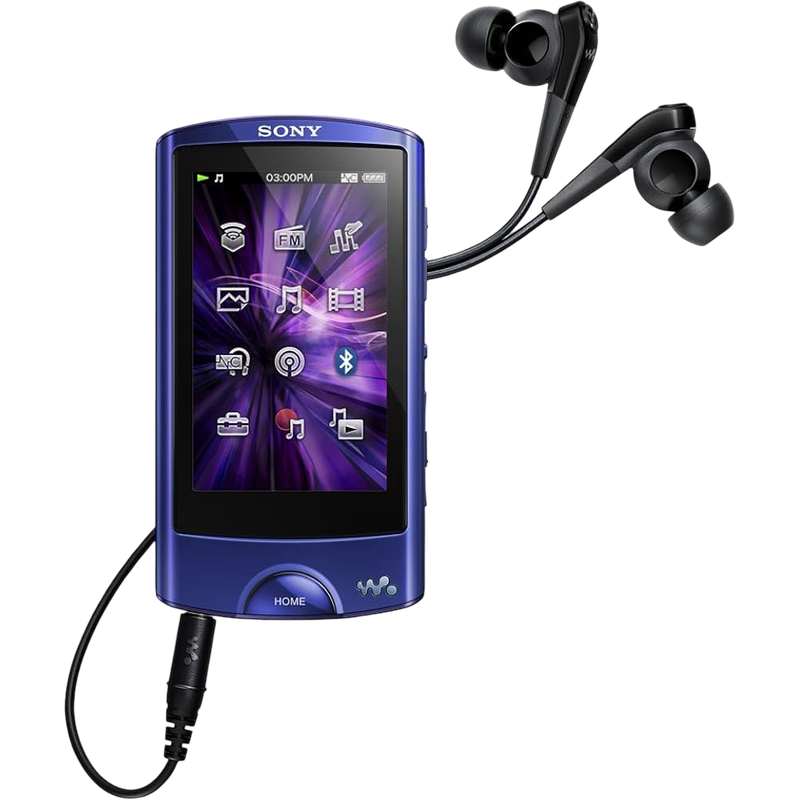
The NW-A867 delivers the flagship 64 GB capacity in the seventh-generation A Series Network Walkman. It introduced touch control and Bluetooth to the family. With 64 GB storage supporting ATRAC, MP3, WMA, and AAC playback plus video and photo, it includes a lithium-ion battery for 36 hours. Touchscreen, Bluetooth, and S-Master MX were standard. The A867 gives the same platform its fullest version and represents the strongest version of that "update without replacing" approach. It keeps the classic A-series feel intact while allowing just enough flexibility to stay relevant. It does not try to reinvent the line. It extends it. That makes it feel stable instead of transitional.
NW-A867/VI
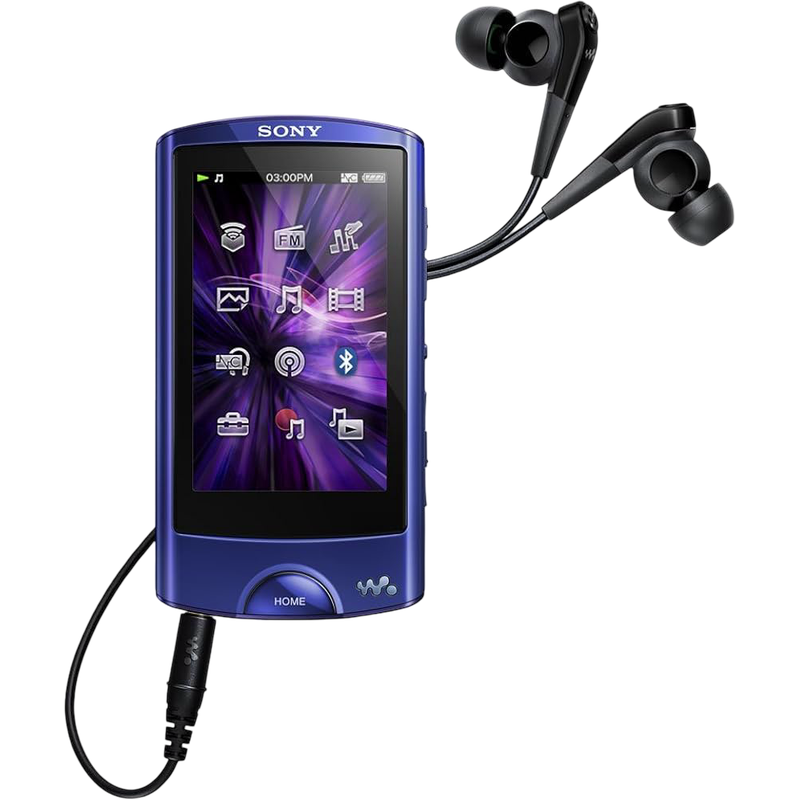
The NW-A867/VI is another color variant of the 64 GB seventh-generation A Series model. It maintained the first touch-panel implementation and Bluetooth support. With 64 GB storage supporting ATRAC, MP3, WMA, and AAC playback plus video and photo, it uses a lithium-ion battery for 36 hours. Touchscreen control, Bluetooth, and S-Master MX were featured. This Walkman model carries the same larger meaning as the base A867. The suffix changes the presentation, not the purpose.
NWZ-A864
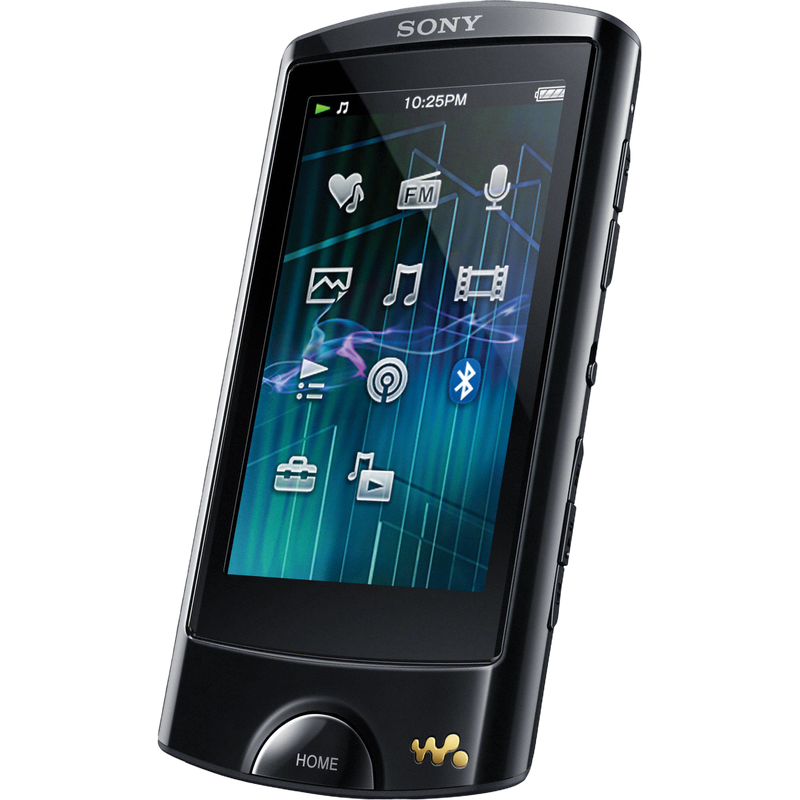
The NWZ-A864 is the 8 GB model in Sony's 2011 A Series Network Walkman. It supports the family's FLAC playback addition in this generation. With 8 GB storage for MP3, WMA, AAC, and FLAC files plus video and photo playback, it relied on a lithium-ion battery for 36 hours. This player carries the same broader role as the domestic A860 models. Sony is refining the A Series without breaking it, which is harder than it sounds at this point in the timeline. The player stays focused, premium, and clearly separate from more general-purpose devices. That restraint holds the generation together.
NWZ-A865
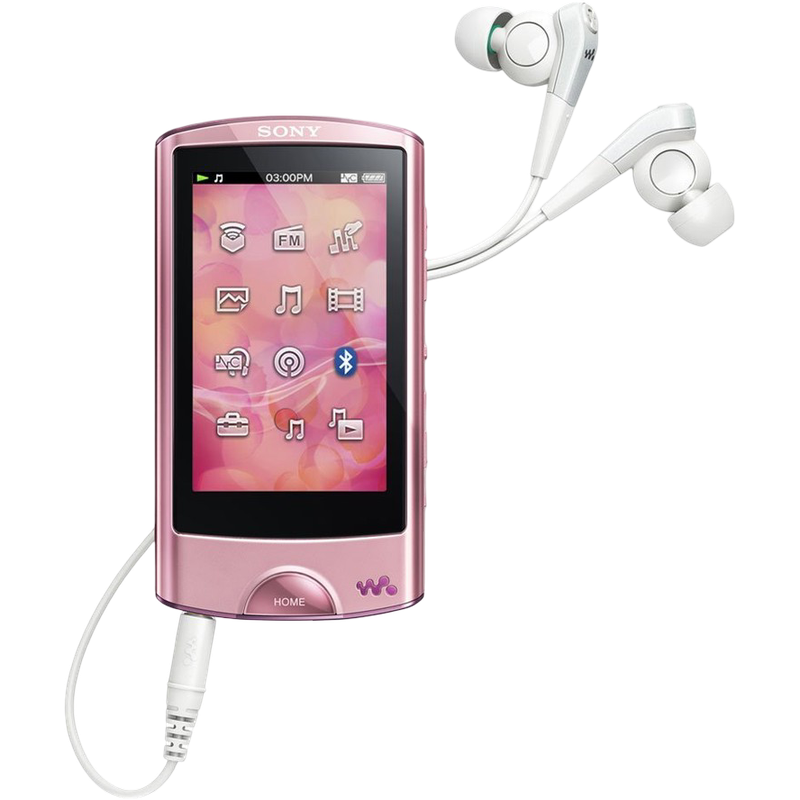
The NWZ-A865 offers 16 GB capacity with FLAC support in the 2011 A Series lineup. It continued the video-focused design. It features 16 GB storage supporting MP3, WMA, AAC, and FLAC playback along with video and photo. The lithium-ion battery delivers 36 hours of use. The A865 continues that same balance. It still is a dedicated premium player, but with compact concessions to a world where multifunction devices were already taking over. Sony does not chase that shift directly. It stays focused on what the Walkman does well.
NWZ-A866
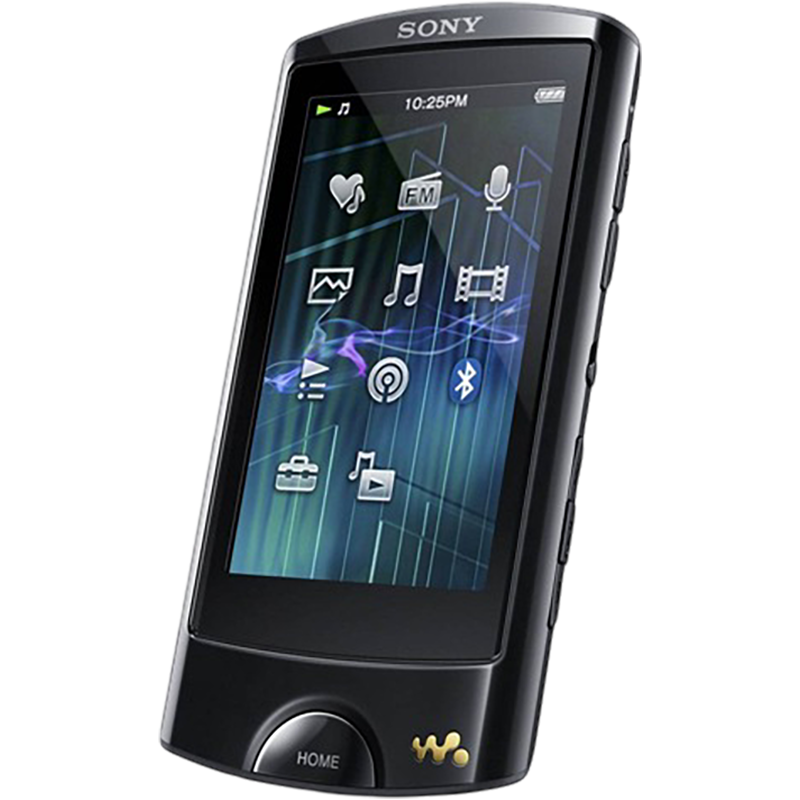
The NWZ-A866 provides 32 GB storage in the 2011 A Series Network Walkman. It includes FLAC compatibility for the family. With 32 GB flash memory for MP3, WMA, AAC, and FLAC files plus video and photo, it uses a lithium-ion battery rated for 36 hours. The A866 gives the platform more room, which helps the generation feel less transitional and more complete. The design and experience remain consistent, just with fewer constraints. The line feels settled here.
NWZ-A867
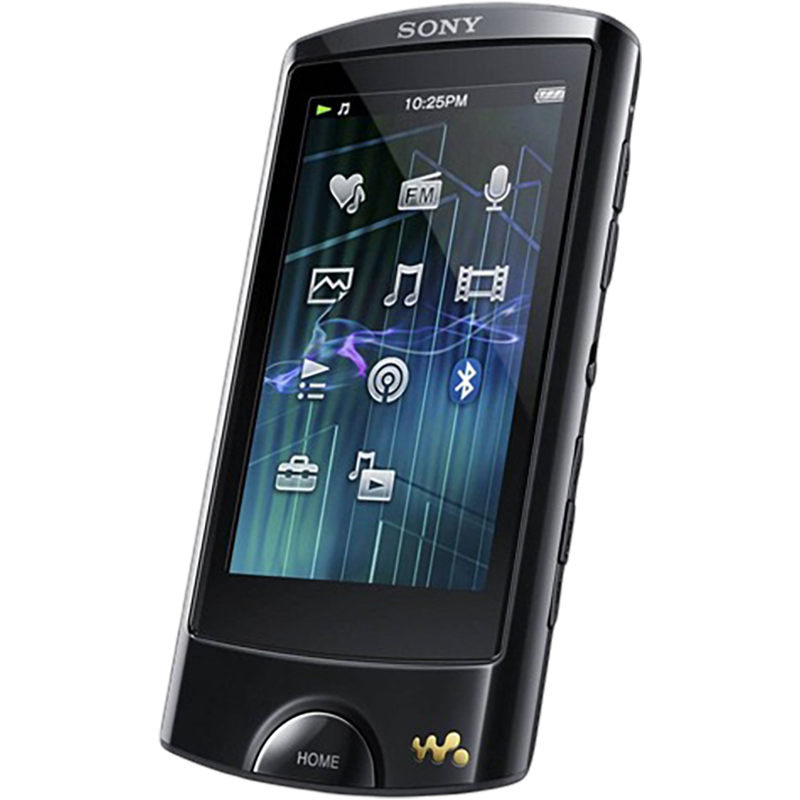
The NWZ-A867 is the 64 GB flagship of the 2011 A Series lineup. It represented the maximum capacity with added FLAC support. It carries 64 GB storage supporting MP3, WMA, AAC, and FLAC playback plus video and photo functions. Lithium-ion battery life reached 36 hours. The A867 is the fullest version of this generation and probably the cleanest endpoint before the A Series had to deal with much larger category changes. It still feels slim, curated, and focused. Nothing feels overstated.
NW-S764
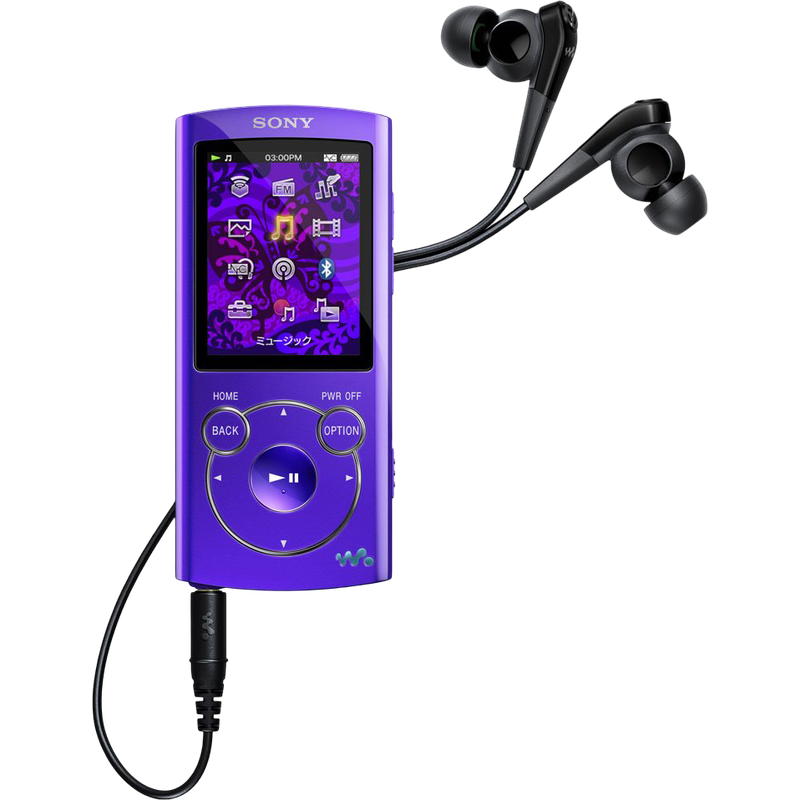
The NW-S764 introduced built-in Bluetooth to the ninth-generation S Series Network Walkman. It adopted a body style closer to the E050 series. With 8 GB storage for MP3, WMA, AAC, and WAV playback plus video and photo, it features lithium-ion battery life of 42 hours. WM-PORT, Clear Phase, and Bluetooth were standard. This unit belongs to one of the stronger late S generations, where Sony balances the traditional Walkman idea with more modern expectations. It still is a dedicated player, compact and personal, but the design acknowledges a world that expects more polish and flexibility. Sony keeps the focus narrow here, and it helps.
NW-S764BT
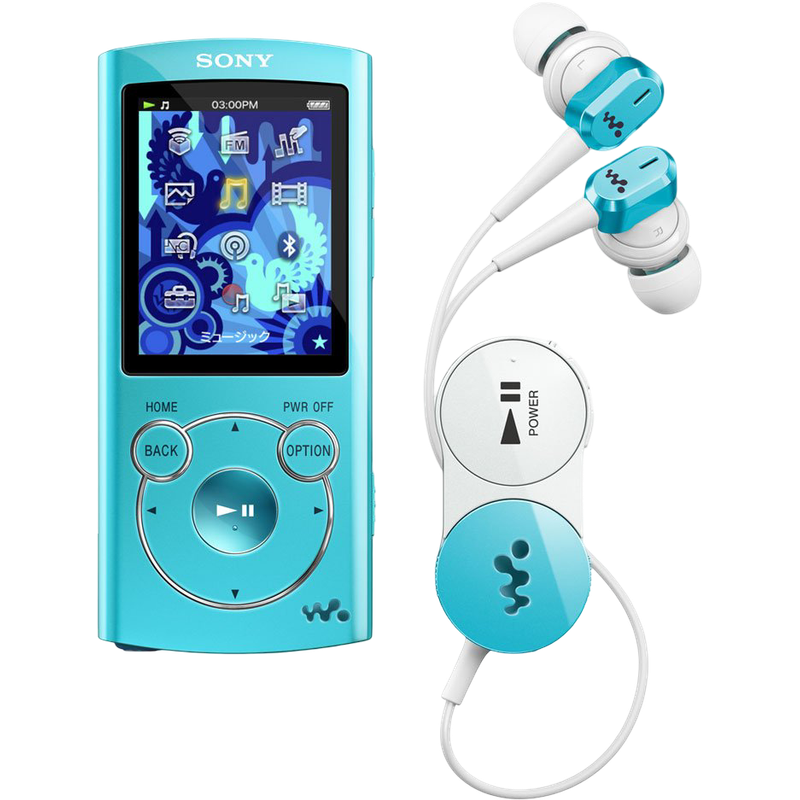
The NW-S764BT is the Bluetooth-headphone bundle version of the ninth-generation S Series Walkman. It marked the first built-in Bluetooth in the family. Featuring 8 GB storage for MP3, WMA, AAC, and WAV playback plus video and photo, it uses a 42-hour lithium-ion battery. WM-PORT, Clear Phase, Bluetooth, and bundled headphones were included. This Walkman model reinforces the same idea as the NWZ model. Wireless is added carefully, without flattening the product into something generic. It still is a Walkman.
NW-S764K
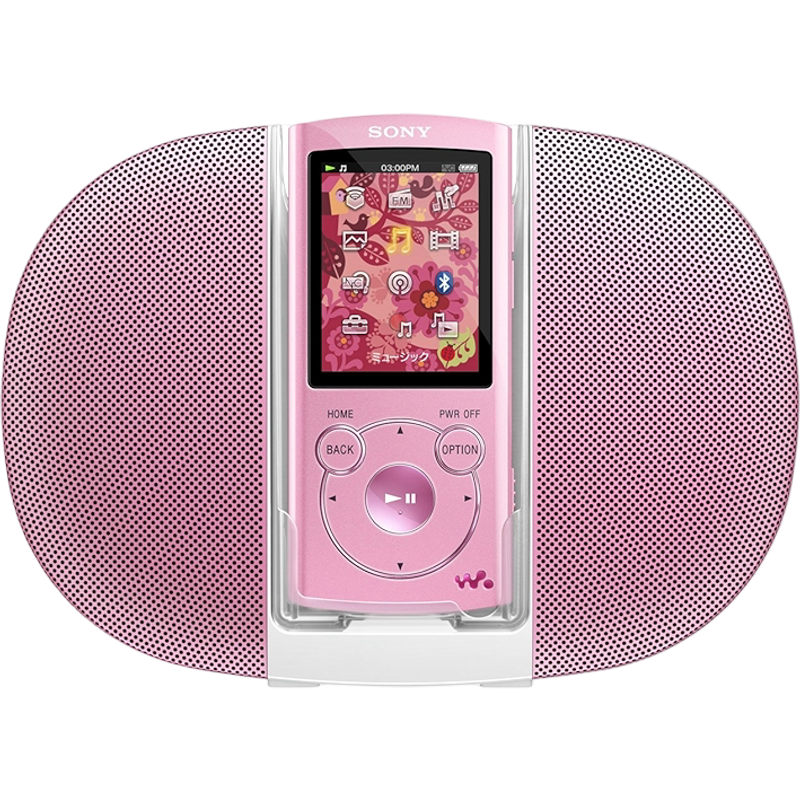
The NW-S764K added speaker support to the ninth-generation S Series with Bluetooth. It uses the updated E050-style body. With 8 GB storage supporting MP3, WMA, AAC, and WAV files, video, and photo, it includes a 42-hour battery, WM-PORT, Clear Phase, Bluetooth, and built-in speaker. This player extends the same S764 platform into an accessory-driven retail package. The underlying player was already stable, so Sony could build around it instead of redefining it.
NW-S765
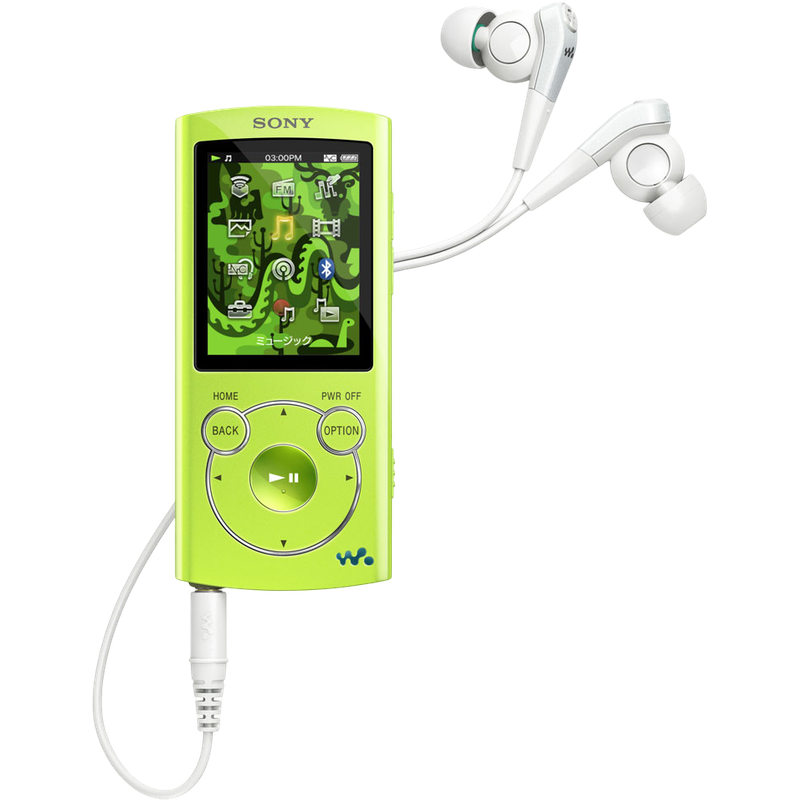
The NW-S765 provides 16 GB capacity in the ninth-generation S Series Network Walkman. It introduced Bluetooth in the E050-style body design. Equipped with 16 GB storage supporting MP3, WMA, AAC, and WAV playback plus video and photo, it uses a 42-hour lithium-ion battery. WM-PORT and Clear Phase accompanied Bluetooth. The S765 is the most balanced version of the domestic lineup. It keeps the same identity, but with enough capacity to make it fully usable without compromise. Everything feels resolved.
NW-S765K
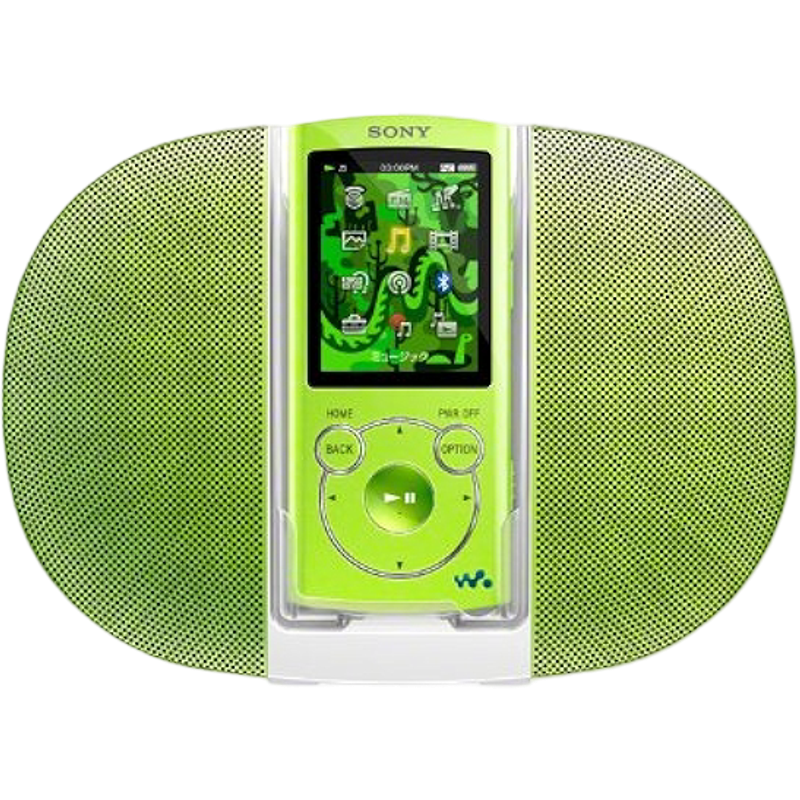
The NW-S765K incorporated built-in speaker in the 16 GB ninth-generation S Series model. It features the new Bluetooth capability. With 16 GB storage for MP3, WMA, AAC, and WAV files plus video and photo, it includes a 42-hour battery, WM-PORT, Clear Phase, Bluetooth, and speaker. This model extends the same S765 platform into an accessory-driven retail package. The underlying player was already stable, so Sony could build around it instead of redefining it.
NW-S766
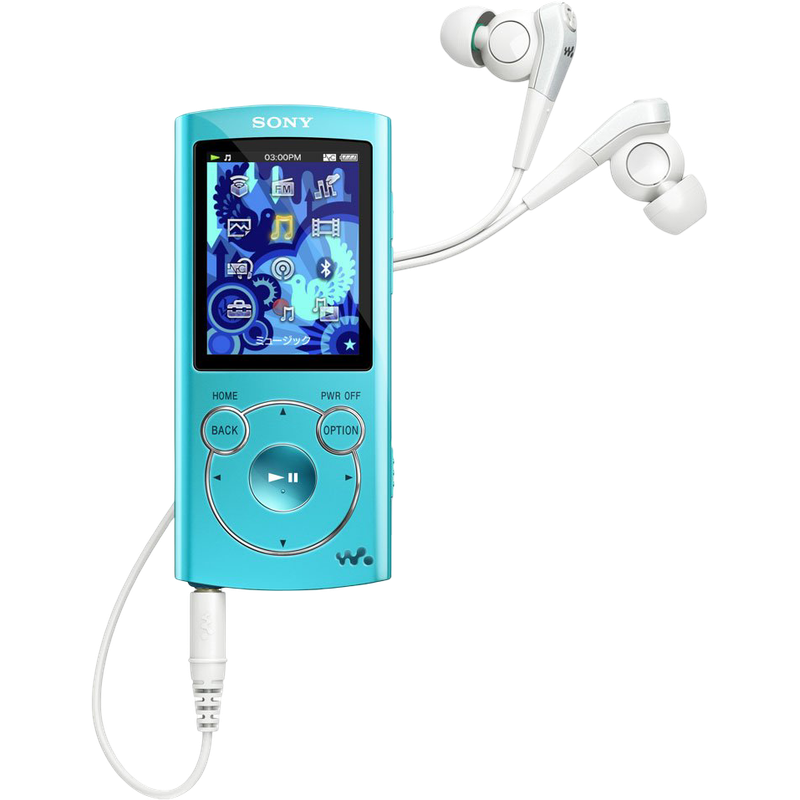
The NW-S766 delivers the maximum 32 GB storage in the ninth-generation S Series with built-in Bluetooth. It completed the family's E050-body update. It offers 32 GB flash memory supporting MP3, WMA, AAC, and WAV playback plus video and photo. The lithium-ion battery provides 42 hours, with WM-PORT, Clear Phase, Bluetooth, and speaker. The S766 caps this generation and gives it the most complete version of the concept before the category shifts more aggressively. It still is part of the classic dedicated-player world, but with an awareness of where things are going.
NW-Z1050
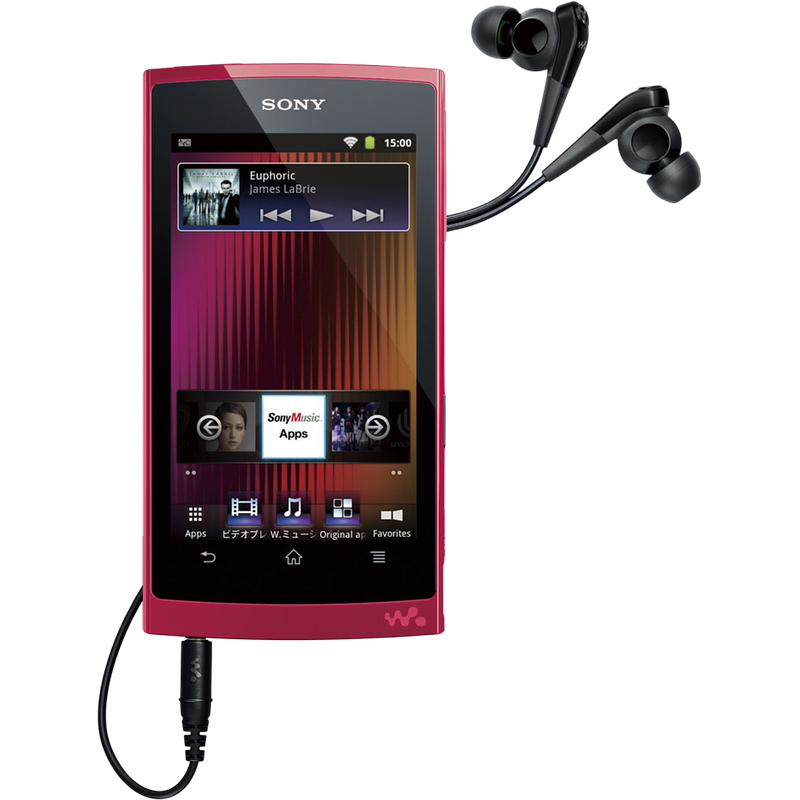
The NW-Z1050 was the 16 GB entry model in Sony's first Z Series Network Walkman family. The Z Series introduced a larger 800x480 TFT display, Android-based touchscreen control, Bluetooth, Wi-Fi, speaker output, WM-PORT, video and photo playback, S-Master MX, Clear Audio, DSEE, voice recording, FM radio, and support for MP3, AAC, WMA, Linear PCM, and HE-AAC files. Battery life was rated at 20 hours. This model changed the feel of the Walkman more than its storage tier suggests. It treated the player as a smart media device with apps, touch control, wireless connectivity, and a broader screen-based identity. The result was no longer a refined version of the classic flash Walkman. It behaved like a dedicated audio product trying to live in the same world as smartphones. The Z1050 sits at the start of Sony's Android Walkman experiment, where the line had to decide how much phone-like behavior it could absorb while still feeling like a Walkman.
NW-Z1060
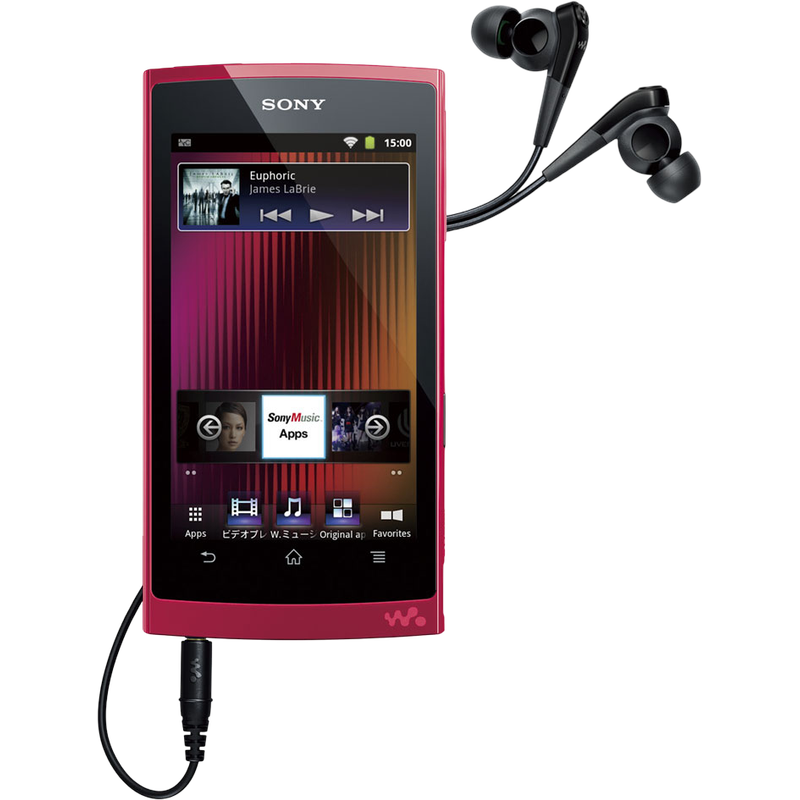
The NW-Z1060 was the 32 GB model in the first Z Series Network Walkman lineup. It kept the same Android-based platform as the Z1050, with an 800x480 TFT display, Bluetooth, Wi-Fi, touchscreen control, speaker output, WM-PORT, video and photo playback, S-Master MX, Clear Audio, DSEE, and support for MP3, AAC, WMA, Linear PCM, and HE-AAC files. Battery life was rated at 20 hours. The extra storage made the first Android Walkman platform feel more practical. It had enough room to support the broader media role without changing the device's basic character. The Z1060 is the more balanced version of the original Z idea: connected and phone-adjacent, but still presented as a serious dedicated Walkman.
NW-Z1070
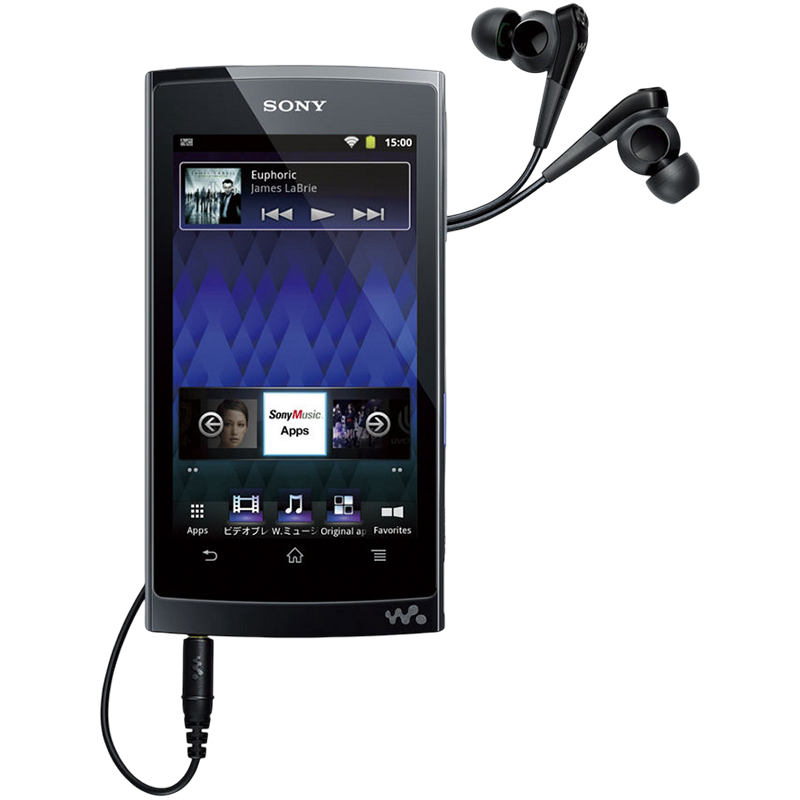
The NW-Z1070 is the flagship model in Sony's Z Series Network Walkman. It added noise cancellation to the full set of high-end features. It offers 64 GB storage supporting MP3, AAC, WMA, Linear PCM, and HE-AAC playback. The 800x480 TFT display, 20-hour lithium-ion battery, voice recording, FM radio, Bluetooth, Wi-Fi, noise cancellation, touchscreen, speaker, WM-PORT, video/photo, S-Master MX, Clear Audio, DSEE, and processing tools defined its operation. The Z1070 gives the same Z1000 platform its fullest version, and in doing so probably represents the strongest statement Sony made with this first major Android-era Walkman idea. It still carries all the same uncertainty and ambition as the rest of the family, but here the branch finally feels complete enough that you can stop reading it as a prototype and start reading it as a real answer to a changing market.
NWZ-Z1060
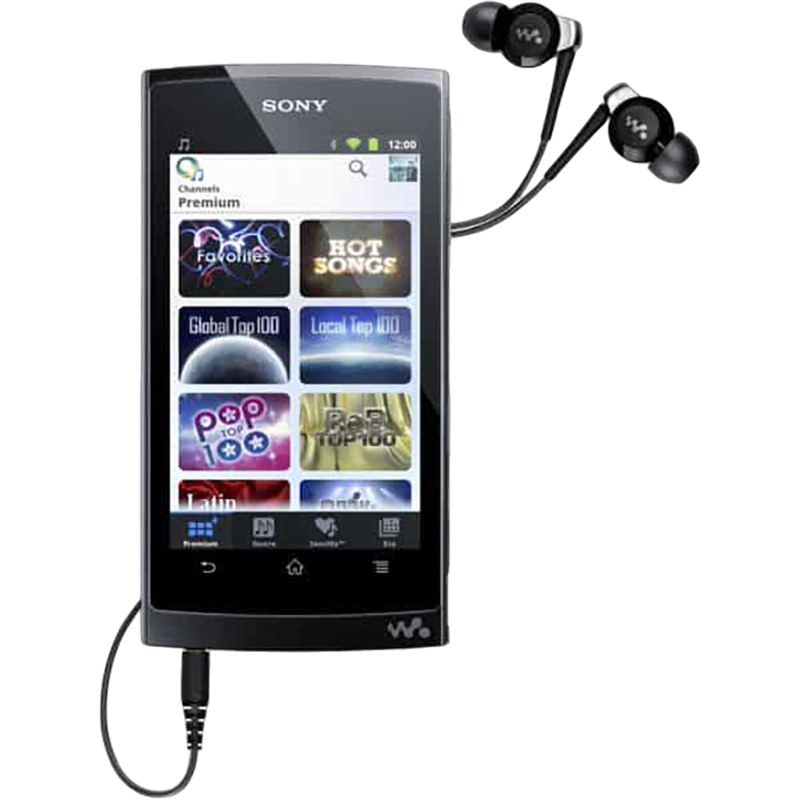
The NWZ-Z1060 is the 32 GB model in Sony's Z Series Network Walkman. It shared the series' high-resolution display and multi-format capabilities. With 32 GB storage for MP3, AAC, WMA, Linear PCM, and HE-AAC files, it features an 800x480 TFT display and 20-hour lithium-ion battery. Voice recording, FM radio, Bluetooth, Wi-Fi, touchscreen, speaker, WM-PORT, video/photo, S-Master MX, Clear Audio, DSEE, and processing tools were included. The globally branded counterpart to the Z1060 carries the same larger significance: this is Sony seriously attempting to build a Walkman for a post-classic world. The branch is no longer organized around "which flash player is nicer" or "which one has more storage." The entire frame has changed. Now the question is whether the Walkman can remain a distinct object at all once it starts borrowing the behavior of smartphones and tablets. That is what gives this family so much energy.
The year solidified Sony’s strategic choice to trade market share for clearer positioning. It directly preceded the high-resolution era that would define the rest of the decade.