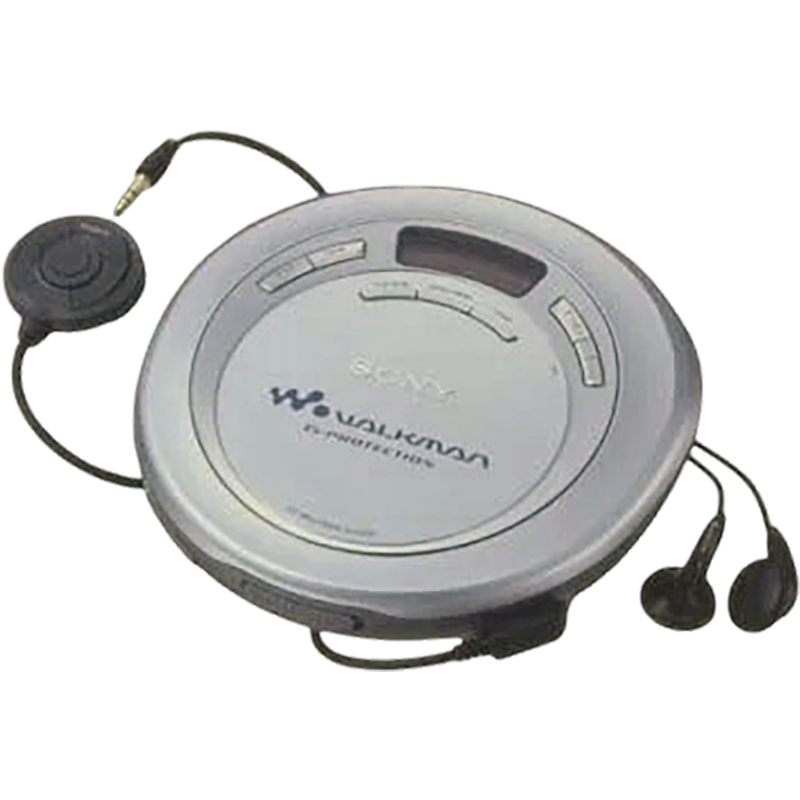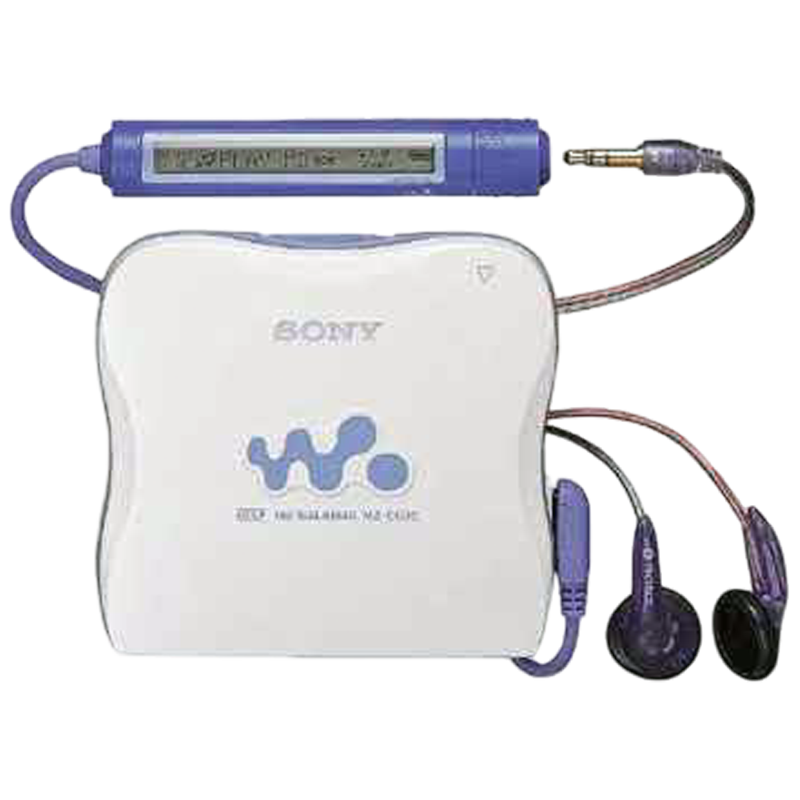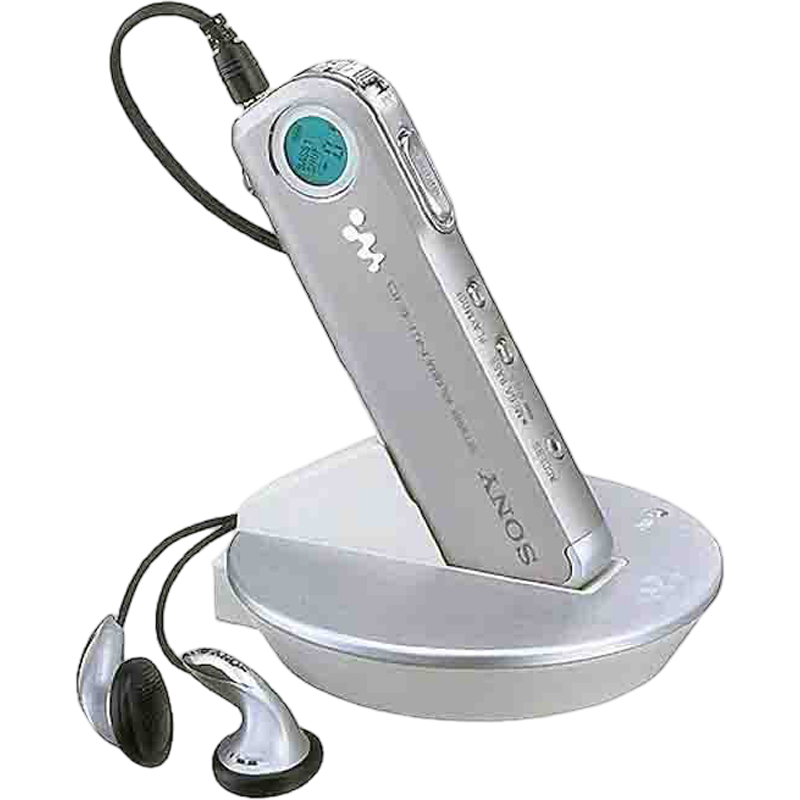
In 2001, development had slowed to almost nothing, and the lineup served primarily as a low-cost choice for the shrinking analog audience. The Walkman had become a background product rather than a focus of innovation or marketing.
WM-EX621
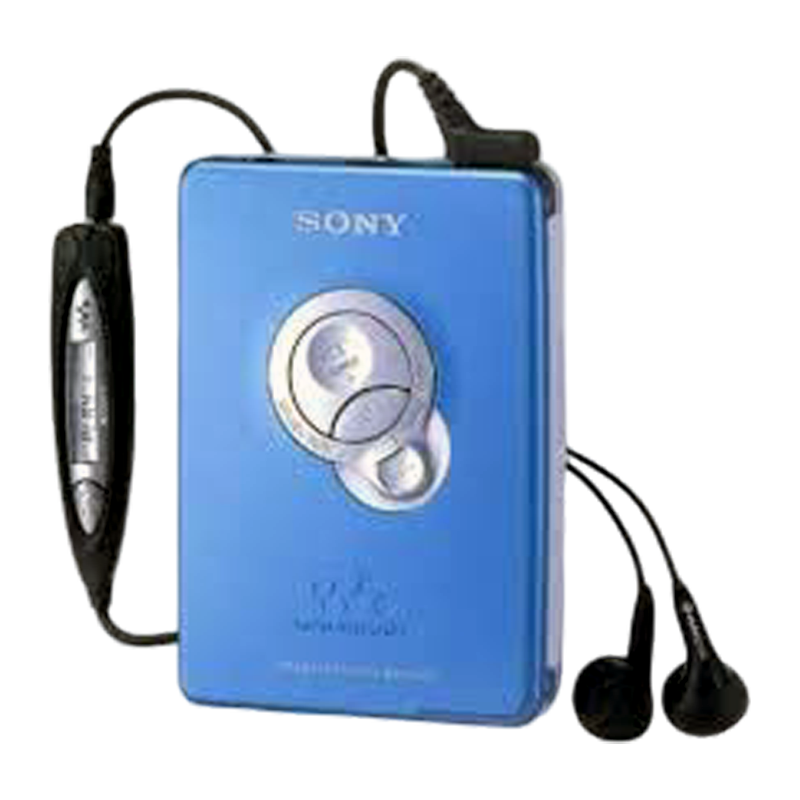
The WM-EX621 is a consumer playback Walkman from Sony's 2001 EX line, built around a compact upright body with a metal frame, automatic tape selection, and external battery support. It offers auto-reverse playback, logic controls, Automatic Music Sensor, blank skip, and a more aggressively processed sound profile than many earlier EX players, using Groove and Revitalizer-enhanced DBB modes plus a tonal equalizer instead of relying on Dolby noise reduction. The includes remote kept it aligned with Sony's established in-pocket listening habits, even as the sound tuning shifted toward a more late-period, effect-driven style. This model reflects a subtle change in what Sony thought remaining cassette users wanted. By this point, Sony was no longer building around purity or mechanical prestige, but around making older tape collections feel more energetic and immediate through processing and convenience. It is a Walkman from the phase where enhancement had started to matter more than fidelity.
WM-FS221
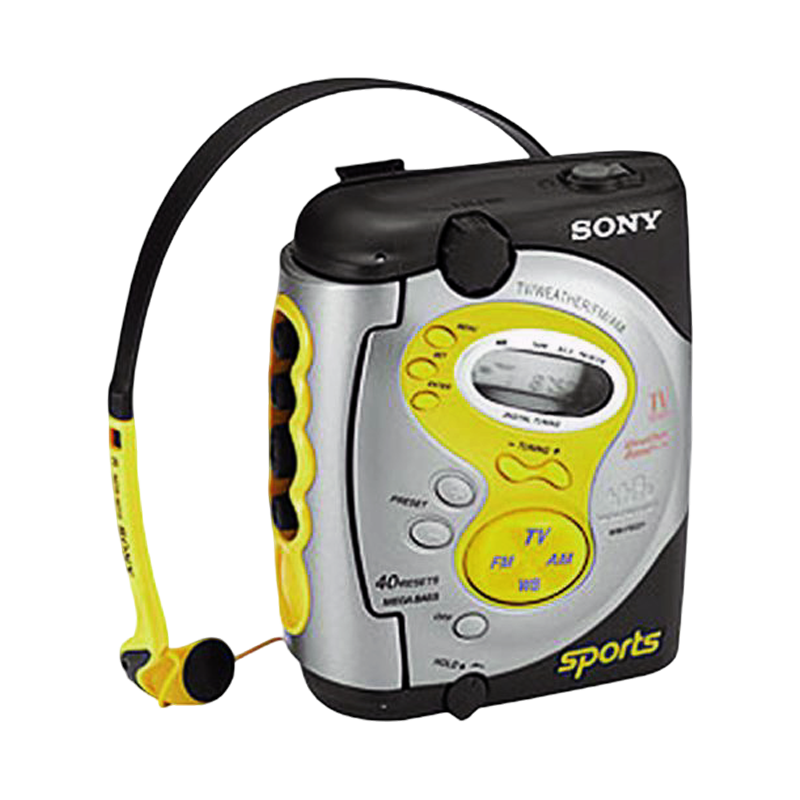
The WM-FS221 is part of the last classic yellow Sports Walkman, released in 2001 with an emphasis on battery endurance and expanded radio coverage instead of on redesign for its own sake. It offers up to 32 hours of tape playback from two AA batteries, digital tuning with auto preset scanning, and reception across FM, AM, TV audio, and weather bands, all within a sealed ergonomic body that includes an action grip for outdoor use. The layout stayed direct and accessible despite the broader radio feature set. This model works best as the closing stage of the original Sports idea. Sony was no longer inventing that identity by then, just refining it into something practical and familiar for the remaining users who still wanted a rugged cassette player. The FS221 is the end of a long branch that had already figured out what it needed to be.
WM-GX400
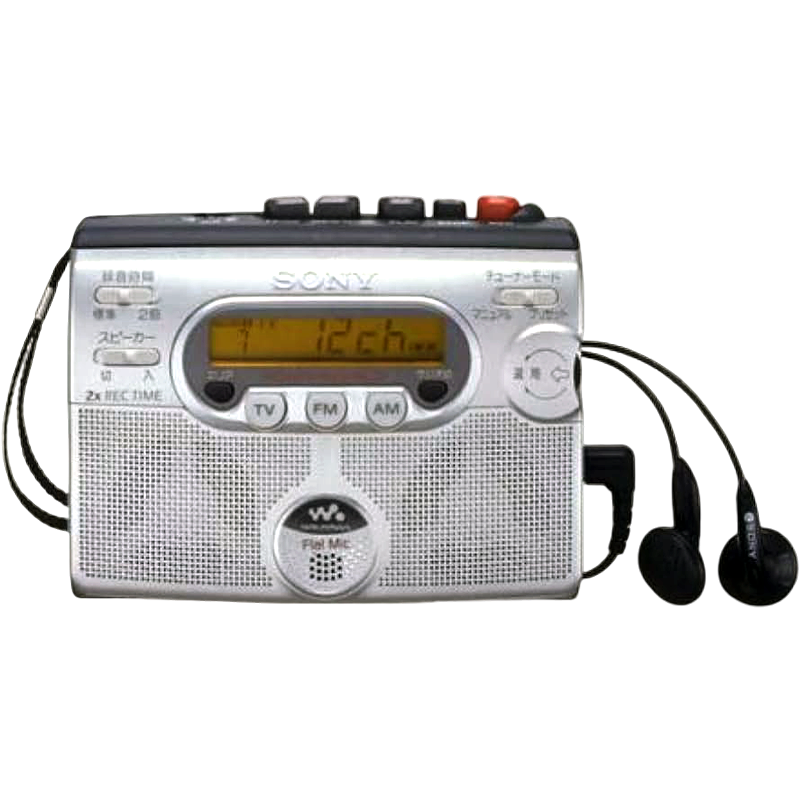
The WM-GX400 is an entry-level recording Walkman that combined cassette recording and playback with AM/FM radio, a built-in microphone, and stereo speakers in a compact plastic body. The layout remained simple and practical, with basic controls for recording from radio or microphone input and enough portability to keep it useful away from a desk. It was not especially slim or premium, but it carries forward the GX branch's long-standing role as the "do more than listen" side of the Walkman family. What makes the GX400 revealing is that it shows how cassette recording had narrowed into a smaller but still very real everyday niche by the early 2000s. Here, a machine for quick notes, casual radio capture, and compact shared playback, not for audio enthusiasts or collectors. It reads as one of the last ordinary tape tools in Sony's lineup.
WM-EX921
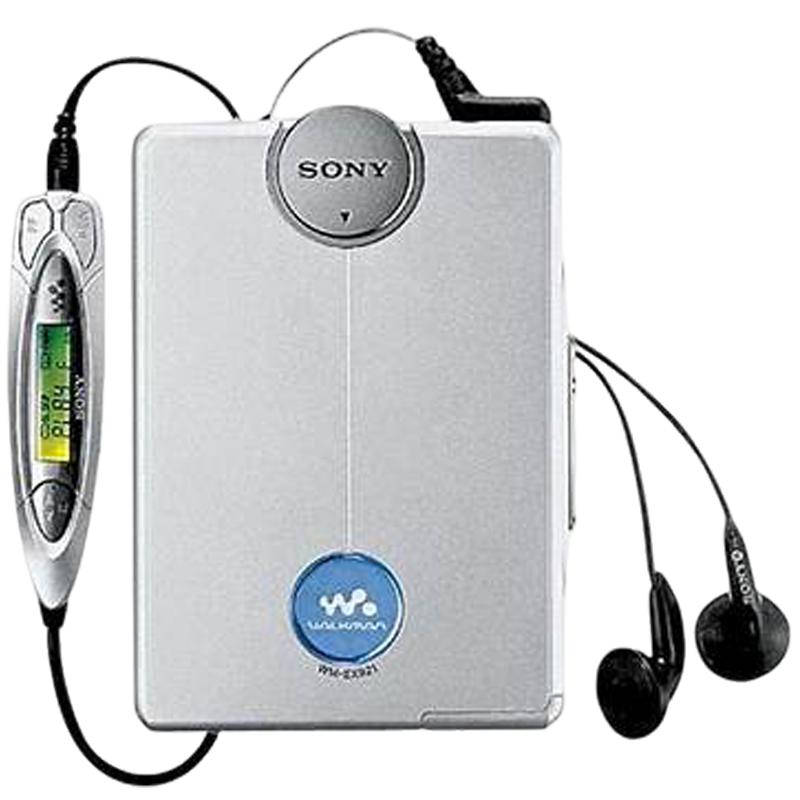
The WM-EX921 is part of the more distinctive late EX-series playback Walkman, notable for replacing conventional button clusters with a multi-function jog-style control interface that acted almost like a miniature joystick. That gave the player a more modern, menu-like handling style than most earlier cassette models, while the rest of the machine retained Sony's mature late-period essentials: auto-reverse playback, Dolby B noise reduction, Extended DBB, AVLS, Automatic Music Sensor, blank skip, a backlit remote, and efficient low-power transport with external battery support. The result was a compact machine that felt less mechanical in operation even though the format underneath remained the same. This is part of the clearest examples of Sony trying to make cassette behave a little more like newer portable electronics without actually abandoning tape. The EX921 is not important because it changed playback quality, but because it changed the way the user moved through the machine. It is a Walkman trying to stay contemporary through interface instead of through format.
WM-GX688
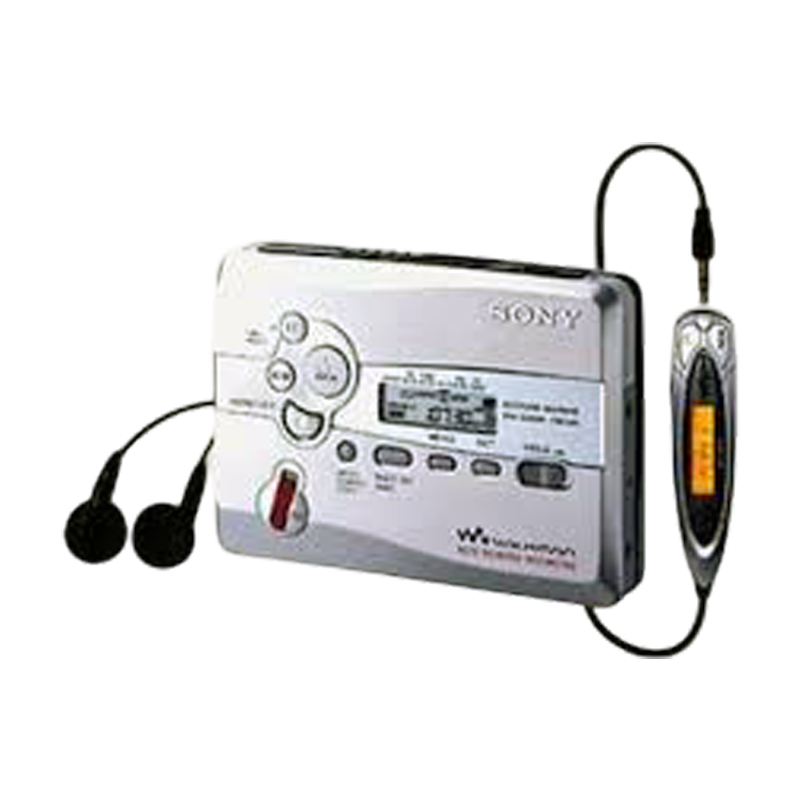
The WM-GX688 is part of the later and more specialized GX-series recording Walkman, combining cassette recording and AM/FM radio with features clearly aimed at study and repetition instead of pure entertainment. It includes built-in microphone recording, auto-reverse playback, A-B repeat for looping selected passages, and a backlit LCD remote that made longer listening sessions easier to manage without touching the main unit constantly. The body remained compact and plastic, with the familiar late-GX balance between portability and utility. This is one of those late models where the surviving purpose of cassette becomes unusually clear. The GX688 was not there to compete with newer music formats, but to serve people still using tape for language learning, repeated listening, note-taking, and structured listening habits that digital players had not yet fully absorbed. It is a specialist machine from the final practical chapter of the Walkman story.
2001 showed how long Sony was prepared to sustain an aging format after its creative center had moved on. That restraint set the tone for the fully residual role the cassette Walkman would occupy in the years ahead. 2001 left the category operating in the background, its persistence a practical compromise that bought continuity at the price of relevance.
More Sony in 2001