1994 WM-EX1
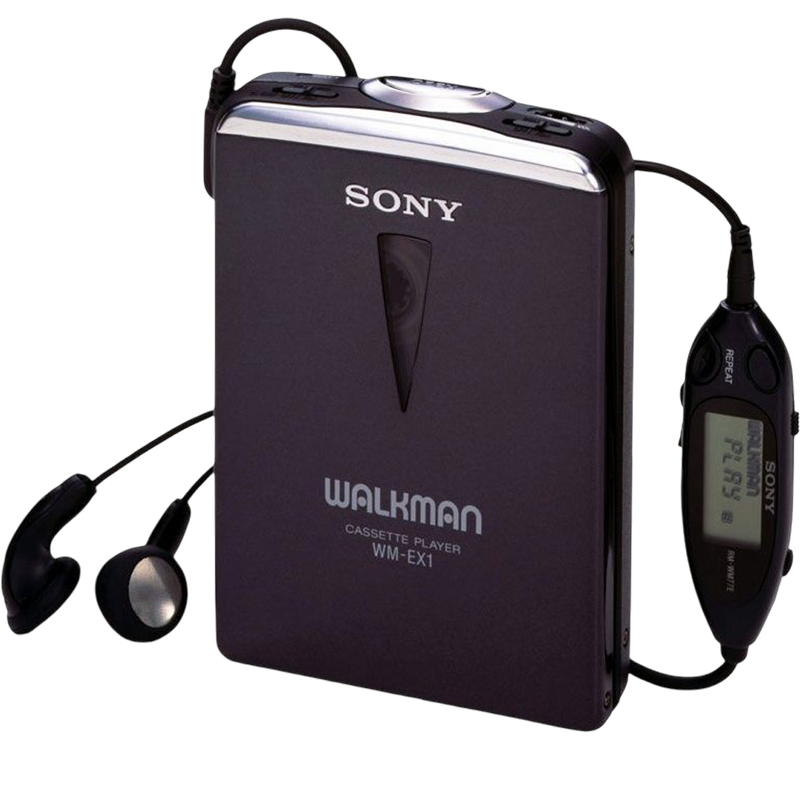
The WM-EX1 is a playback-only Walkman equipped with auto-reverse.

If you find it useful, you can support it. Support the archive
By 1994, Sony was no longer introducing MiniDisc. It was trying to explain it. The format had entered the market, but its role was not yet clear. Positioned between cassette and compact disc, MiniDisc was designed to replace both, yet in practice it struggled to fully displace either.
This uncertainty created a more complex landscape. Discman remained the most stable and widely adopted format, benefiting from falling prices and a growing CD ecosystem. Cassette Walkman continued to serve everyday listening through familiarity and cost. MiniDisc, meanwhile, expanded with new hardware and use cases, but remained constrained by high costs, limited software availability, and a learning curve that slowed adoption.
What defines 1994 is not competition alone, but positioning under pressure. Sony was no longer guiding a transition or introducing a new idea. It was trying to establish where MiniDisc fit in a market that was already functioning without it. That tension would shape the trajectory of the format in the years that followed.
The WM-EX1 is a playback-only Walkman equipped with auto-reverse.
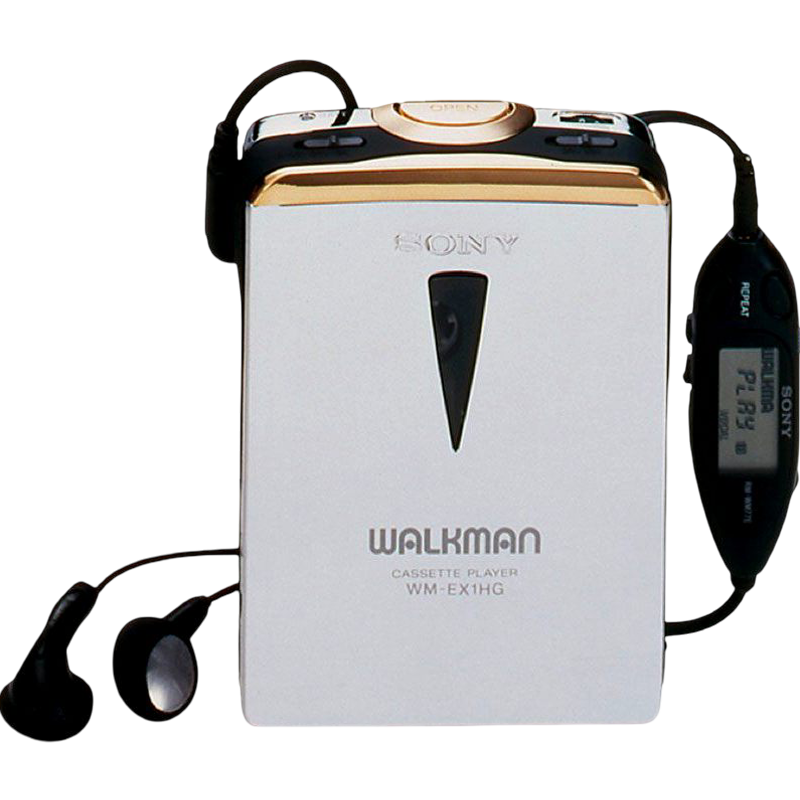
The WM-EX1HG is a playback-only Walkman equipped with auto-reverse.
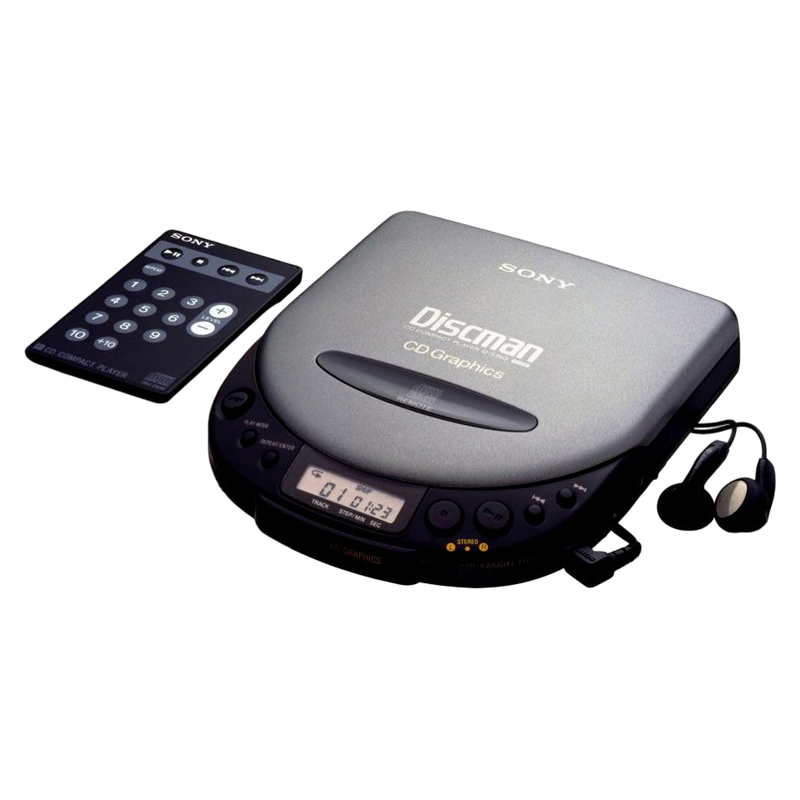
The D-535G is a portable CD player equipped with a microphone input and vocal cancellation function.
The D-1000 is a portable CD player equipped with a speaker and timer function.

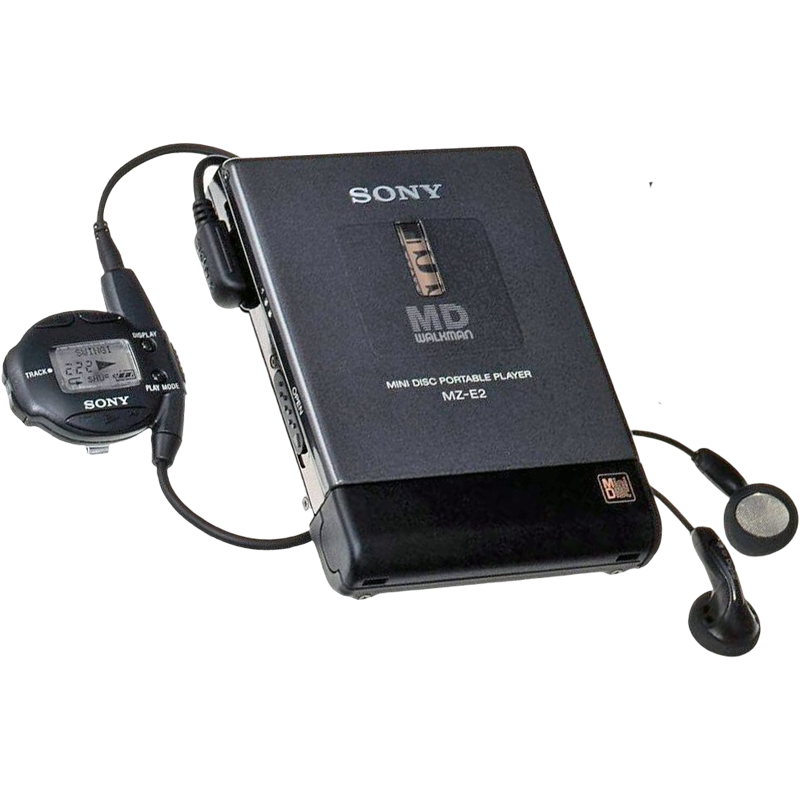
The MZ-E2 is a MiniDisc player that incorporates early practical improvements regarding playback stability while maintaining a compact size.