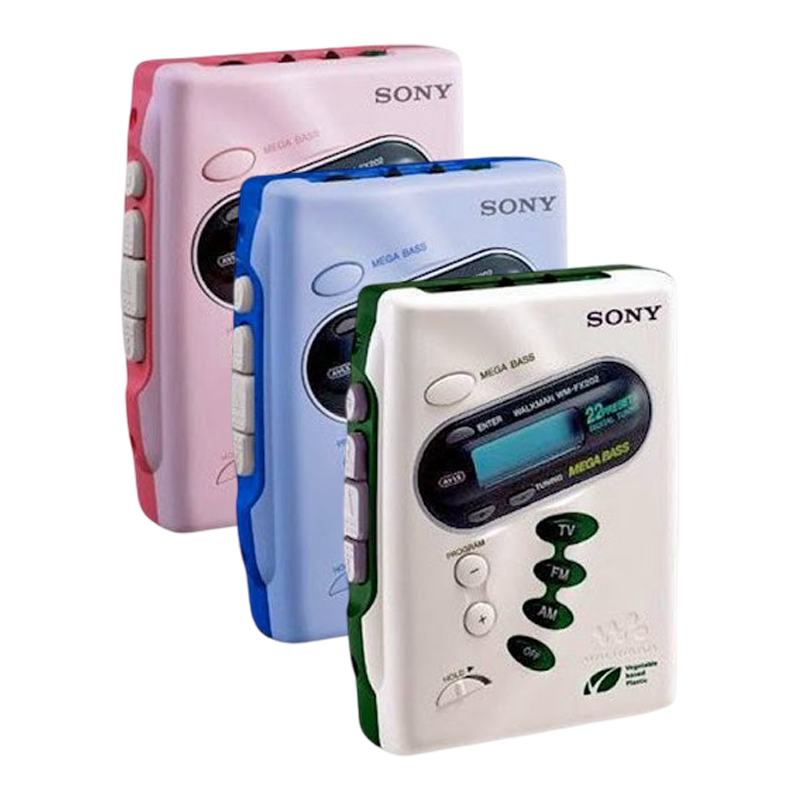
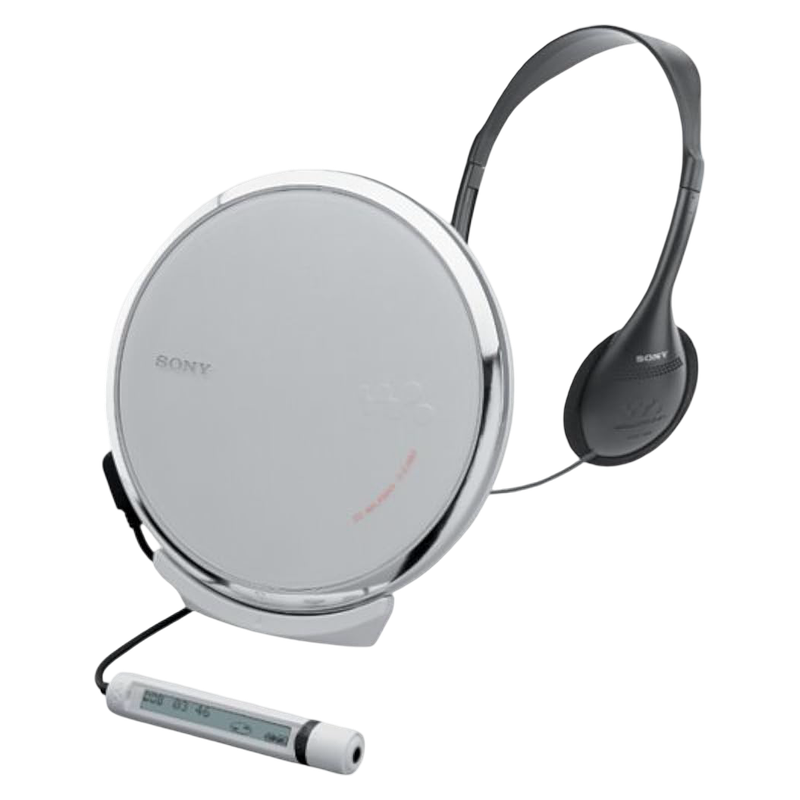
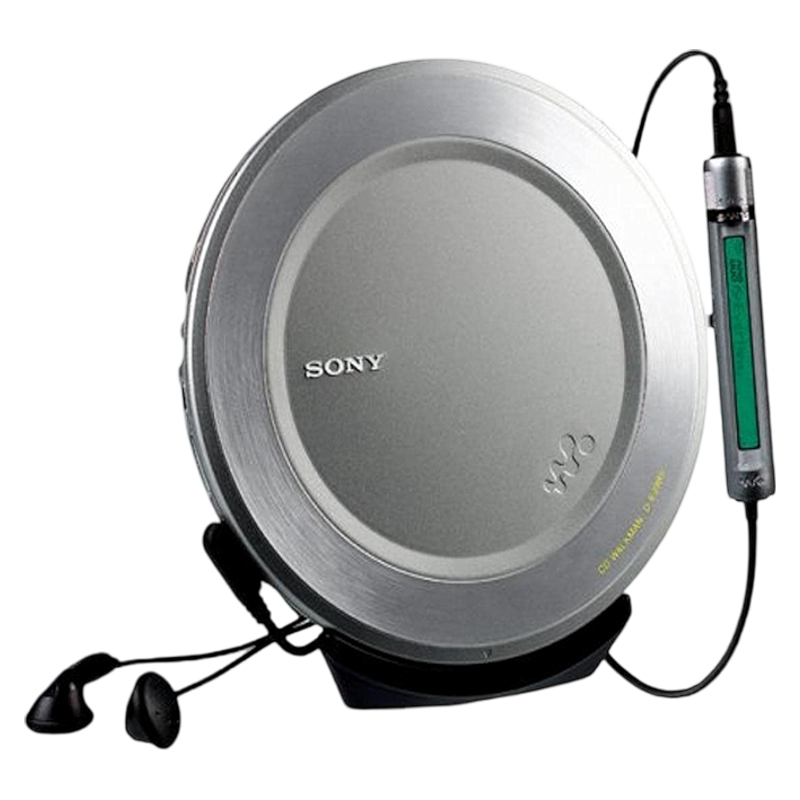
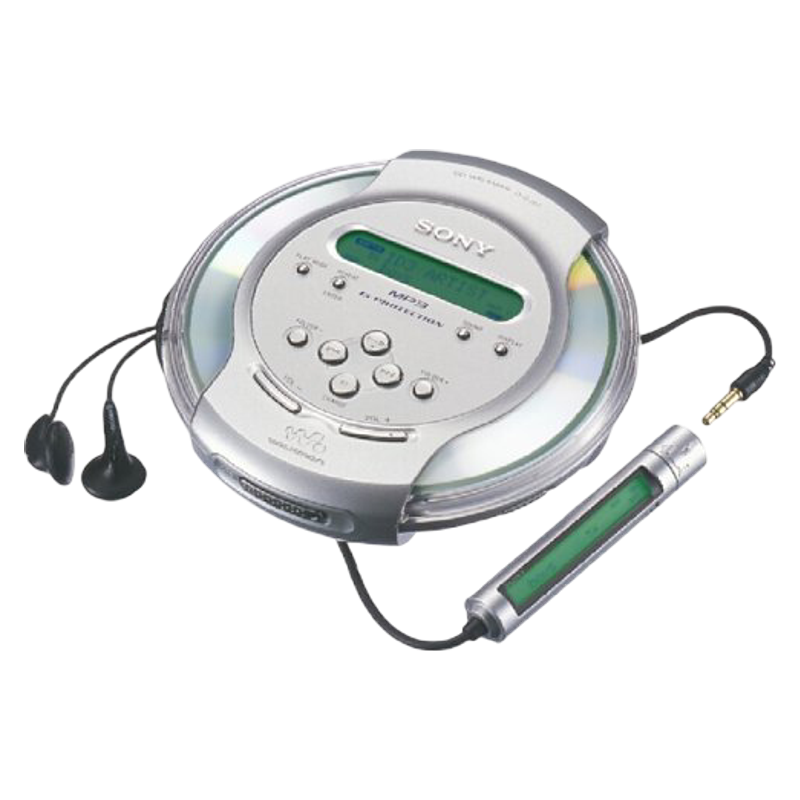
2002 D-CJ01
The D-CJ01 is a portable CD player that supports MP3 playback.

If you find it useful, you can support it. Support the archive
By 2002, Sony’s digital audio system had reached full maturity. Devices, software, and formats were tightly integrated, forming a complete workflow that connected computers to portable players with speed and precision. Technologies like NetMD improved transfer performance, while new hardware designs refined portability and battery life.
But this maturity also exposed the system’s limitations. Music could not move freely. Files had to be converted into ATRAC, managed through specific software, and restricted by digital rights rules. What had been designed as a controlled ecosystem now felt increasingly rigid, especially as more open formats like MP3 continued to spread outside of Sony’s environment.
What defines 2002 is not technological progress, but the growing gap between system design and user expectation. Sony had built one of the most advanced digital audio ecosystems available, but it required users to follow its rules. At the same time, alternative approaches were becoming simpler and more flexible. From this point forward, the question was no longer how powerful Sony’s system was, but whether people were willing to stay inside it.
The D-CJ01 is a portable CD player that supports MP3 playback.
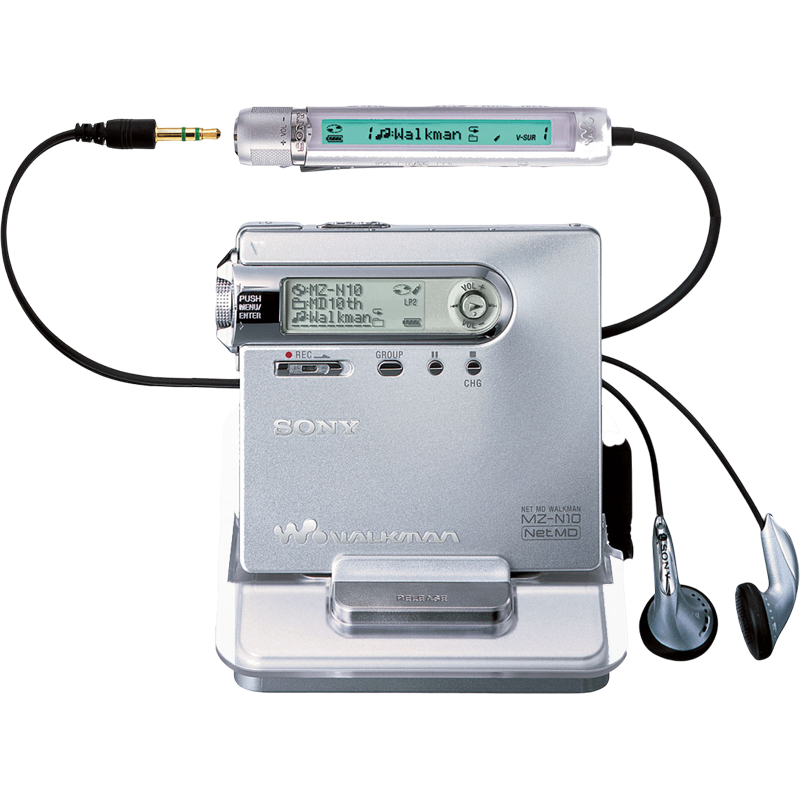
The MZ-N10 is a flagship NetMD recorder that integrates the basic configuration of a recording device and early PC connectivity functions into a compact, all-in-one body.
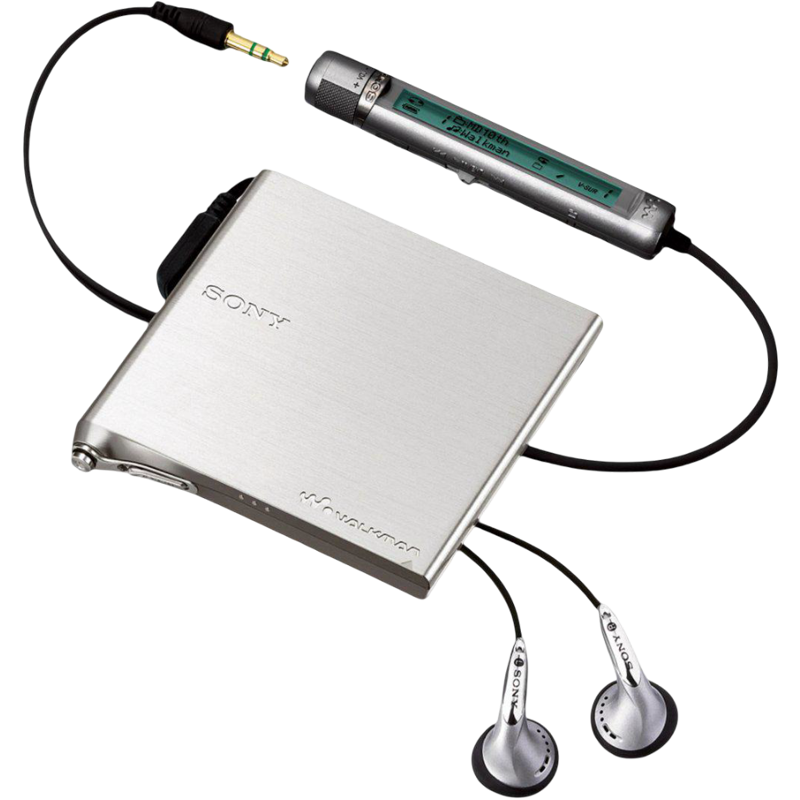
The MZ-E10 was a flagship MiniDisc player that pursued extreme thinness and compactness.
The NW-MS10 is the second-generation Memory Stick Walkman, following the NW-MS7.