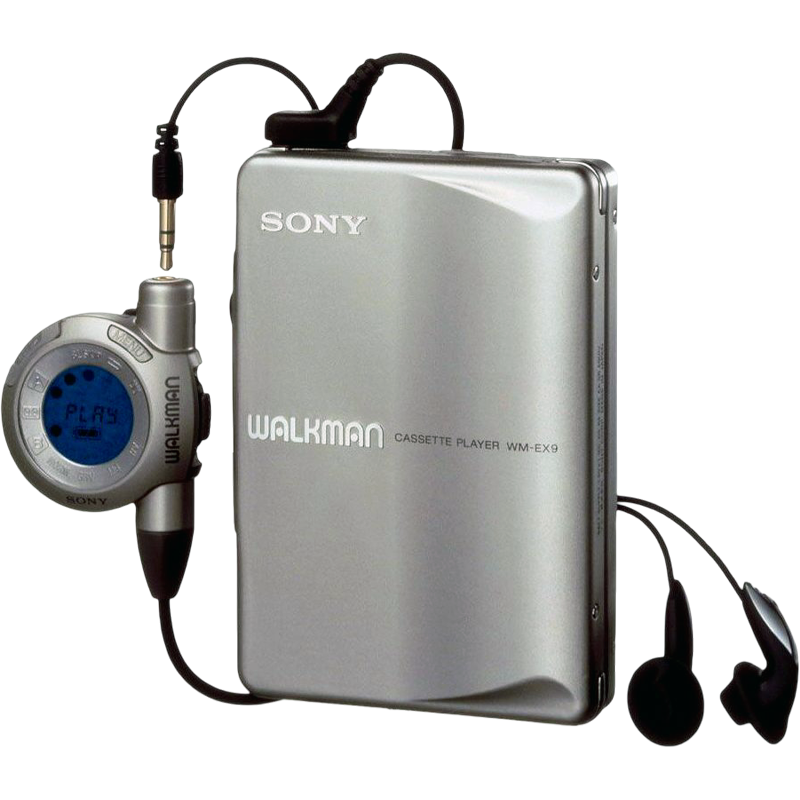
1998 WM-EX9
The WM-EX9 is a playback-only Walkman equipped with auto-reverse.

If you find it useful, you can support it. Support the archive
By 1998, Sony’s portable audio ecosystem had reached a point of stability. MiniDisc was no longer experimental. It had matured into a complete system with refined hardware and a clear use case, particularly in markets where its advantages were fully understood. At the same time, Discman and cassette Walkman remained deeply embedded in everyday listening.
This stability, however, masked a deeper shift. The traditional model of portable audio was still built around physical media, whether tape, disc, or magneto-optical formats. But new forms of digital audio were beginning to appear, detached from any single physical format. Early MP3 players and computer-based music storage introduced a different idea: that music could exist independently from the device used to play it.
What defines 1998 is not disruption itself, but the moment just before it. Sony had successfully built and sustained multiple portable audio systems at once, each refined and widely used. But the foundations of that model were beginning to change. The next phase of personal audio would not be defined by formats alone, and 1998 stands as one of the last years where the old structure still held together.
The WM-EX9 is a playback-only Walkman equipped with auto-reverse.
The WM-EQ7 is a playback-only Walkman equipped with auto-reverse.

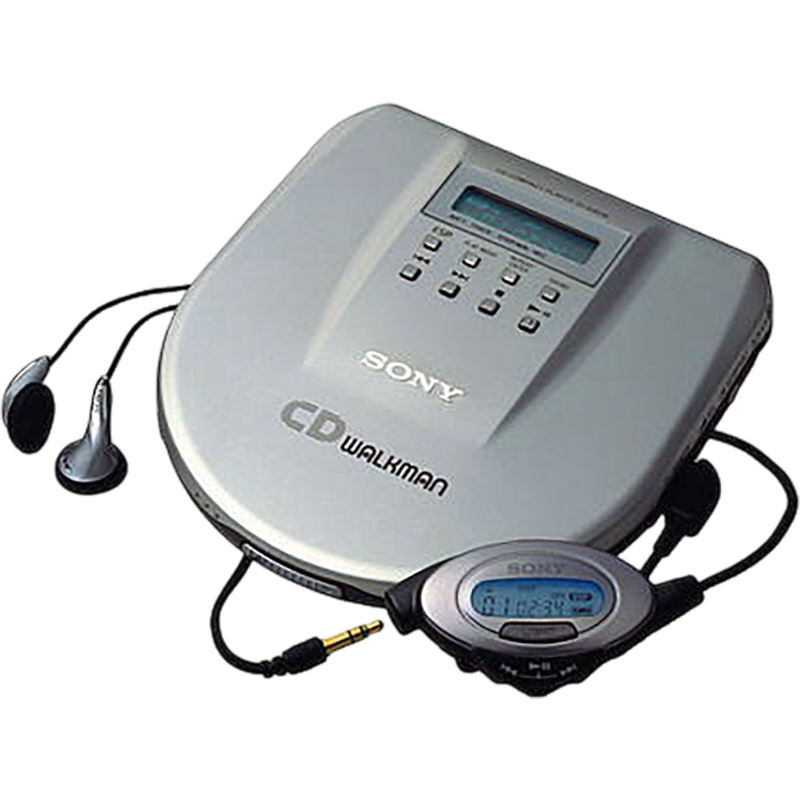
The D-E808 is a portable CD player equipped with an electronic anti-skip mechanism.
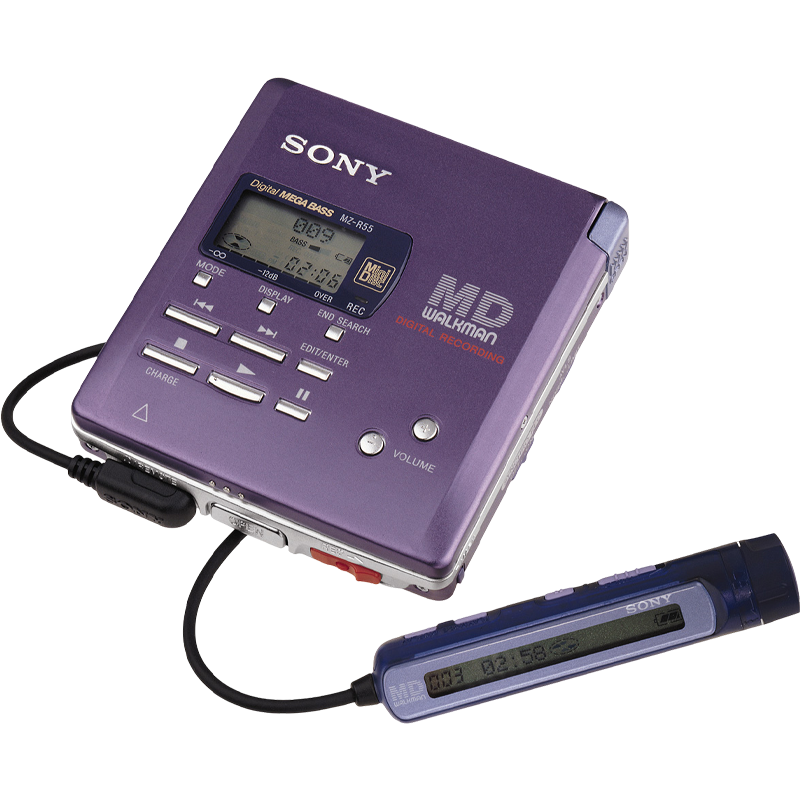
The MZ-R55 is a MiniDisc recorder that maintains the basic configuration of a recording device while achieving miniaturization and power saving.
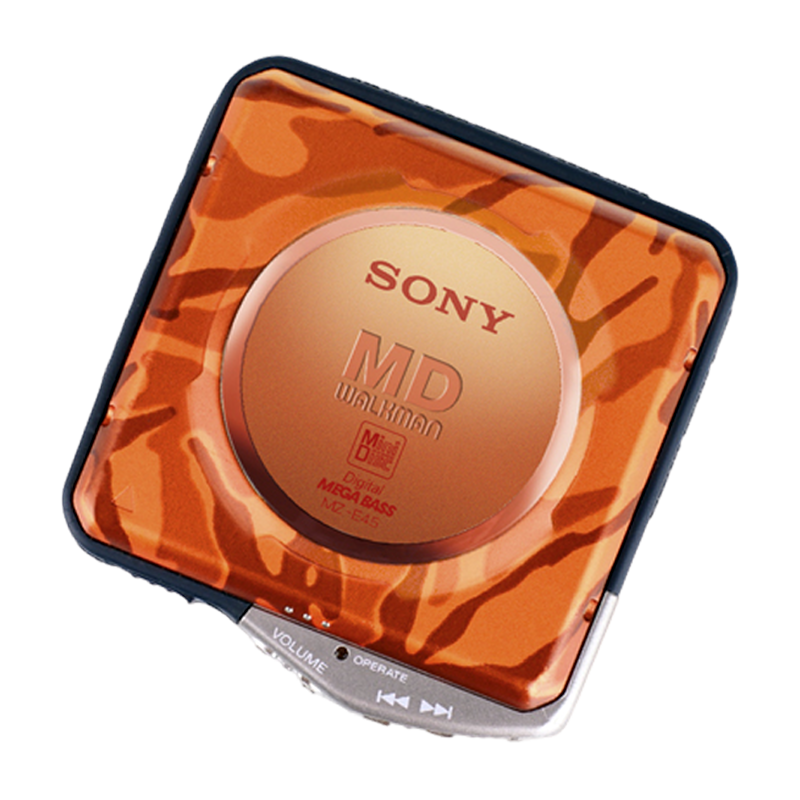
The MZ-E45 inherited the same operating style as its predecessors, while incorporating subtle improvements for everyday use.