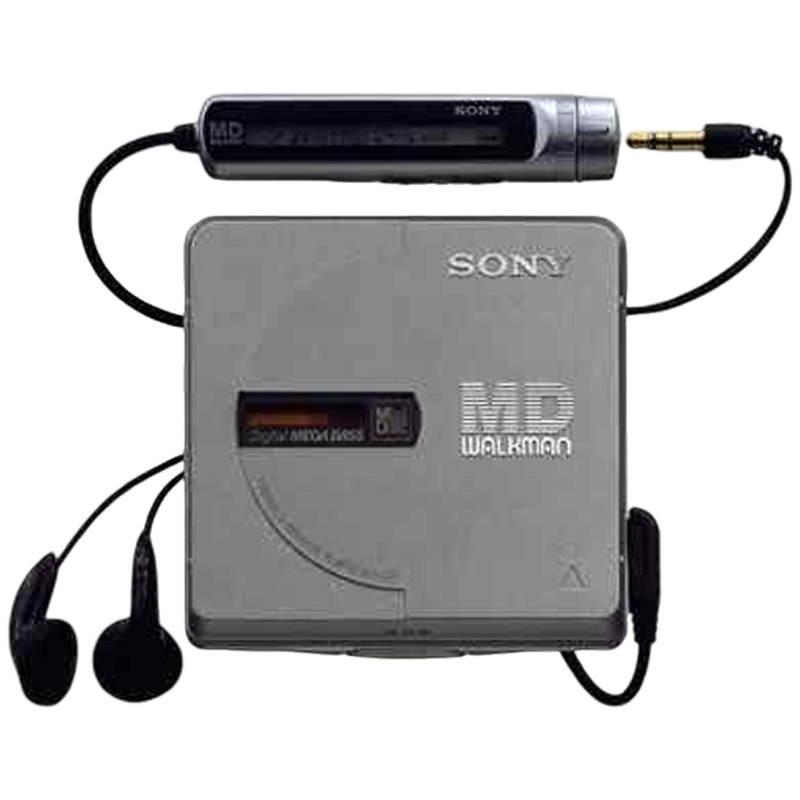
1997 WM-FS1
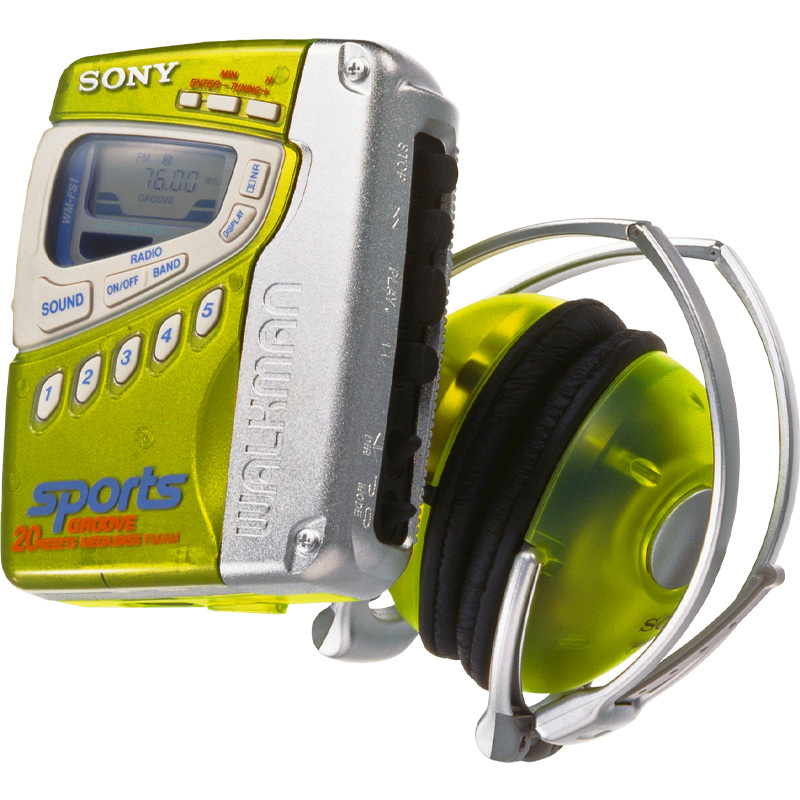
The WM-FS1 is a Walkman with a built-in radio.

If you find it useful, you can support it. Support the archive
By 1997, Sony was no longer trying to convince the market that MiniDisc was the future. Instead, it focused on making the format practical. After several years of uncertainty, the technology began to stabilize, with improvements in efficiency, size, and everyday usability.
MiniDisc hardware became smaller, more reliable, and better suited to portable use. Battery life improved, interfaces became more refined, and the overall experience moved closer to something consumers could integrate into daily life. These changes did not redefine the format, but they made it more coherent. For the first time, MiniDisc felt less like an idea and more like a system.
What defines 1997 is not a shift in market dominance, but a shift in execution. Sony was no longer introducing, positioning, or defending MiniDisc. It was refining it. In a market increasingly shaped by CD-R and existing formats, this refinement did not guarantee success, but it allowed MiniDisc to persist, particularly in regions where its advantages could still resonate.
The WM-FS1 is a Walkman with a built-in radio.
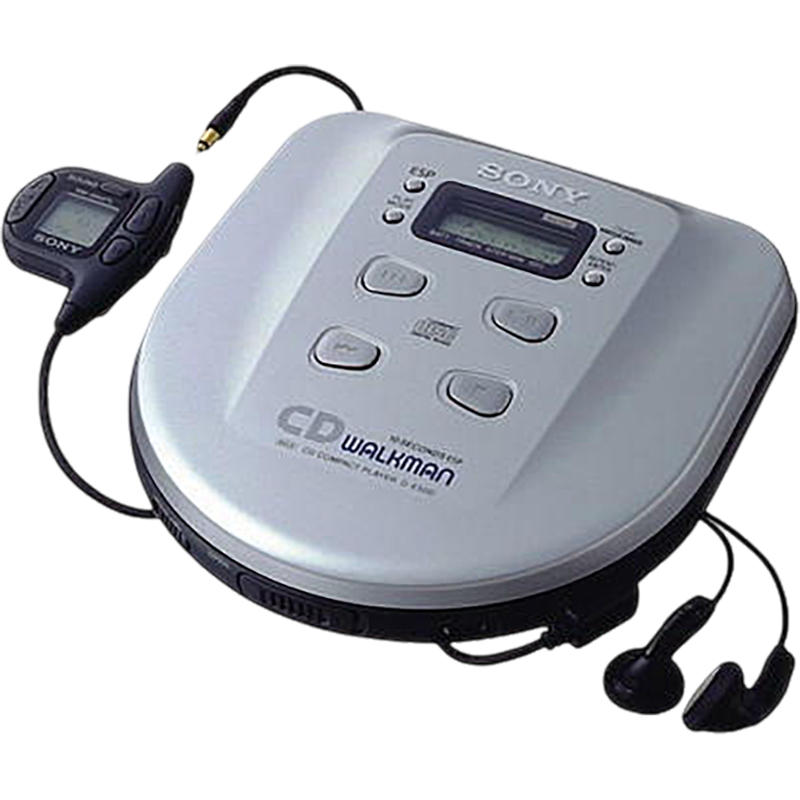
The D-E500 is a portable CD player equipped with an electronic anti-skip mechanism.
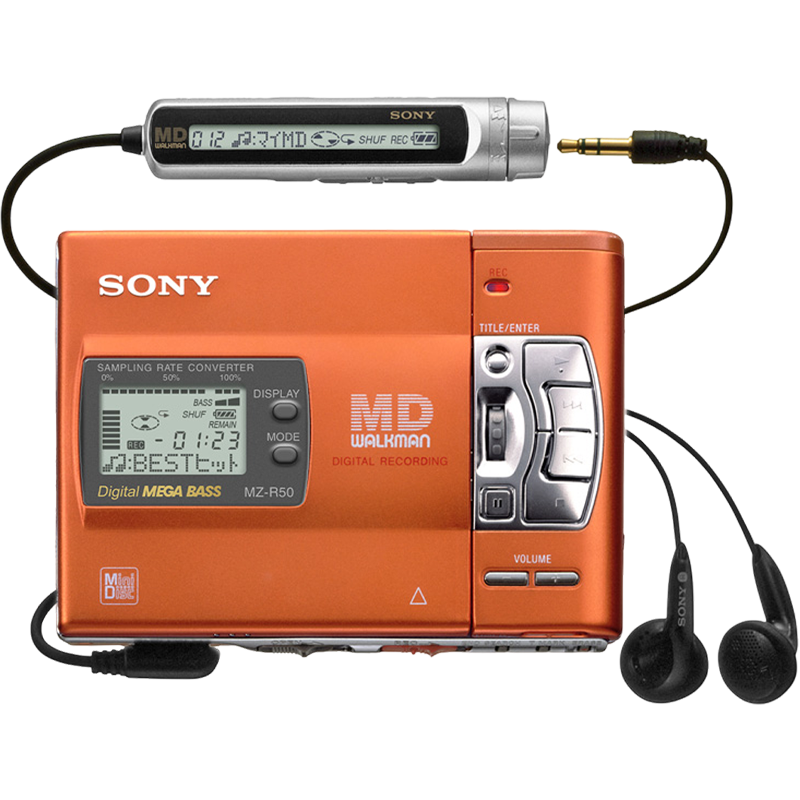
The MZ-R50 is a MiniDisc recorder that offers improved portability and ease of use compared to previous models.
The MZ-EP10 is a MiniDisc player that focuses on ease of use when inserting and removing discs, and employs a top-loading mechanism.
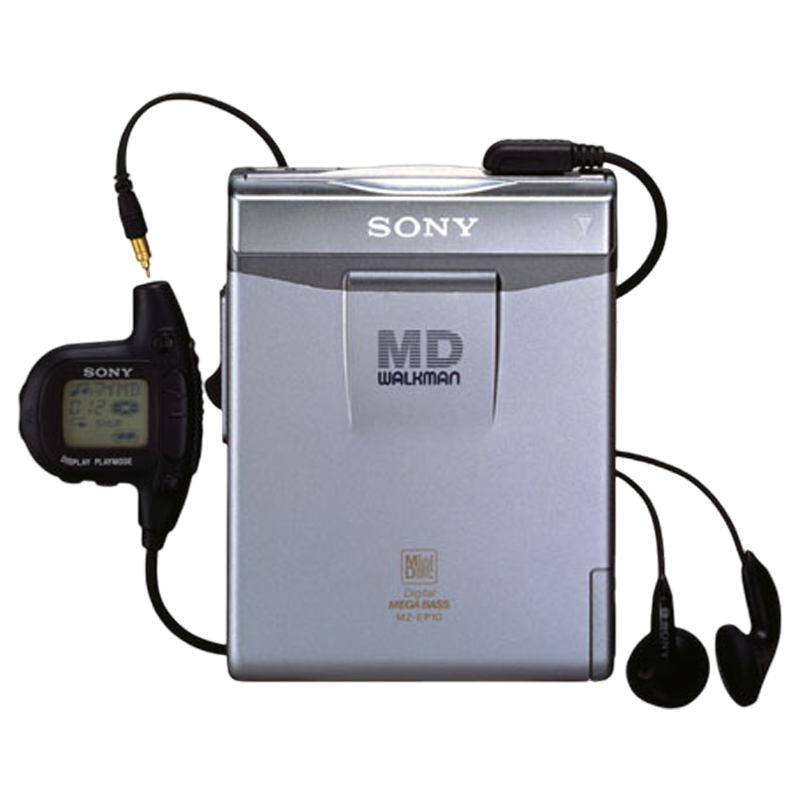
The MZ-E35 was a slim MiniDisc player that introduced a new operating style with its dedicated LCD remote control.