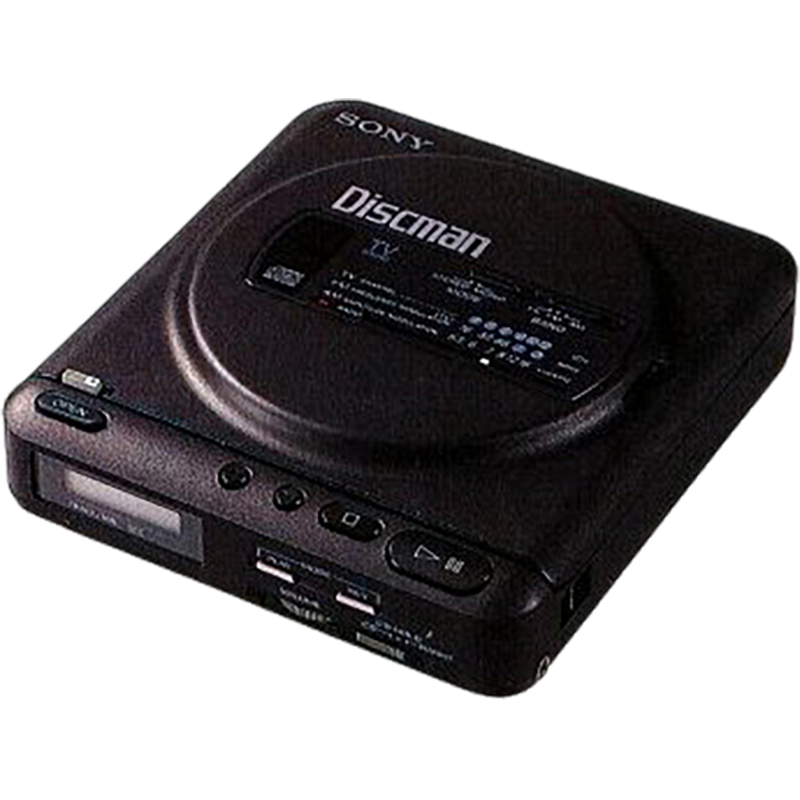
1989 WM-DD9
The WM-DD9 is a playback-only Walkman that employs a disc drive mechanism.

If you find it useful, you can support it. Support the archive
By 1989, Sony was operating at the height of its late-1980s confidence, shaped as much by Japan’s economic expansion as by its own internal ambition. This was the same year Sony completed the acquisition of Columbia Pictures, a move that showed how far the company’s thinking had expanded beyond hardware alone. Consumer electronics were no longer just products. They were part of a larger media strategy Sony was trying to build around software as well as hardware.
Inside portable audio, that confidence produced a different kind of engineering mindset. Cassette was no longer a problem to solve. It was a platform to perfect. Walkman design in this period focused on mechanical precision, material quality, and refinement at a level that had little to do with cost efficiency. At the same time, Discman was being pushed toward something closer to high-end audio, borrowing ideas from full-size CD players and compressing them into portable form without fully giving up their identity.
What makes 1989 stand out is not that one format overtakes another, but that Sony still treated both as if they deserved to reach their peak. Cassette and CD were not in direct competition yet. They were both being advanced with equal conviction. That balance would not last long, which is why 1989 now feels less like a transition point and more like one of the last moments when Sony was still trying to perfect everything at once.
The WM-DD9 is a playback-only Walkman that employs a disc drive mechanism.
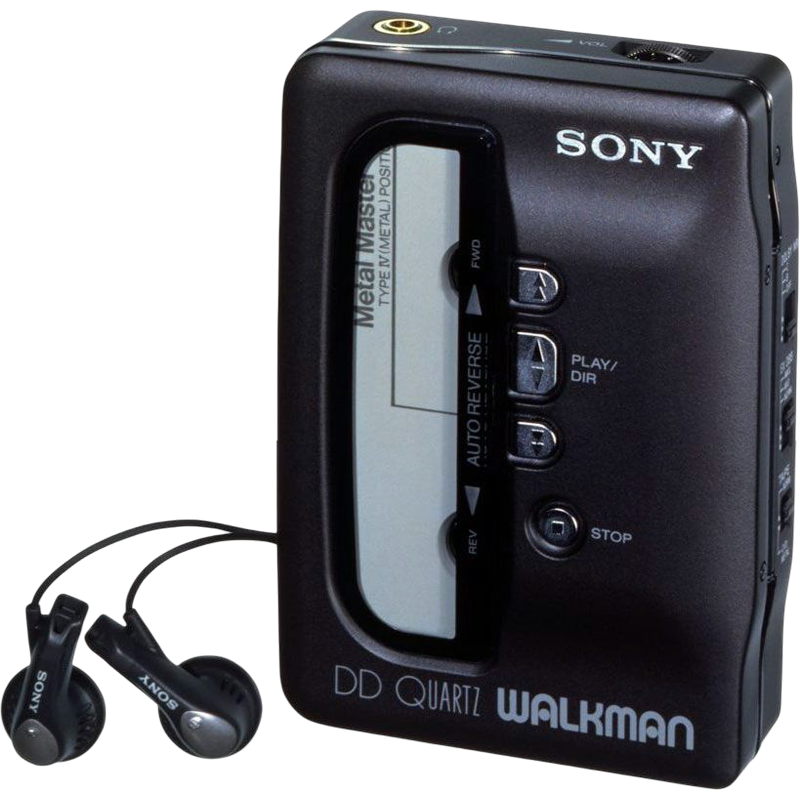
The WM-701S is a playback-only Walkman equipped with auto-reverse.
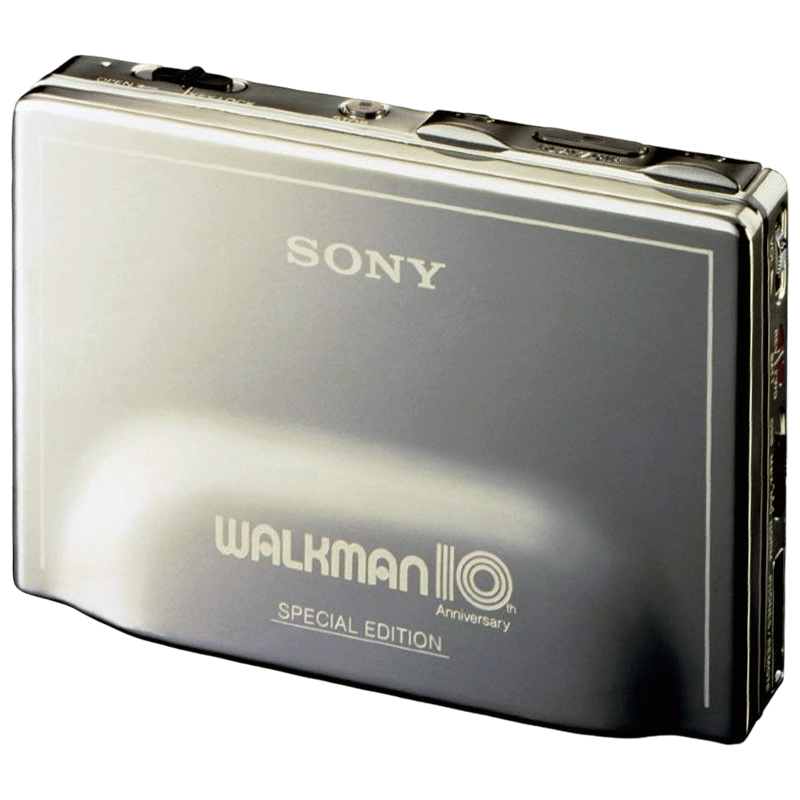
The WM-F707 is a Walkman with a built-in radio.

The D-Z555 is a high-end portable CD player designed for high-quality sound reproduction.
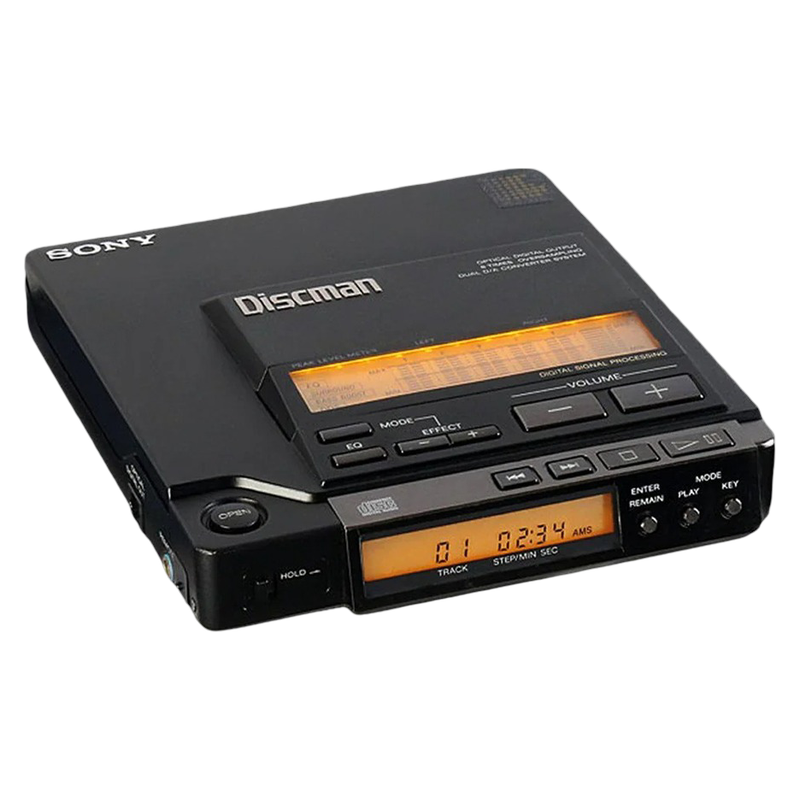
The D-350 is a portable CD player with expanded control capabilities.