
Models started prioritizing sound signature and build quality over broad accessibility. The shift away from competing directly with mass-market MP3 players became visible in materials, feature sets, and pricing.
NWZ-B153F
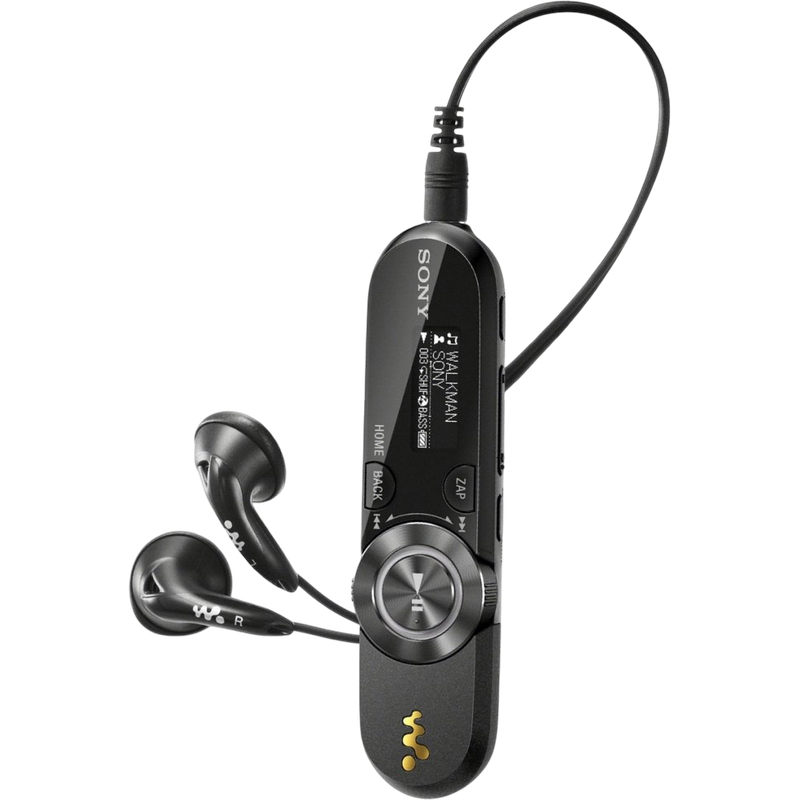
The NWZ-B153F remained an entry-level model in Sony's B Series Network Walkman. The series continued its focus on simple flash-based audio with direct connectivity. It provides 4 GB storage for MP3 and WMA files. An LCD display showed track information, and the lithium-ion battery lasted 18 hours. Direct USB enabled transfers, with FM radio, recording, and ZAPPIN includes. This unit comes from the late phase of Sony's budget B Series, when the line had become very good at doing exactly what it is meant to do. This is a compact, cheap, low-friction Walkman with FM radio, direct USB transfer, and just enough styling to keep it from feeling disposable. Loading music and using the player is meant to feel almost boringly easy.
NWZ-E453
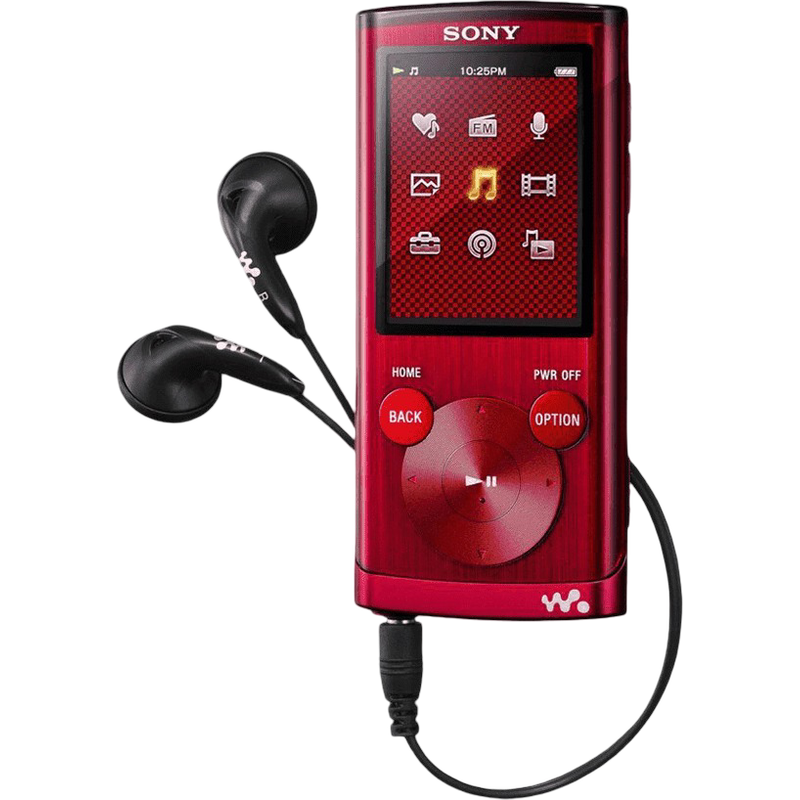
The NWZ-E453 is part of Sony's ongoing E Series Network Walkman. It incorporated updated audio processing such as DSEE, Omakase Channel, and Lyric Pita while keeping multimedia support. With 4 GB flash storage for MP3, WMA, AAC, and WAV files, it handled video and photo playback. A 240x320 TFT display, lithium-ion battery for 50 hours, FM radio, and WM-PORT defined its use. The E453 sits in one of the stronger late E generations, where Sony had finally figured out how to make the entry-level Walkman feel complete without overworking it. It keeps the stripped-back identity the E line had settled into, but adds just enough screen presence, sound processing, and polish to avoid feeling bare. Sony was not trying to turn it into a mini A Series. It was trying to make a modest player feel satisfying in everyday use.
NWZ-B152
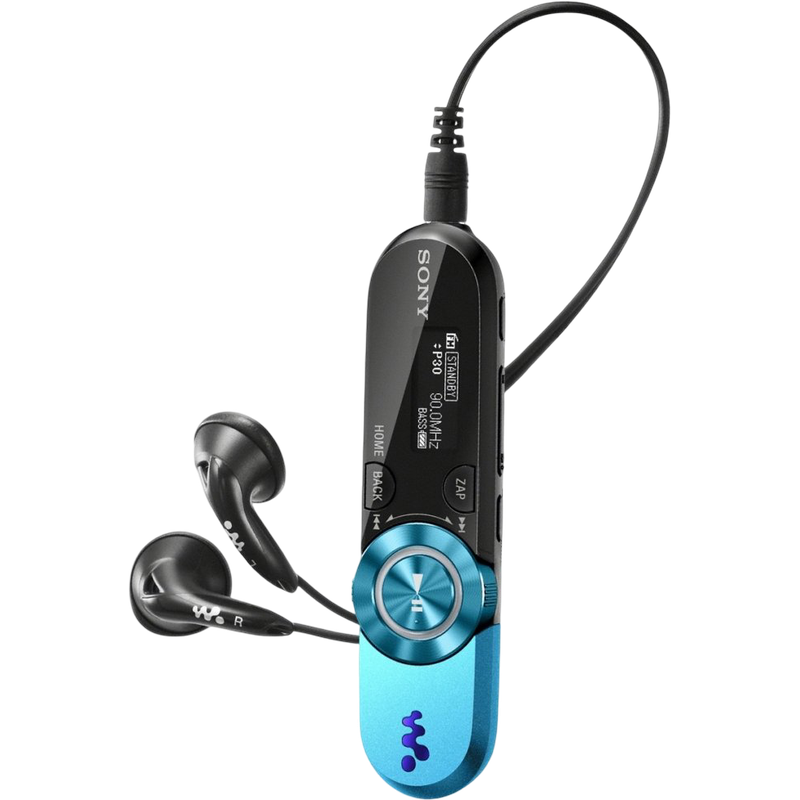
The NWZ-B152 is a basic entry-level B Series Network Walkman. It focused on compact flash audio with minimal extras. Featuring 2 GB storage for MP3 and WMA playback, it uses an LCD display and lithium-ion battery for 18 hours. Direct USB connection and ZAPPIN handled transfers and previews. The B152 is a very direct expression of Sony's late budget Walkman thinking. It is built around ease of use above everything else: direct USB transfer, compact size, and minimal friction between loading music and playing it. It is less of a designed object and closer to a straightforward tool, which is exactly what this branch needed to be.
NWZ-B152F
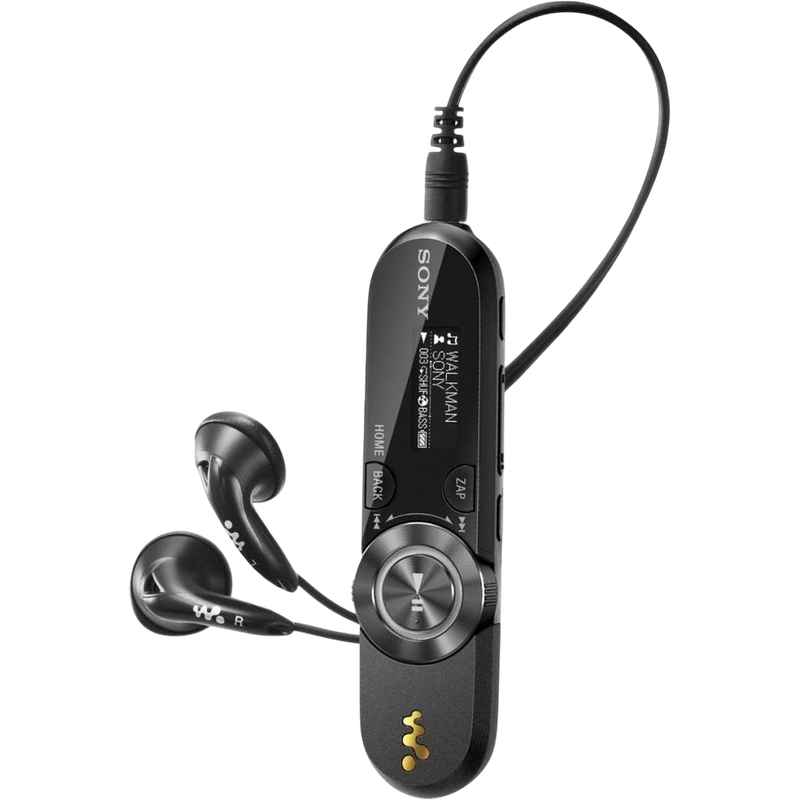
The NWZ-B152F added FM radio to the 2 GB B Series entry-level design. It stayed within the simple portable audio branch. With 2 GB flash memory supporting MP3 and WMA files, it includes LCD display, 18-hour battery, direct USB, FM radio with recording, and ZAPPIN. The FM-equipped B152F takes that same stripped-down approach and adds a compact amount of flexibility without changing the core idea. Sony is not trying to elevate the player, just to make it more useful when you were not relying on your own library. The additions stay grounded in actual use instead of feature inflation.
NWZ-B153
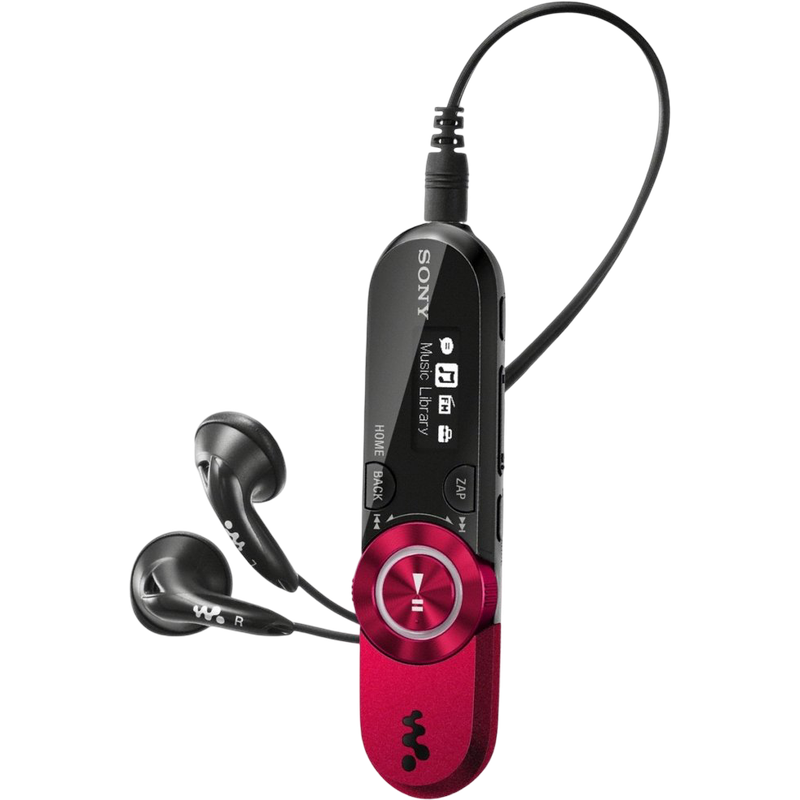
The NWZ-B153 provides 4 GB capacity without radio in the 2010 B Series Network Walkman. It represented the straightforward flash player option. It offers 4 GB storage for MP3 and WMA playback. The LCD screen, lithium-ion battery for 18 hours, direct USB connection, and ZAPPIN formed its core operation. The B153 gives the same budget platform a little more room, which makes it easier to live with day to day. It still is part of the "compact, low-maintenance Walkman" side of the lineup, but with less of the cramped feeling that could affect the smallest variants.
NWZ-E353
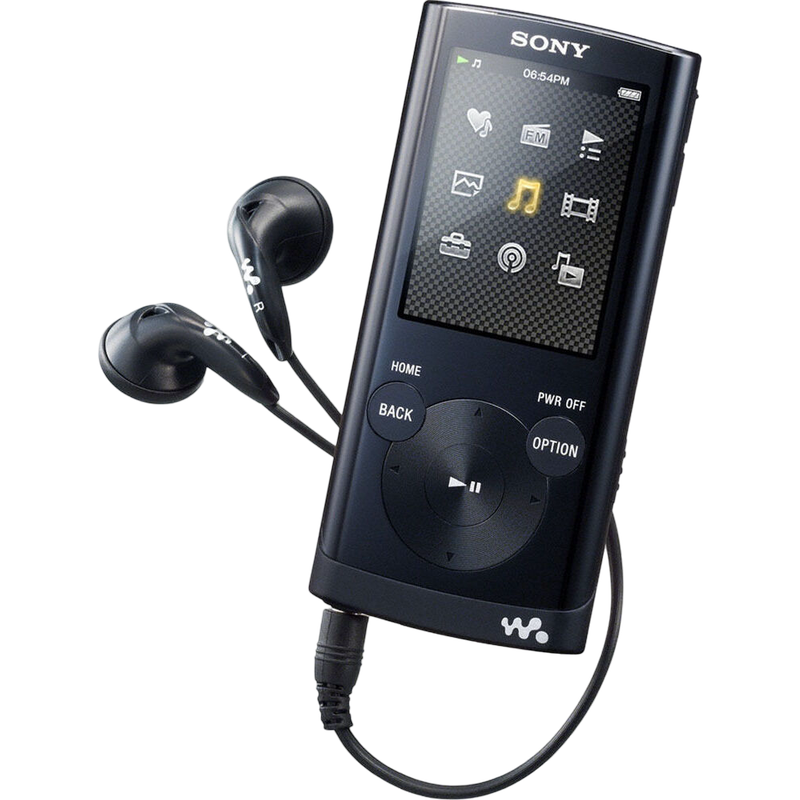
The NWZ-E353 is an updated model in Sony's E Series Network Walkman. It incorporated DSEE, Omakase Channel, and Lyric Pita for improved audio processing. With 4 GB storage supporting MP3, WMA, AAC, and WAV playback plus video and photo, it uses a 240x320 TFT display and lithium-ion battery for 50 hours, including FM radio. The E353 is part of the phase where Sony had settled the E Series into a very readable, low-friction compact Walkman line. The focus here is on ease: simple transfer, compact form, and minimal setup. The player is not trying to act like a media hub or a premium object. It is built to be uses without much thought.
NWZ-E354
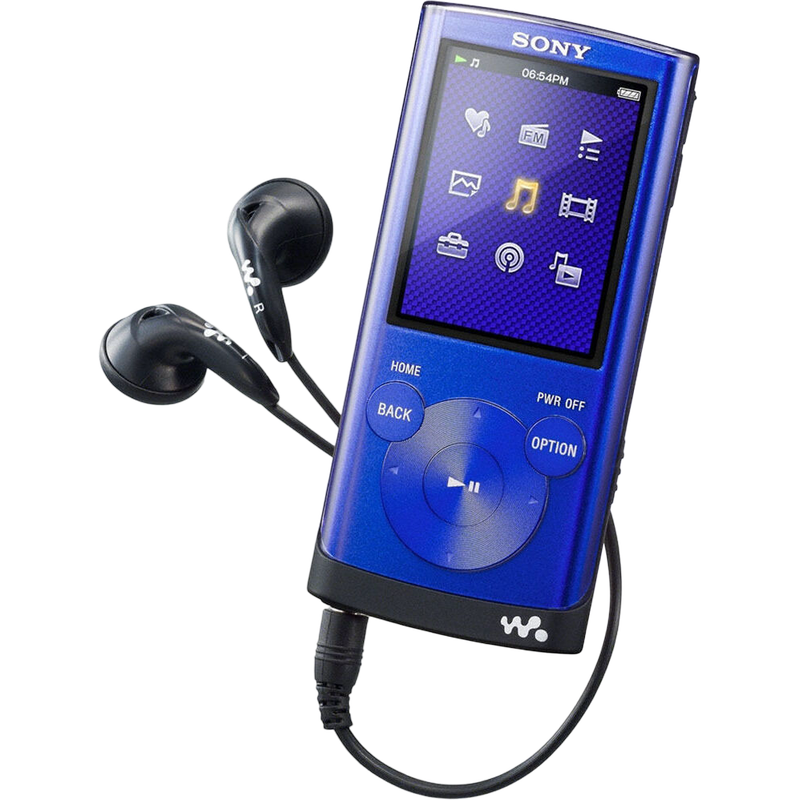
The NWZ-E354 provides 8 GB capacity with the new audio tools in the E Series lineup. It features 8 GB flash storage for MP3, WMA, AAC, and WAV files along with video and photo playback. The 240x320 TFT display, 50-hour battery, FM radio, and WM-PORT supports DSEE, Omakase Channel, and Lyric Pita. The E354 is the more balanced version of that same generation, with enough capacity to feel comfortable as an everyday player. It keeps the same low-maintenance identity without adding unnecessary complexity. Sony had moved past the earlier habit of overdesigning entry-level players.
NW-S754
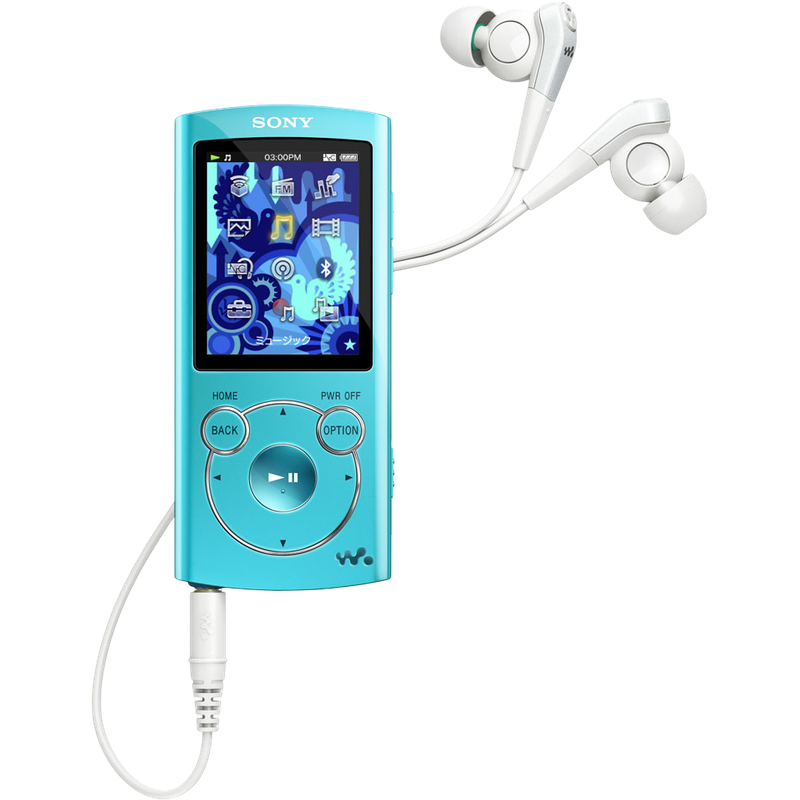
The NW-S754 is the first S Series Network Walkman to make digital noise cancellation standard across the entire family. It belonged to the eighth-generation lineup and features a rounded redesign. It offers 8 GB storage supporting MP3, WMA, AAC, and WAV playback plus video and photo. Lithium-ion battery life reached 42 hours, with WM-PORT, Omakase Channel, and noise cancellation includes. The S754 belongs to a cleaner late S generation, where Sony had moved away from the bulkier speaker-era models and returned the line to something sleeker and more personal. It keeps the polish and consumer-friendly tone but removes some of the excess. The result is a player that feels more focused and easier to carry.
NW-S754K
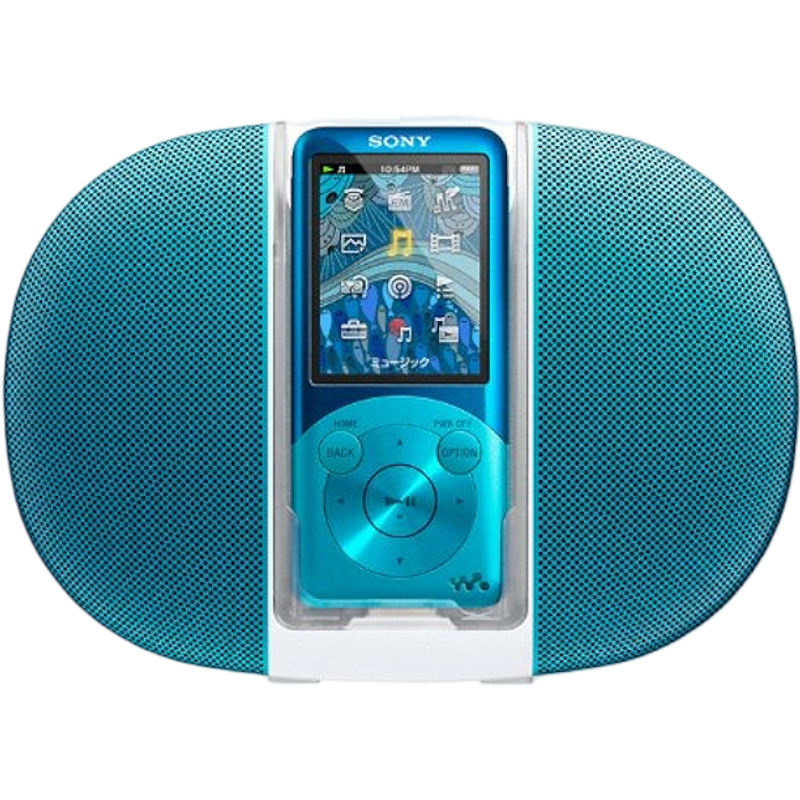
The NW-S754K added speaker support to the eighth-generation S Series Walkman with standardized noise cancellation. It features 8 GB storage supporting MP3, WMA, AAC, and WAV playback, video, and photo. The lithium-ion battery provides 42 hours, with WM-PORT, Omakase Channel, noise cancellation, and built-in speaker. The K version extends the same S754 platform into an accessory-driven retail package. The underlying player was already stable, so Sony could build around it instead of redefining it.
NW-S754K/VI
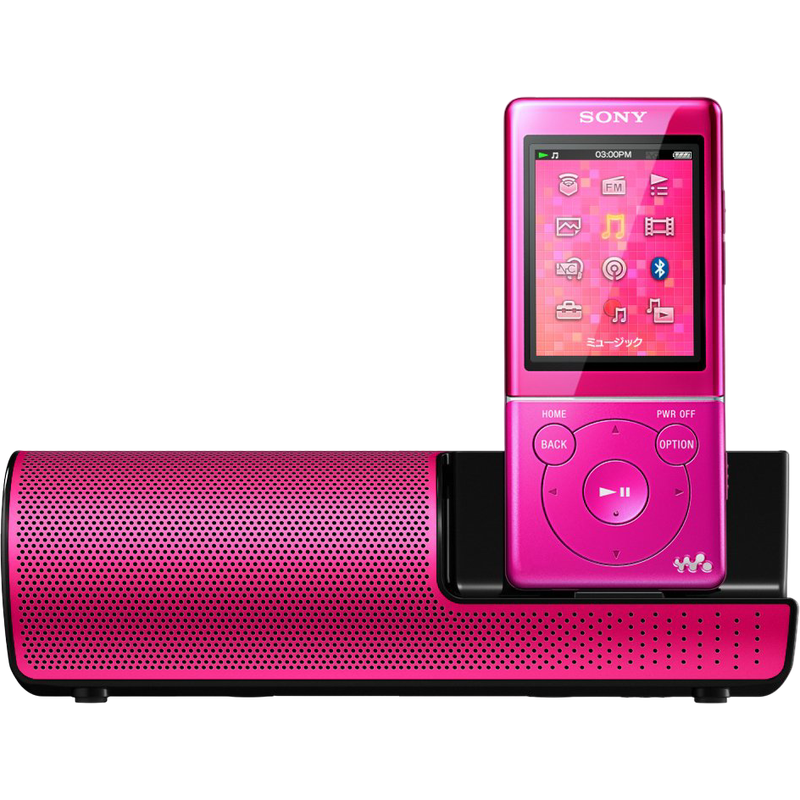
The NW-S754K/VI is a color variant of the speaker-equipped eighth-generation S Series model. It retained the full noise cancellation standardization and rounded redesign. With 8 GB storage for MP3, WMA, AAC, and WAV files plus video and photo, it includes lithium-ion battery for 42 hours, WM-PORT, Omakase Channel, noise cancellation, and speaker. Another variation of the same S754K platform, carrying the same meaning as the other versions.
NW-S755
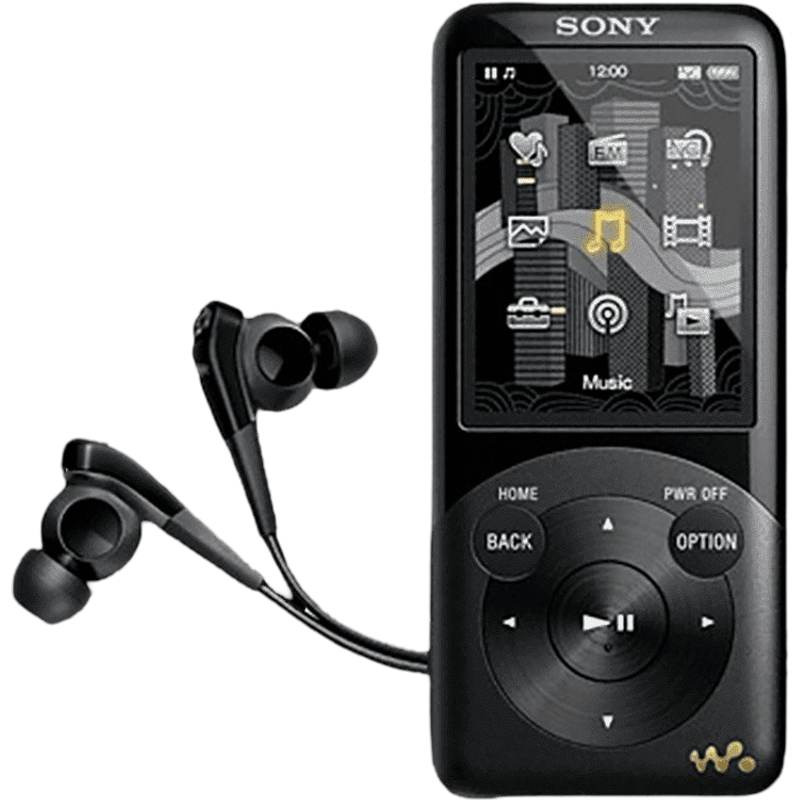
The NW-S755 provides 16 GB capacity in the eighth-generation S Series Network Walkman. It continued the standardized noise cancellation across the family. Equipped with 16 GB flash storage supporting MP3, WMA, AAC, and WAV playback plus video and photo, it uses a lithium-ion battery for 42 hours. WM-PORT and Omakase Channel were included with noise cancellation. The S755 sits in the same late S generation and lands in a more practical capacity tier. It keeps the same sleek, inward-focused identity without adding unnecessary weight or complexity. It is a personal player instead of a compact multimedia device.
NW-S755K
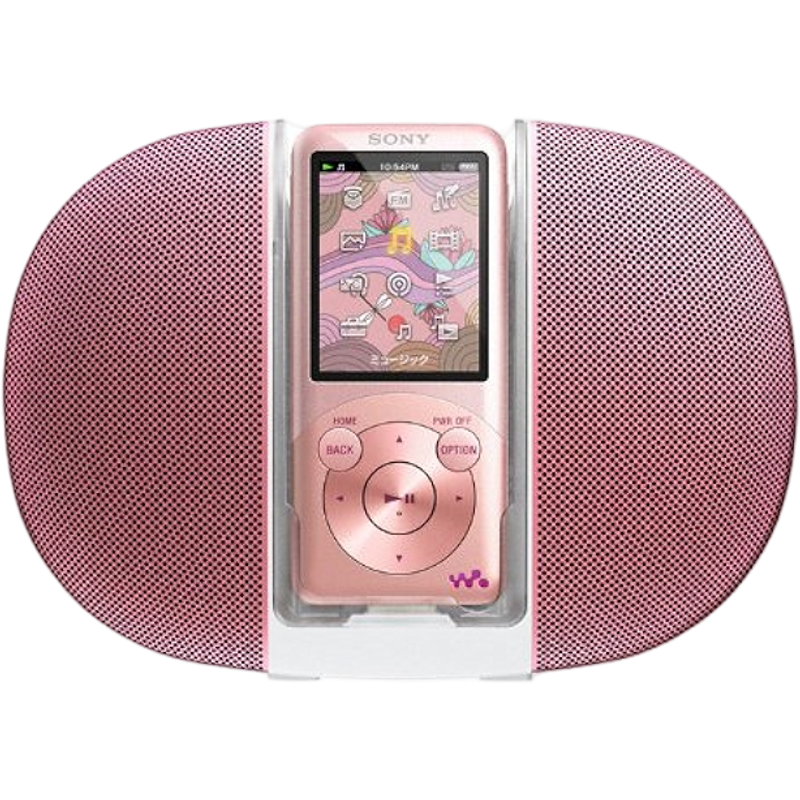
The NW-S755K incorporated built-in speaker in the 16 GB eighth-generation S Series model. It kept the rounded redesign and universal noise cancellation. It offers 16 GB storage for MP3, WMA, AAC, and WAV files, video, and photo playback. The 42-hour lithium-ion battery, WM-PORT, Omakase Channel, noise cancellation, and speaker completed its functions. The K version keeps the same S755 platform and extends it into the same accessory-driven packaging as the rest of the family. The role remains unchanged.
NW-S756
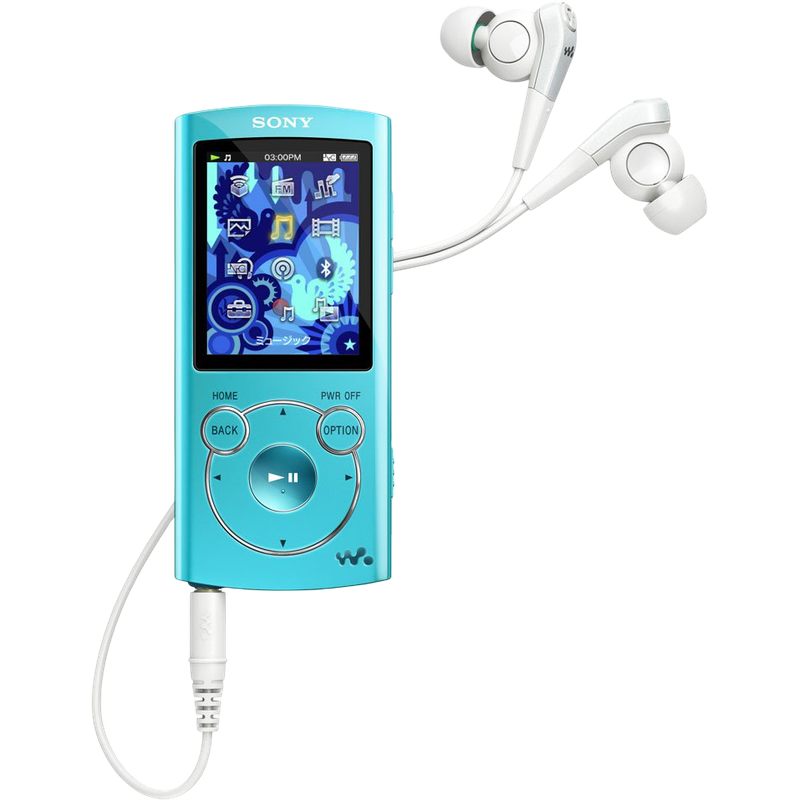
The NW-S756 delivers the maximum 32 GB storage in the eighth-generation S Series lineup. It represented the top end with standardized noise cancellation. With 32 GB flash memory supporting MP3, WMA, AAC, and WAV playback plus video and photo, it features a lithium-ion battery for 42 hours. WM-PORT and Omakase Channel supports the noise cancellation feature set. The S756 caps this late S generation and gives it the most complete version of that cleaner, more composed identity. It still follows the same design direction, but with enough capacity to feel less constrained.
NW-E052
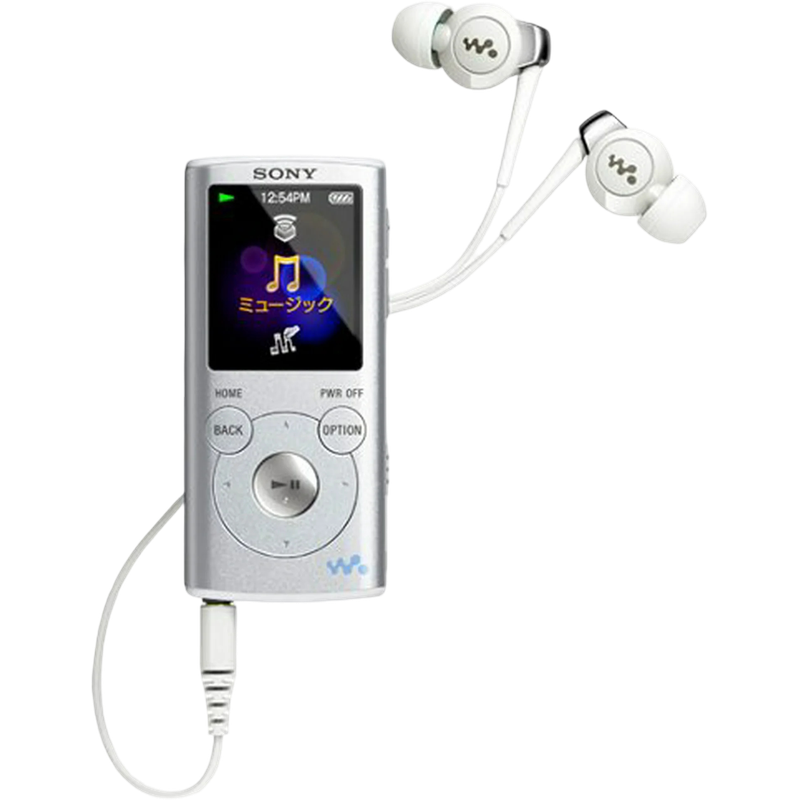
The NW-E052 is the first E Series Network Walkman built on Linux. It belonged to the eleventh-generation family and introduced a plate-type body with new connector and audio-processing features. It features 2 GB storage supporting MP3, WMA, and AAC playback. An LCD display and lithium-ion battery for 30 hours were standard, with WM-PORT, DSEE, Omakase Channel, and Lyric Pita. This Walkman model was a lower-capacity late E Series model from the point when Sony had largely left behind the old Network Walkman awkwardness and settled into a much simpler drag-and-transfer idea of what an entry-level player should be. By now the E line was no longer trying to be clever or overdesigned. It was trying to be direct. After years of format politics, software baggage, and design overcorrection, the E Series had become refreshingly plain in the best possible way.
NW-E052K
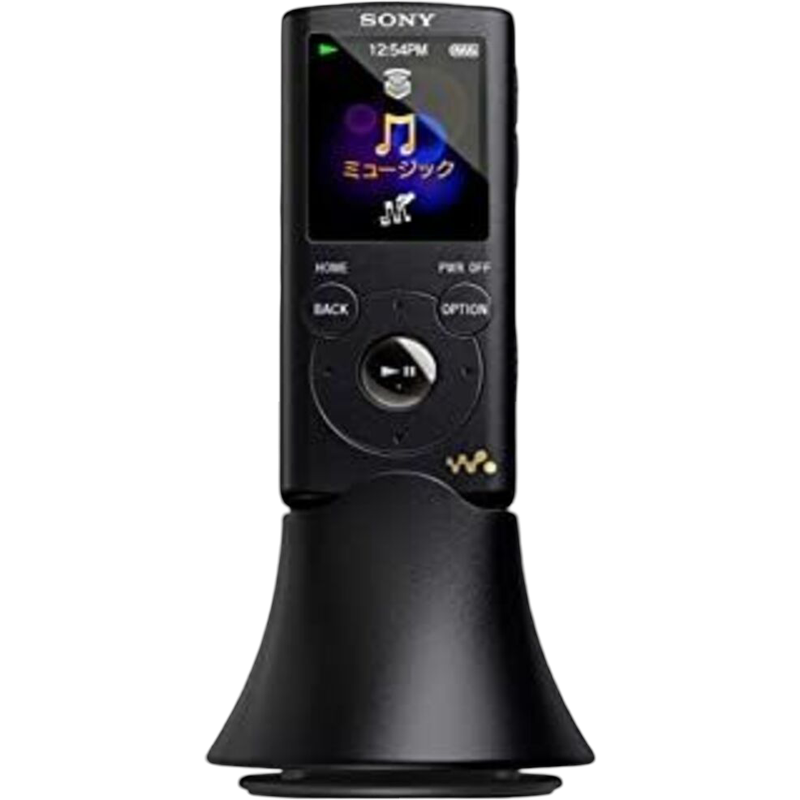
The NW-E052K added speaker support to the first Linux-based E Series model. It carries the eleventh-generation platform shift and plate-type design. With 2 GB storage for MP3, WMA, and AAC files, it uses an LCD display and 30-hour lithium-ion battery. WM-PORT, DSEE, Omakase Channel, Lyric Pita, and built-in speaker were included. This player belonged to the same late E family but with a speaker-focused presentation layered on top. The core idea stays the same: simple transfer, compact form, and low-friction use. By this point the platform is stable enough that Sony could add compact variations without changing what the line is doing.
NW-E053K
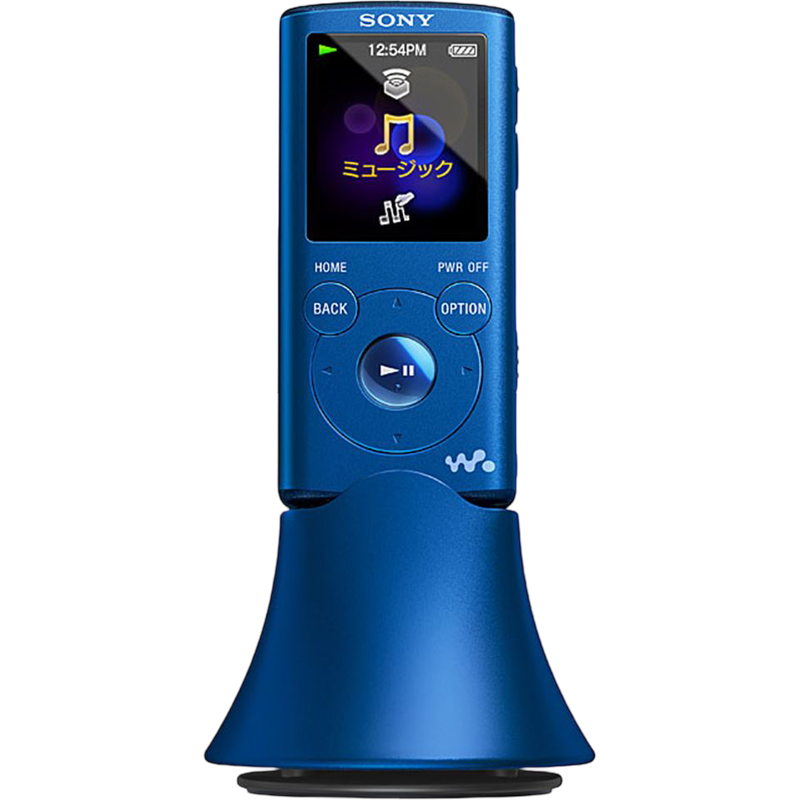
The NW-E053K is the speaker-equipped 4 GB model in the eleventh-generation E Series. It marked the platform transition to Linux and plate-type body. Featuring 4 GB storage for MP3, WMA, and AAC files, it uses an LCD display and 30-hour battery. WM-PORT, DSEE, Omakase Channel, Lyric Pita, and built-in speaker were standard. A speaker-equipped variation of the same late E platform, and one of those branches that only really works once the core player has already become stable. The added speaker does not change the player's identity, but it does make it feel a little more casual and self-contained.
NW-A855
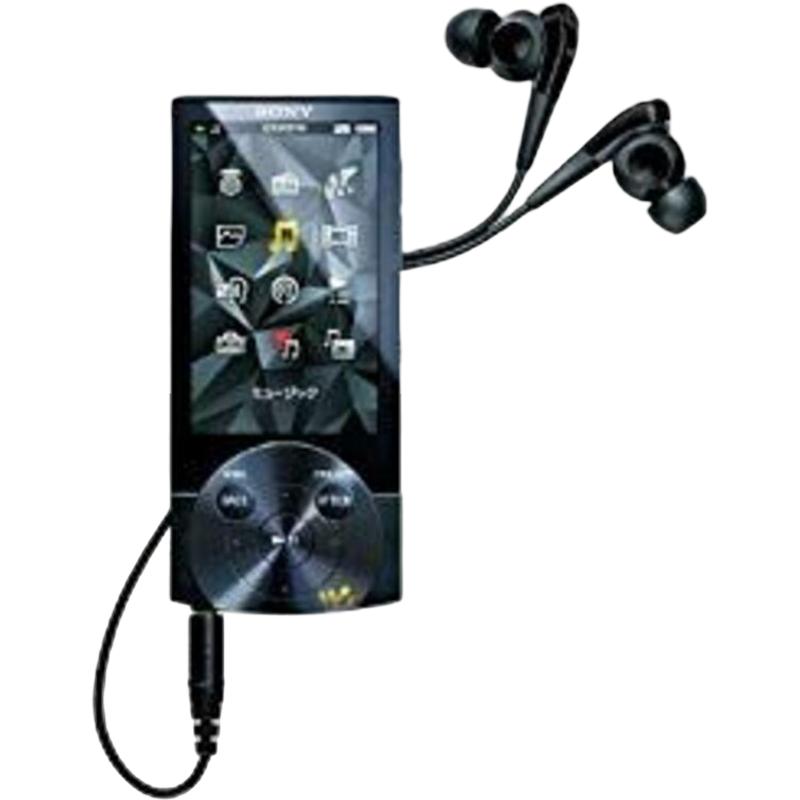
The NW-A855 belonged to the sixth-generation A Series Network Walkman family. It retained the A840 design and accessory compatibility while adding Omakase Channel. With 16 GB storage supporting ATRAC, MP3, WMA, and AAC playback plus video and photo, it uses a lithium-ion battery for 36 hours. By this point the A Series had settled into its clearest role as the premium flash Walkman line, and the A850 family tightens everything around that idea. Thinner body, OLED display, and a more restrained design language shift the focus from feature-rich to well-finished. Earlier A models often felt like they were still negotiating what kind of premium device they wanted to be. The A855 does not carry that tension. The design feels edited, with less visual noise and less need to prove anything through features or styling.
NW-A856
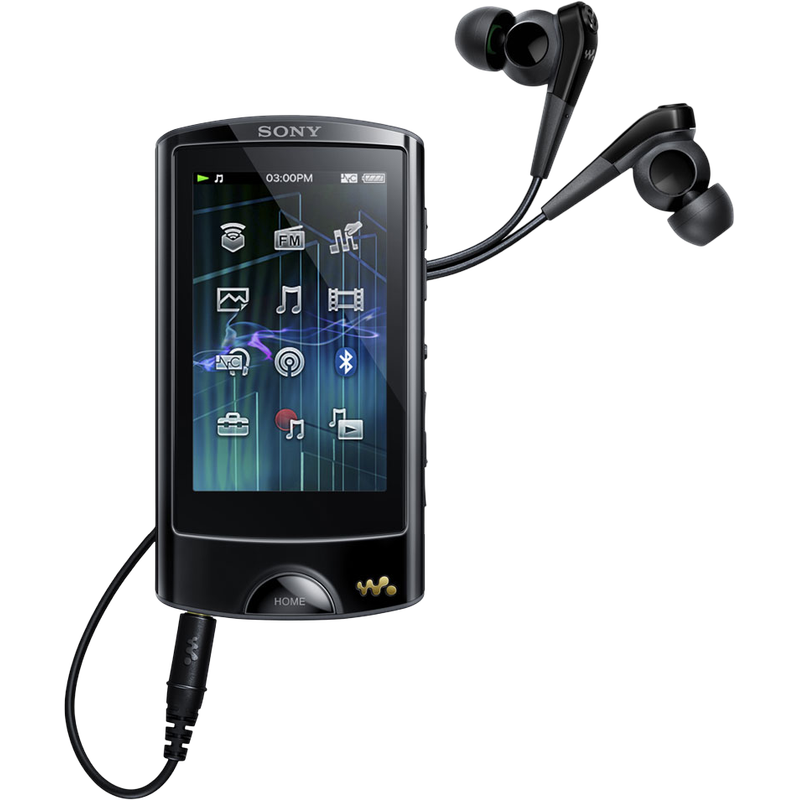
The NW-A856 provides 32 GB storage in the sixth-generation A Series lineup. It kept the prior design language and accessory support. It features 32 GB storage for ATRAC, MP3, WMA, and AAC files along with video and photo playback. The lithium-ion battery offers 36 hours of use, with Omakase Channel includes. The A856 sits right in the middle of the A850 family and is probably the most usable version of the concept. It keeps the same slim, refined identity but with enough capacity to make it feel fully practical instead of slightly constrained. A lot of Sony's earlier premium portables looked great but felt like trade-offs. The A856 avoids that. It does not feel like a compromise between size and usability. It feels properly balanced.
2010 initiated Sony’s long-term commitment to a higher-value proposition. It laid the groundwork for the explicit premium and high-resolution direction that followed.