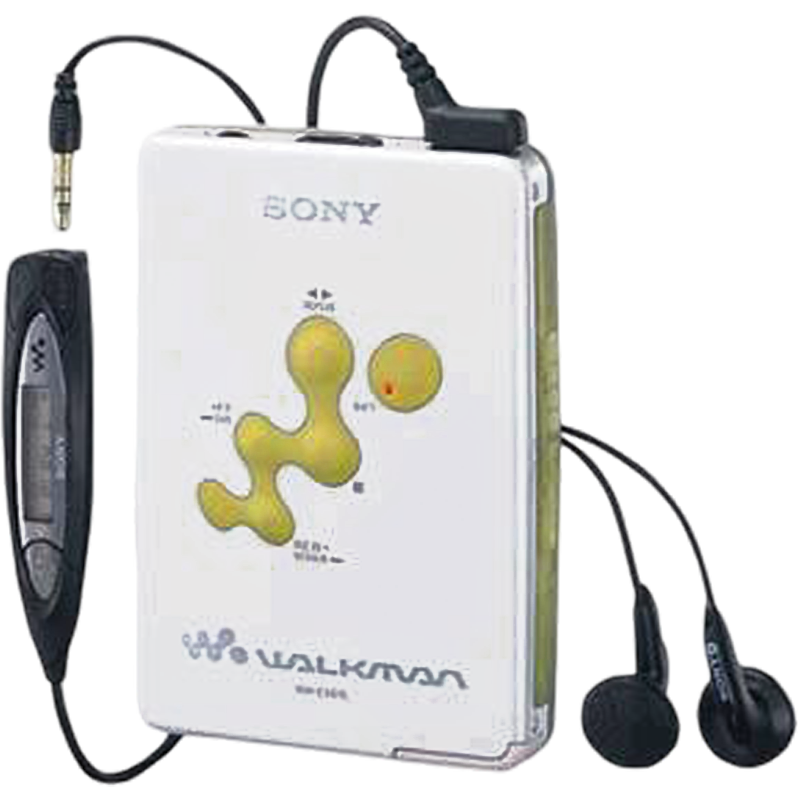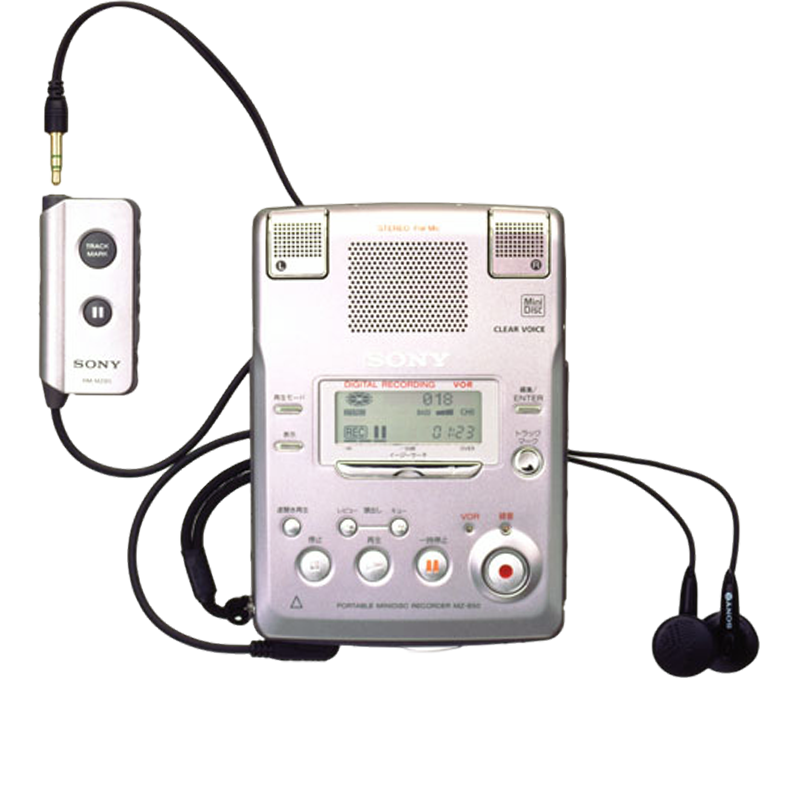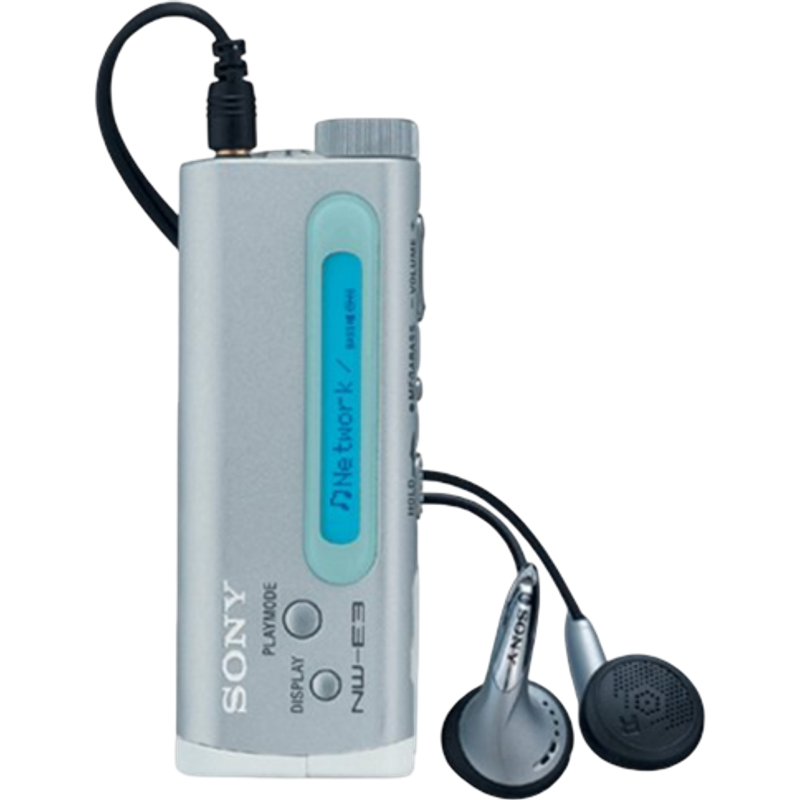
In 2000, Sony continued issuing incremental upgrades even as file-based players were gaining obvious momentum. The year’s lineup focused on targeted convenience improvements for the audience that remained.
D-E660
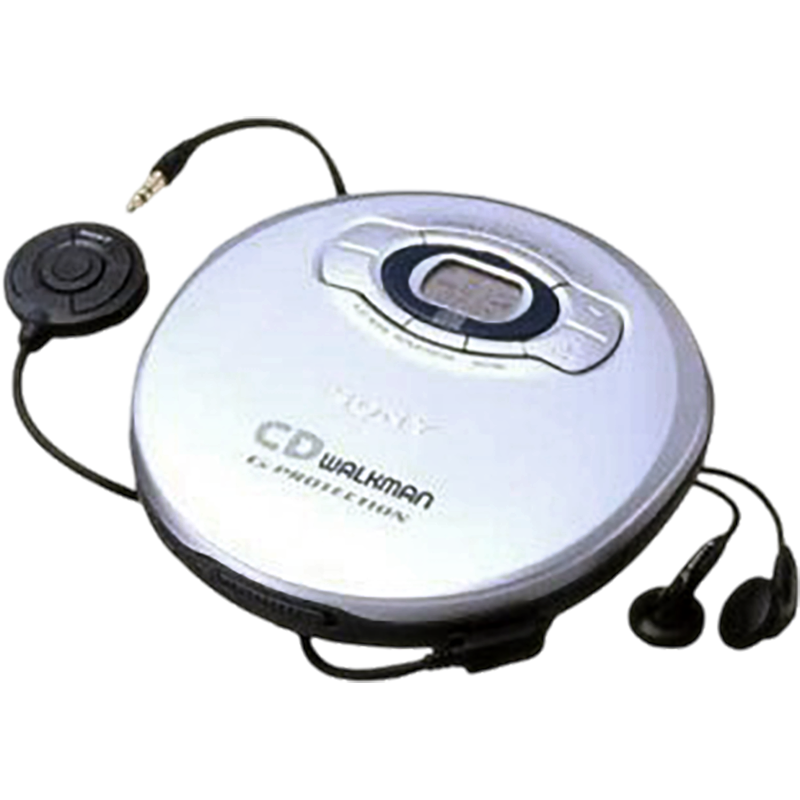
The D-E660 is a straightforward early-2000s CD Walkman built around G-Protection, simple controls, and a practical two-AA layout in a compact body. Its feature set stayed focused on stable everyday playback instead of on expansion or experimentation. By this point, the category had become highly predictable in the best possible way. The D-E660 was part of the part of the line where the main job was no longer to impress but simply to work reliably without drawing attention to itself.
D-E999
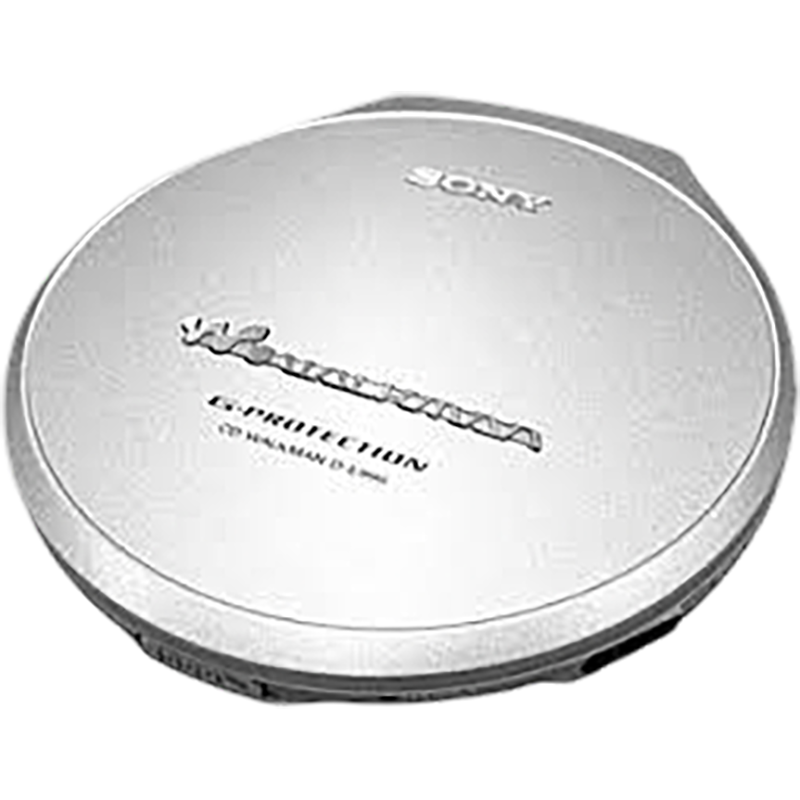
The D-E999 pushed further into late-era refinement with a slimmer body, tighter detailing, and compact ergonomic improvements that reflected years of iteration. G-Protection remained fully integrated and battery performance stayed strong, so the machine felt reduced to its most necessary elements. That reduction gives it its character. The D-E999 is part of the point when portable CD had been refined enough that less became more, and the player could feel finished without needing to add anything new.
D-EJ915
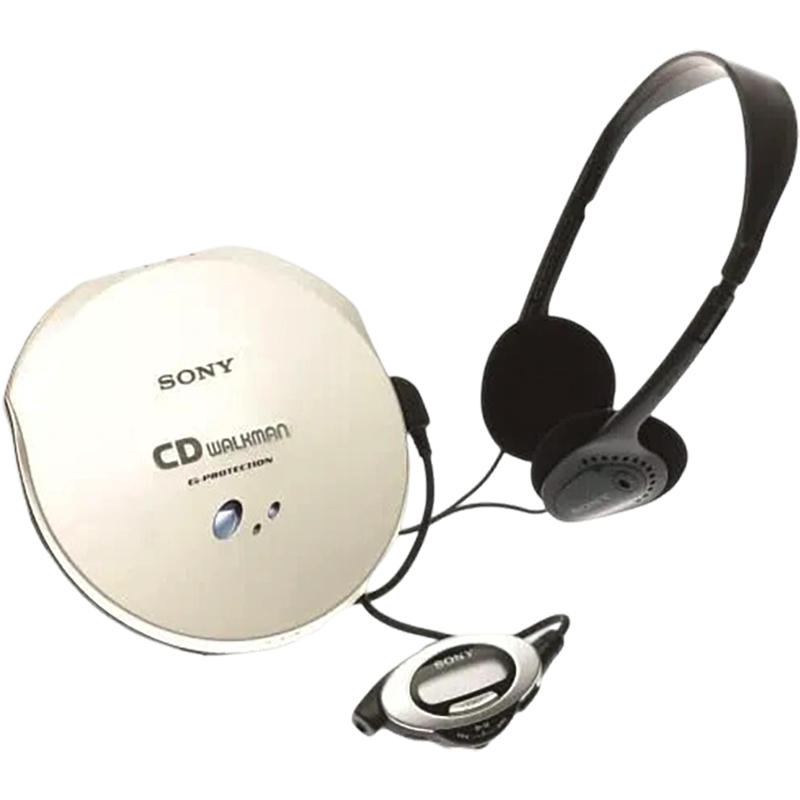
The D-EJ915 is part of the more fully equipped late pure-CD Walkman, combining G-Protection with an ultra-slim body, optical digital output, and a backlit jog remote capable of passing CD text into compatible MiniDisc systems. It remained a CD player at its core but is clearly built to interact with a broader ecosystem. That wider role matters here. The D-EJ915 is part of the moment where portable audio is expected to move between formats and devices instead of remain isolated. It reflects how listening habits had already expanded beyond a single machine.
D-F400
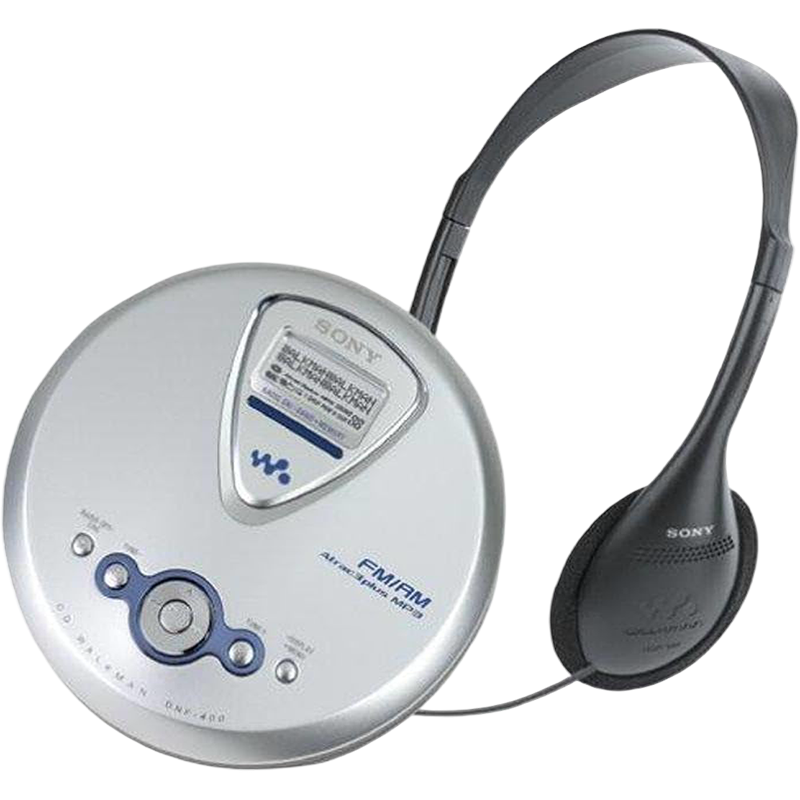
The D-F400 folded AM/FM radio into the late CD Walkman formula without making the player feel overly complex or compromised. It kept the compact body, G-Protection, and everyday usability of the standard models while integrating the tuner in a way that felt natural to the design. That combination still made sense for the period. The D-F400 is part of the stage where portable audio is expected to cover more than one role without requiring separate devices for each. It handles that balance cleanly.
By 2000, the decline was impossible to miss, yet Sony was still putting effort into small, meaningful improvements. Those choices helped bridge Discman into its closing years, even if they could not reverse its shrinking role.
More Sony in 2000