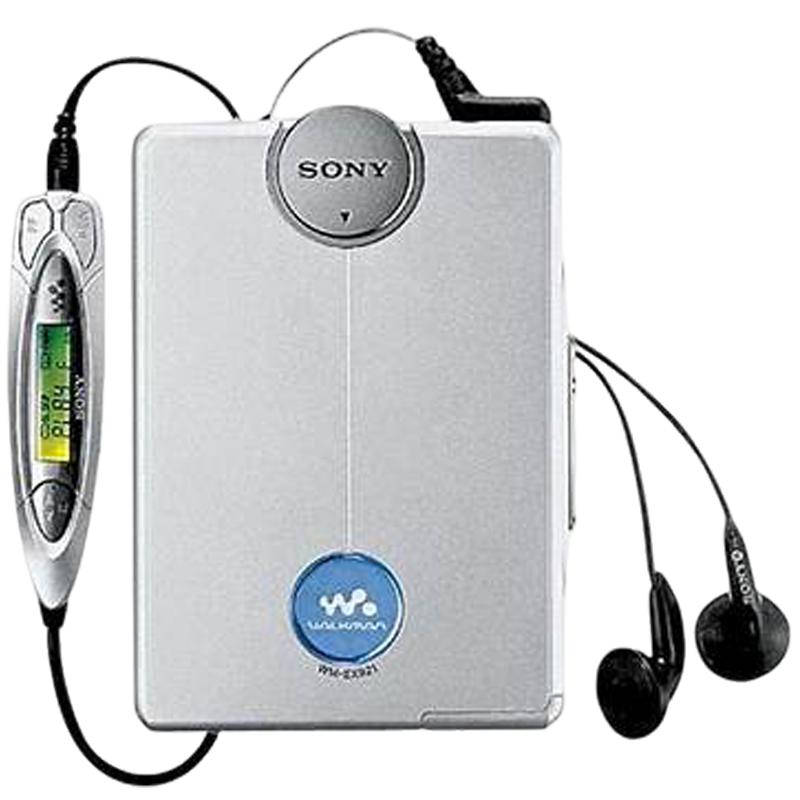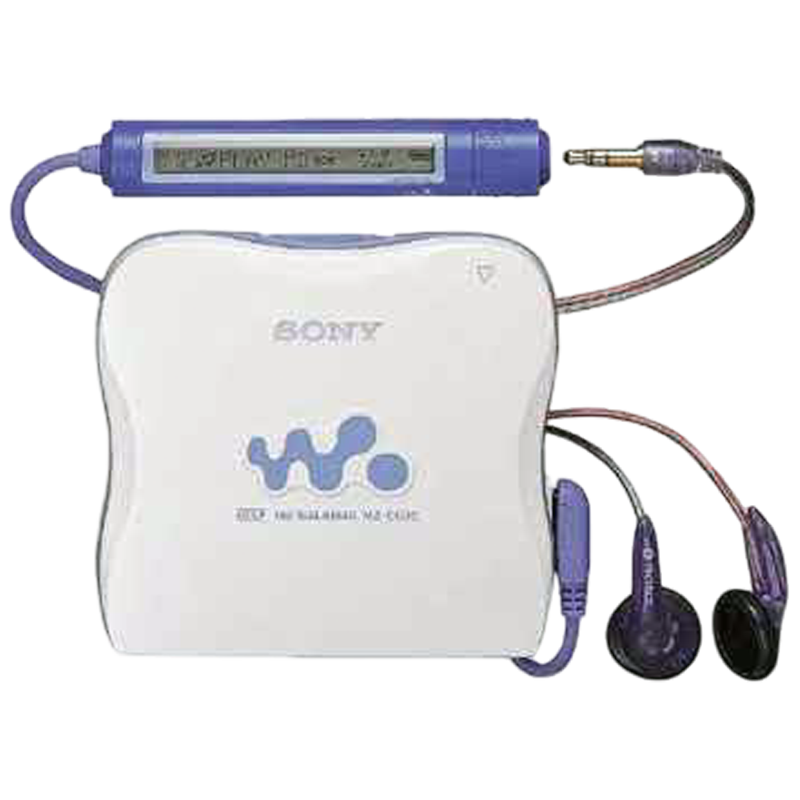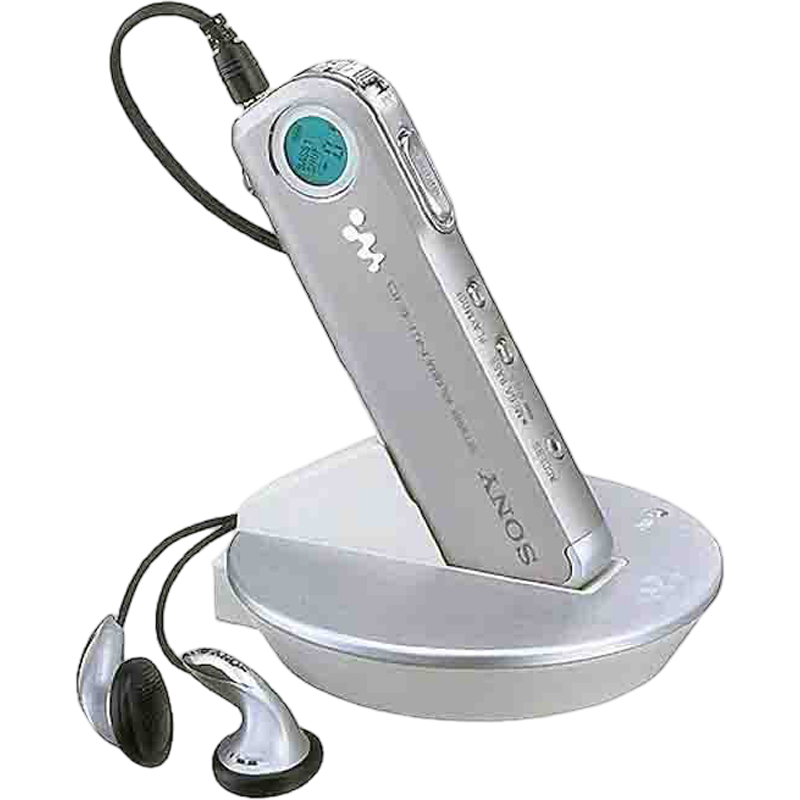
By 2001, Sony was concentrating on convenience features and stability enhancements rather than growth. These models offered clear value to loyal users without pretending the category still had major expansion ahead of it.
D-E666
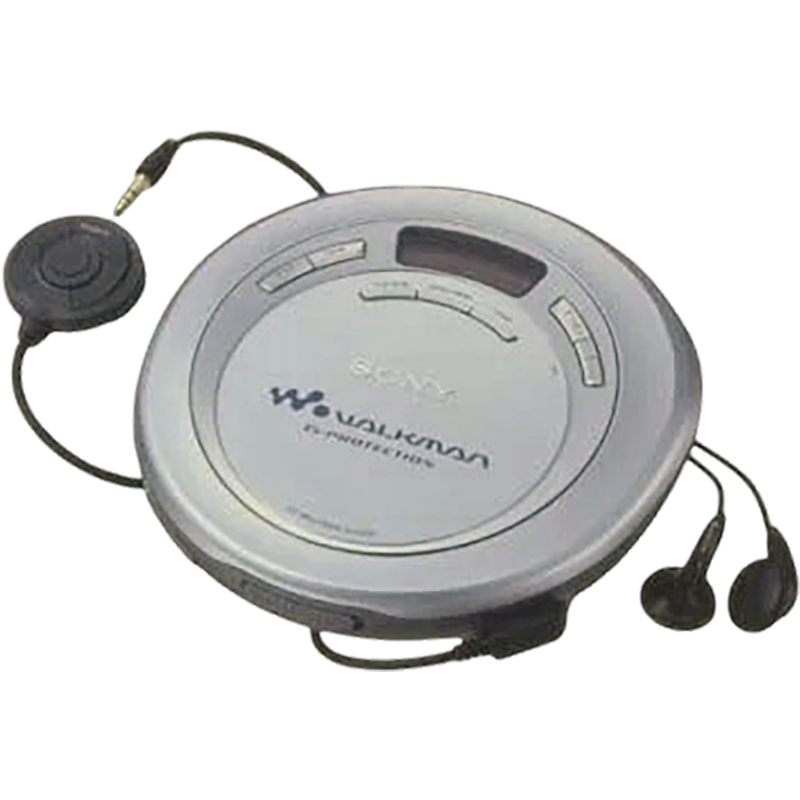
The D-E666 is a no-nonsense portable CD player from early 2001, aimed at listeners who wanted reliable everyday performance without stepping into the flagship tier. It ran on two AA batteries or Sony's slim NiMH gumsticks, delivered solid 1-bit DAC sound through a basic headphone output, and used G-Protection anti-skip that had by then become dependable instead of experimental. A simple remote is optional, and the body stayed compact and light enough for regular carry. By this point, the category had already settled into a stable and predictable form. The D-E666 was part of the part of the line where restraint was deliberate, with the focus placed on battery life, consistency, and ease of use instead of expansion. It reflects the version of portable CD most people actually lived with.
D-EJ855
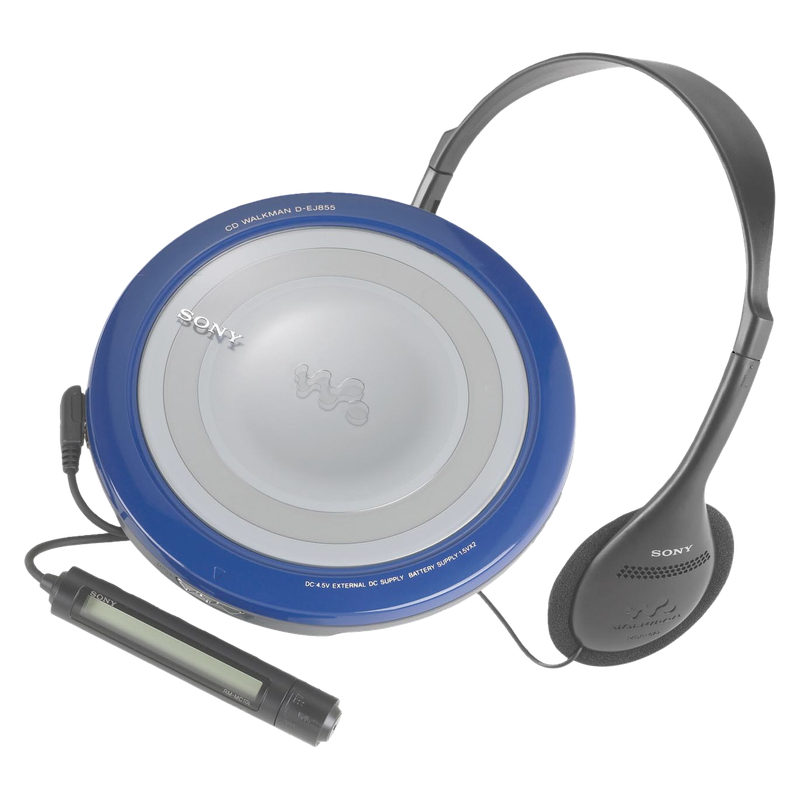
The D-EJ855 sat within Sony's premium 2001 lineup, built around a slim circular body that had largely replaced the earlier rectangular designs. It offered G-Protection, CD-R/RW playback, and MD Link optical output, along with a backlit jog remote that allowed full control without needing to access the player directly. The emphasis here is on finish and presentation instead of expansion. The D-EJ855 is part of the stage where portable CD had already matured, and differentiation came through refinement and integration into daily use instead of through new features.
D-EJ955
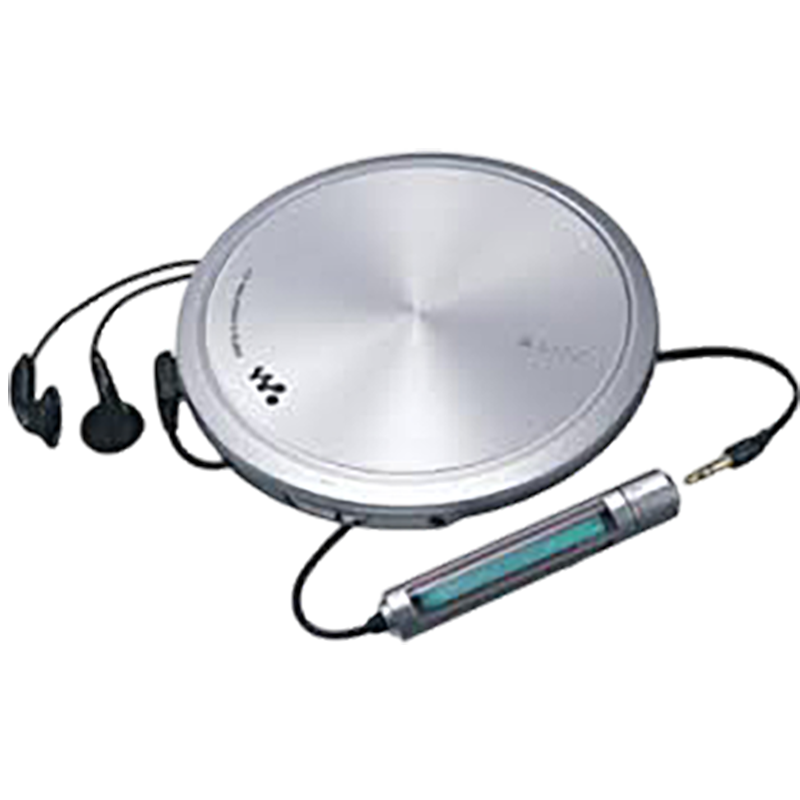
The D-EJ955 refined the same premium formula with a slightly more responsive remote and improved battery performance when paired with the external AA case. It retained G-Protection, CD-R/RW support, and optical output, but felt more settled in the hand than some of the earlier EJ-series models. This model sits between the ultra-flagship models and the more accessible entries in the range. The D-EJ955 is part of the point when Sony had already worked through most of the design questions and is tuning the result instead of redefining it.
D-EJ1000
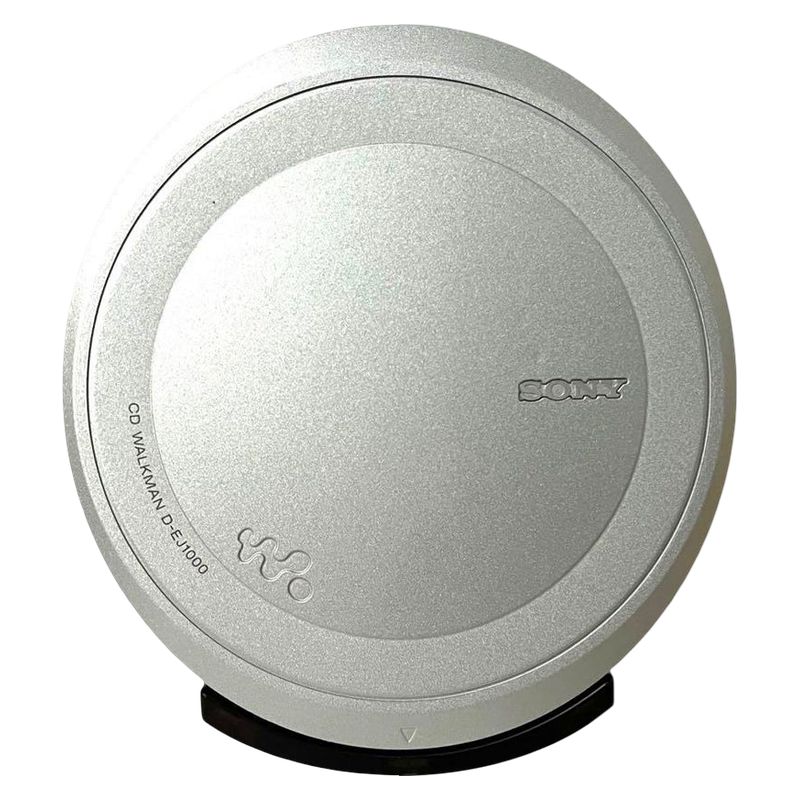
The D-EJ1000 is part of the last pure-CD flagships, built around an ultra-slim oval chassis with a magnesium die-cast lid and a level of physical refinement that stood apart from most of the range. It included a charging stand, backlit jog remote, CD-Text support, optical digital output, and a long-life battery system that could be extended further with an external AA pack. Everything about it points toward a player built to feel complete instead of merely capable. The D-EJ1000 is part of the peak of the prestige phase, where Sony is still willing to push the format to its limits even as its long-term position had already started to weaken.
D-FJ65
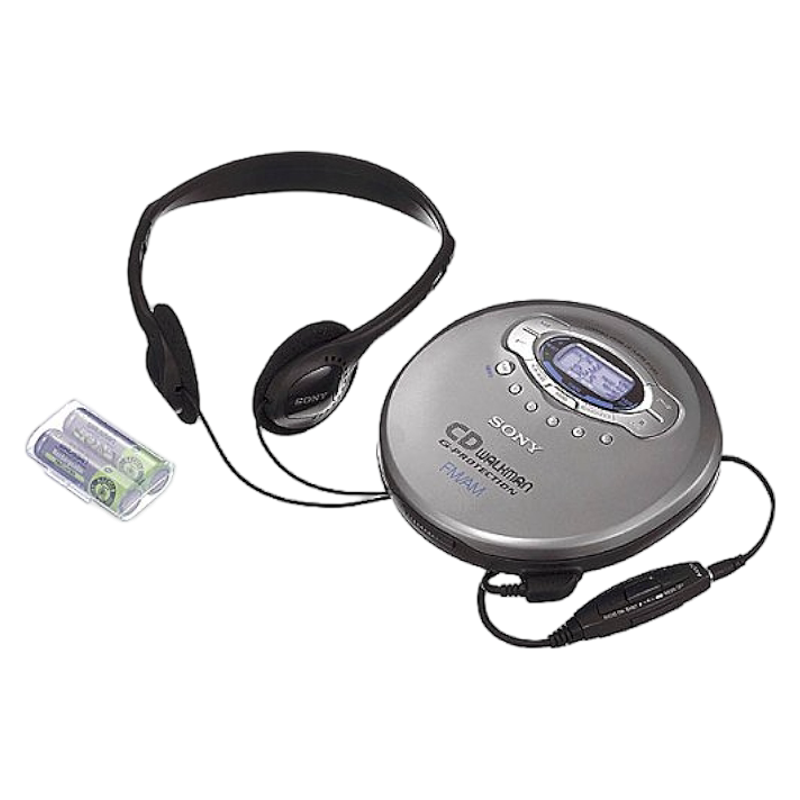
The D-FJ65 combined CD playback with AM/FM radio in a compact portable built for versatility instead of specialization. It included G-Protection, CD-R/RW support, Mega Bass, and preset tuning, with a layout that kept the machine usable as both a music player and a radio without feeling overly complex. This kind of hybrid still made sense for users who wanted one device to cover multiple listening contexts. The D-FJ65 is part of the part of the line where convenience across situations mattered more than any single use being perfected.
2001 confirmed Discman’s shift from mass-market staple to specialized choice. The year’s refinements helped sustain the format through its remaining active life, even if the larger transition had already made its future feel predictable.
More Sony in 2001