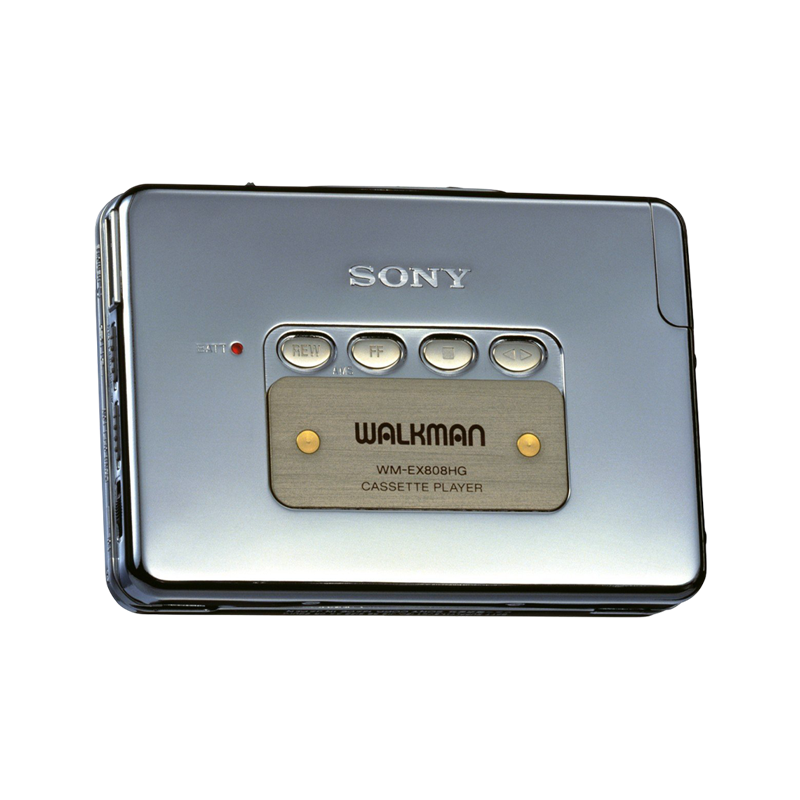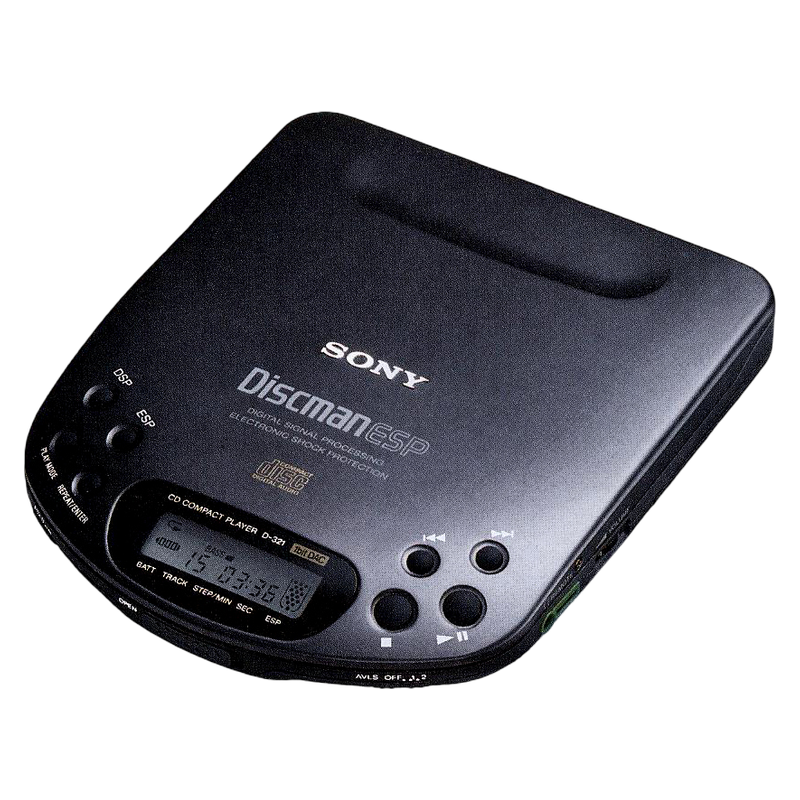
In 1993, Sony improved usability for everyday use. Recording and editing functions were introduced to support the transition from cassette tapes.
MZ-R2
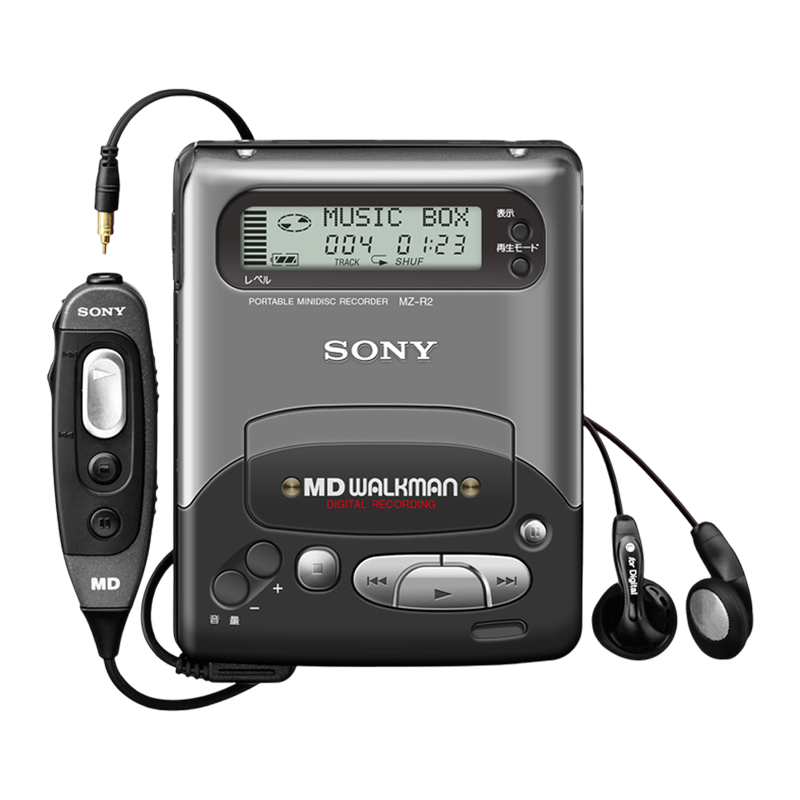
The MZ-R2 is a second-generation model that maintains the basic performance of a MiniDisc recorder while achieving miniaturization and system simplification. Equipped with microphone input, line input, and optical input, it continues to ensure flexibility in terms of source material by supporting both analog and digital recording. Playback stability has been improved through buffer memory, and ATRAC processing has also been improved for greater efficiency. Recording levels can be set automatically or manually, but there are limitations to adjustments after recording has started. Editing functions have been streamlined compared to the first-generation model, and the configuration has been revised to focus on basic operations such as track marking and deletion.
MZ-E2
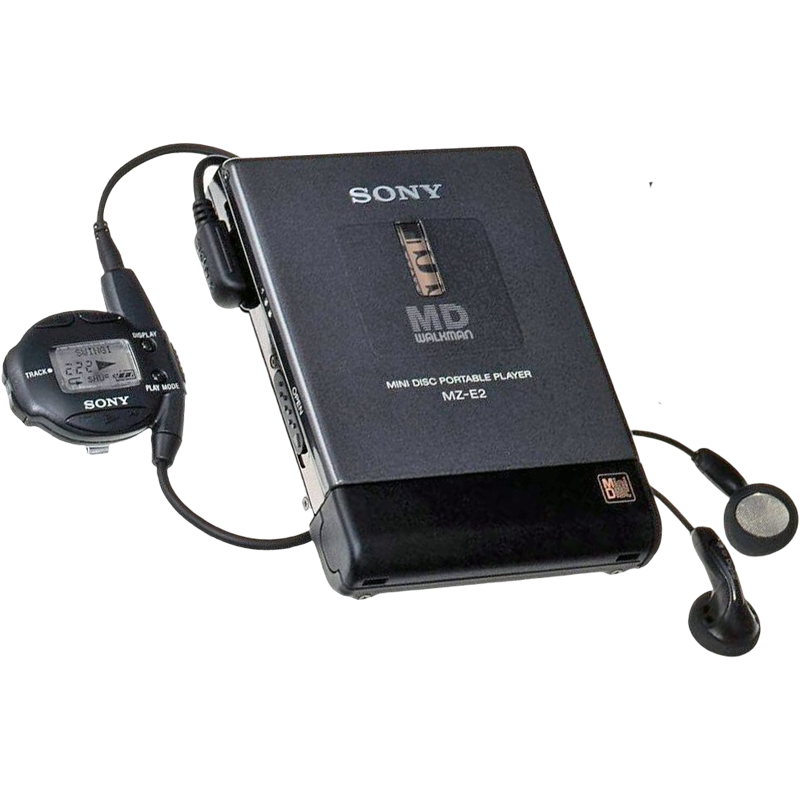
The MZ-E2 reduces size compared to earlier units while introducing improved playback stability. A short memory buffer stores audio ahead of playback, reducing skipping during movement. The design remains relatively large compared to later players, but more compact than first-generation hardware. Playback focuses on standard MiniDisc functionality, with remote support for track control and display. Power shifts to a lithium-based system for improved efficiency.
In 1993, a structure suitable for playback and dubbing applications was established. At this stage, the expansion of the functional configuration was prioritized.