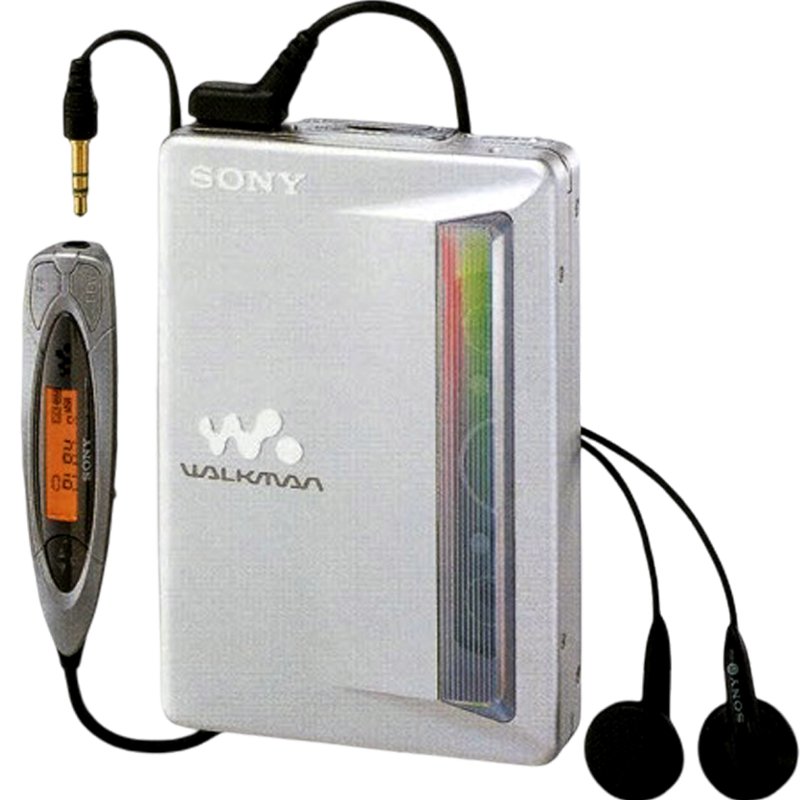
2000 WM-EX2000
The WM-EX2000 is a playback-only Walkman.

If you find it useful, you can support it. Support the archive
By 2000, Sony was no longer experimenting with digital audio. It was trying to turn it into a complete system. The first generation of Network Walkman devices expanded beyond the original Memory Stick models, introducing smaller players with built-in memory and a clearer focus on everyday use.
But this new direction came with a different kind of complexity. Digital audio was no longer contained within a single device. It depended on a computer, software, and a structured transfer process. Sony built that system around its own technologies, using ATRAC encoding and OpenMG software to manage and protect music files. Transferring music was not a simple action. It became a controlled process with rules.
What defines 2000 is not the growth of digital audio itself, but the way Sony chose to implement it. The company had successfully moved beyond physical media, but replaced it with an ecosystem that introduced new forms of friction. The future of portable audio was now clearly digital, but it was not yet simple.
The WM-EX2000 is a playback-only Walkman.
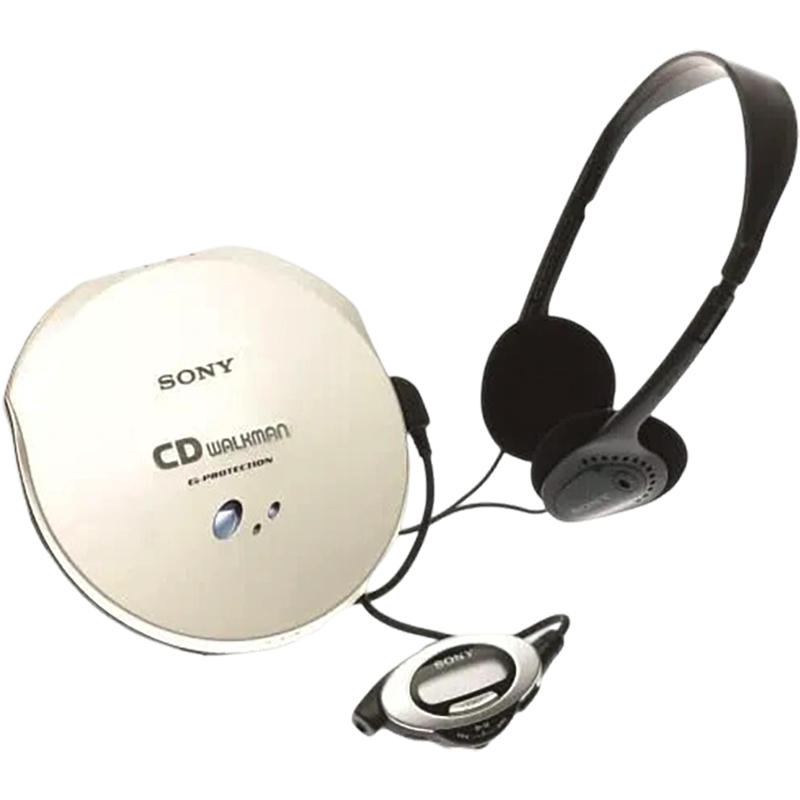
The D-EJ915 is a portable CD player equipped with G-Protection and optical digital output.
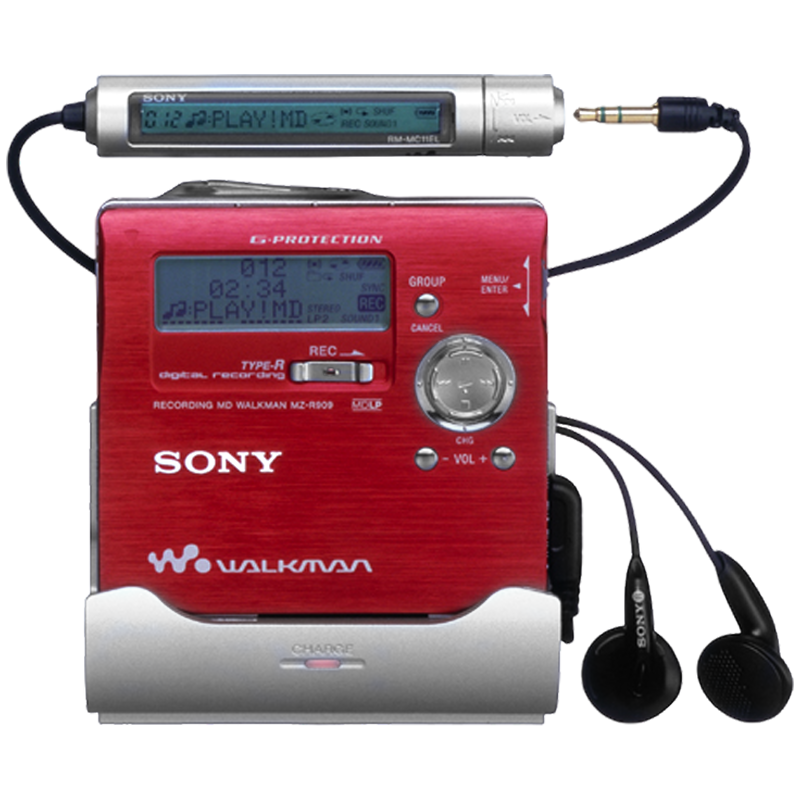
The MZ-R900 is a high-end MiniDisc recorder in the R series, featuring refined controls and display performance.
The NW-E2 is an overseas model of the early Network Walkman equipped with built-in flash memory.


