1993 WM-DD22
The WM-DD22 is a playback-only Walkman that employs a disc drive mechanism.


If you find it useful, you can support it. Support the archive
By 1993, Sony’s attempt to reset personal audio with MiniDisc had moved from a controlled introduction into broader market exposure. First launched in Japan late in 1992, the format began to reach wider audiences, bringing with it the promise of a system that could replace both cassette and compact disc. But unlike previous transitions, this shift did not happen cleanly.
Instead, portable audio became more crowded. Cassette Walkman continued to dominate in everyday use, supported by affordability and familiarity. Discman had matured into a stable and widely adopted format, no longer experimental but fully integrated into daily listening. MiniDisc entered this environment as a third option, technologically ambitious but still early, expensive, and not yet fully understood by the broader market.
What defines 1993 is not adoption, but friction. Sony was no longer guiding a single transition from one format to another. It was managing three competing ideas of what portable audio should be. MiniDisc represented the future Sony wanted, but in 1993, that future existed alongside formats that were still too strong to disappear.
The WM-DD22 is a playback-only Walkman that employs a disc drive mechanism.
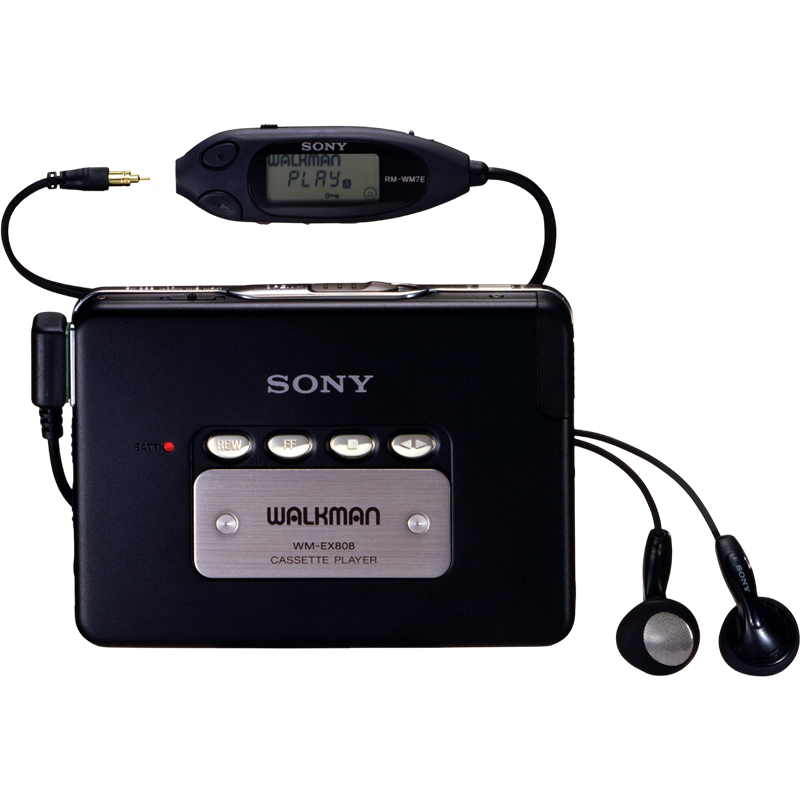
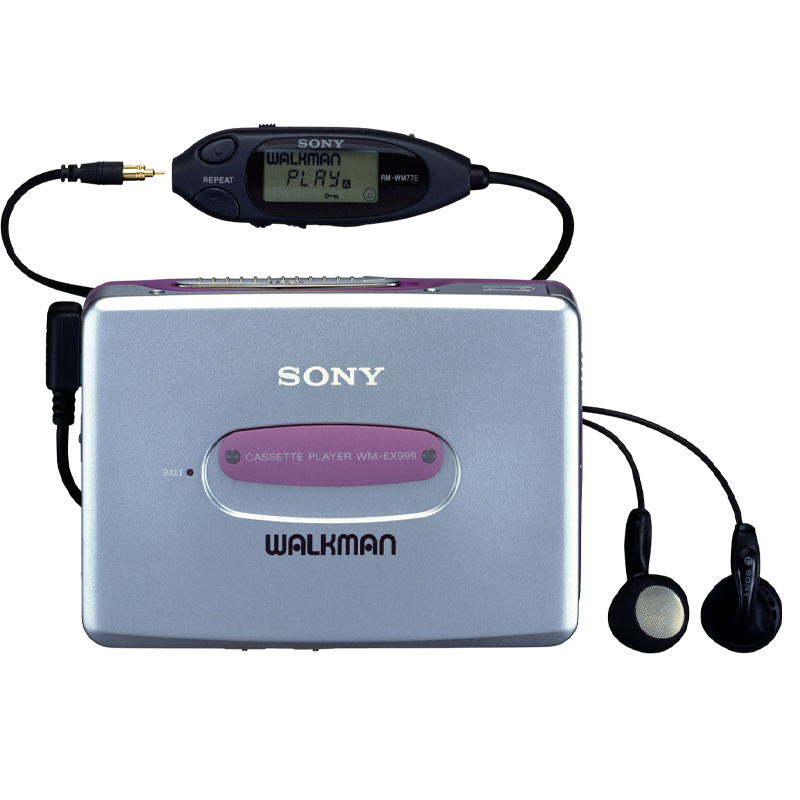
The WM-EX999 is a playback-only Walkman equipped with auto-reverse.
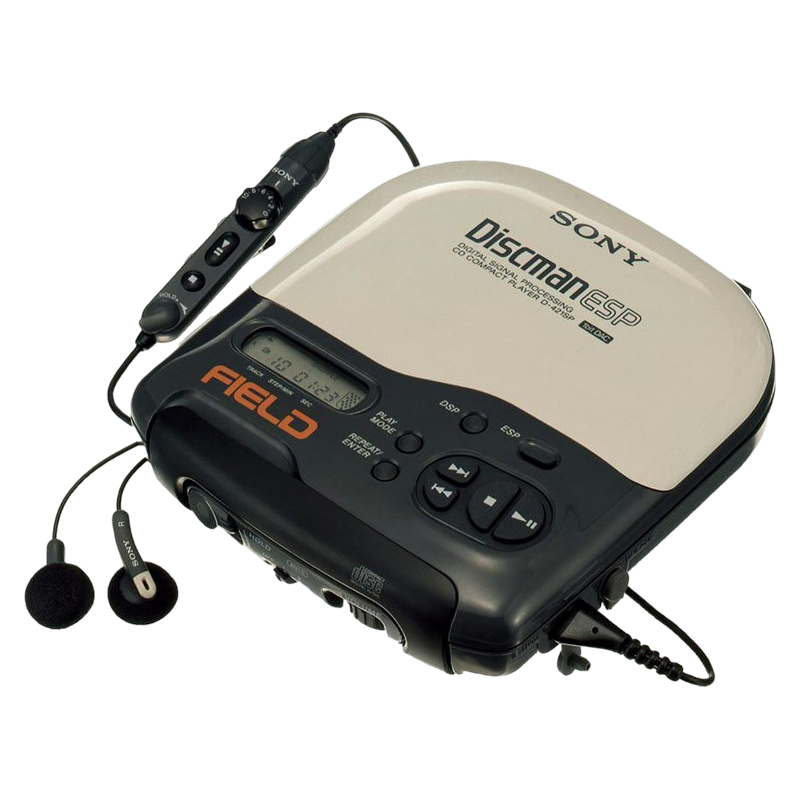
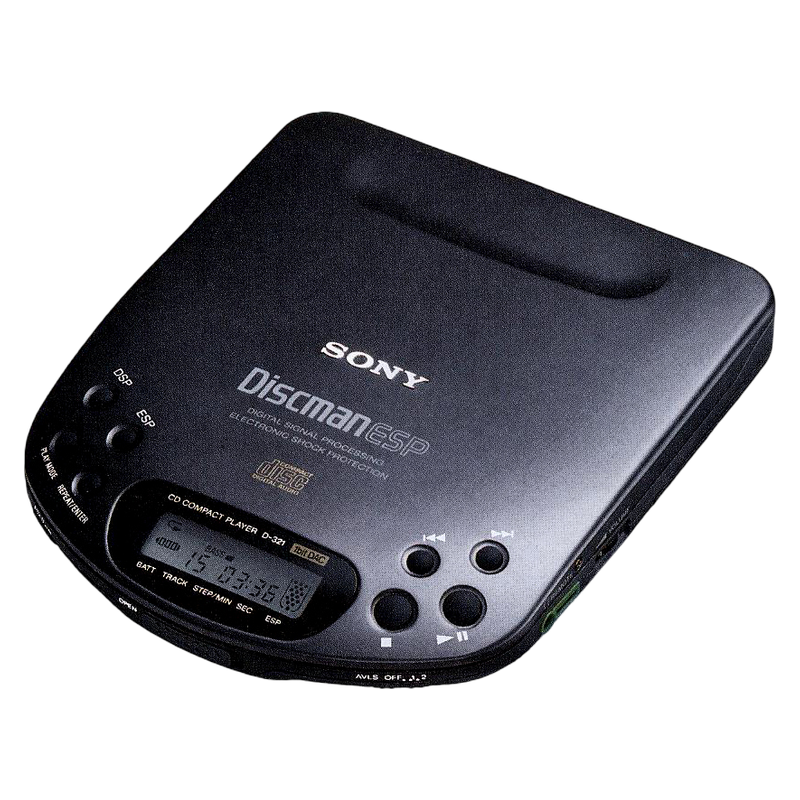
The D-321 is a portable CD player equipped with an electronic anti-skip mechanism and optical digital output.
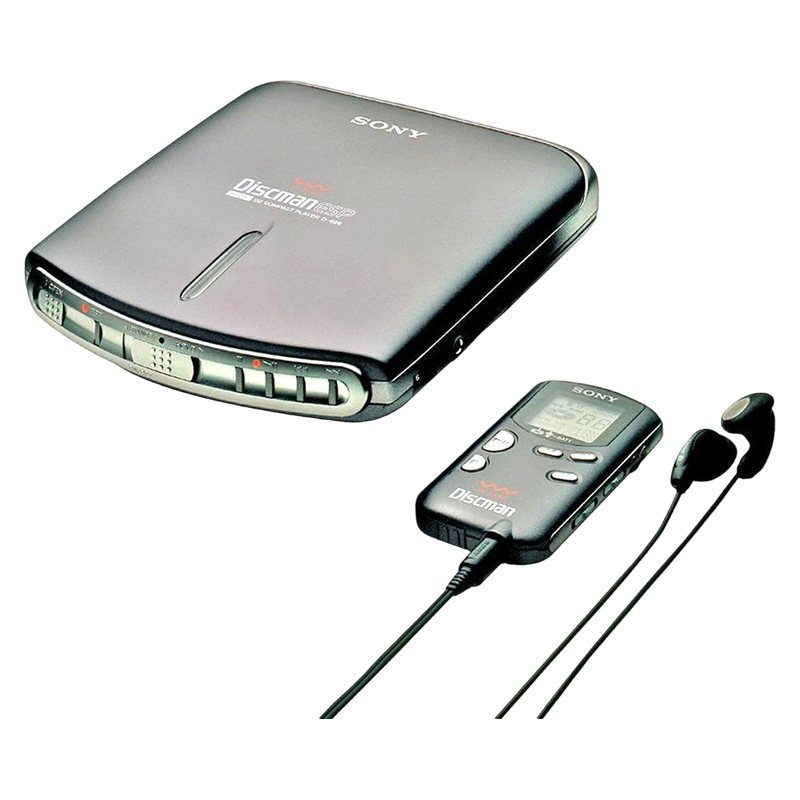
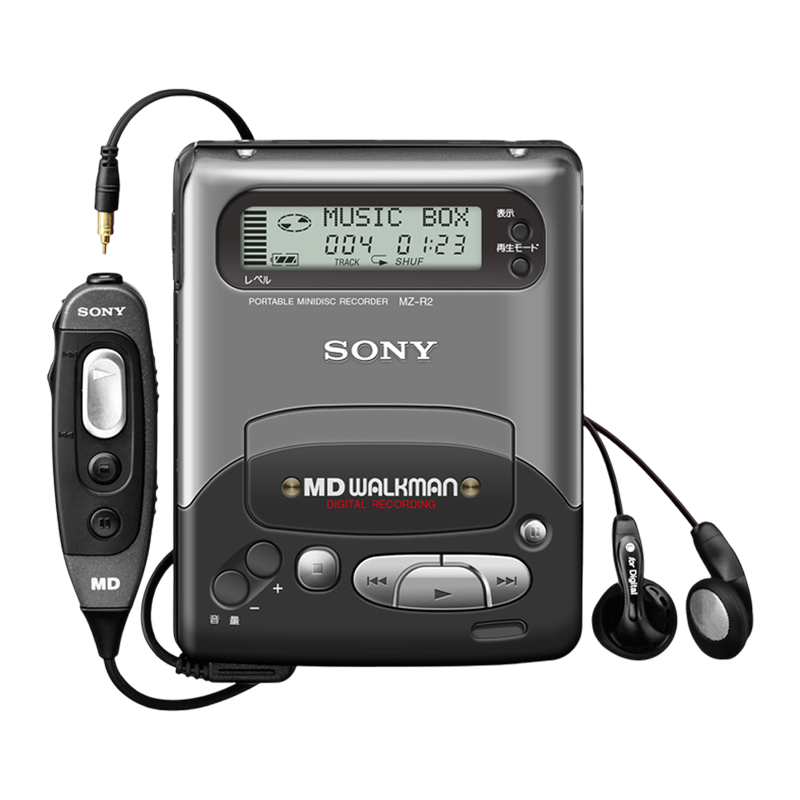
The MZ-R2 is a second-generation model that maintains the basic performance of a MiniDisc recorder while achieving miniaturization and system simplification.
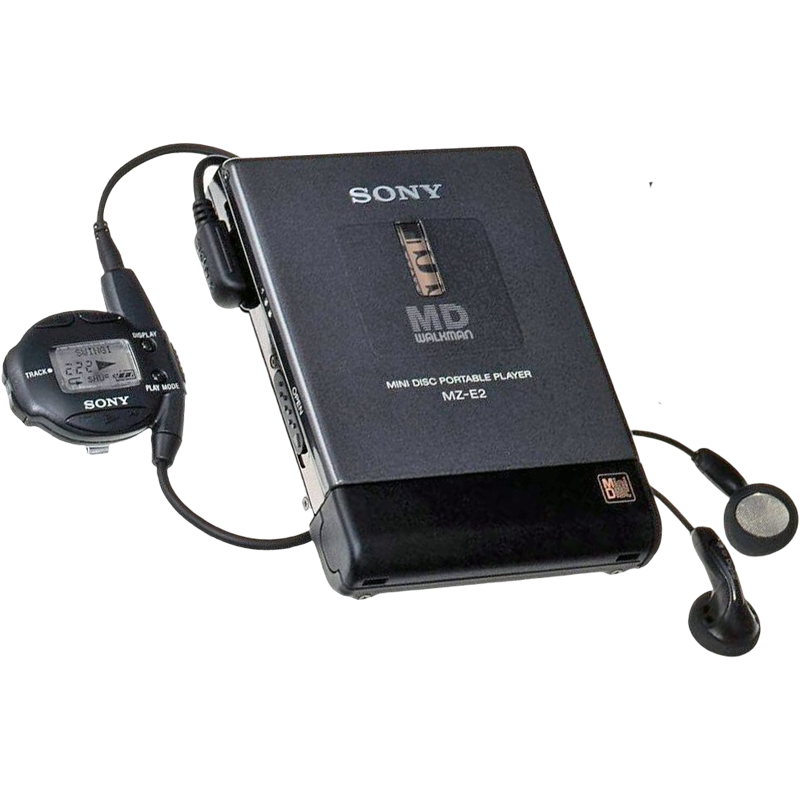
The MZ-E2 is a MiniDisc player that incorporates early practical improvements regarding playback stability while maintaining a compact size.