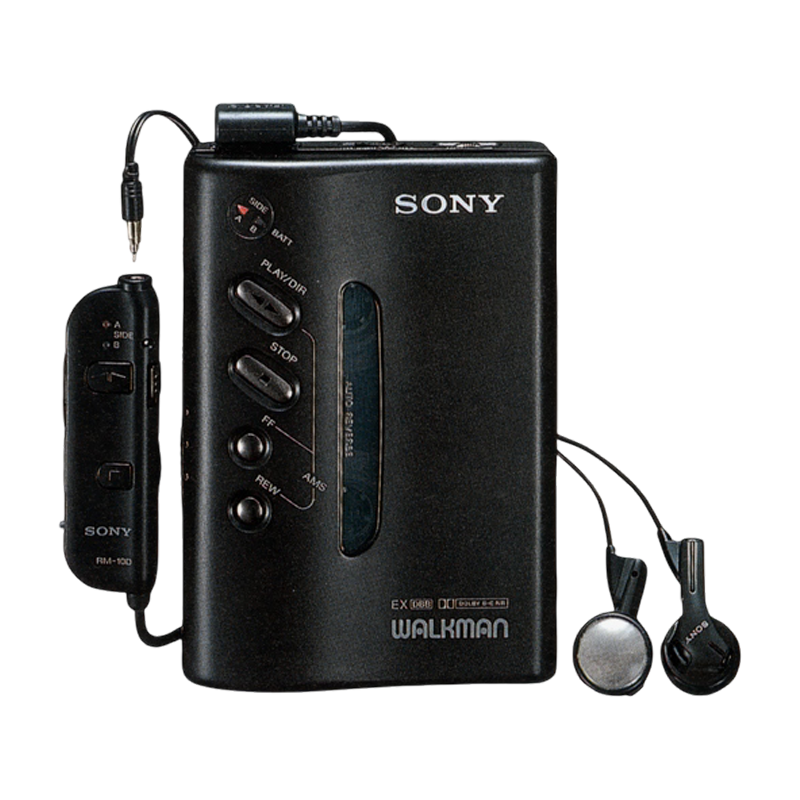
By 1991, Sony was refining Discman around different listening habits rather than just raw technical progress. The lineup became noticeably easier to live with, helping digital sound disappear into daily life in the best way.
D-808K
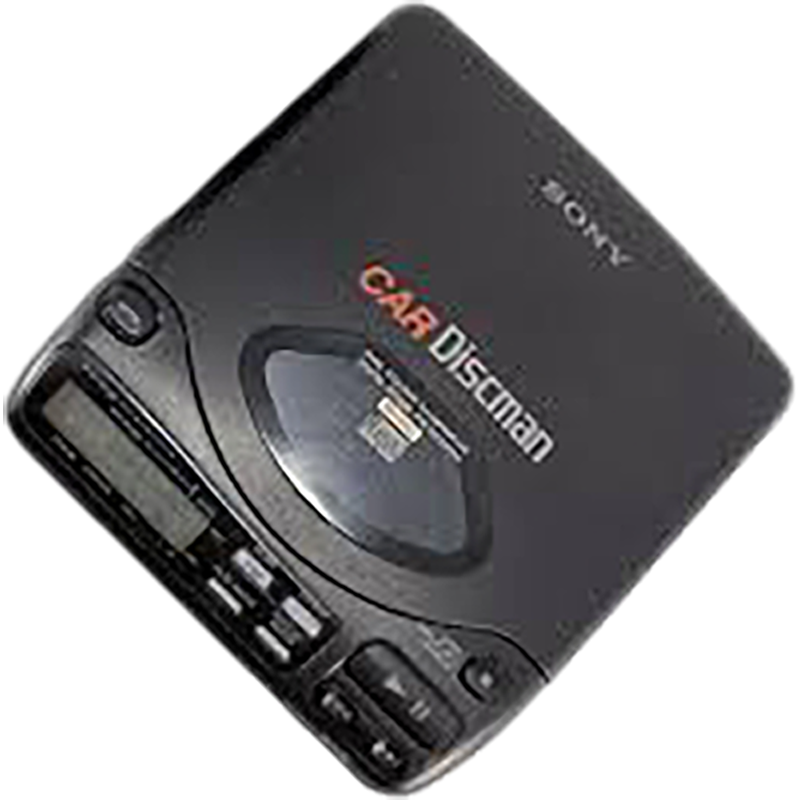
The D-808K continued Sony's attempt to make the car Discman concept feel less improvised and more integrated. It remained a portable player at heart, but the form factor, mounting logic, and accessory ecosystem all made more sense once you pictured it spending most of its time in a vehicle instead of moving freely between environments. This model belongs to a short transition period where portable CD had become advanced enough for car use, but dedicated in-dash systems still had not fully displaced these hybrids. The D-808K handled that compromise more confidently than the earlier bridge models. It still felt slightly in-between, but much less accidentally so.
DD-1
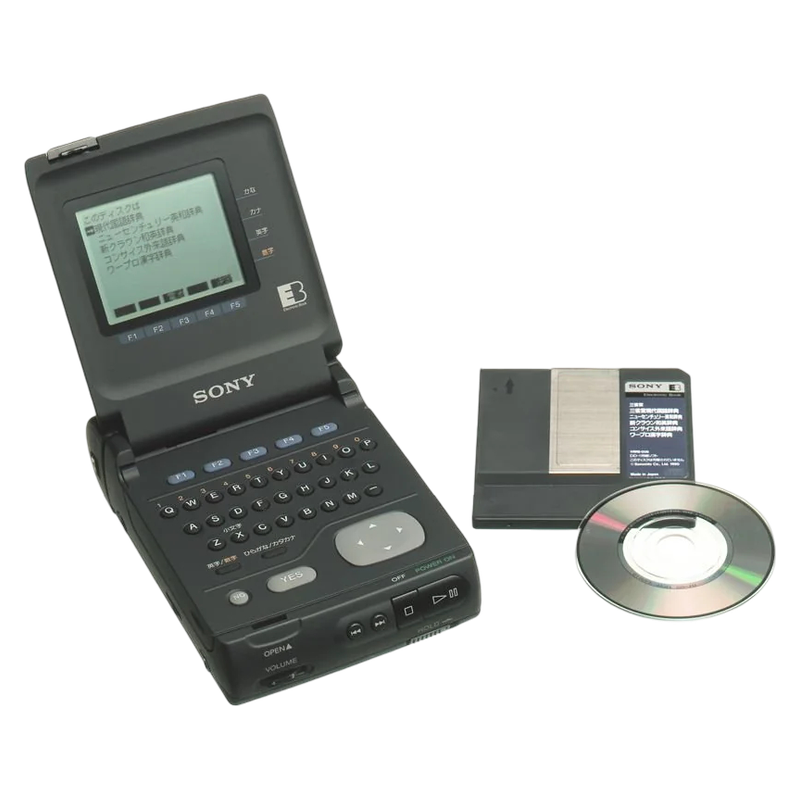
The DD-1 sat outside the standard music Discman story as Sony's first serious consumer push into portable optical data instead of audio. Built around 8 cm discs loaded with dictionaries, books, and reference material, it included a compact screen, keyboard, and dedicated software titles that made it behave closer to an early e-book reader or handheld information device than a music player. Compact disc had interested Sony as a broader medium for years, more than as a way to play albums. The DD-1 belongs to that parallel track, where optical media was being tested as a portable reference format long before later digital reading devices became common. It is a side branch now, but a revealing one.
1991 left portable CD feeling more natural and dependable than ever before. The year’s refinements opened the door to deeper polish, but they also highlighted how tightly Sony was still tied to the physical disc.