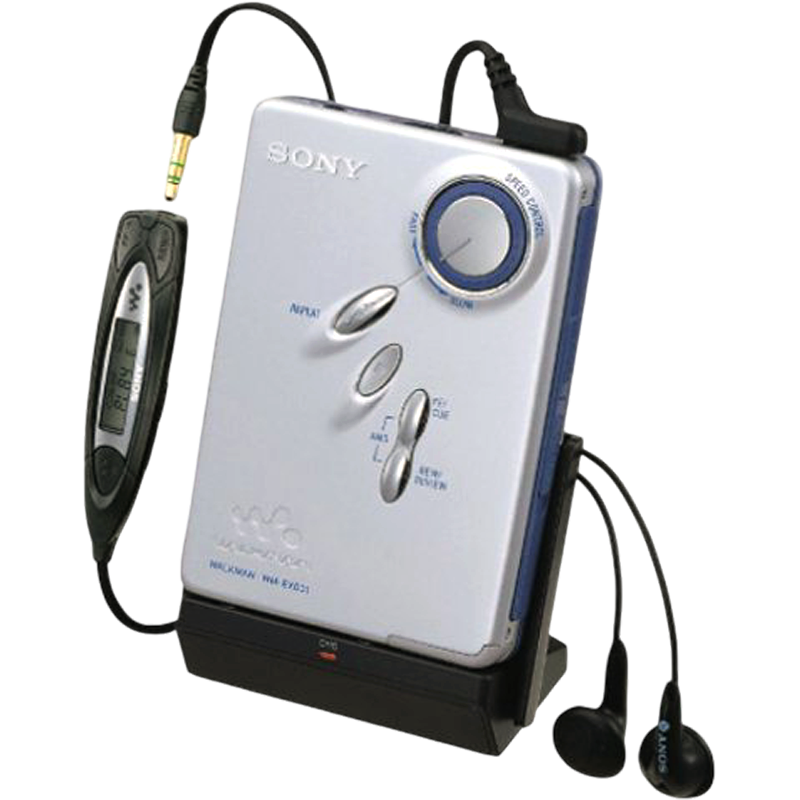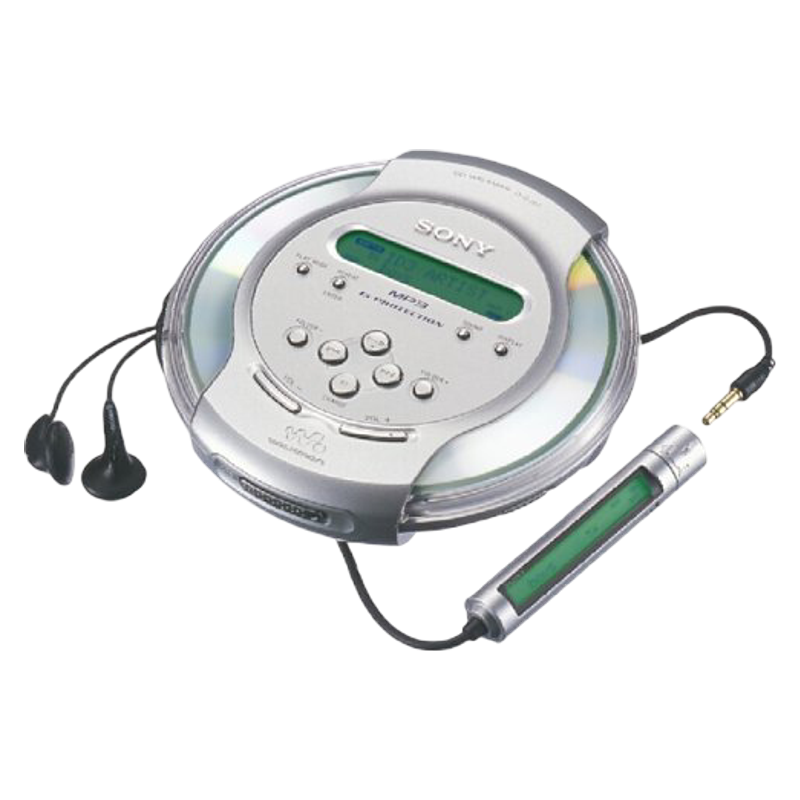
In 2002, Sony improved data transfer speeds and software capabilities. The computer connectivity has been adapted to support everyday use.
MZ-N10
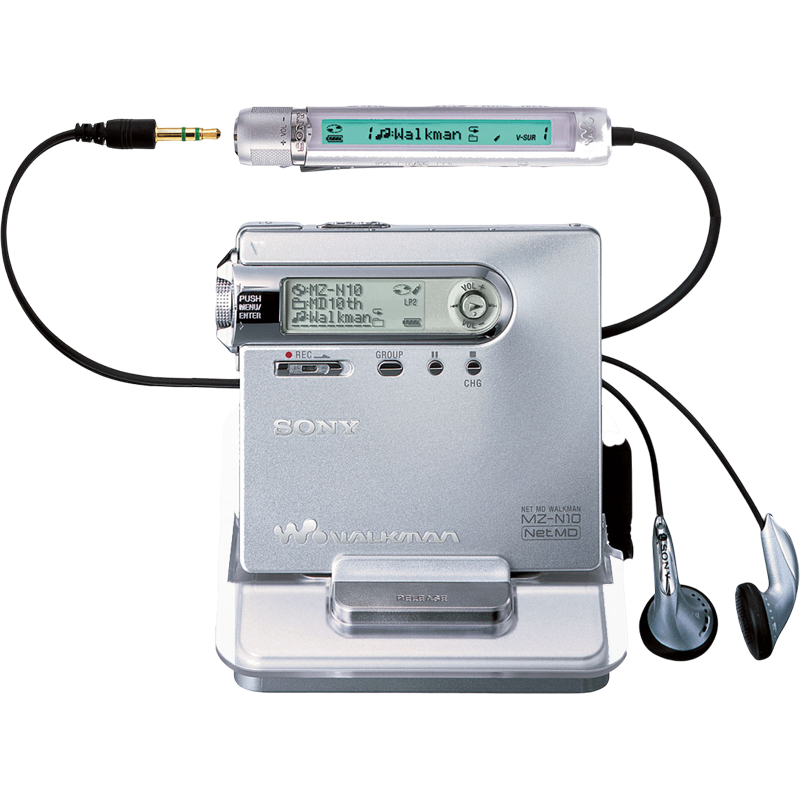
The MZ-N10 is a flagship NetMD recorder that integrates the basic configuration of a recording device and early PC connectivity functions into a compact, all-in-one body. It features microphone input, line input, and optical input, supporting both analog and digital recording, and also supports audio transfer from a PC via USB. NetMD enables high-speed transfer of compressed audio, reducing reliance on traditional real-time recording. MDLP supports extended recording time through compression, and ATRAC Type-S improves playback quality. The design is streamlined through a built-in rechargeable battery and high-density structure, with some operations and track management handled by software.
MZ-R501
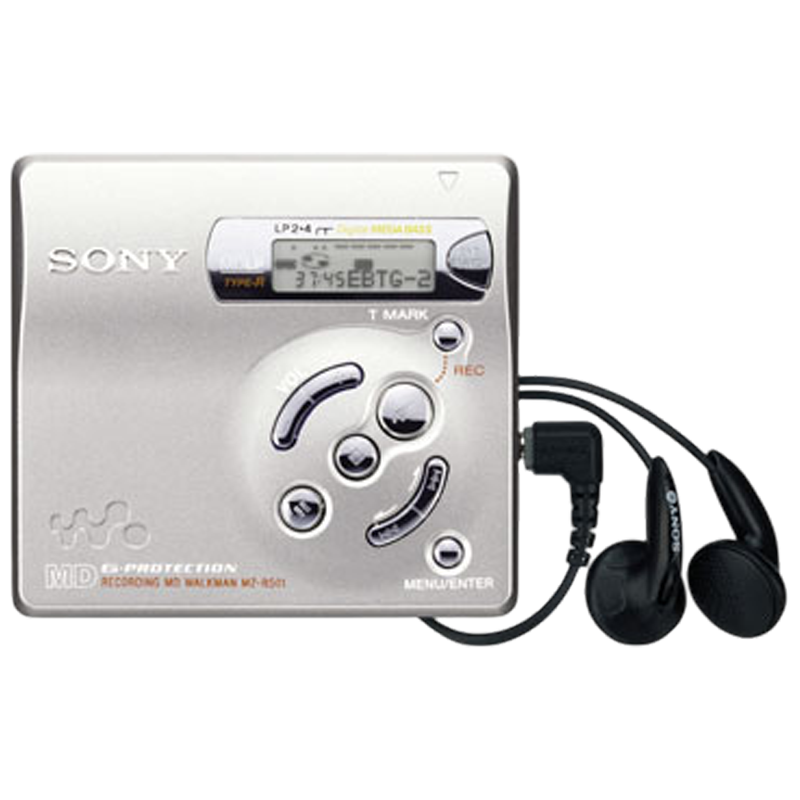
The MZ-R501 is a straightforward MiniDisc recorder built around direct recording, continuing the entry-level R-series approach without computer integration. Line and optical inputs support recording from external sources, but all capture takes place in real time. MDLP extends recording time through compression, while group functionality improves navigation across longer discs. Digital and manual level control remain available. The absence of a microphone input limits recording flexibility, and the lack of a remote keeps all interaction on the main unit. Powered by a single AA battery, it stays close to the original MiniDisc recording model.
MZ-S1
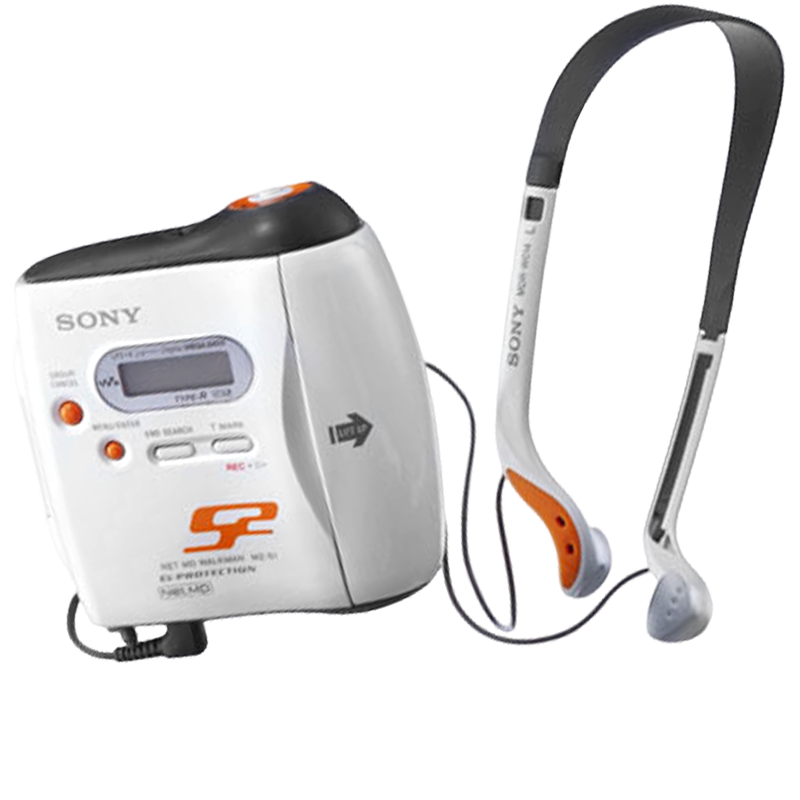
The MZ-S1 is a MiniDisc recorder built for outdoor use, prioritizing durability and ease of handling over compactness. Its housing is reinforced and splash-resistant, with a sealed enclosure and reflective exterior that improve visibility in low-light conditions. NetMD enables high-speed transfer of compressed audio from a computer, while MDLP extends recording time. Line and optical inputs remain available for direct recording, though the lack of a microphone input limits voice capture. A top-mounted joystick supports one-handed operation, and the backlit display is built into the main unit. Powered by a single AA battery, it favors reliability over refinement.
MZ-N707
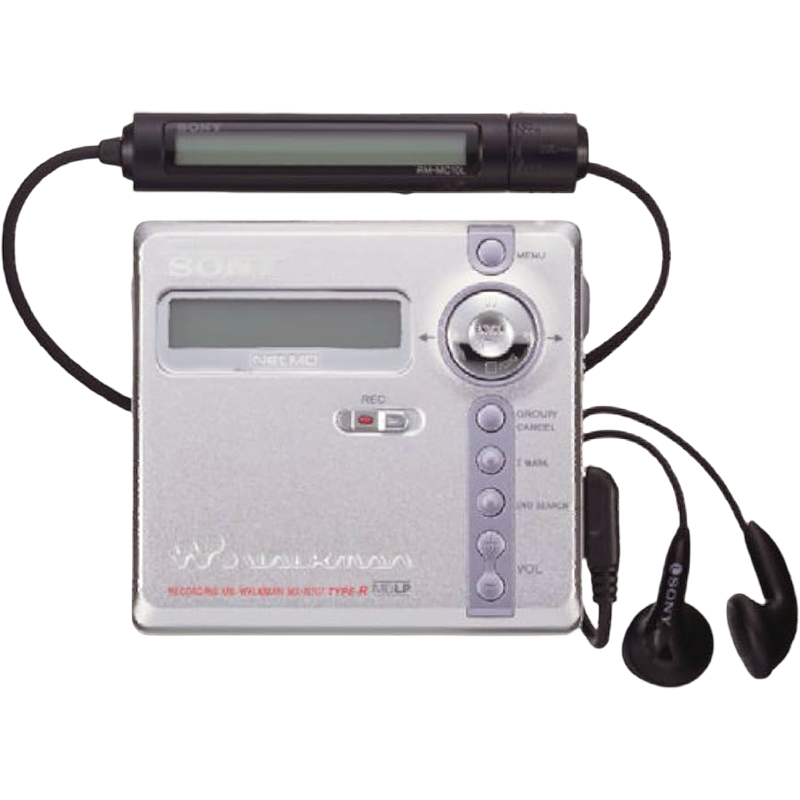
The MZ-N707 restores full recording flexibility while improving everyday usability. Microphone, line, and optical inputs are all present, allowing both voice and music recording without restriction. USB transfer enables high-speed movement of compressed audio from a computer, while MDLP extends recording time. Digital and manual level control support both automated and controlled recording scenarios. A full remote changes how the device is used for playback, navigation, and track management without direct interaction with the main unit.
MZ-N505
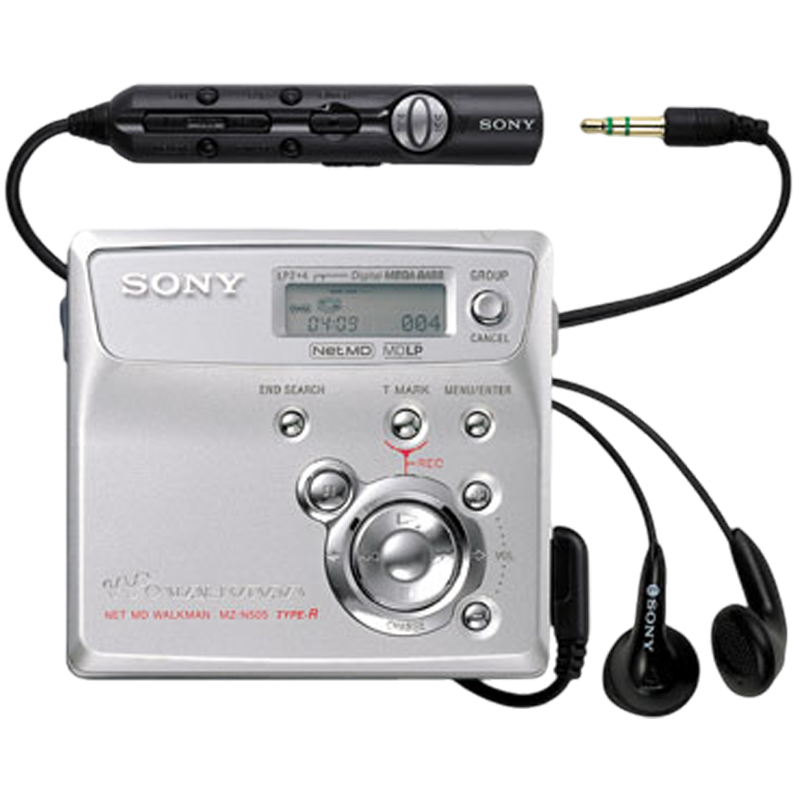
The MZ-N505 is a cost-focused NetMD recorder built to add USB transfer while keeping the rest of the system simple. Line and optical inputs remain available for direct recording, while USB adds a second path for moving audio from a computer. NetMD enables compressed audio to be transferred at high speed, reducing reliance on real-time recording. MDLP extends recording time through compression. The lack of a microphone input limits recording to external sources, and remote support varies by region. Controls remain basic, with manual and digital level adjustment but no deeper recording features.
MZ-R910
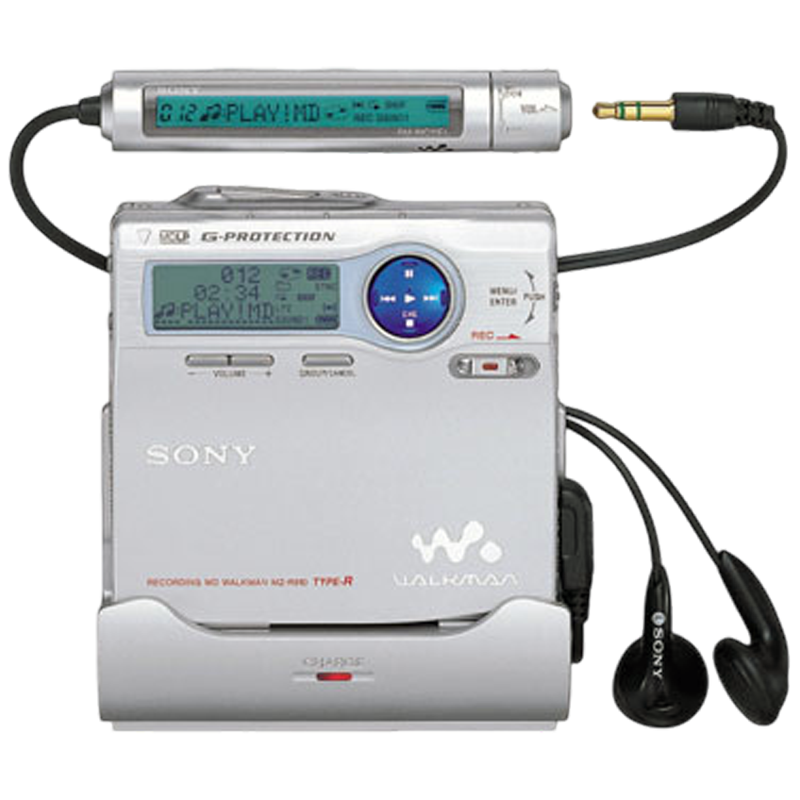
The MZ-R910 refines the late R-series with improved materials and expanded playback control while keeping full recording flexibility. Microphone, line, and optical inputs support both analog and digital recording. ATRAC Type-R improves recording quality in standard play mode, while MDLP extends recording time. Playback features include speed adjustment without pitch change and customizable sound settings. The magnesium body reduces weight while maintaining rigidity, and Personal Disc Memory stores playback settings for individual discs.
MZ-G755
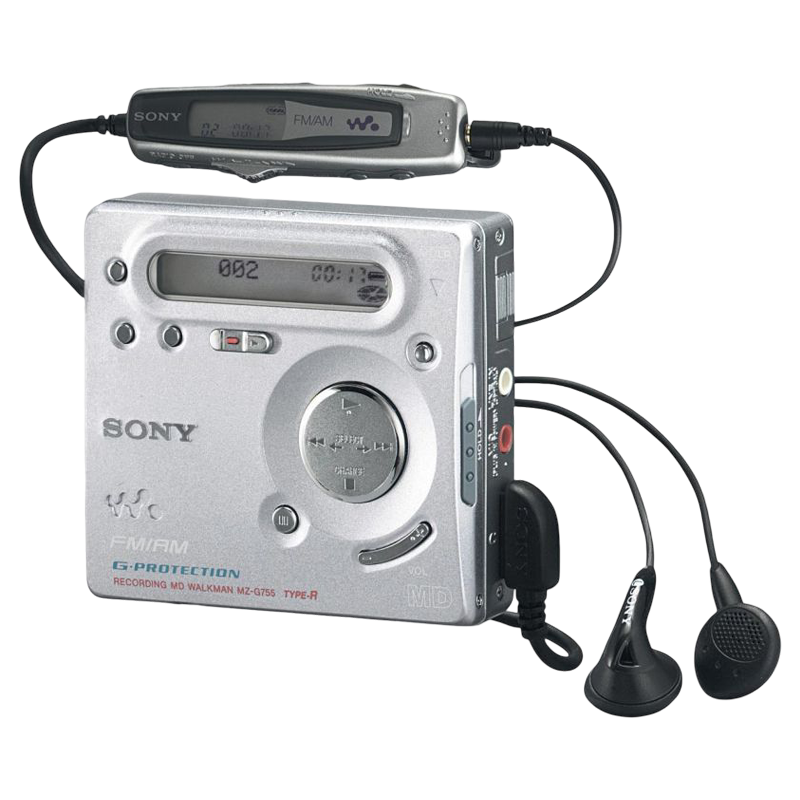
The MZ-G755 combines full recording capability with a radio system built into the remote, creating two separate listening modes. Microphone, line, and optical inputs support both analog and digital recording across multiple source types. MDLP extends recording time, and ATRAC Type-R improves standard play recording quality. G-Protection reduces skipping during playback. The remote includes an AM/FM tuner that allows the system to function as a standalone radio, though broadcast audio cannot be recorded.
MZ-R701
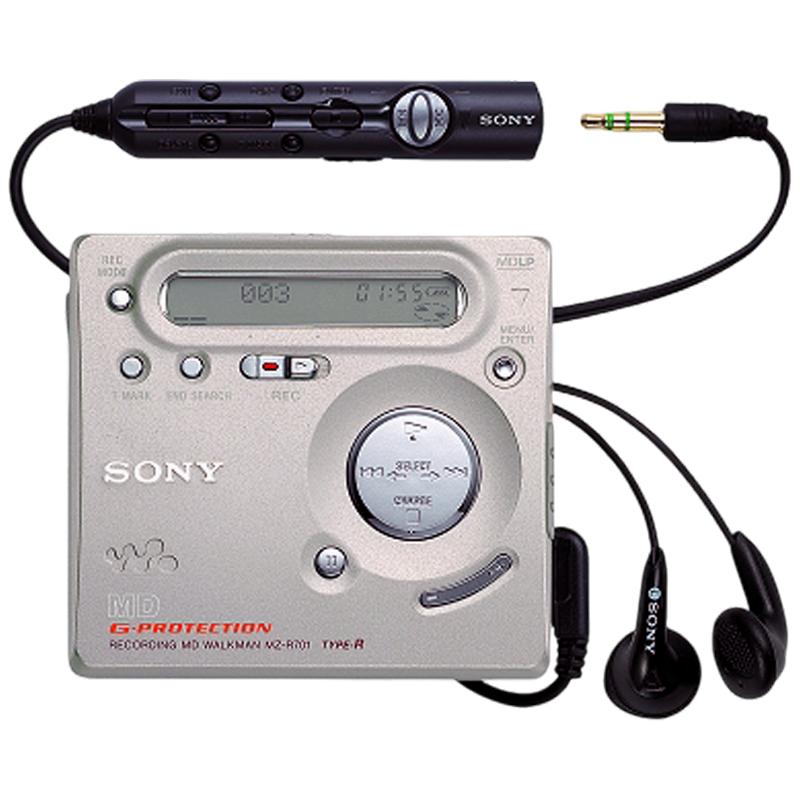
The MZ-R701 expands input options while keeping a simple, durable design. Microphone, line, and optical inputs are all present, allowing both voice and music recording without restriction. MDLP extends recording time, while G-Protection reduces skipping by buffering audio during playback. Digital and manual level control provide flexibility across different recording scenarios. A basic remote is included for playback control, though without a display. Power comes from a single AA battery, reinforcing its focus on practicality.
MZ-E505
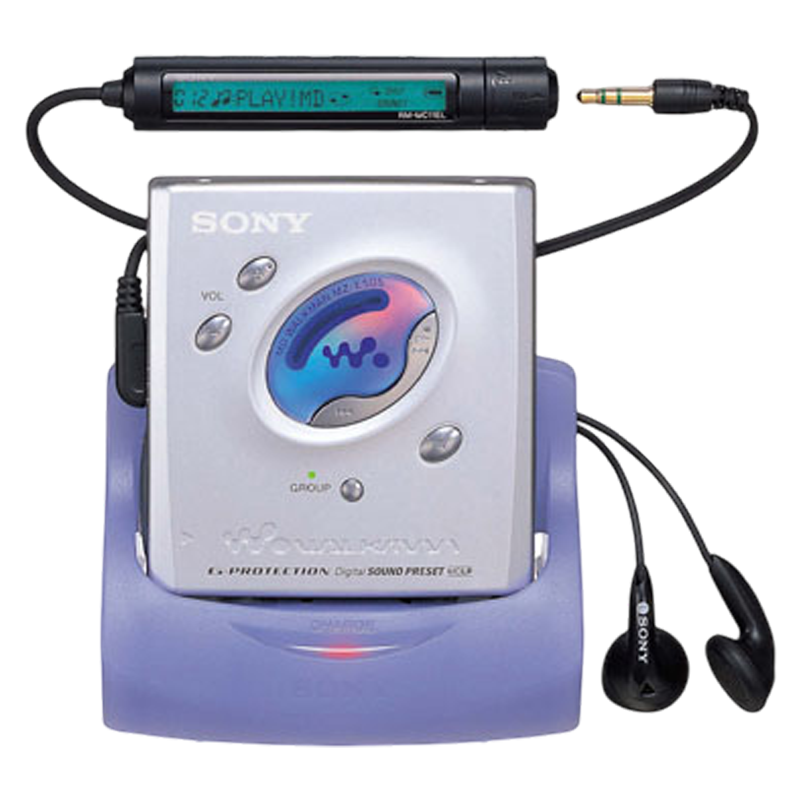
The MZ-E505 is built around stable playback and straightforward control instead of expanded processing. It supports both standard MiniDiscs and MDLP recordings, with MDLP extending playback time through compression. G-Protection buffers audio ahead of playback to reduce skipping during movement. Group mode helps organize tracks on longer discs. A backlit remote handles most interaction, including track navigation and display. Sound presets allow quick adjustment without exposing deeper controls.
MZ-E710
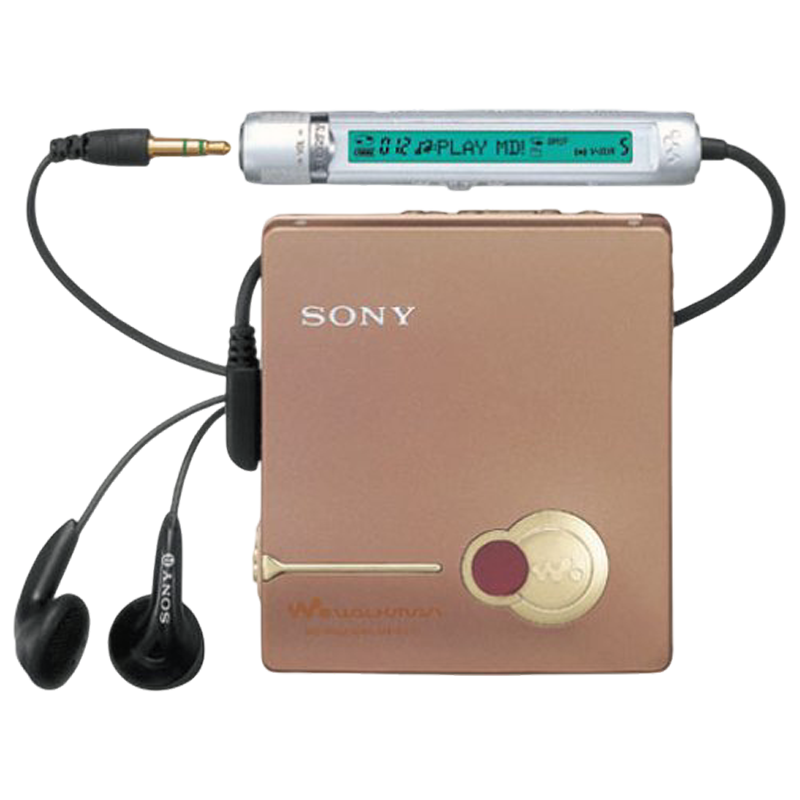
The MZ-E710 shifts emphasis from basic stability to expanded playback control. It handles both standard and MDLP discs, with additional processing applied during playback. A digital amplifier works alongside a multi-band equalizer and virtual surround effects, while pitch control adds another layer of adjustment. G-Protection maintains playback stability, and bookmark functionality allows quick access to selected tracks. Most interaction is handled through the remote.
MZ-E10
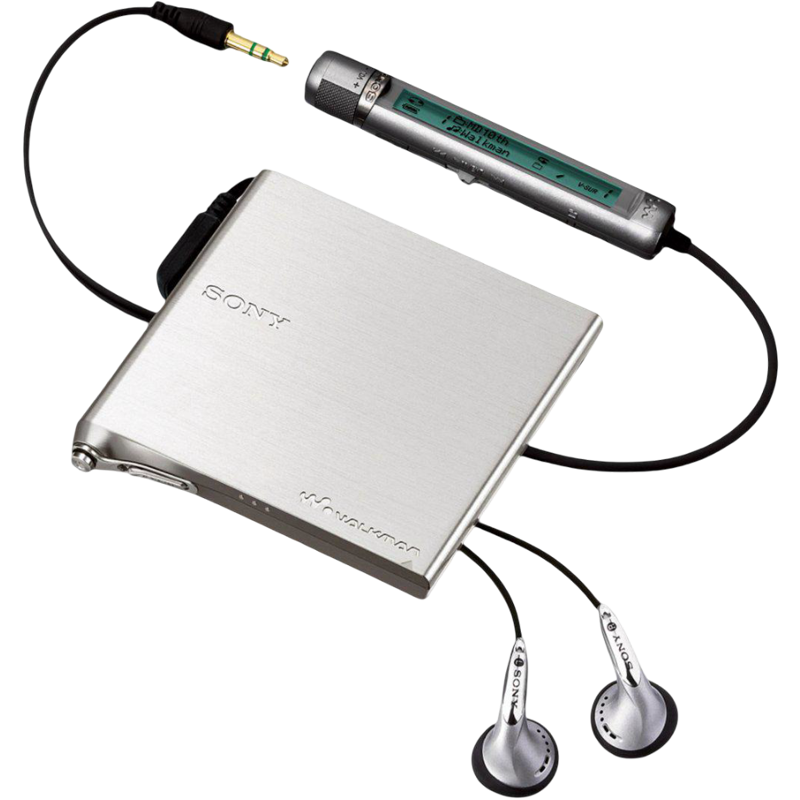
The MZ-E10 was a flagship MiniDisc player that pursued extreme thinness and compactness. Its magnesium body was exceptionally thin for its time, and it used a built-in lithium-ion battery for power. In addition to a digital amplifier, it featured an equalizer, virtual surround sound, and pitch control. It also supported bookmark playback. The dedicated 3mm headphone jack was another feature that symbolized this thorough compact design. Operation was primarily via the remote control.
In 2002, an integrated structure of physical media and digital tools was established. At the same time, the structural differences from file-based devices became clear.