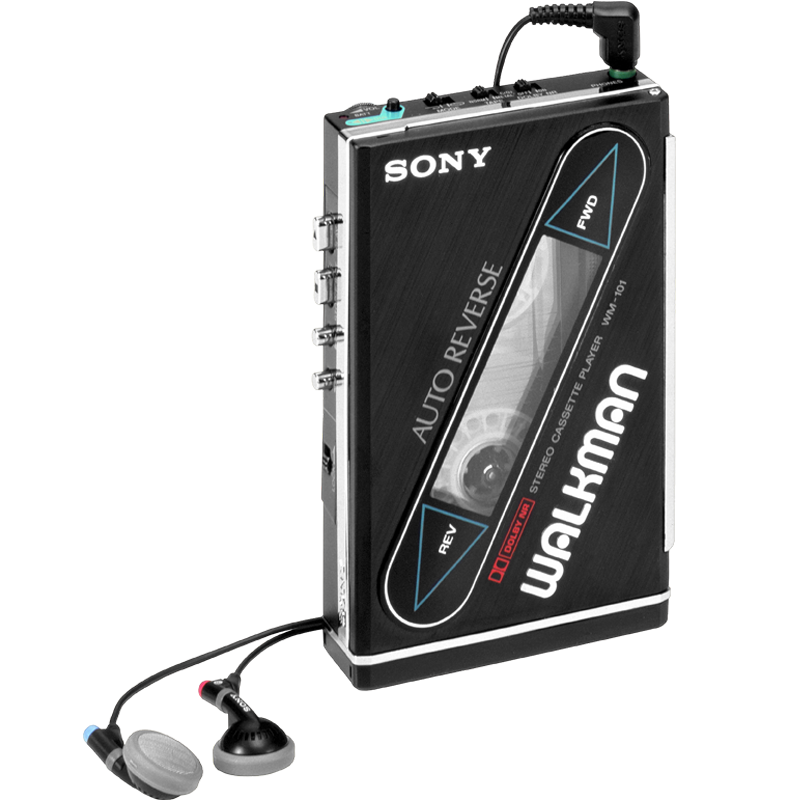
In 1985, Sony corrected structural issues related to battery consumption and casing size. A design that prioritizes power efficiency and ease of operation has been incorporated.
D-50MkII
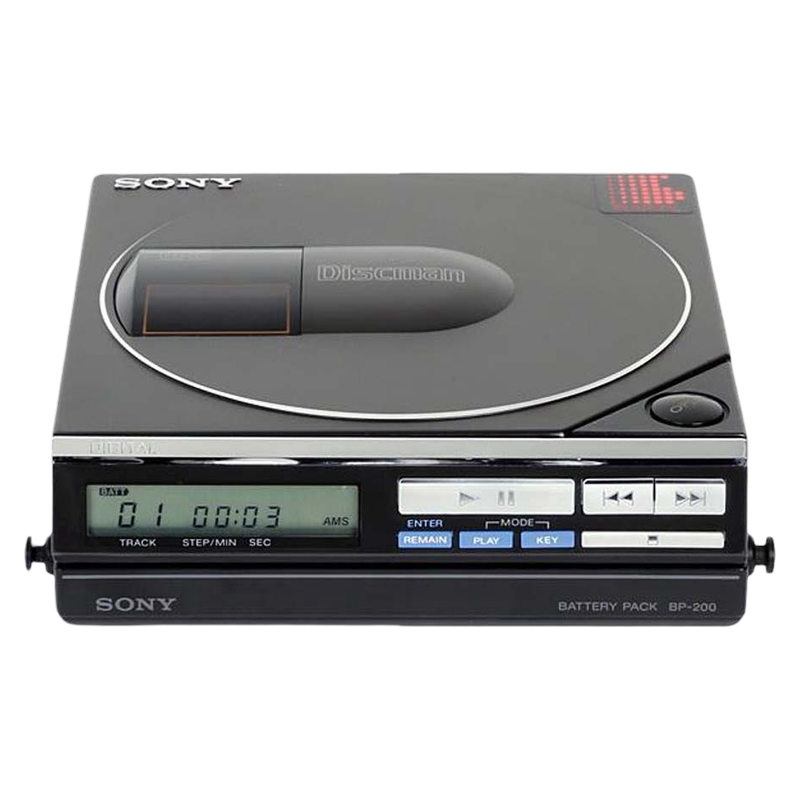
The D-50MkII is the version that made Sony's original portable CD idea feel less of a technical flex and closer to a finished product. The flush-fitting BP-200 rechargeable pack cleaned up one of the first model's most awkward compromises and made the whole machine feel more self-contained, while reworked internals refined the transport and digital section without changing the basic character of the player. Portable CD is no longer being treated like a one-off curiosity by then. The D-50MkII helped the Discman name start sticking and pushed the player closer to something you could actually live with instead of just show to people for five minutes. It still belonged to the pre-anti-skip era and still asked for a little care, but the category had started to feel real.
D-700

The D-700 is a compact high-fidelity CD player positioned as one of the smallest units in Sony's early home-oriented CD range. Front-loading and AC-powered, it offered automatic music search, shuffle and repeat functions, a digital display, and a line output with its own rotary volume control, all inside a chassis that behaved closer to a miniature component for a desk or bedside table than a battery-driven portable. Sony is still figuring out how far compact disc could be shrunk without fully turning it into a handheld category. The D-700 sat in that overlap period where the portable line and the compact home line had not fully split apart yet. It is less of a Discman in the everyday sense than a compact domestic machine built during the same early rush.
By 1985, portable CD players had developed a structure that made them functional as practical devices. However, limitations regarding reliability and portability remained.