
Late-decade models reflected two full generations of high-resolution thinking in both hardware and software. Ergonomics and audio circuitry reached a level of refinement that honored the original Walkman spirit while speaking directly to modern audiophile standards.
NW-ZX507
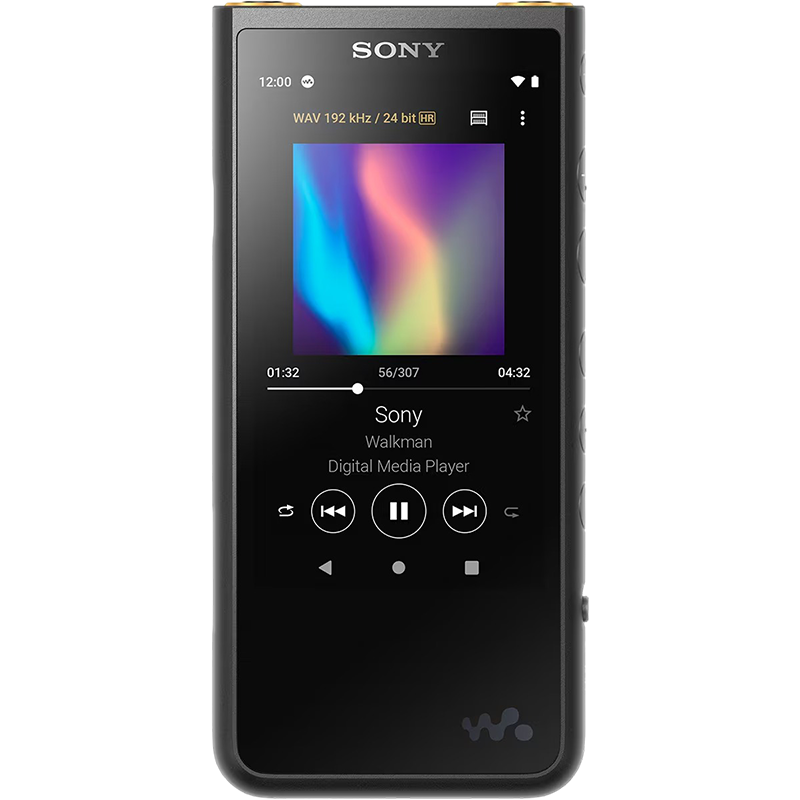
The NW-ZX507 was a ZX Series Network Walkman with 64 GB of internal storage and support for high-resolution formats including DSD. It used a touchscreen interface, Bluetooth, Wi-Fi, NFC, USB-C, microSD expansion, balanced output, USB DAC support, and advanced audio processing. The ZX507 brought Android back to the ZX Series after the playback-first ZX100 and ZX300 generation. That changed the product's behavior: it was no longer aimed only at listeners managing local high-resolution files, but also at people who wanted enthusiast hardware with modern app-based listening in the same device. It sits at the point where the ZX concept reconnected with streaming-era habits while keeping the dedicated hardware and audio focus that separated it from ordinary smart devices.
NW-A100TPS
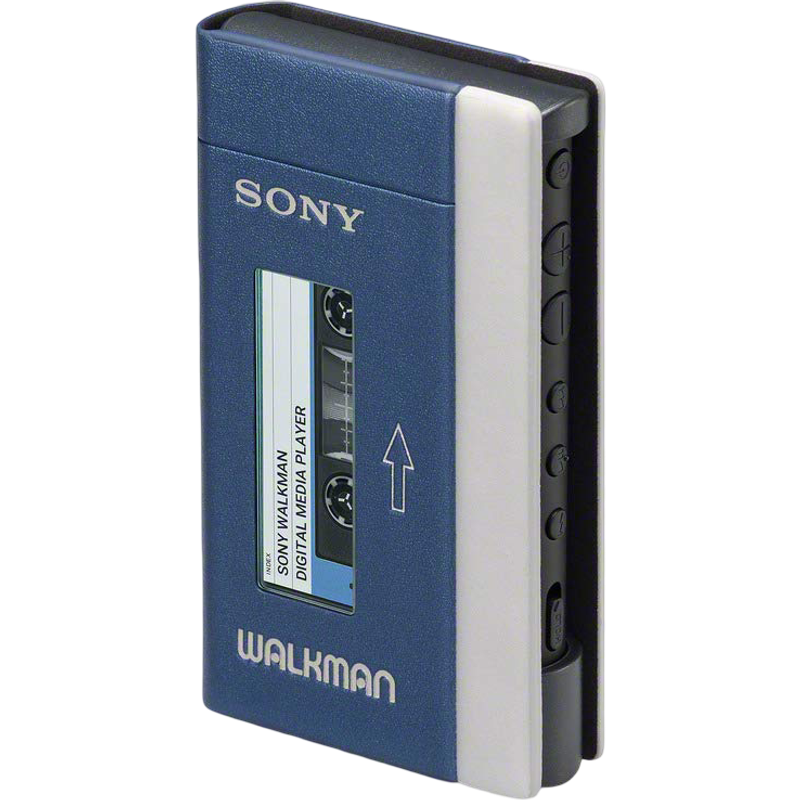
The NW-A100TPS is a 13th-generation A Series Network Walkman with 16 GB storage supporting MP3, WMA, AAC, FLAC, ALAC, AIFF, Linear PCM, and DSD playback. A lithium-ion battery delivers up to 26 hours of use with Bluetooth, Wi-Fi, NFC, touchscreen control, USB-C, video playback, and photo playback. It represented the Android-powered evolution of the A Series lineup. This player is best understood as a commemorative branch of the Android-powered A100 generation instead of a separate structural step. The A Series had now crossed back into touchscreen, Wi-Fi, and app-capable territory. This special edition is part of the moment where Sony redefined the compact premium Walkman for a world where even a dedicated player had to coexist with streaming-era habits instead of standing outside them.
NW-A105
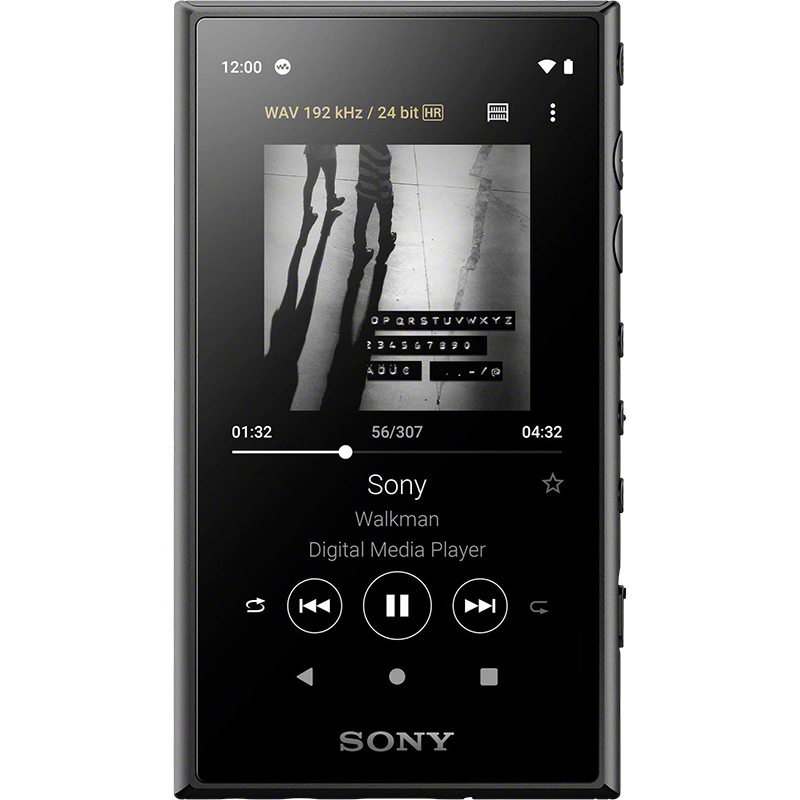
The NW-A105 is a 13th-generation A Series Network Walkman with 16 GB storage supporting MP3, WMA, AAC, FLAC, ALAC, AIFF, Linear PCM, and DSD playback. A lithium-ion battery delivers up to 26 hours of use with Bluetooth, Wi-Fi, NFC, touchscreen control, USB-C, video playback, and photo playback. This is where the A Series fully returned to Android. That shift changed the meaning of the line from compact dedicated Hi-Res player to compact modern Walkman that could also live in an app-and-streaming world. Sony was updating the A formula, even at the cost of some of the battery-life and simplicity elegance that had defined the previous generation.
NW-A105HN
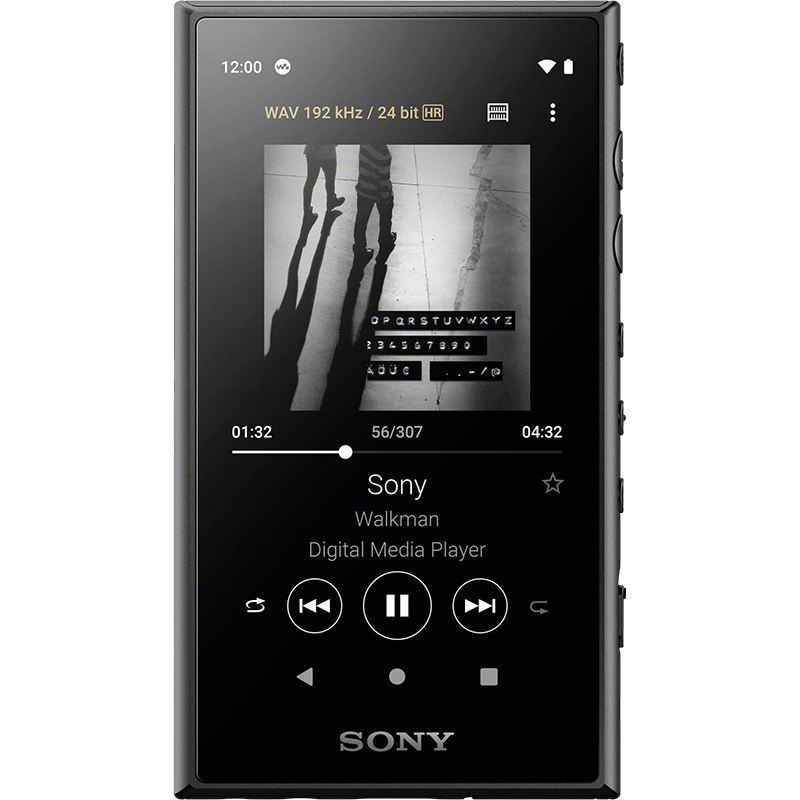
The NW-A105HN is a 13th-generation A Series model with 16 GB storage supporting MP3, WMA, AAC, FLAC, ALAC, AIFF, Linear PCM, and DSD playback. A 1280x720 LCD display showed track information while a lithium-ion battery provides up to 26 hours of use. Bluetooth, Wi-Fi, NFC, digital noise cancellation, touchscreen control, USB-C, video and photo playback, and Vinyl Processor were included along with bundled earphones. The HN variant paired the high-resolution Android A Series platform with earphones. It is the same Android-powered A100 platform with bundled listening hardware, so its meaning is tied entirely to the underlying shift established by the A105 itself.
NW-A106
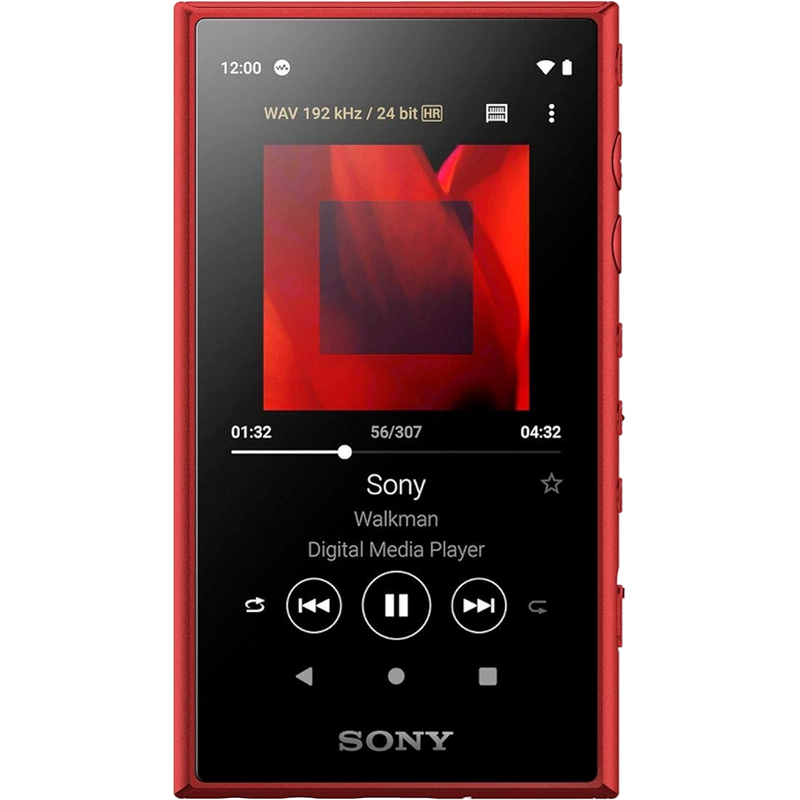
The NW-A106 is a 13th-generation A Series Walkman offering 32 GB storage for MP3, WMA, AAC, FLAC, ALAC, AIFF, Linear PCM, and DSD playback. It uses a 26-hour lithium-ion battery with Bluetooth, Wi-Fi, NFC, touchscreen control, USB-C, video playback, and photo playback. This unit extended the same Android A100 platform upward in storage without changing the branch's larger meaning. The A Series had already accepted Android and streaming-era behavior as part of its future. This model simply reinforces the new reality.
NW-A107
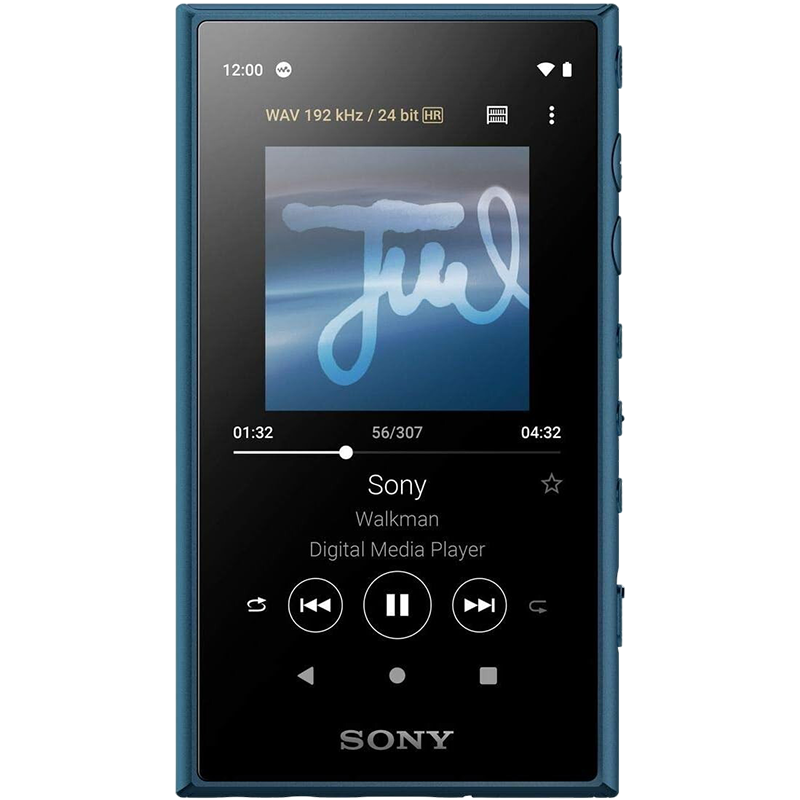
The NW-A107 is a 13th-generation A Series Walkman offering 64 GB storage for MP3, WMA, AAC, FLAC, ALAC, AIFF, Linear PCM, and DSD playback. It uses a 26-hour lithium-ion battery with Bluetooth, Wi-Fi, NFC, touchscreen control, USB-C, video playback, and photo playback. The A107 is the fullest-storage version of the same Android A100 platform and the strongest expression of that first streaming-era A concept. Sony was trying to prove that the compact A Series could survive in a very different market if it accepted a more connected identity.
2019 closed the 2010s on a note of quiet authority. It handed the category to the 2020s ready for the next chapter of specialist evolution.