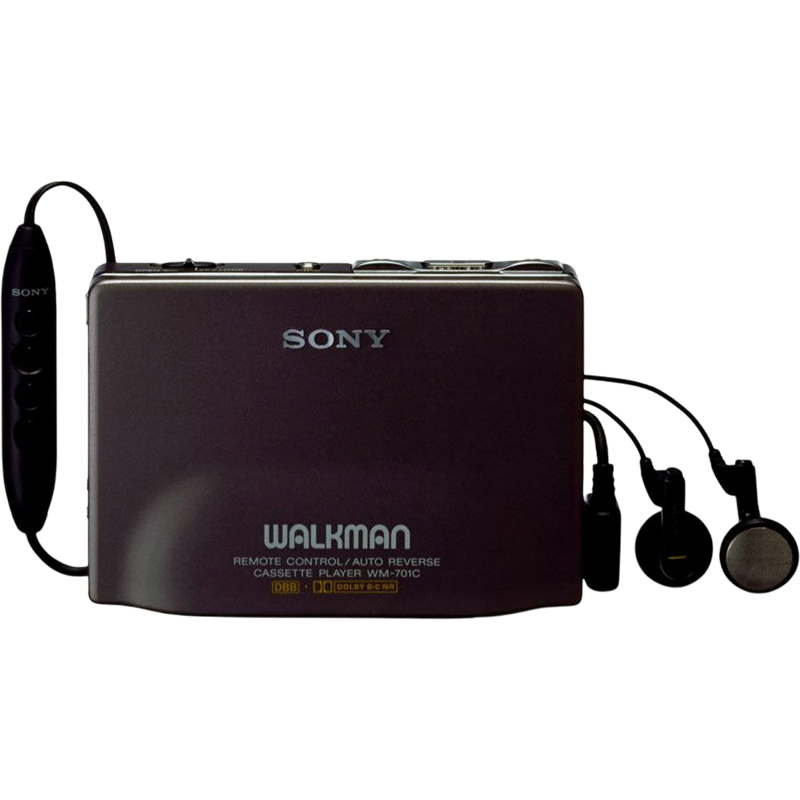
1988 WM-701C
The WM-701C is a high-end playback Walkman with Dolby B/C and Dynamic Bass Boost.

If you find it useful, you can support it. Support the archive
By 1988, Sony was no longer proving that portable audio could work. That question had already been answered. Instead, the company was pushing scale and variation, expanding both cassette and compact disc into a full spectrum of products that reached from entry-level consumers to high-end audio enthusiasts. Portable music was no longer a novelty. It was a category that had to be filled in completely.
Inside that expansion, engineering began to move in two directions at once. Cassette Walkman models continued to refine size, power efficiency, and feature density, building on nearly a decade of iteration. At the same time, Discman was entering a more aggressive phase of miniaturization. Sony introduced smaller and more experimental CD players, including designs that pushed physical limits in order to make the format feel as portable as cassette, even when the medium itself resisted that transition.
What defines 1988 is not a single breakthrough, but the moment when Sony committed to making both formats feel complete. Cassette was still dominant, but CD was no longer experimental. It was being adapted, compressed, and reshaped into something that could exist everywhere. That tension between a perfected format and an expanding one would define the next few years, but in 1988, Sony was still fully invested in building both at the same time.
The WM-701C is a high-end playback Walkman with Dolby B/C and Dynamic Bass Boost.
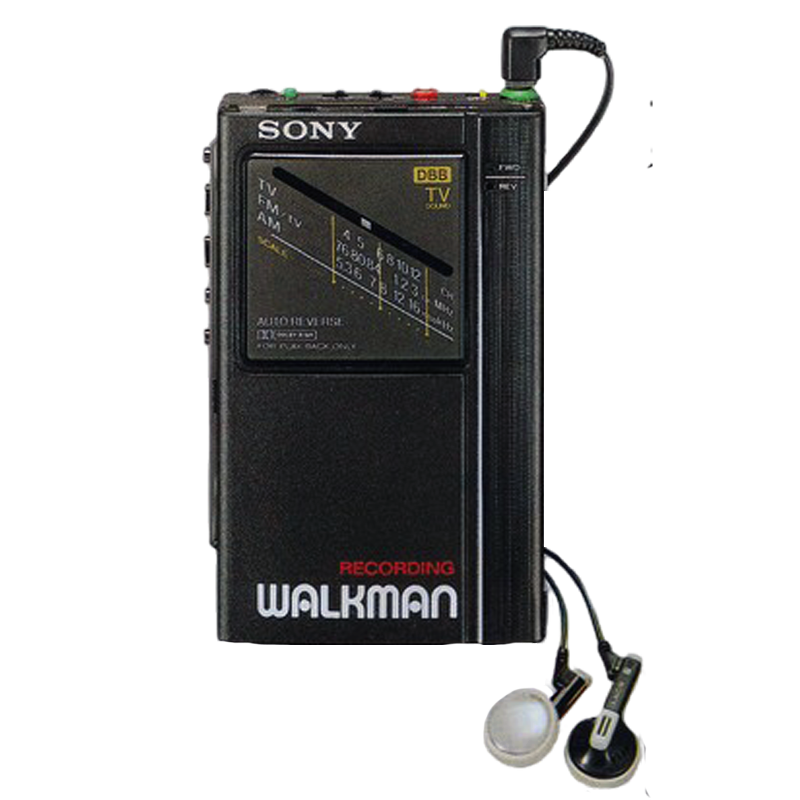
The WM-F404 is a Walkman with a built-in radio.
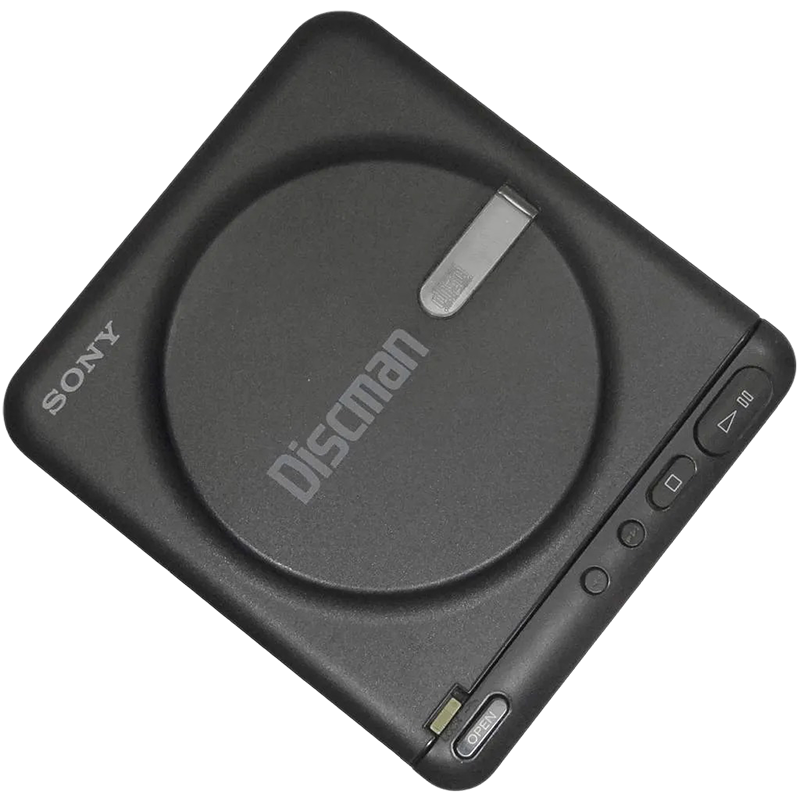
The D-88 is a portable CD player with a compact body that supports playback of 12cm and 8cm CDs.
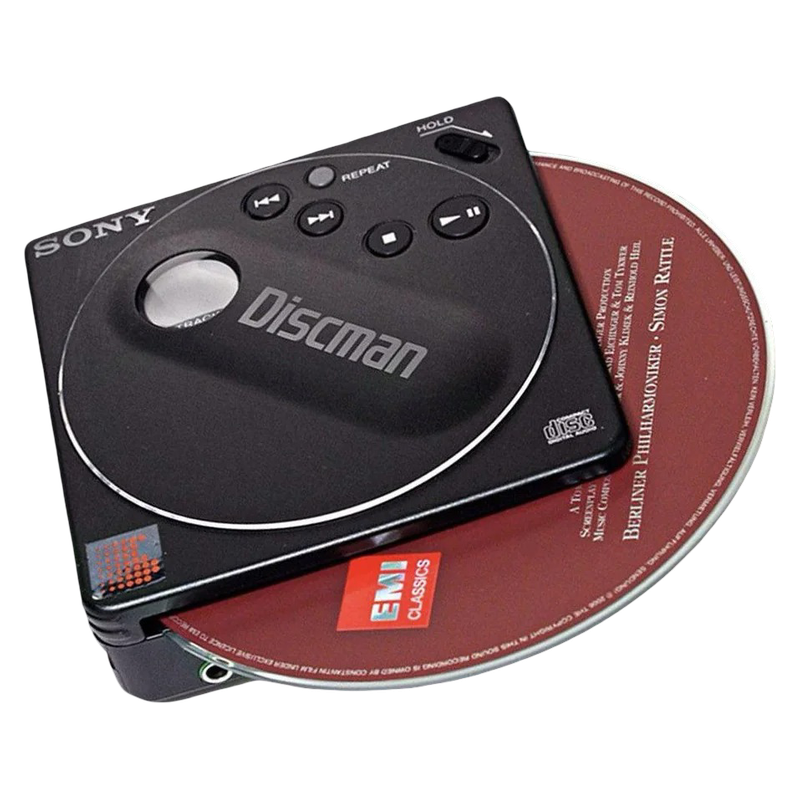
The D-150 is a portable CD player with improved vibration resistance and power supply configuration.
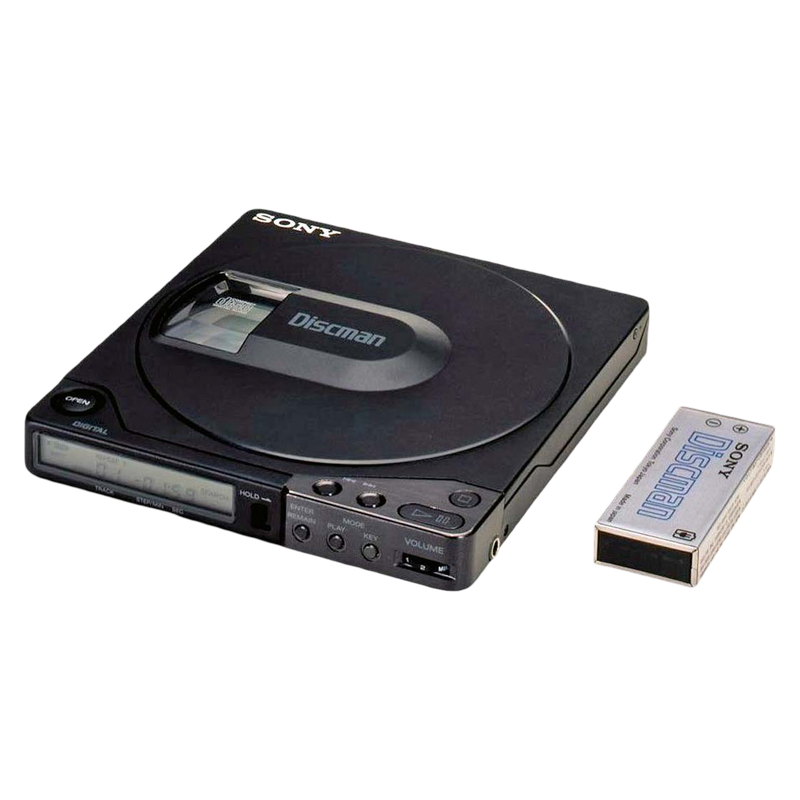
The D-20 is a compact portable CD player built on the same platform.