1995 WM-EX911
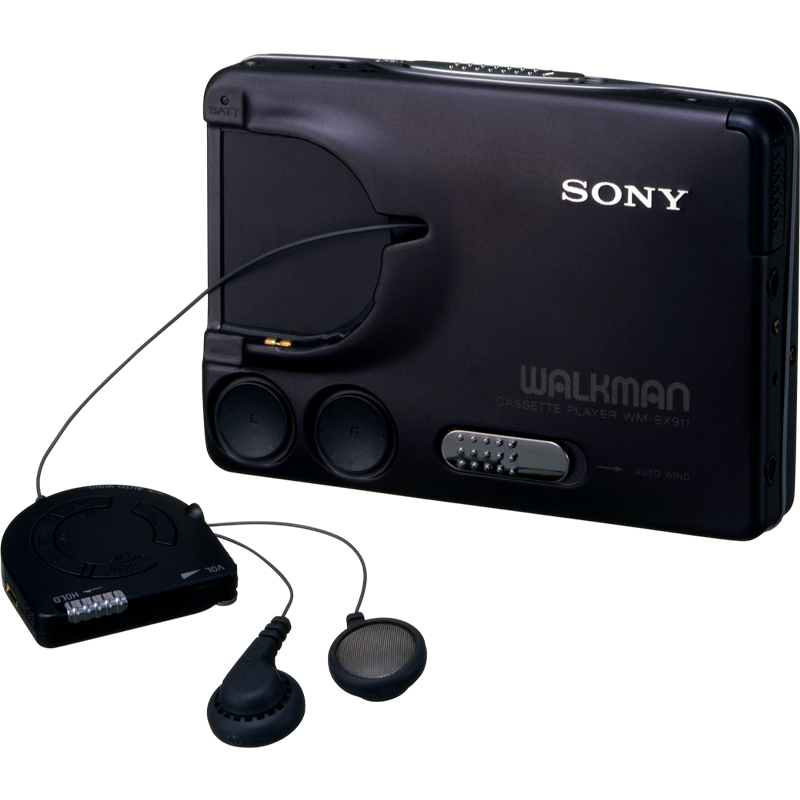
The WM-EX911 is a playback-only Walkman equipped with auto-reverse.

If you find it useful, you can support it. Support the archive
By 1995, the challenge facing Sony was no longer internal. The question was no longer how to position MiniDisc, but whether the market would move in that direction at all. The format had improved, with smaller and more practical hardware beginning to appear, but its place was still uncertain.
At the same time, the broader landscape was beginning to shift in ways Sony could not fully control. Discman remained dominant and widely adopted, while cassette continued to persist through cost and familiarity. But a new factor was emerging: recordable CD. What had previously been a professional or expensive technology was starting to move toward consumer accessibility, introducing a new kind of flexibility that competed directly with MiniDisc’s core idea.
What defines 1995 is the moment when MiniDisc stopped competing only against existing formats and began competing against a future it did not create. Sony was no longer just trying to replace cassette or complement CD. It was facing a market that was beginning to redefine itself independently. That shift would have long-term consequences for the role MiniDisc could realistically play.
The WM-EX911 is a playback-only Walkman equipped with auto-reverse.
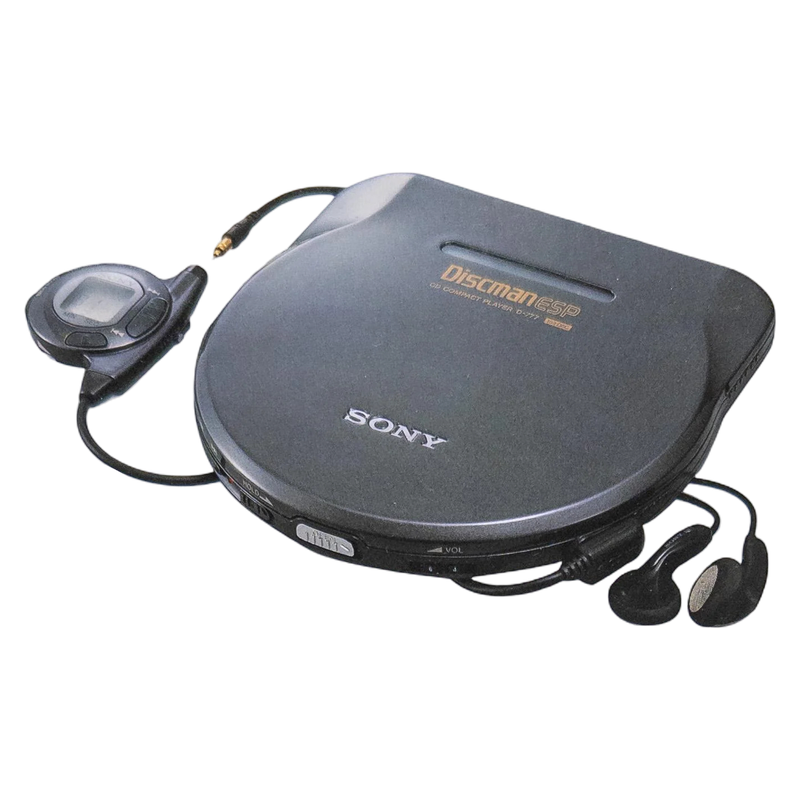
The D-777 is a high-end portable CD player with a compact, slim design and a high-quality audio output configuration.
The MZ-B3 is a voice recording-focused model that expands the MiniDisc format from music use to voice recording use.
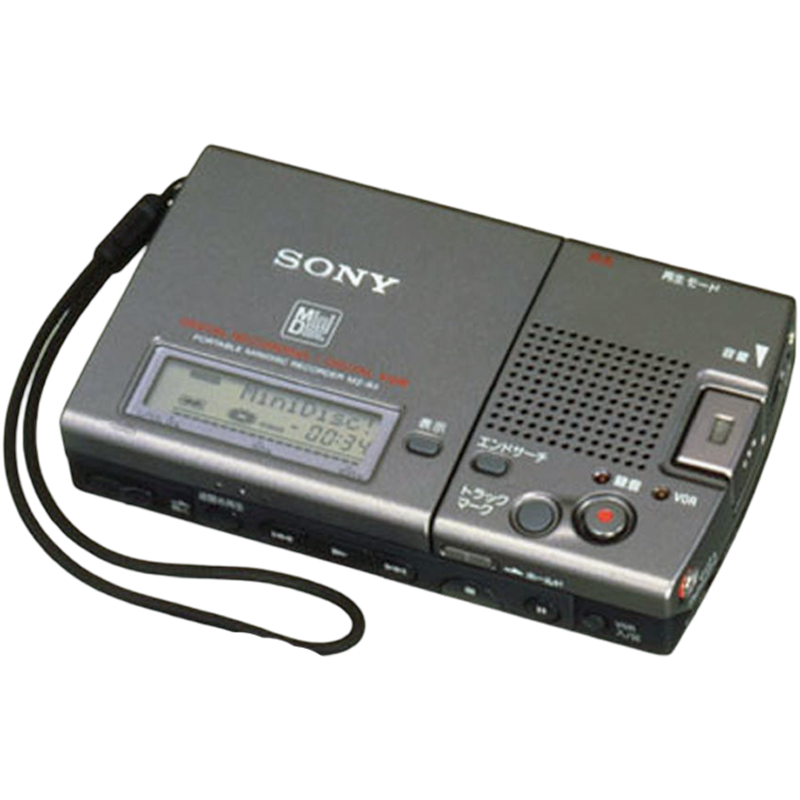
The MZ-R3 is a MiniDisc recorder that evolved early portable recording into a more flexible and sophisticated recording system.
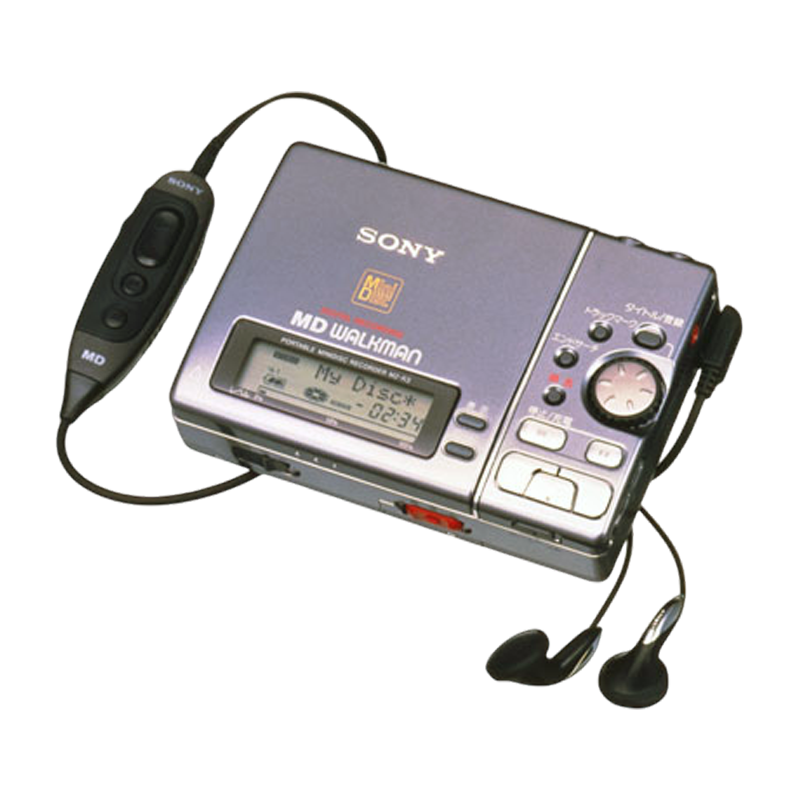
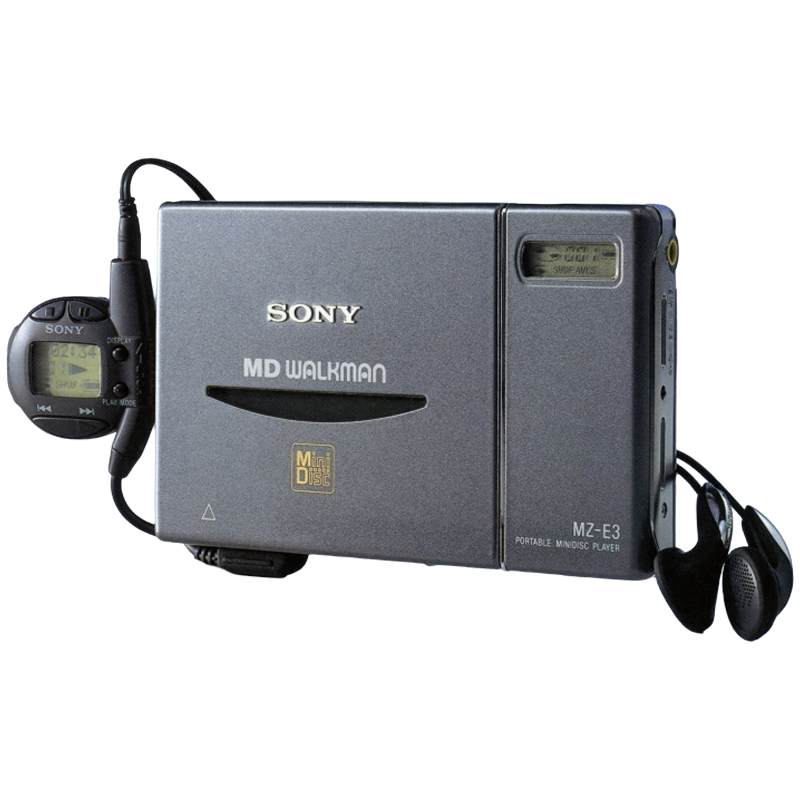
The MZ-E3 is an early-generation portable MiniDisc player that strongly retains the design philosophy from before the miniaturization trend.