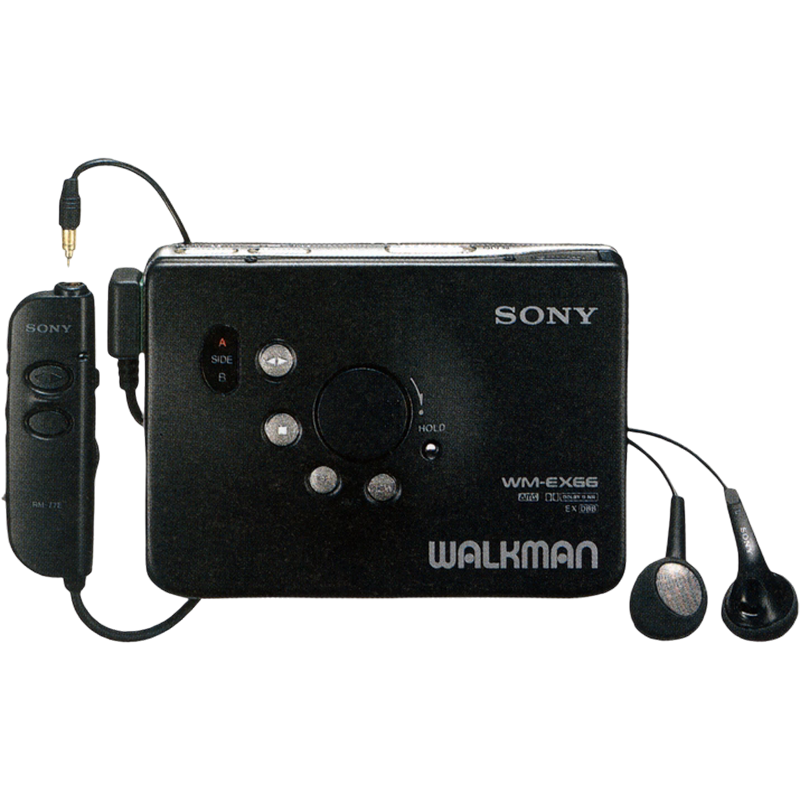
In 1992, Sony concentrated on the kind of improvements listeners actually noticed: battery endurance, durability, and real-world toughness. These practical gains made the format feel like a natural extension of personal listening rather than a compromise.
D-211
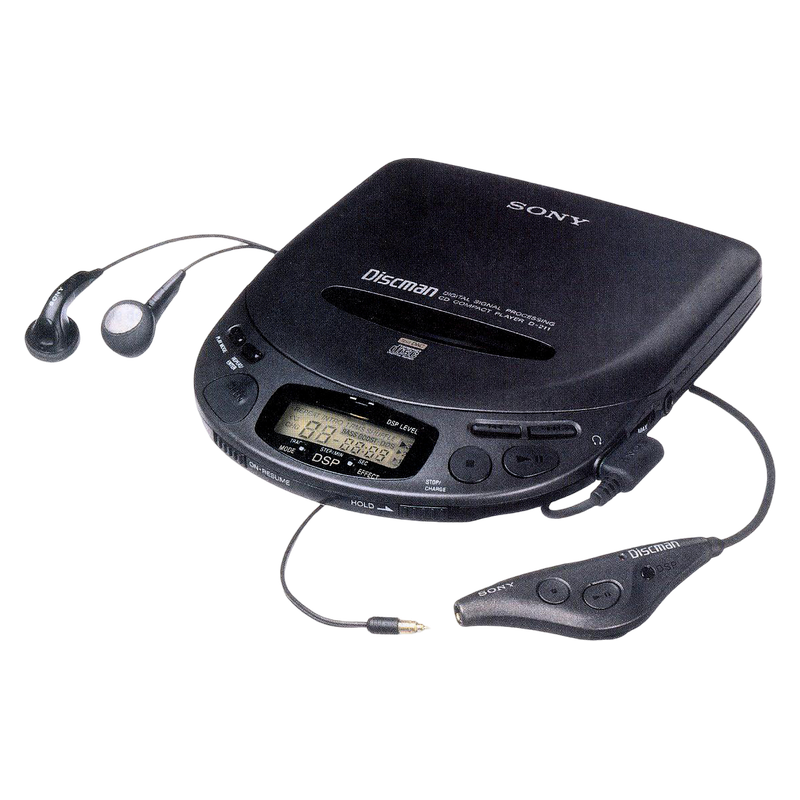
The D-211 sat in the early wave of Discmans equipped with electronic shock protection and offered a practical balance of buffering, decent build quality, and straightforward operation. It shared the same broad platform as its siblings but trimmed away the more premium touches to land in the middle of the range while still giving owners noticeably better real-world mobility than the earlier non-ESP machines. Anti-skip had matured enough by then to move into the middle instead of stay trapped at the top. The D-211 is part of the part of the line where portable CD is finally starting to behave the way people had wanted it to behave all along. That matters more than any one specification here.
D-311
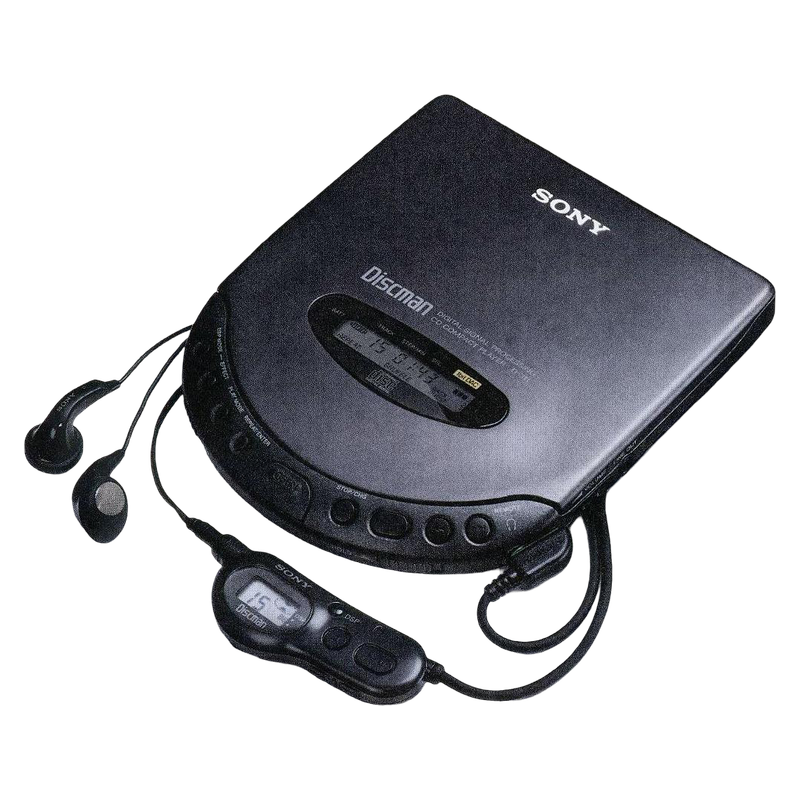
The D-311 is a premium portable CD player from 1992 that became widely respected for its sound quality, pairing a metal alloy chassis with a 1-bit DAC, powerful headphone output, and a more serious audio presentation than almost anything else around it. It lacked built-in ESP, but compensated with exceptional clarity, dynamics, and the kind of hardware focus that made it feel closer to a compact enthusiast machine than an ordinary portable. This sits right near the end of the pre-buffer premium instinct, where portability still came second to fidelity. The D-311 is built for listeners who cared more about sound than about whether the disc could survive a rough walk to the train. That tension is a big part of why people still talk about it.
D-515
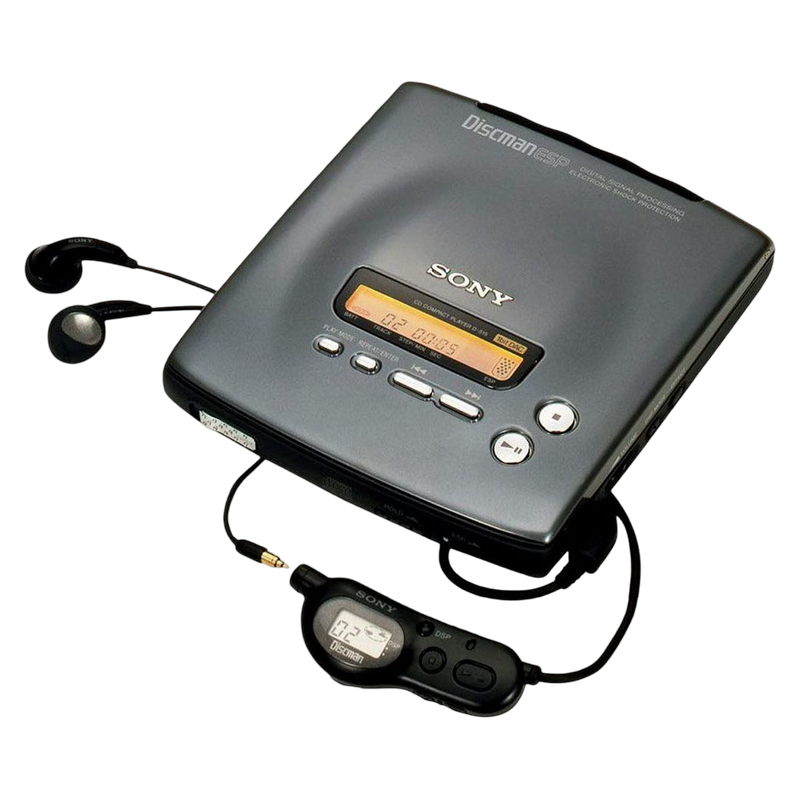
The D-515 is a high-end portable CD player equipped with an electronic anti-skip mechanism. It features approximately 3 seconds of buffer time, a metal casing, and an enhanced audio output circuit. The anti-skip mechanism improves playback stability during transport, balancing sound quality and portability. It is positioned as a higher-end model with enhanced audio output and playback stability.
By 1992, Discman had closed the last major convenience gaps with analog portables. The category stood ready for its mature phase, even as the ground beneath it was already starting to shift toward open digital files.