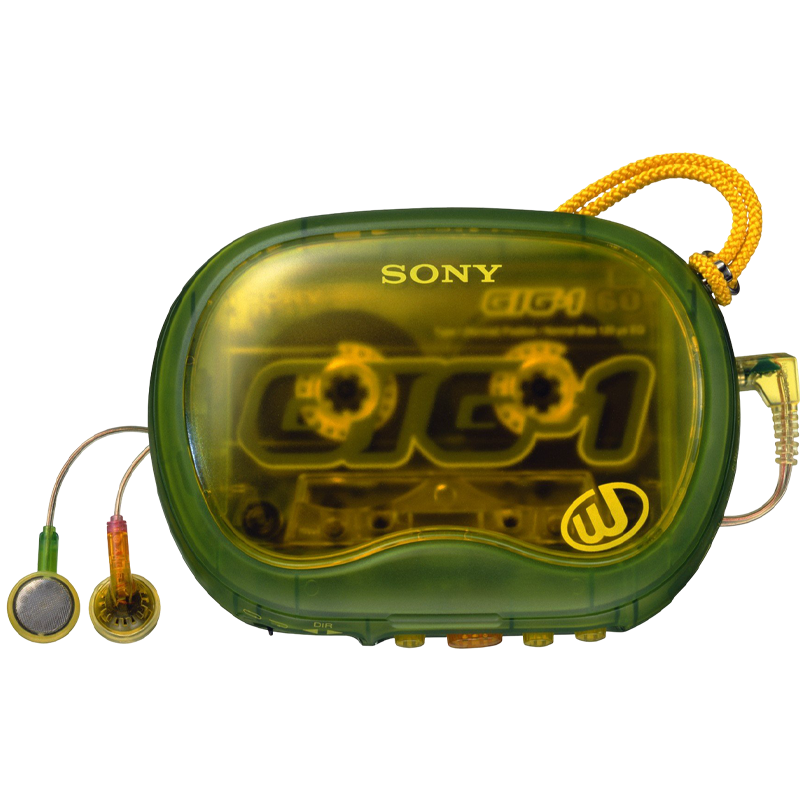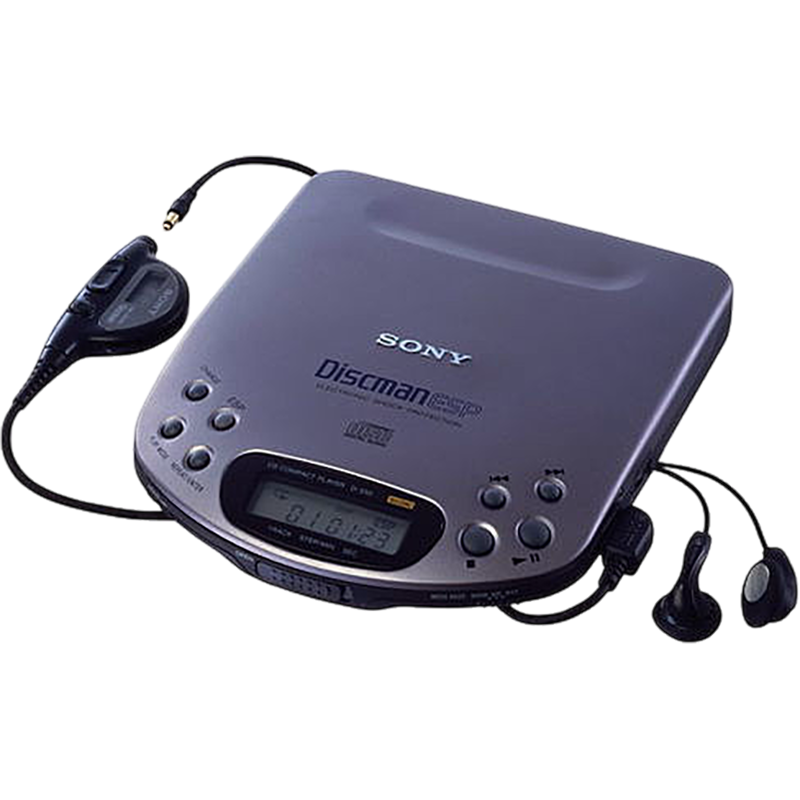
In 1996, Sony made progress in miniaturizing MiniDisc devices. Improved power efficiency has enhanced the structure to accommodate portability and longer usage time.
MZ-R4ST
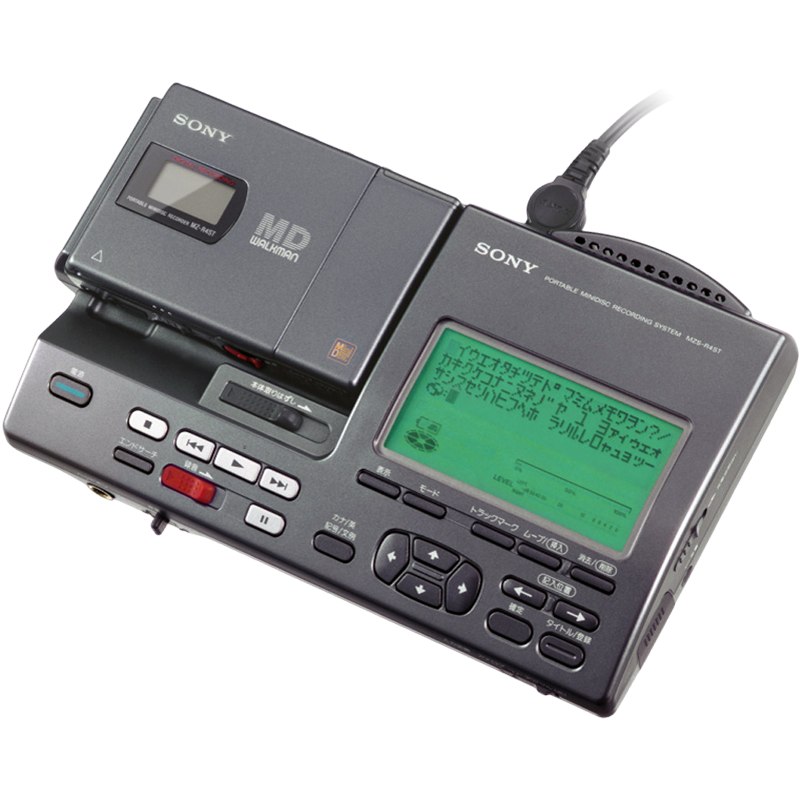
The MZ-R4ST is a docking-type MiniDisc system that separates portability from a full-fledged recording environment. The slim, portable unit alone supports basic recording and playback, while connecting to the dedicated docking station expands its digital and analog connectivity and editing capabilities. When docked, optical input, line input/output, more precise editing point adjustment, and an undo function become available. In standalone use, it offers a configuration focused on basic portable functions, while with the dock it functions as a recording environment similar to a stationary deck.
MZ-R30
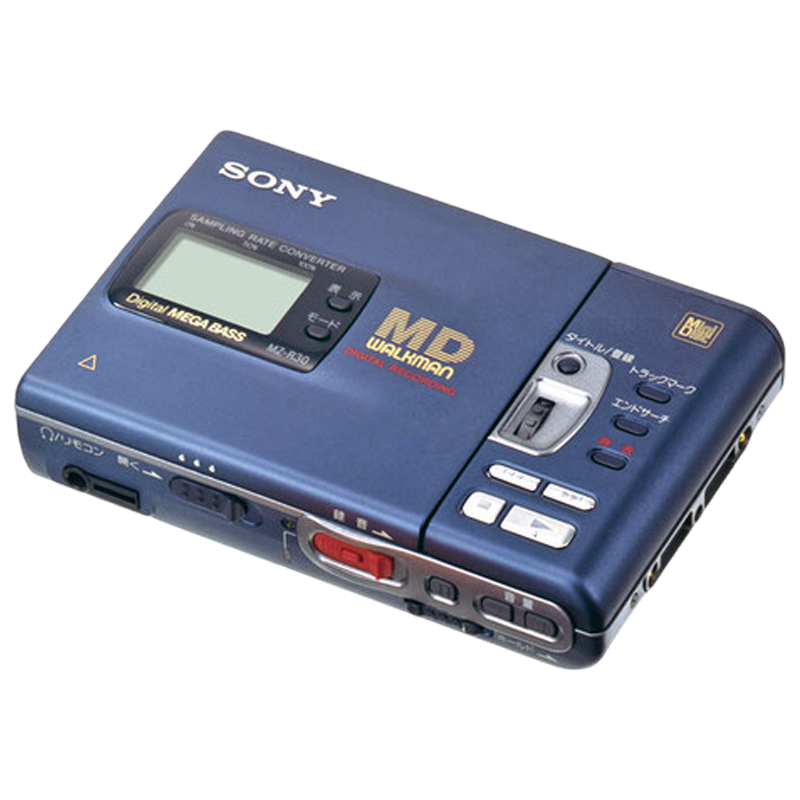
The MZ-R30 is a MiniDisc recorder that refines early portable recording with improved control and feedback. Optical and line inputs support both digital and analog recording, with a built-in converter allowing compatibility across multiple digital formats. Control is centered around a vertical jog dial for one-handed navigation during editing, titling, and track management. Recording can be adjusted manually or automatically, with synchronized recording responding to incoming digital signals. A graphical position display and level meter provide continuous feedback, and date and time stamping add context to recordings.
MZ-E50
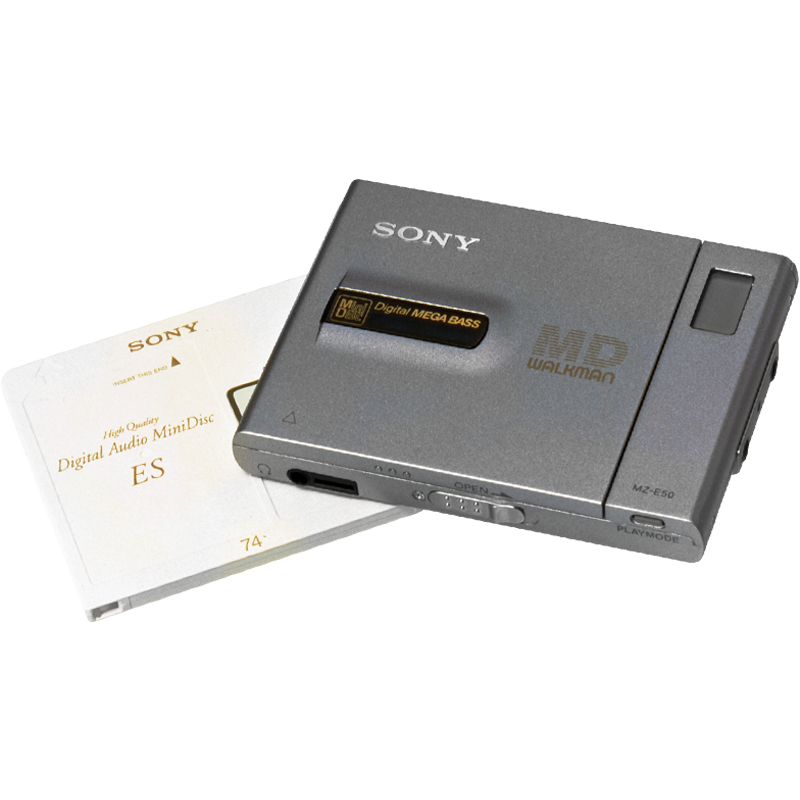
The MZ-E50 is a model that achieves a slim profile while maintaining rigidity by employing a die-cast magnesium casing. It is a model that demonstrates the shift in MiniDisc player design from being function-centric to prioritizing texture and overall finish. While the playback functions themselves are standard, the user experience is elevated in terms of both size and build quality. Both the main unit and the remote control have LCDs, and the controls are well-organized. Power is supplied by both rechargeable batteries and AA batteries.
MZ-E30
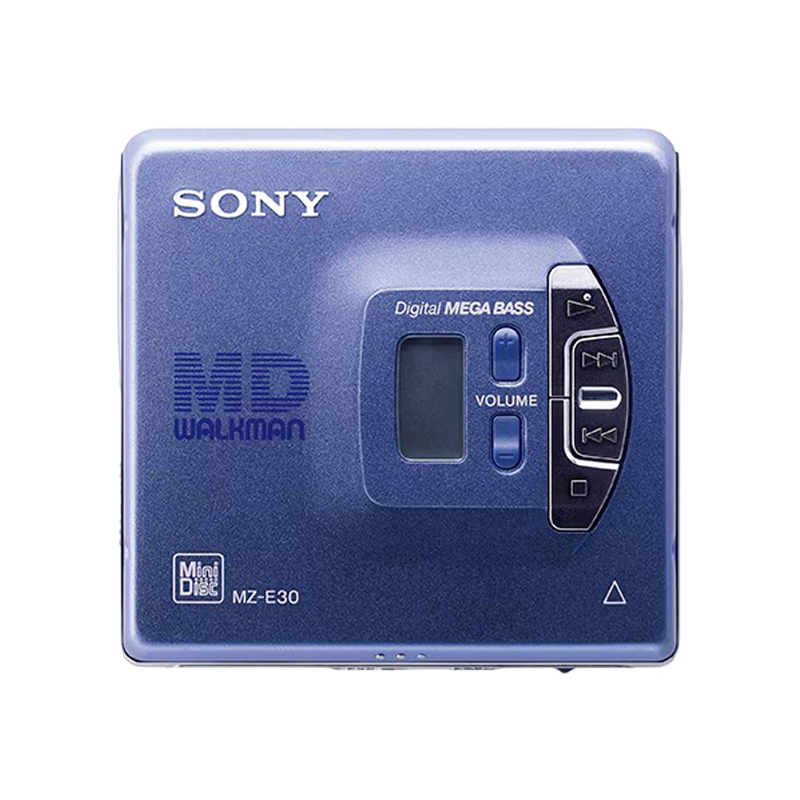
The MZ-E30 brings the jacket-size MiniDisc concept into a more accessible form, balancing portability with a slightly thicker and more durable construction. It keeps the core playback system intact while expanding visual appeal through multiple color variations. Both the main unit and remote include LCD displays for track information. Power comes from a rechargeable battery with optional AA support. Playback remains straightforward, with no added sound processing or extended control features, keeping the focus on size reduction and ease of use.
By 1996, many of the initial limitations had been resolved. The product now has a structure that allows it to be used as a stable portable device.