ObsoleteSony.com
1981
WM-2
Walkman
The WM-2 was Sony's first Walkman designed entirely from the ground up rather than adapted...
obsoletesony.com/walkman/wm-2

If you find it useful, you can support it. Support the archive


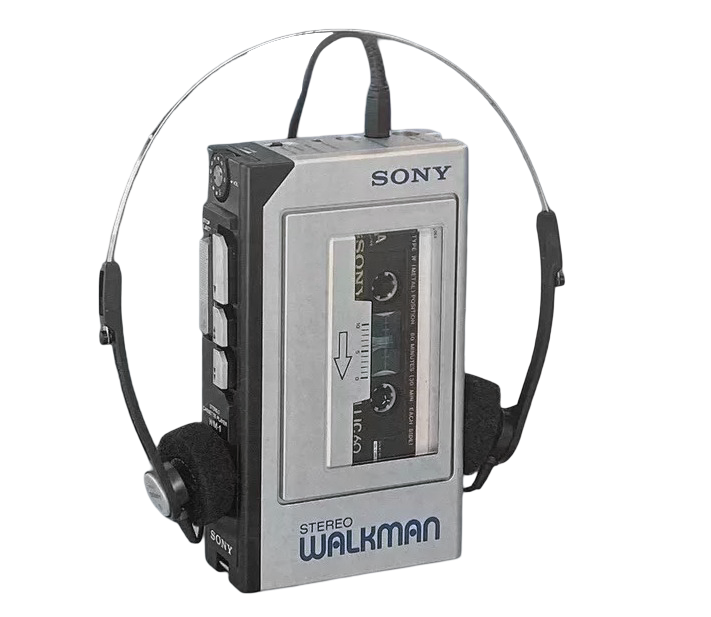
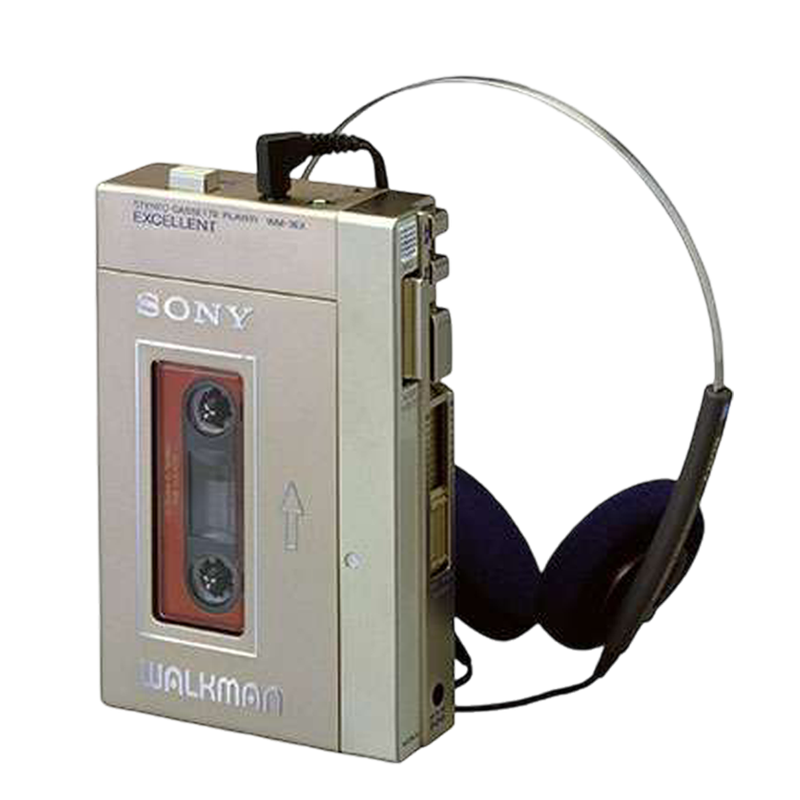
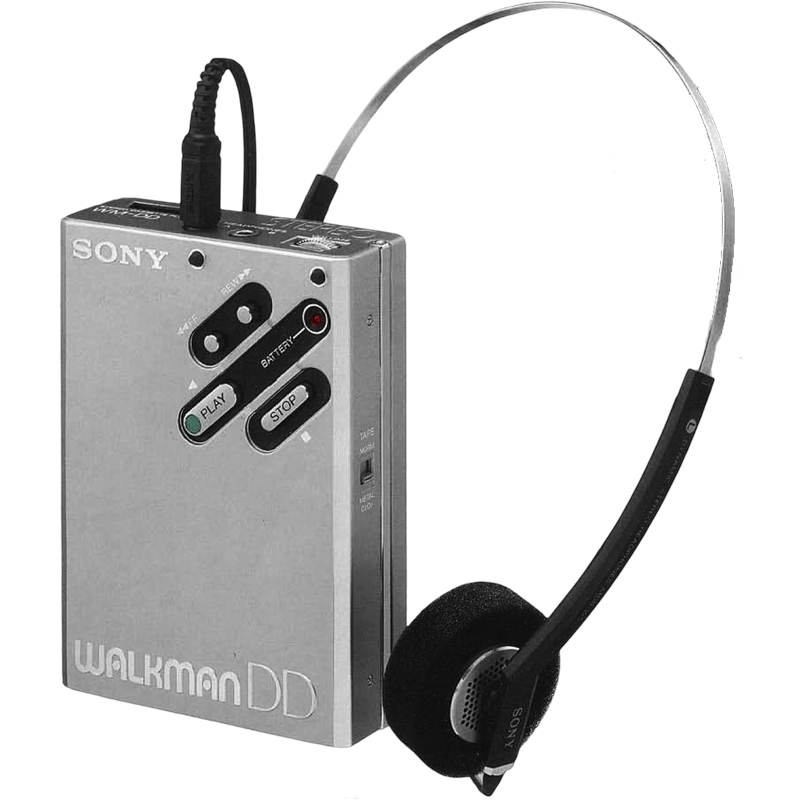
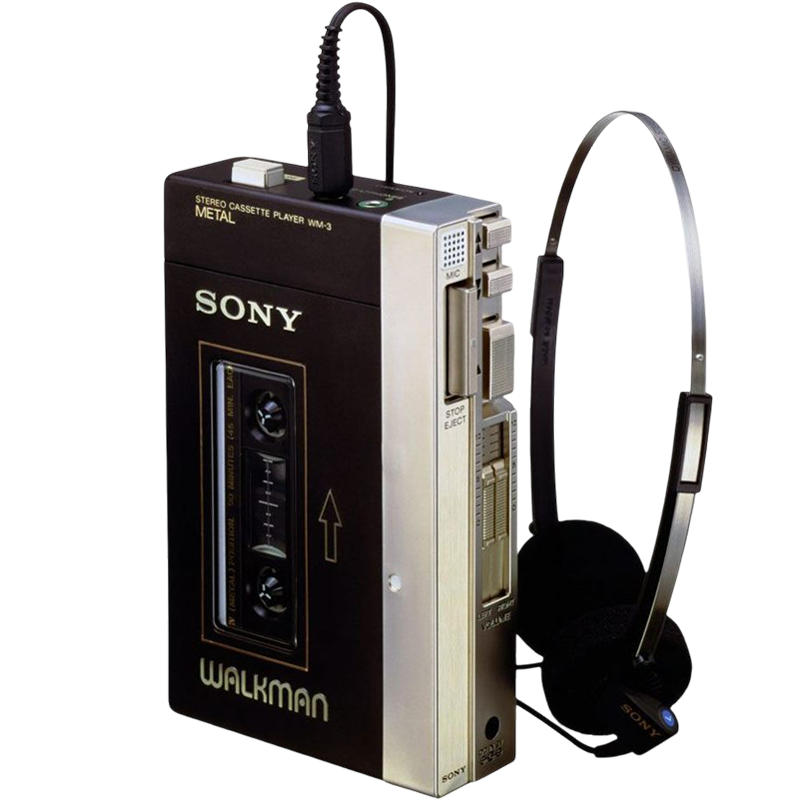
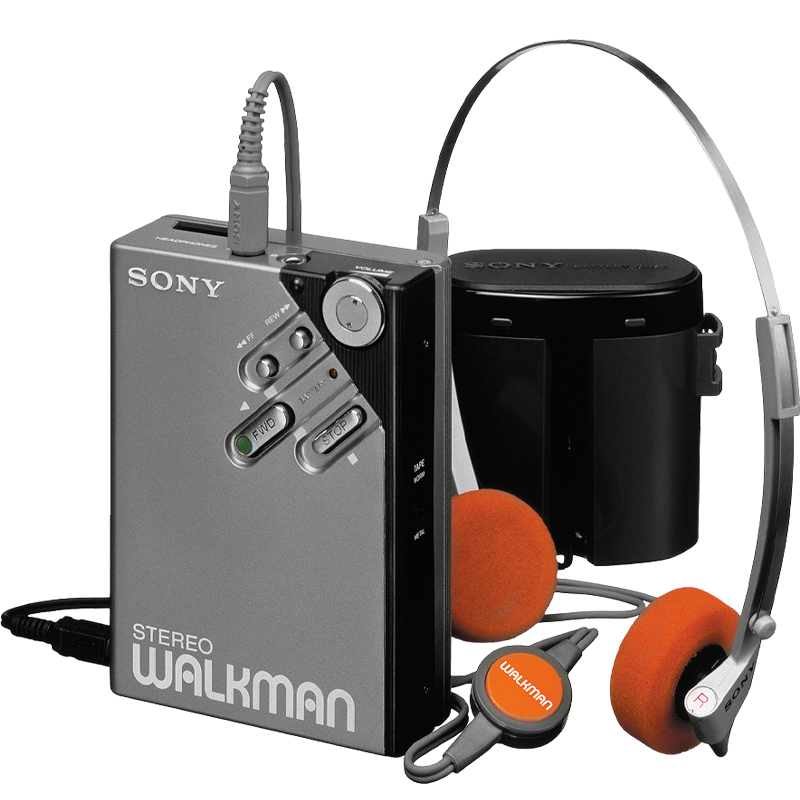
The WM-2 was Sony's first Walkman designed entirely from the ground up rather than adapted from an existing recorder. Released in 1981, it used a vertical layout with all controls on the front, making true one-handed operation feel natural. Its aluminum body kept weight low while still feeling solid. The battery compartment sat inside the cassette bay to keep the exterior clean, and a removable belt clip made the player easy to carry. A single thumbwheel replaced the earlier dual volume controls, while a tape selector expanded support to normal, chrome, and metal tapes without changing the playback-only concept.
The Walkman no longer felt like a clever offshoot. It had become a coherent consumer object. Sony no longer had to prove the idea worked; it could refine it into something smaller, cleaner, and easier to live with. The WM-2 eventually became the shape many people picture when they imagine an early Walkman, not because it was flashy, but because it got the fundamentals so right.
Nineteen months after the first Walkman, the WM-2 arrived as the moment Sony proved the idea was not a one-off experiment. Unlike the TPS-L2, which had been a clever stereo adaptation of the Pressman recorder, the WM-2 was designed from the ground up as a dedicated portable music player. Its upright shape and front-facing controls came from an earlier 1978 dictation prototype, showing that Sony had been imagining a vertical, one-handed layout even before the Walkman existed.
For this model, designers set the form first and engineers built the mechanism around it, creating a cleaner and more intentional object than anything before it. The aluminum body weighed only 280 grams, roughly a third lighter than the TPS-L2, yet still felt substantial. The AA battery sat inside the cassette bay to free up external space, and a detachable belt clip preserved the minimal silhouette.
A single thumbwheel handled volume, a dedicated tape-type selector improved playback EQ, and the updated headphones used a mute switch in place of the earlier Hot Line feature. Dual headphone jacks encouraged sharing, a small detail that quietly shaped how people used the Walkman in everyday life. Sony also embraced color for the first time, offering metallic gray, black, and red finishes that treated the player as something closer to an accessory.
Its layout became the template for the decade. Front controls, simple volume dials, and clean top-loading doors spread across the entire lineup, and the internal architecture influenced the precision-driven DD series that followed. The design set the pattern for everything that followed.