ObsoleteSony.com
1981
WM-3
Walkman
The WM-3 arrived in 1981 as the direct successor to the TPS-L2 and the model that folded the original...
obsoletesony.com/walkman/wm-3

If you find it useful, you can support it. Support the archive


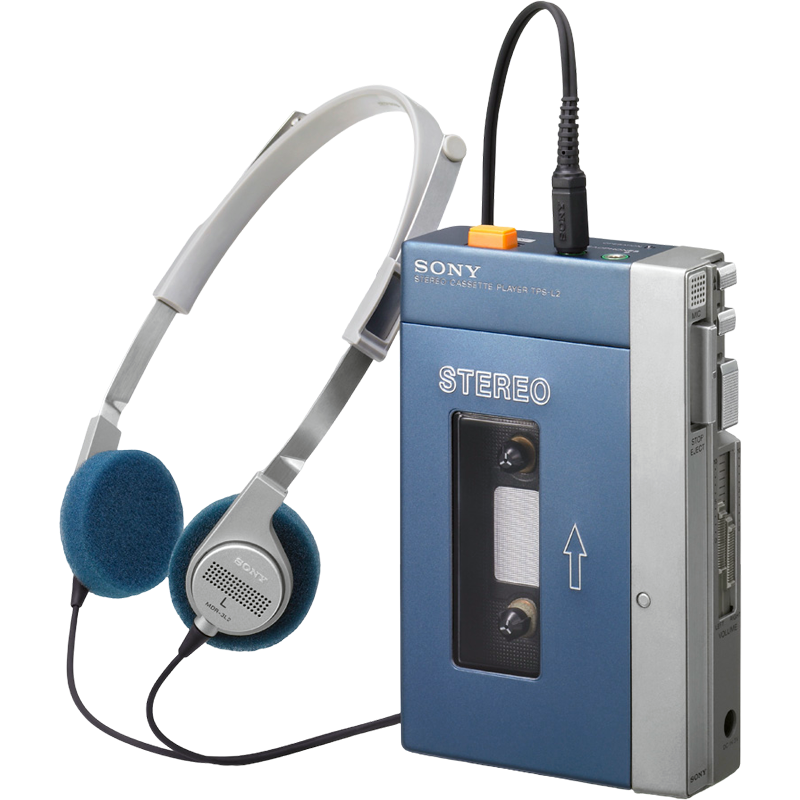
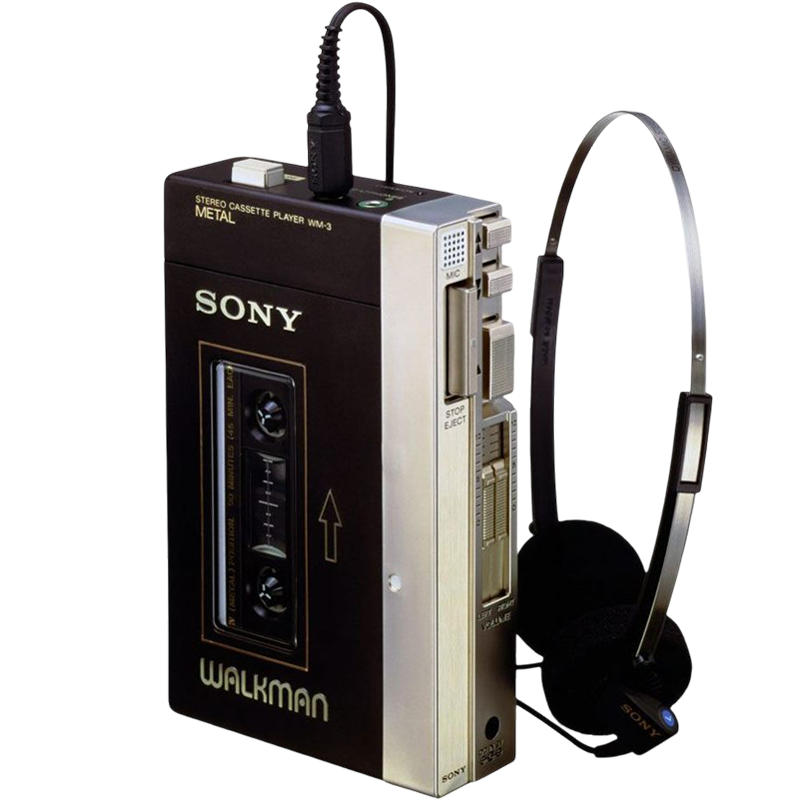
The WM-3 arrived in 1981 as the direct successor to the TPS-L2 and the model that folded the original platform into Sony's new WM naming system. It retained the same playback-only cassette mechanism and familiar horizontal layout, but replaced the earlier tone control with a tape selector better suited to normal, chrome, and metal tapes. The DC input was updated to align with WM-2 accessories, while the two headphone jacks, left-right balance control, and shared-listening focus remained.
Rather than replacing the first Walkman outright, Sony kept this version because the original design still had a place. It appealed to users who preferred the proportions and feel of the earlier machine, especially as the lineup began to split into different sizes and use cases. The WM-3 feels less like a breakthrough than a continuity model, and that was exactly its role.
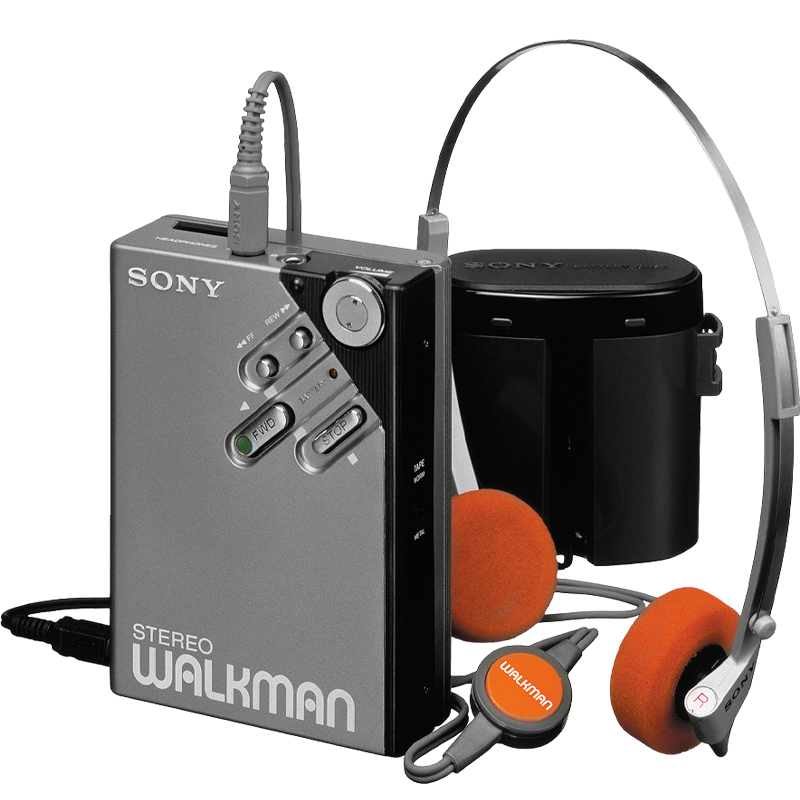
Introduced in 1981, the WM-3 rebranded the original TPS-L2 under Sony's new numerical naming system, bringing order to an expanding global lineup. Built on the same sturdy chassis derived from the first Walkman, it stood apart from the ultra-compact WM-2, offering a higher-end choice for listeners who valued dependable mechanics over extreme miniaturization.
Sony's engineers focused on polish rather than reinvention. A proper tape-type selector replaced the crude "High/Low" tone switch, enabling full playback of Type IV Metal tapes and noticeably improving sound quality. The DC input was standardized across models to simplify accessories and production.
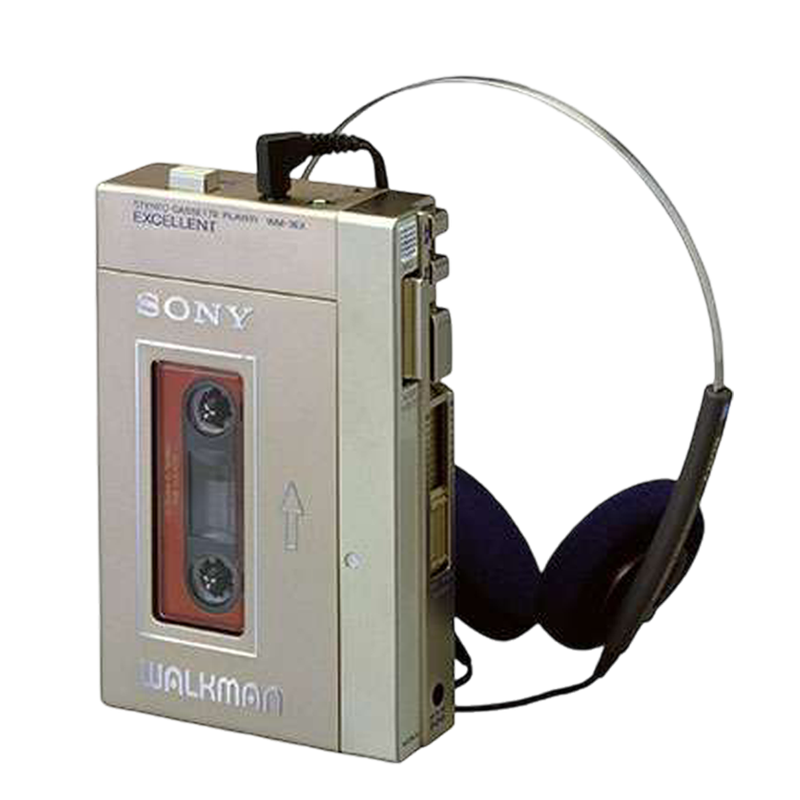
Visually, the WM-3 adopted a matte-black finish in place of the blue and silver tones of the TPS-L2, giving it a more professional, confident look. In select regions, a gold-plated WM-3EX "Excellent" edition elevated the Walkman to a luxury object. Together, these updates brought the original design to its most mature form, the point where Sony's first-generation Walkman concept reached completion.