ObsoleteSony.com
1987
WM-504
Walkman
The WM-504 was a transparent-front variant of Sony's slim rechargeable Walkman platform, based...
obsoletesony.com/walkman/wm-504

If you find it useful, you can support it. Support the archive


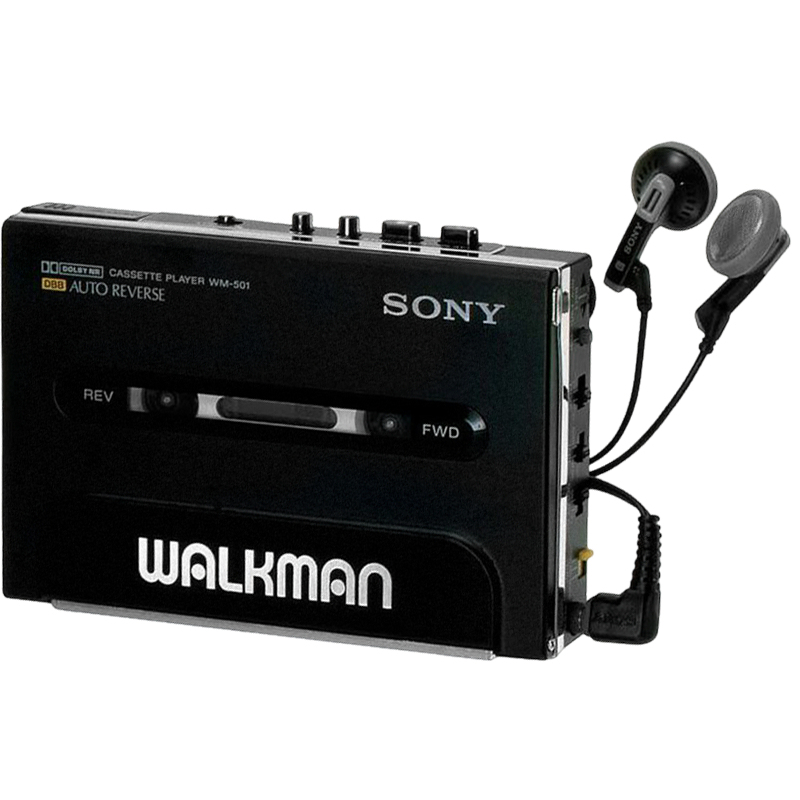
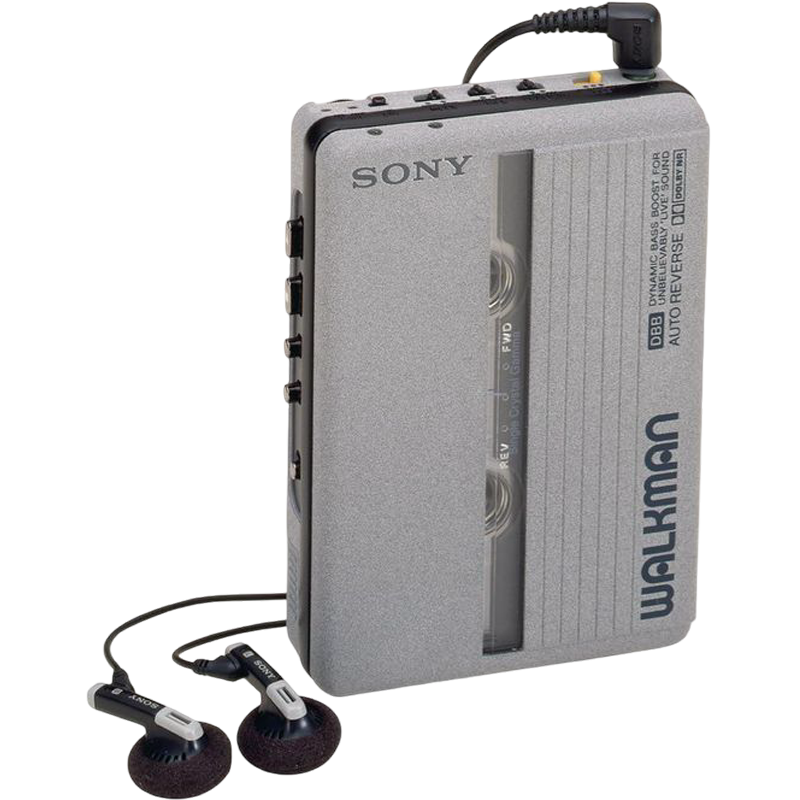
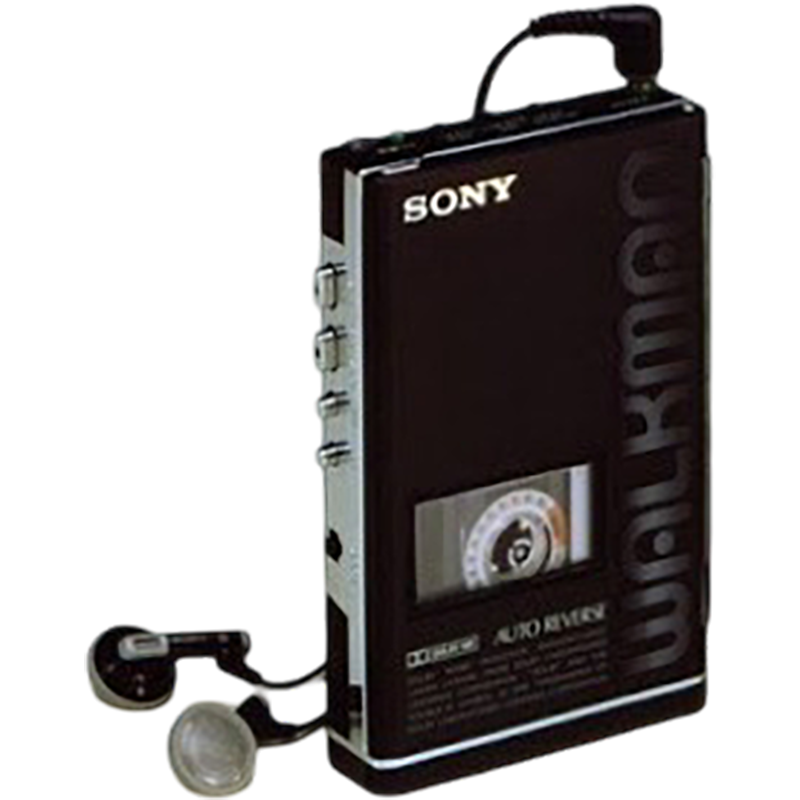
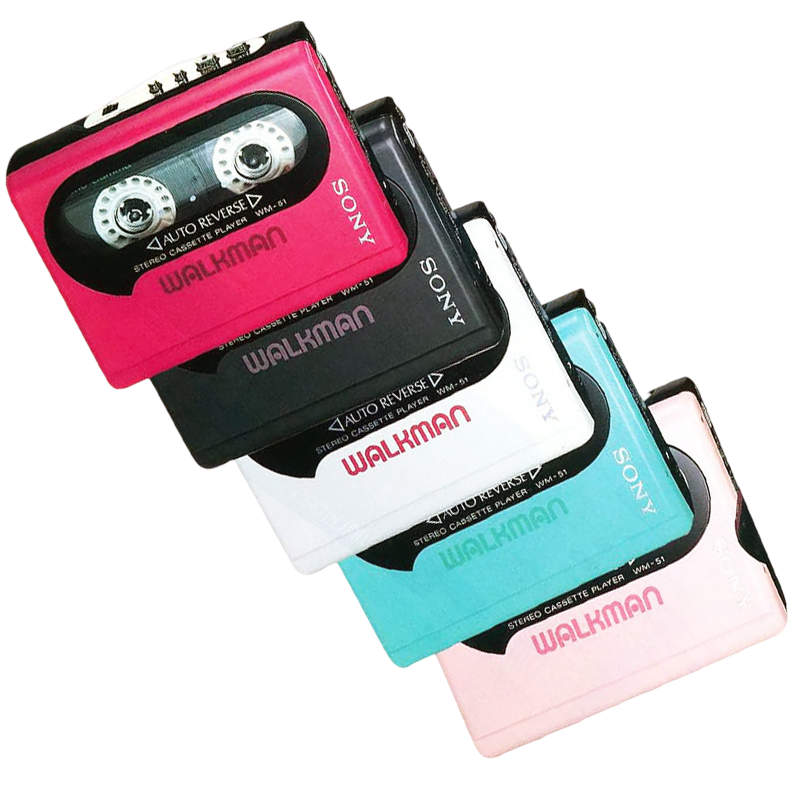
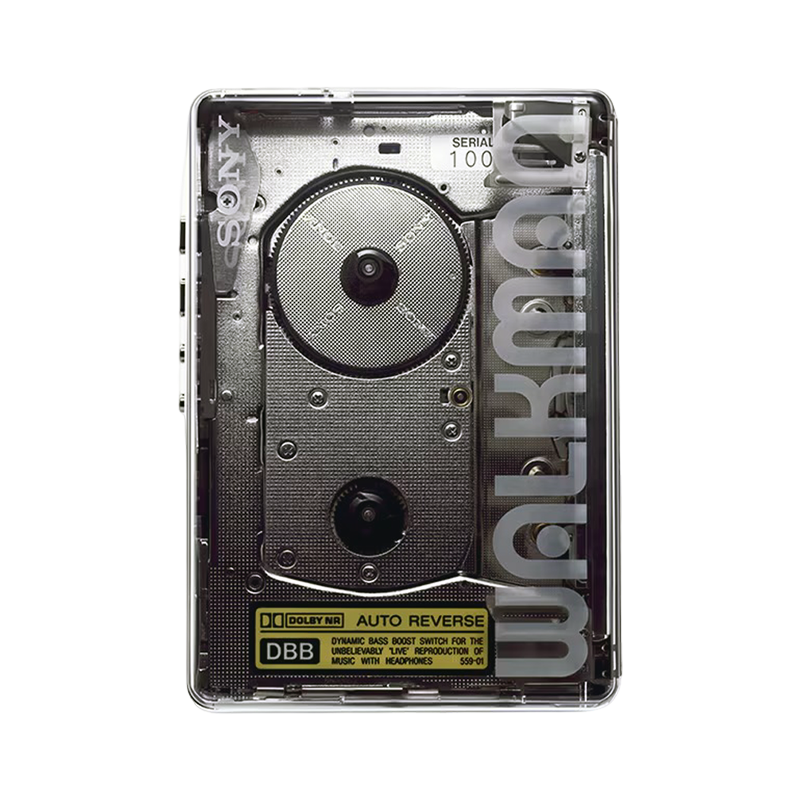
The WM-504 was a transparent-front variant of Sony's slim rechargeable Walkman platform, based on the same cassette-sized body as the WM-503 but replacing the opaque front with a clear resin panel. It retained auto-reverse, Dolby B, Dynamic Bass Boost, an amorphous head, and the internal rechargeable battery system with desktop charging, while the metal frame preserved the same rigid underlying structure. What changed most was the way the loaded cassette became visually inseparable from the machine itself.
This model only really makes sense once the cassette had become part of the culture and not just the medium. Sony effectively let the tape label, shell color, and even wear patterns become part of the Walkman's appearance, turning an otherwise standard player into something that changed with whatever was loaded inside. The WM-504 feels less like a technical variant than a late-cassette-era design gesture, and a good one.
Sony explored a more design-focused direction with the WM-504, using a high-hardness transparent resin enclosure that exposed the transport, tape motion, and cassette shell. Instead of hiding the mechanism, the model turned it into a visual feature, emphasizing the precision of the internal layout.
The transparent housing required a formulation that balanced clarity with strength, and it pushed Sony to arrange components more intentionally than on opaque units. The design was led by Takashi Sogabe, whose later work on the EX series expanded ideas first explored here: clean surfaces, compact proportions, and tighter integration between form and mechanism.
The model was positioned for listeners interested in material quality and presentation as much as audio performance. A desktop charging base supported that shift by presenting the player as a personal object rather than only a portable device.
While its commercial impact was limited, the WM-504's design language played a larger role than its sales. It helped set the direction for the refined, material-driven Walkmans that followed.