ObsoleteSony.com
1991
WM-DX100
Walkman
The WM-DX100 was a high-end playback Walkman from Sony's DX series in 1991, conceived as a more portable...
obsoletesony.com/walkman/wm-dx100

If you find it useful, you can support it. Support the archive


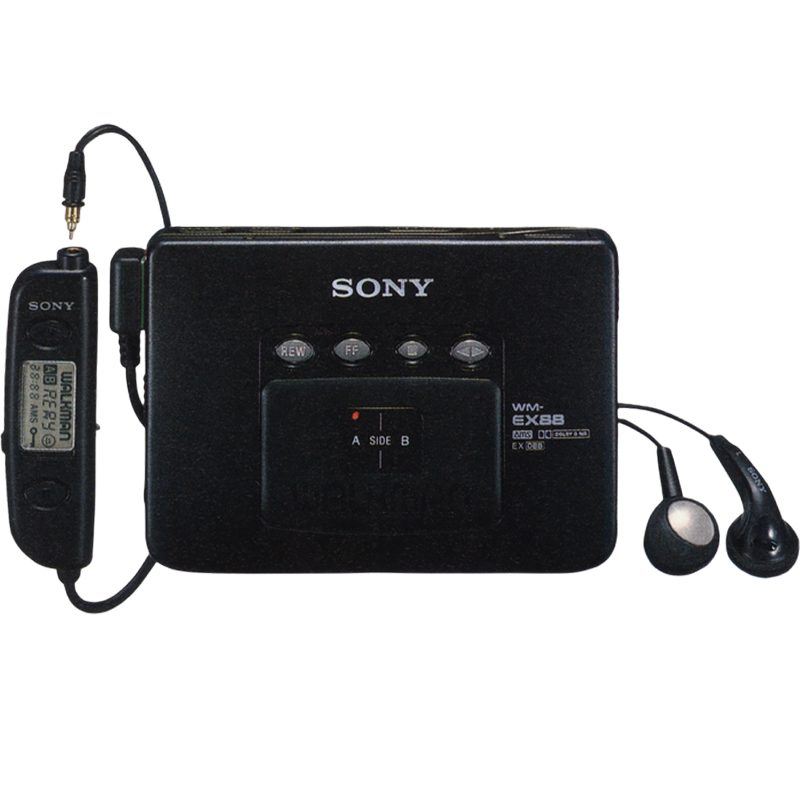
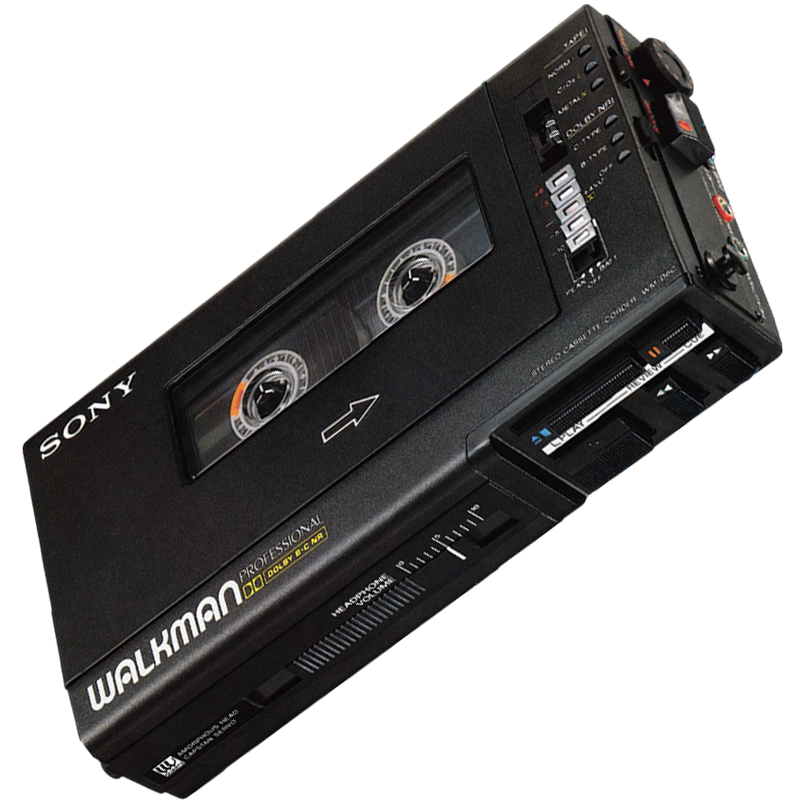
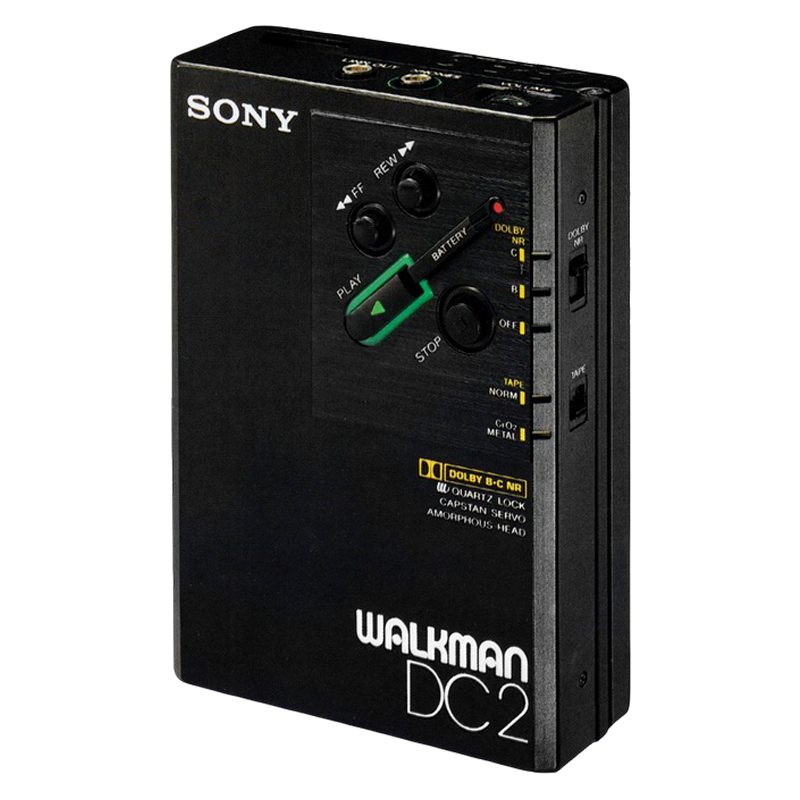
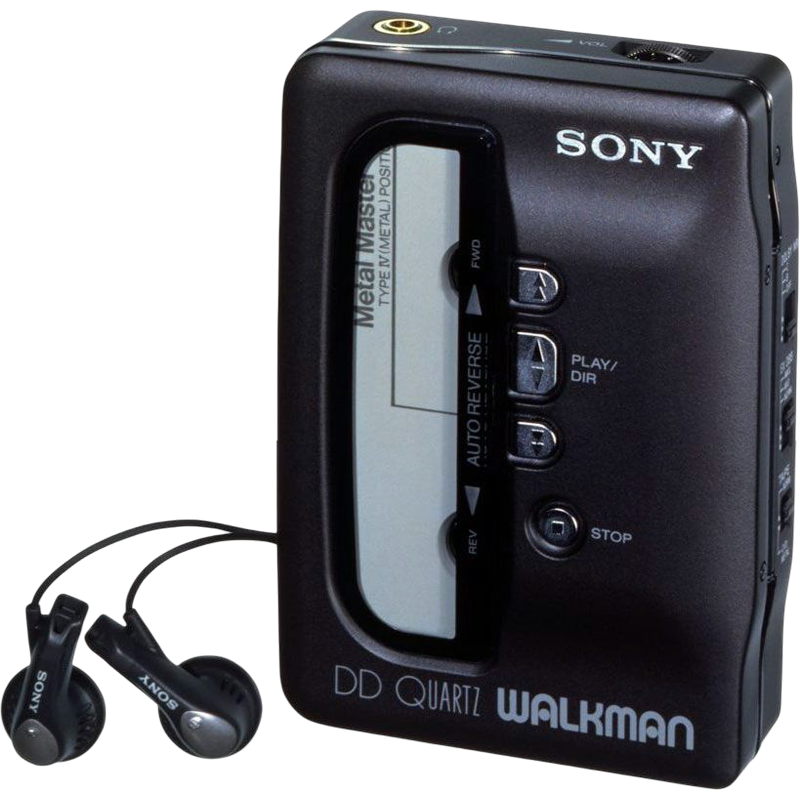
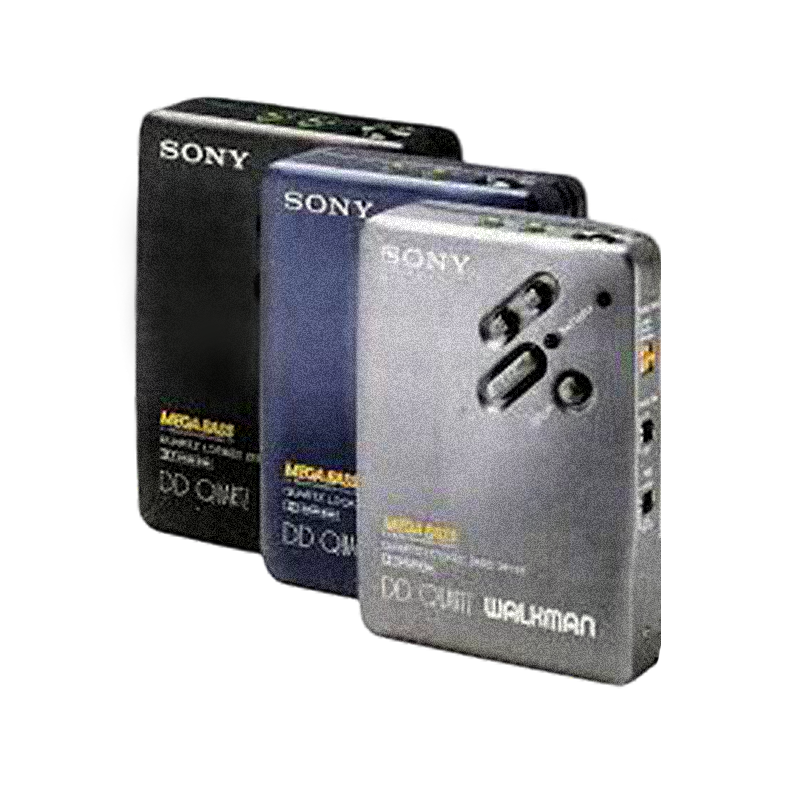
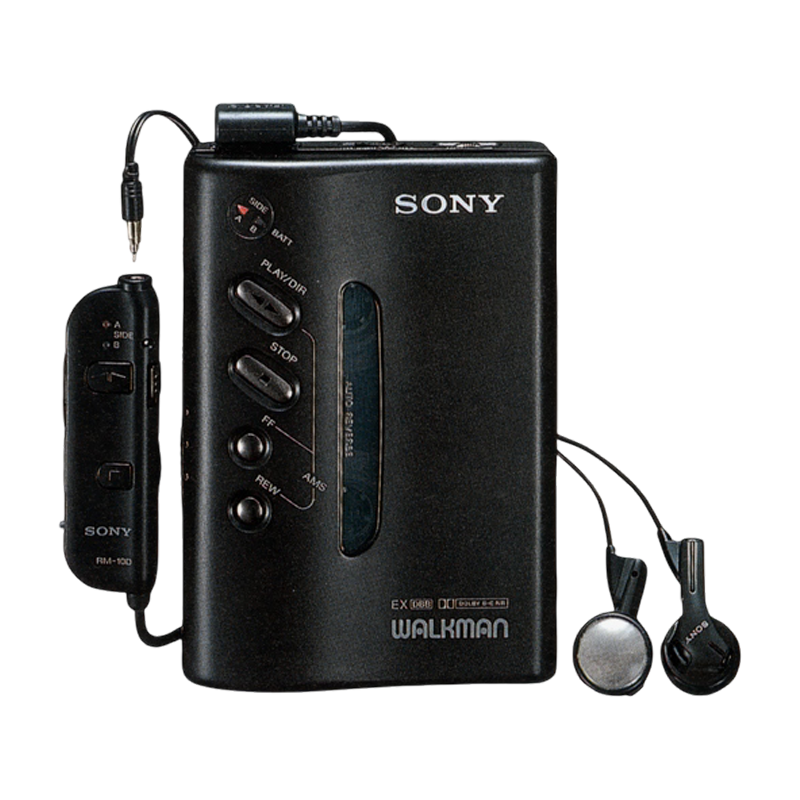
The WM-DX100 was a high-end playback Walkman from Sony's DX series in 1991, conceived as a more portable evolution of the company's serious sound-oriented cassette players rather than a lightweight fashion model. Its transport used a hybrid drive system in which a cylindrical motor rotated a brass rotor disc that then drove the tape mechanism under PLL servo control, balancing compactness with unusually stable tape speed. Sony combined this with an EX Amorphous Head, Dolby B and C noise reduction, Extended Dynamic Bass Boost, auto-reverse, and the Sound Swing Guard anti-vibration system, while the metal body and center-locking aluminum lid gave the machine a noticeably dense and protected feel.
This is one of those models where Sony was clearly trying to preserve the idea of top-tier cassette playback without carrying forward all the physical seriousness of the earlier DD flagships. The DX100 makes sense as a commuter-era evolution of the high-end Walkman: still technically ambitious, but more concerned with surviving movement, routine use, and daily handling than with making a spectacle of its mechanism. It reads as the point where portable fidelity became something Sony wanted to package more elegantly.
Sony introduced the WM-DX100 as a higher-grade cassette model during a period when digital formats were beginning to pull attention away from tape. It used a thin aluminum shell that provided more rigidity than lighter models in the same catalog and relied on a transport tuned for stability rather than extreme portability.
Inside, the mechanism followed the structure of Sony's better belt-driven units, with a steady servo system and an EX Amorphous head that handled chrome and metal tapes cleanly. Dolby B and C reduced background hiss, and the tuning leaned toward a fuller, more controlled sound than most portable players of the time.
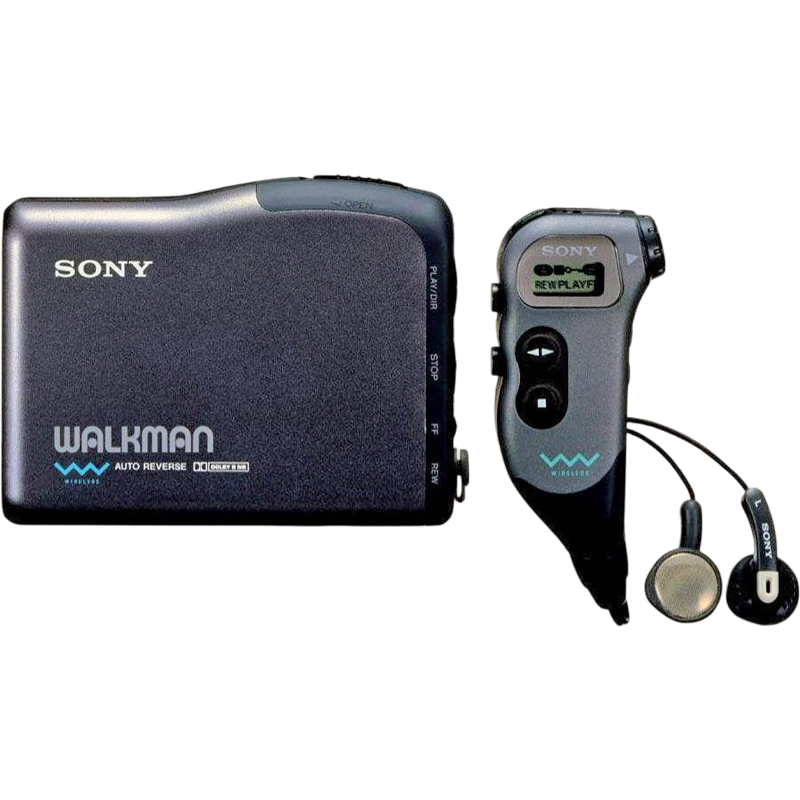
Controls used a logic-based layout, and the wired remote covered basic track navigation and volume limiting. Extended DBB added optional low-frequency boost, and the sealed headphones helped contain sound in louder environments.
Playback time remained relatively short, making the external AA case a common addition for extended use. The WM-DX100 focused on delivering stable, high-quality cassette playback at a time when the format was being challenged by emerging digital alternatives.