ObsoleteSony.com
2006
MZ-RH1
MiniDisc
The MZ-RH1 is a NetMD recorder that primarily uses USB transfer and simplifies the recording path...
obsoletesony.com/minidisc/mz-rh1

If you find it useful, you can support it. Support the archive


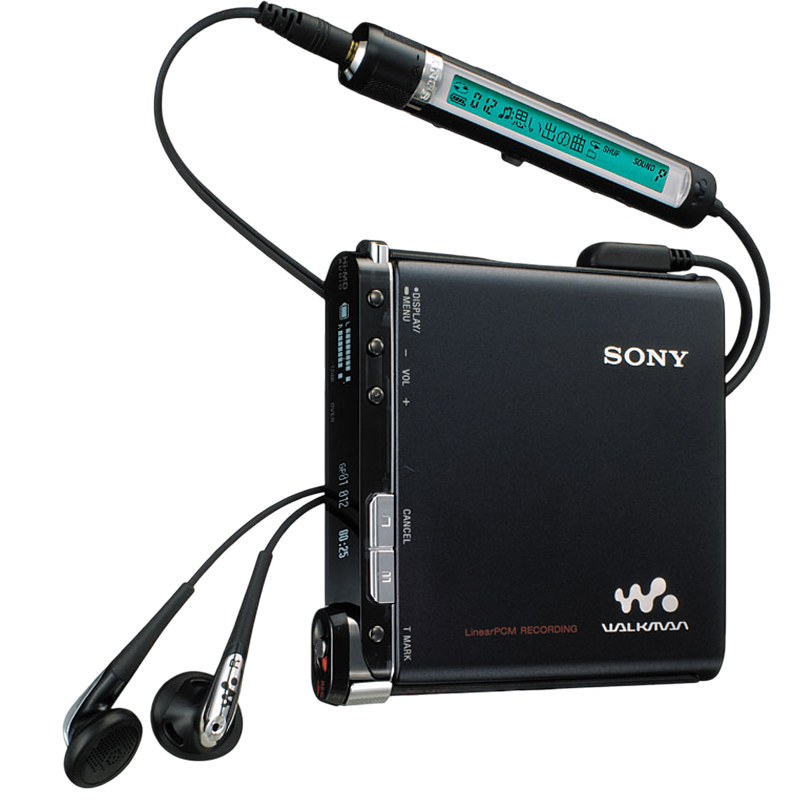
The MZ-RH1 is a NetMD recorder that primarily uses USB transfer and simplifies the recording path. Optical and line inputs are omitted, and audio writing to disc is mainly done via PC transfer. It supports high-speed transfer of compressed audio from a PC via NetMD and also has a microphone input, but the control functions as a recording device are simplified. It is powered by a single AA battery and does not have a dedicated charging terminal, external DC input, or remote control terminal. Overall, it has a streamlined configuration and supports audio transfer via PC and MiniDisc playback.
Sony gave MiniDisc users the feature they had been asking for since the format's launch: a recorder that could transfer audio from discs in full quality. That capability defined the MZ-RH1, the final MiniDisc model Sony released. Earlier units could upload only Hi-MD recordings or move legacy material through limited paths.
The RH1 removed those constraints, allowing SP sessions to transfer digitally, MDLP recordings to move cleanly, and long-stored NetMD-era tracks to be recovered. The physical design reflects that purpose. The magnesium body follows the equipment-focused approach of Sony's late-era portables.
The top-loading door closes with a controlled motion, and the front panel remains opaque until powered on, revealing a blue OLED display. The exterior is restrained and functional, with no elements added purely for appearance. In daily use, the RH1 operates with greater responsiveness than earlier Hi-MD models.
The scroll wheel reacts quickly, menus load without delay, and disc access is faster. The microphone input is quieter than previous generations, and the control layout follows the tactile logic of Sony's field recorders, allowing operation without visual attention. The defining function appears when the RH1 connects to a computer.
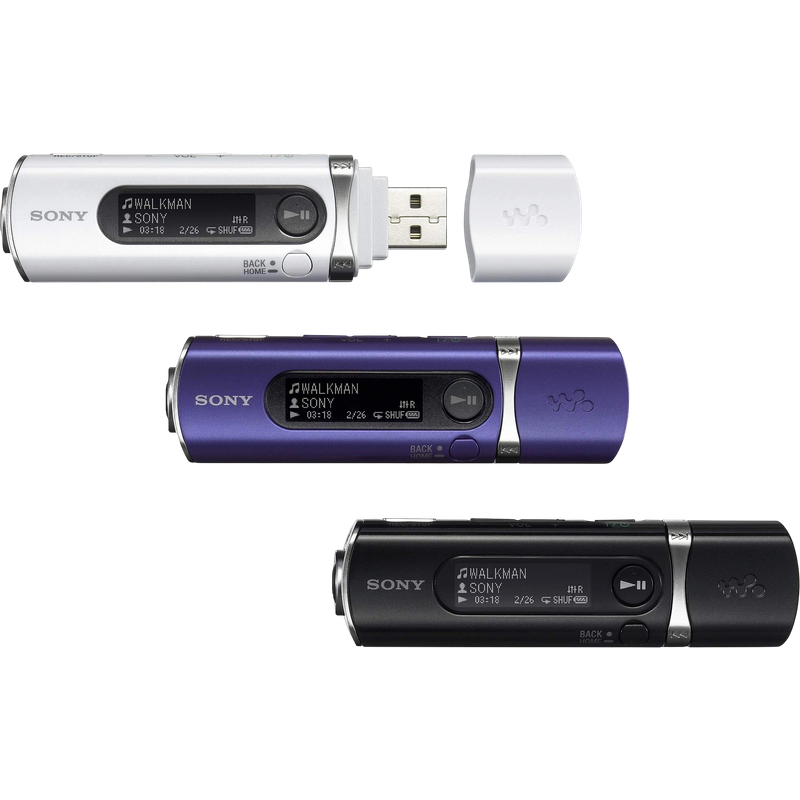
The NWD-B103 is an entry-level Network Walkman with flash memory, part of the B series.
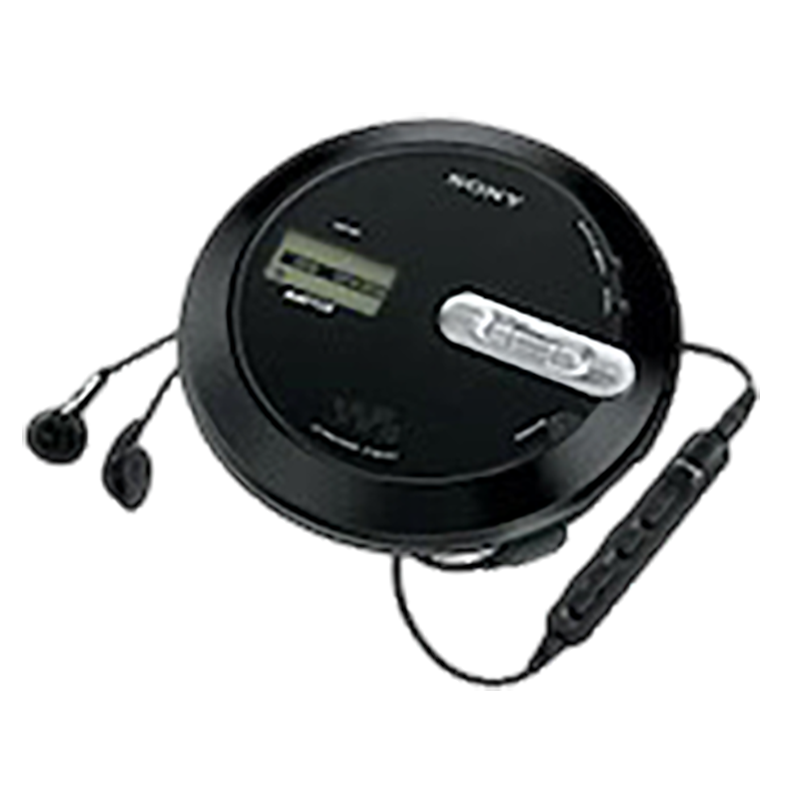
The D-NE331 is a portable CD player that supports ATRAC and MP3 playback.
The NW-E002 is a Network Walkman part of the 7th generation E series.