ObsoleteSony.com
1984
WM-30
Walkman
The WM-30 was an ultra-compact playback Walkman from 1984 that refined the expandable design...
obsoletesony.com/walkman/wm-30

If you find it useful, you can support it. Support the archive


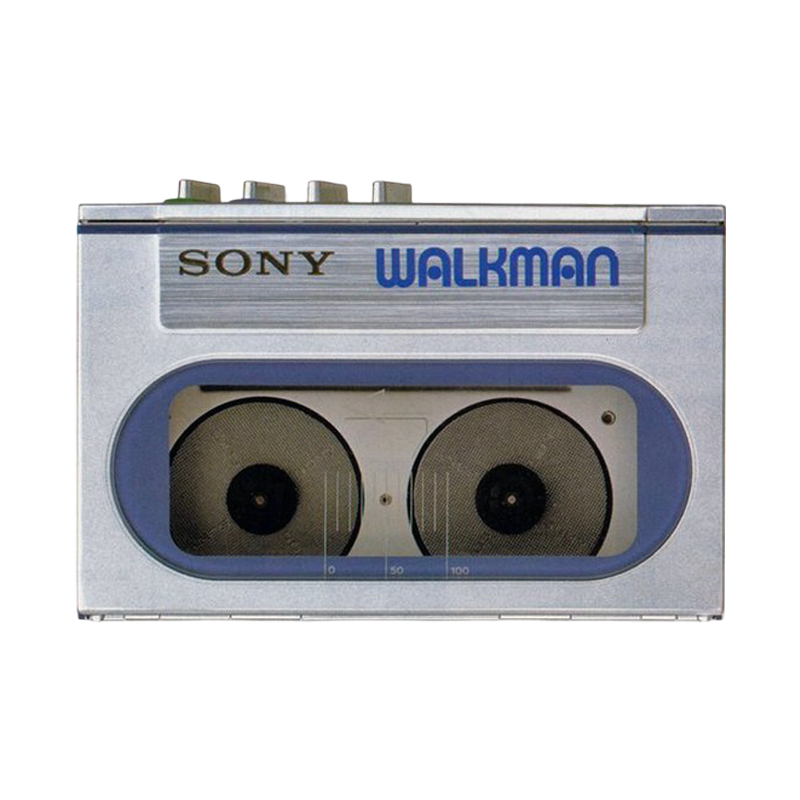
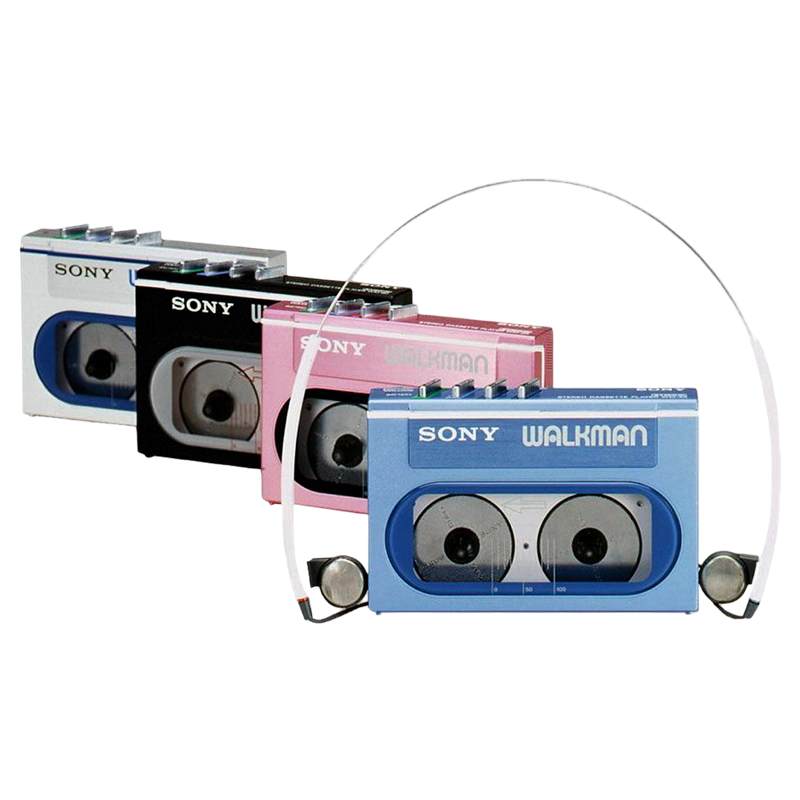
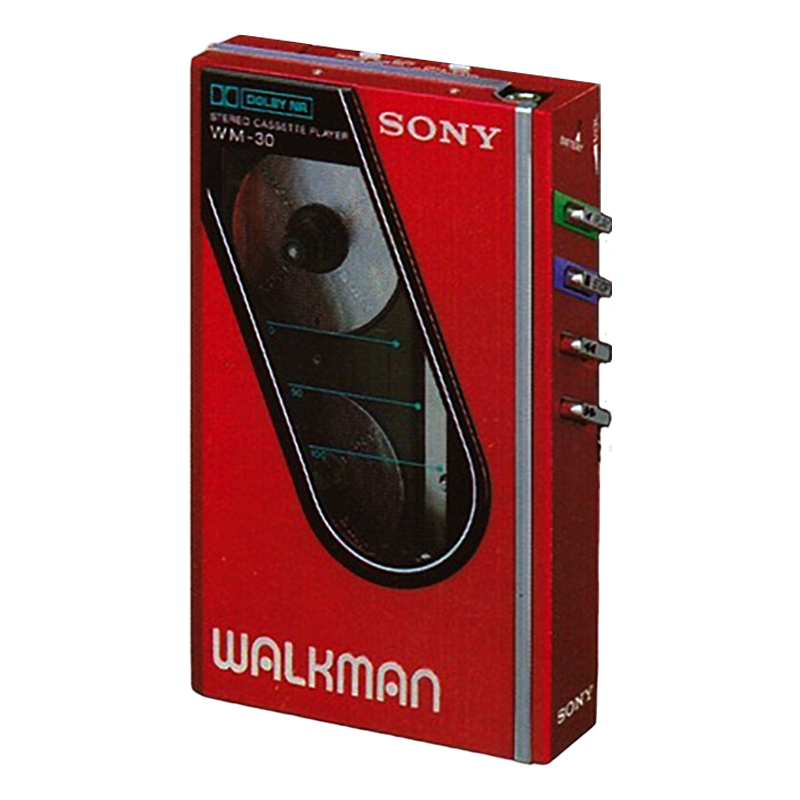
The WM-30 was an ultra-compact playback Walkman from 1984 that refined the expandable design of the earlier WM-10 with a brushed-metal body and upright layout that kept its footprint unusually close to that of a cassette itself. Powered by a single AA battery, it combined Dolby B noise reduction with a manual tape selector and a sliding body that expanded only when needed for cassette loading. The whole machine was built around making playback from a full stereo cassette seem improbably small.
Where the WM-10 introduced the expandable format almost as an engineering statement, the WM-30 feels like Sony turning that idea into something broadly usable. It was aimed at people who wanted a Walkman that could disappear into a pocket or bag without feeling flimsy or stripped down. More than a radical departure, it marks the moment when the super-compact branch began to feel like a real part of the range rather than a clever side experiment.
Miniaturization had progressed to the point where compact Walkman designs were no longer unusual, and the WM-30 arrived as one of the first to treat that size as normal rather than experimental.
It followed the telescoping WM-20 but moved toward a more accessible construction by using a plastic core wrapped in a brushed metal exterior. The single AA power system remained, and the lighter structure reduced both weight and cost while preserving the proportions associated with the earlier collapsible models.
Design now emphasized appearance as much as engineering.