1999 WM-EX900
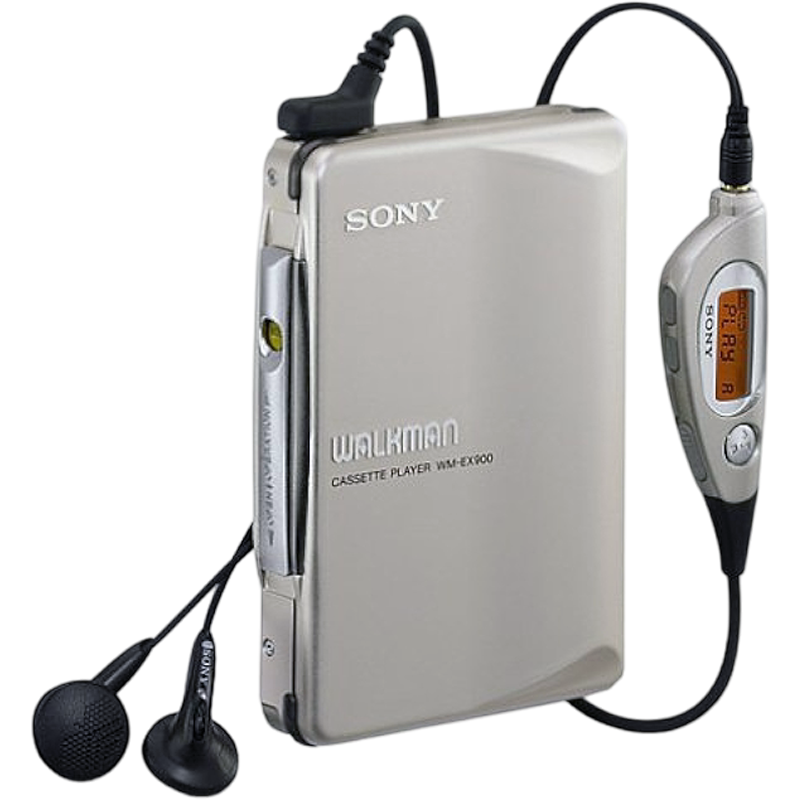
WM-EX900 — Walkman только для воспроизведения с автореверсом.

Если он вам полезен, вы можете поддержать проект. Поддержать архив
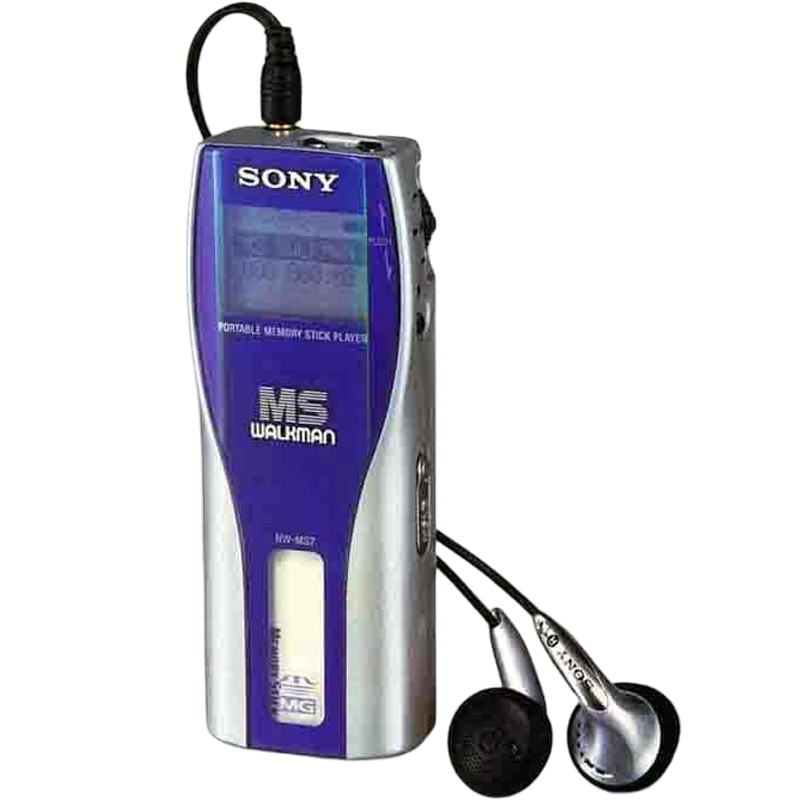
By 1999, the model that had defined portable audio for two decades began to break. Cassette, compact disc, and MiniDisc were still present, but for the first time, Sony introduced a system that did not depend on any physical medium at all. Music could now exist as files.
The first Memory Stick Walkman marked that shift. Instead of discs or tape, it relied on solid-state storage and computer-based music transfer. But this transition was not open. Sony attempted to control the experience through its own ecosystem, using proprietary formats, software, and copy protection systems. Digital audio was no longer just about playback devices. It became tied to computers, file management, and new rules around how music could be used.
What defines 1999 is not just the arrival of digital audio, but the beginning of a new kind of conflict. Sony had entered the file-based era, but on its own terms. The future of personal audio was no longer about formats competing in hardware. It was about control over how music moved, and who defined the system around it.
WM-EX900 — Walkman только для воспроизведения с автореверсом.
WM-WE01 — Walkman только для воспроизведения.
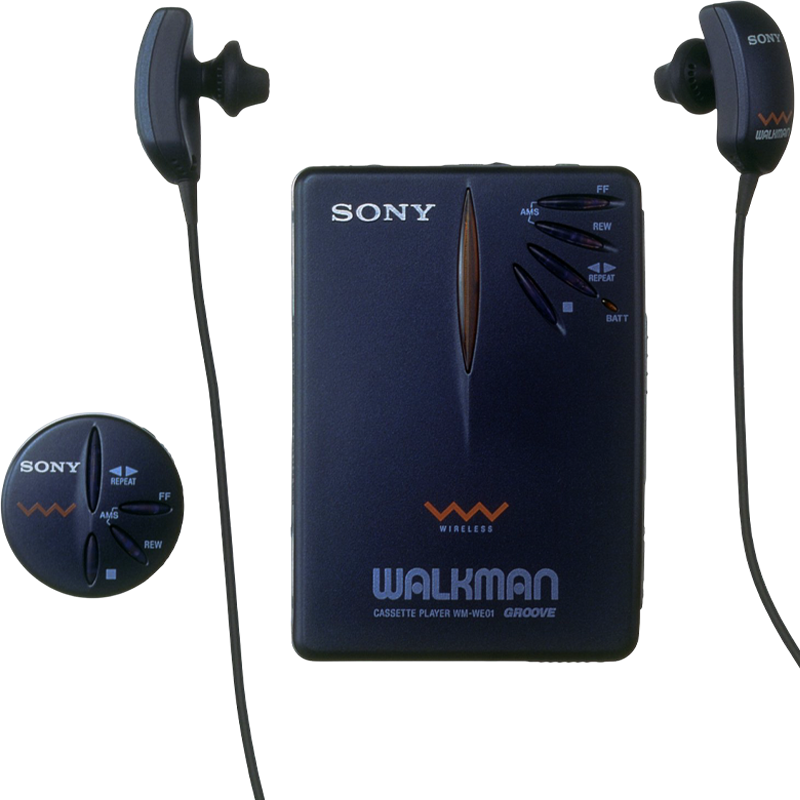
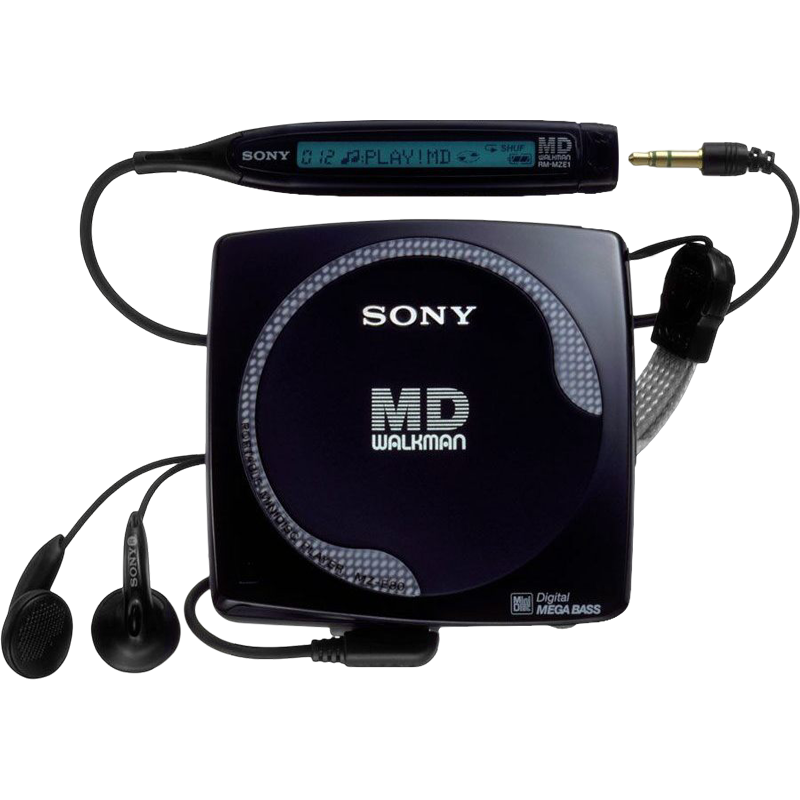
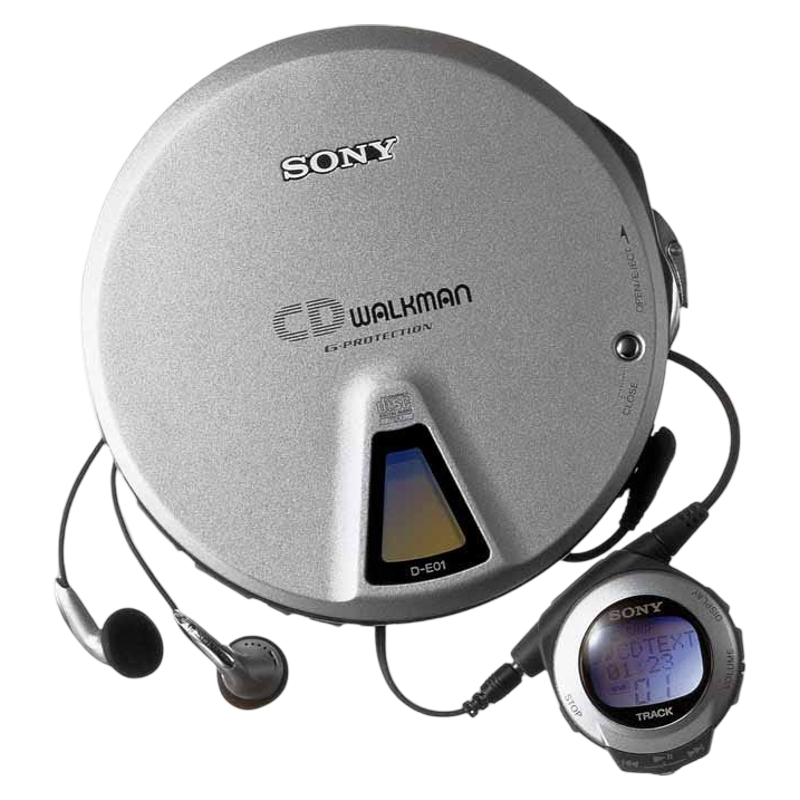
D-EJ01 — портативный проигрыватель CD, оснащенный выдвижным механизмом загрузки дисков и G-Protection.
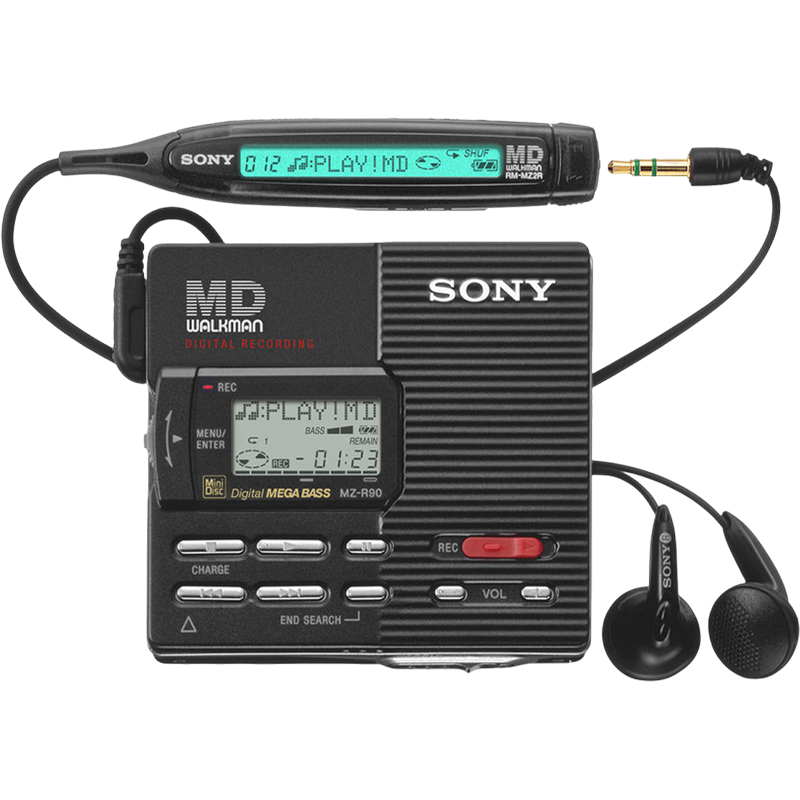
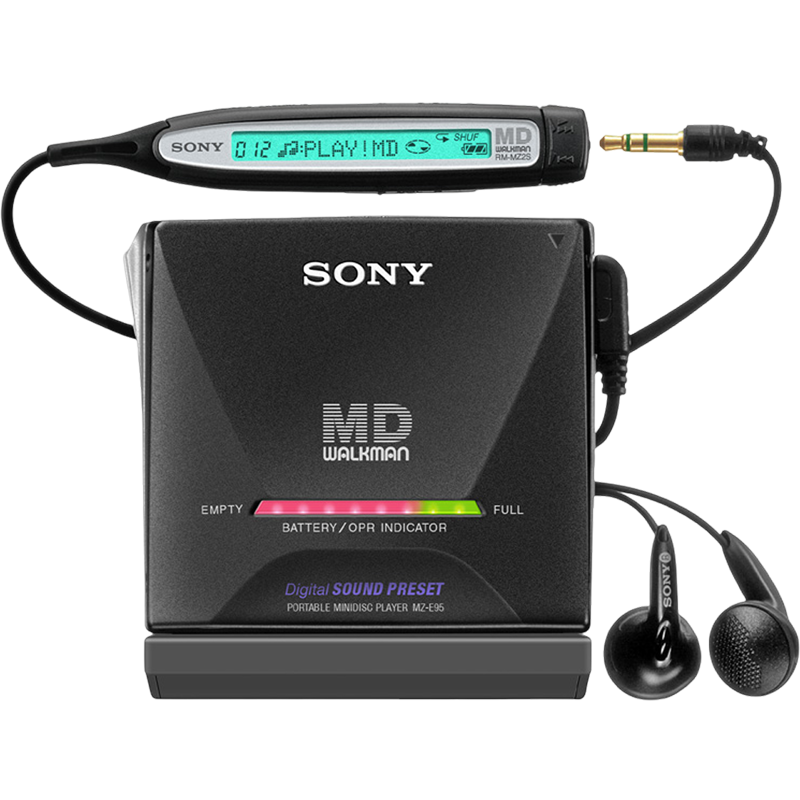
MZ-E95 — плеер MiniDisc со встроенным аккумулятором.
NW-MS7 был первым Memory Stick Walkman от Sony и оригинальной моделью, положившей начало линейке Network Walkman.