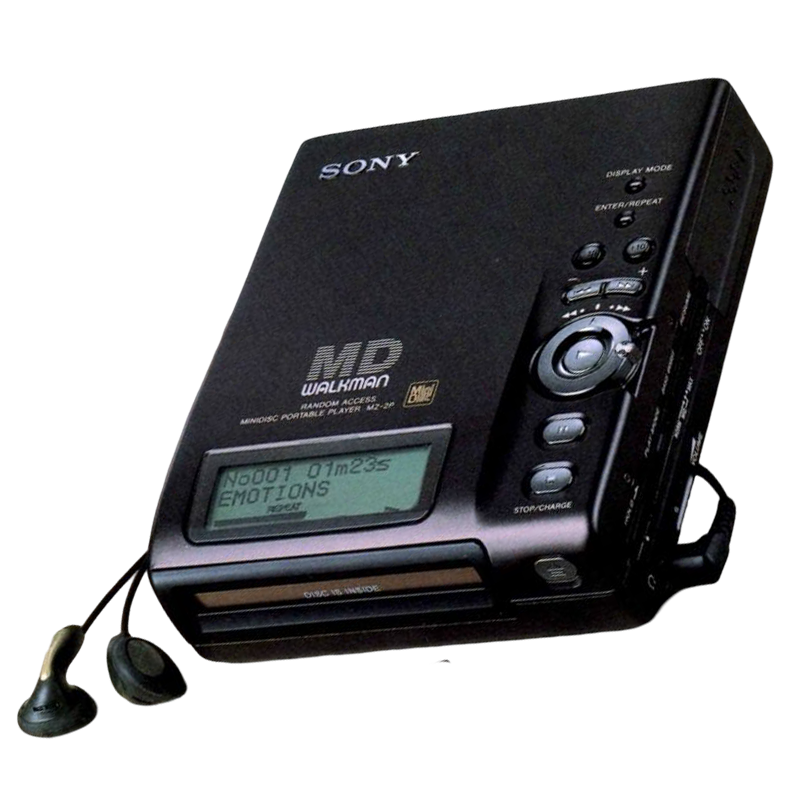
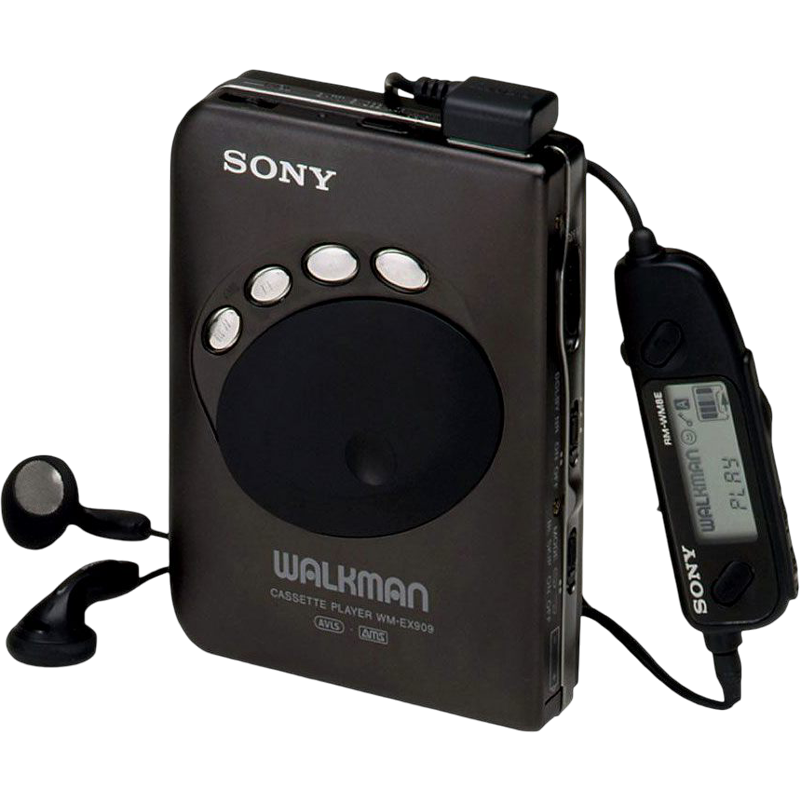
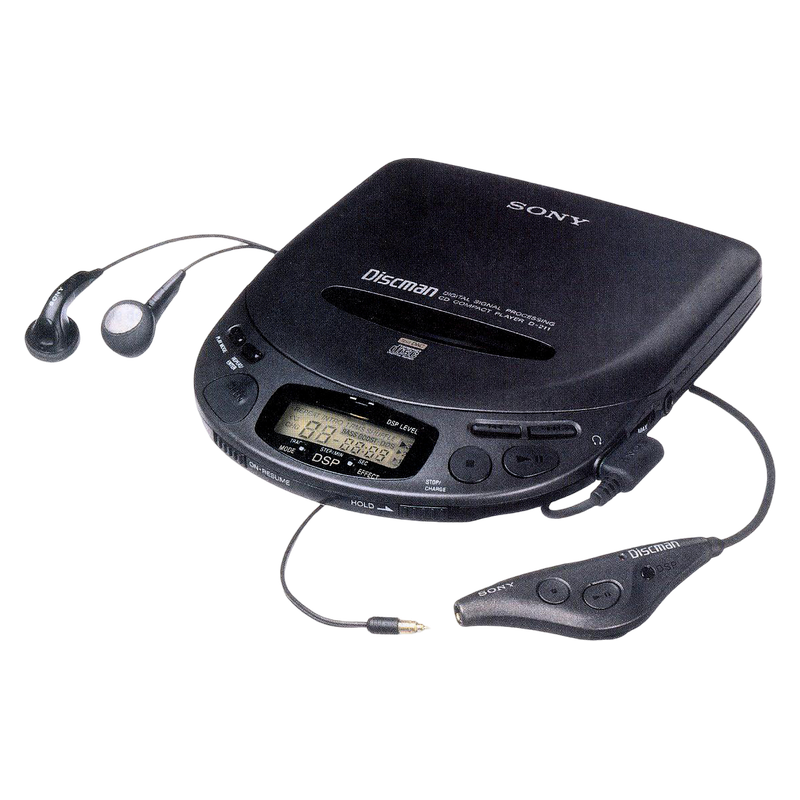
1992 WM-EX66
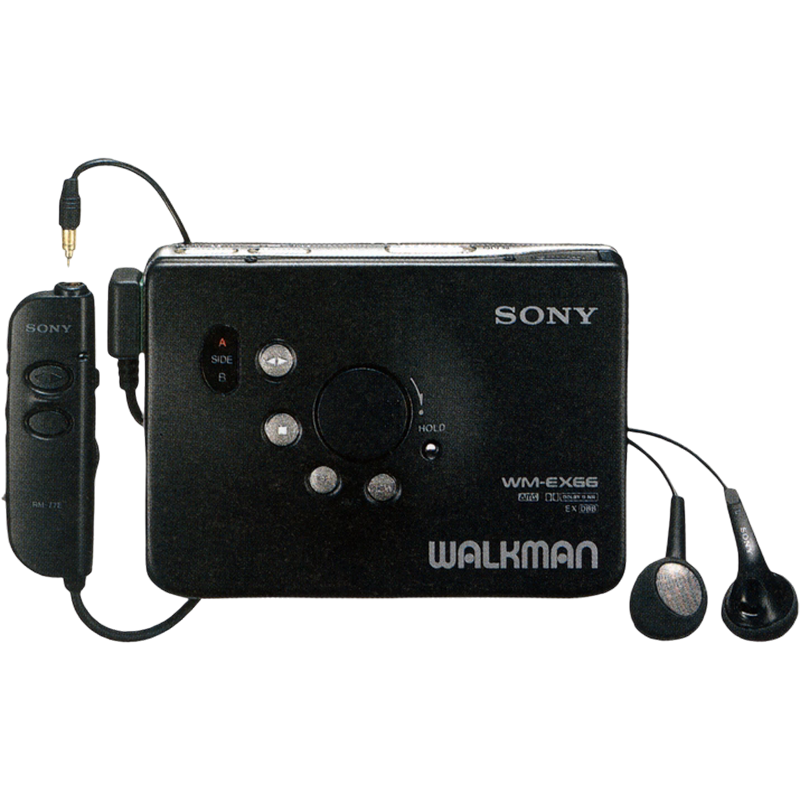
WM-EX66 — Walkman только для воспроизведения с автореверсом.

Если он вам полезен, вы можете поддержать проект. Поддержать архив
By 1992, Sony was no longer navigating between cassette and compact disc. That balance had already broken. CD had established its direction, and cassette continued to exist through refinement, but neither format fully addressed what Sony saw as the next step in personal audio.
Late in the year, Sony introduced a third path. MiniDisc was not designed as a simple replacement, but as a correction. It combined elements that had previously been separated: the durability and recordability of cassette with the access speed and sound quality associated with digital formats. It was smaller, enclosed, and built with portability as a starting point rather than a constraint.
What defines 1992 is not the immediate impact of MiniDisc, but the shift in thinking behind it. Sony was no longer just improving existing formats or extending them into new uses. It was attempting to reset the direction of personal audio entirely. That ambition would take years to unfold, but by the end of 1992, the company had already introduced the format that would define its next phase.
WM-EX66 — Walkman только для воспроизведения с автореверсом.
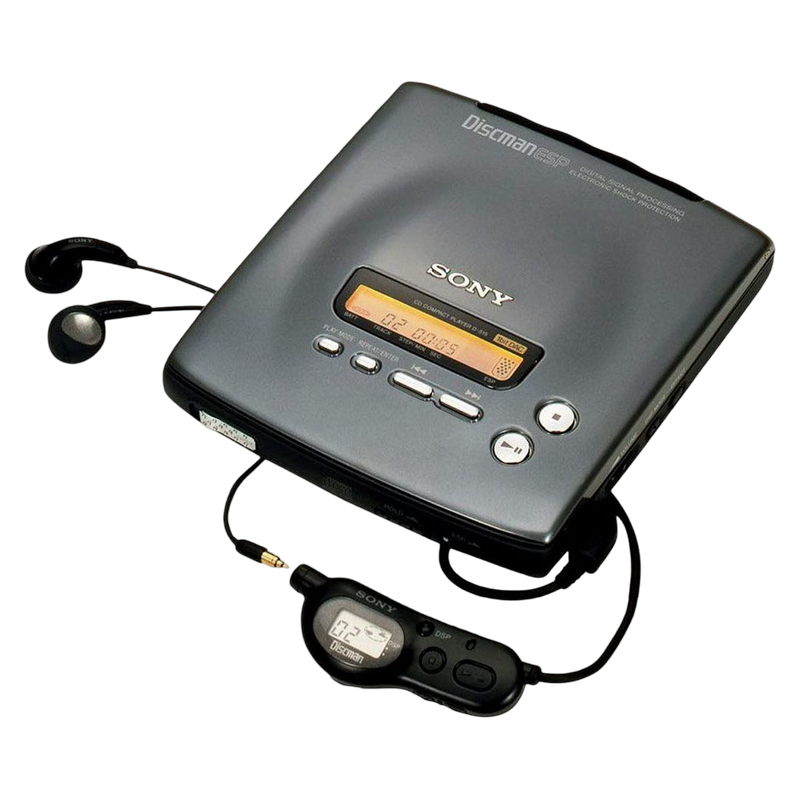
D-515 была топовой моделью Sony Discman 1992 года и моделью, в которой первый трехсекундный электронный буфер защиты от ударов компании был помещен в флагманский металлический корпус.
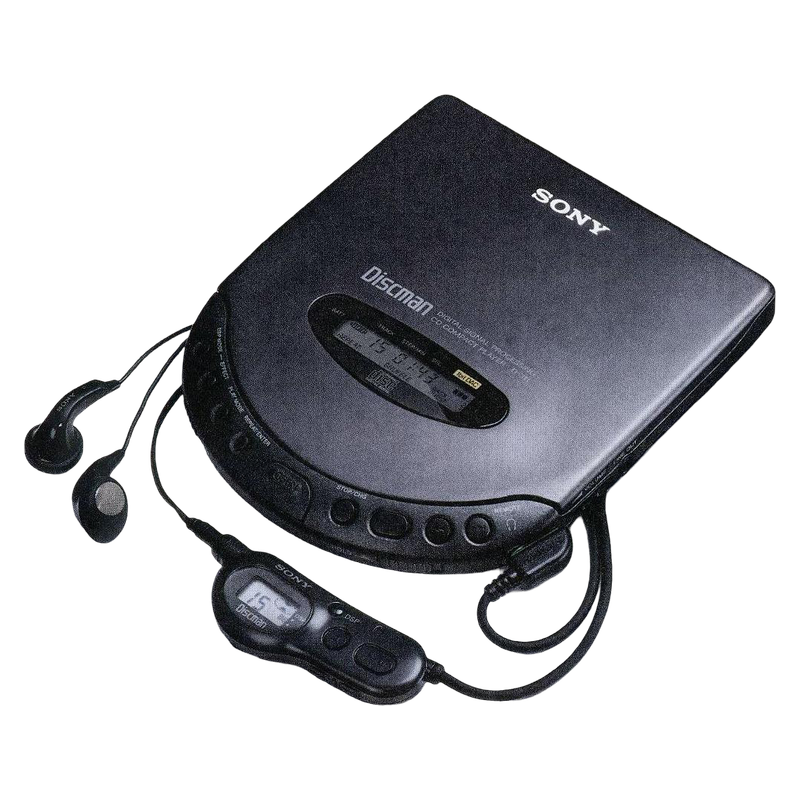
D-311 — высококачественный портативный плеер CD с высококачественной конфигурацией аудиовыхода.
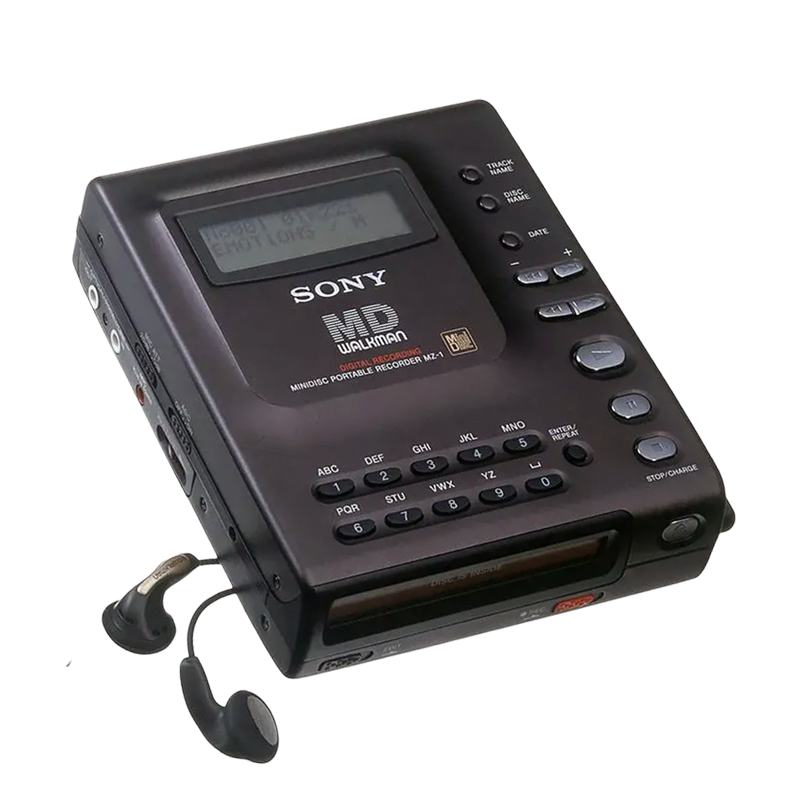
MZ-1 стал первым рекордером MiniDisc и заменил линейную ленту дисковой системой с произвольным доступом.
MZ-2P — модель только для воспроизведения, где MiniDisc подается как самостоятельный плеер без функции записи.