1997 WM-FS1
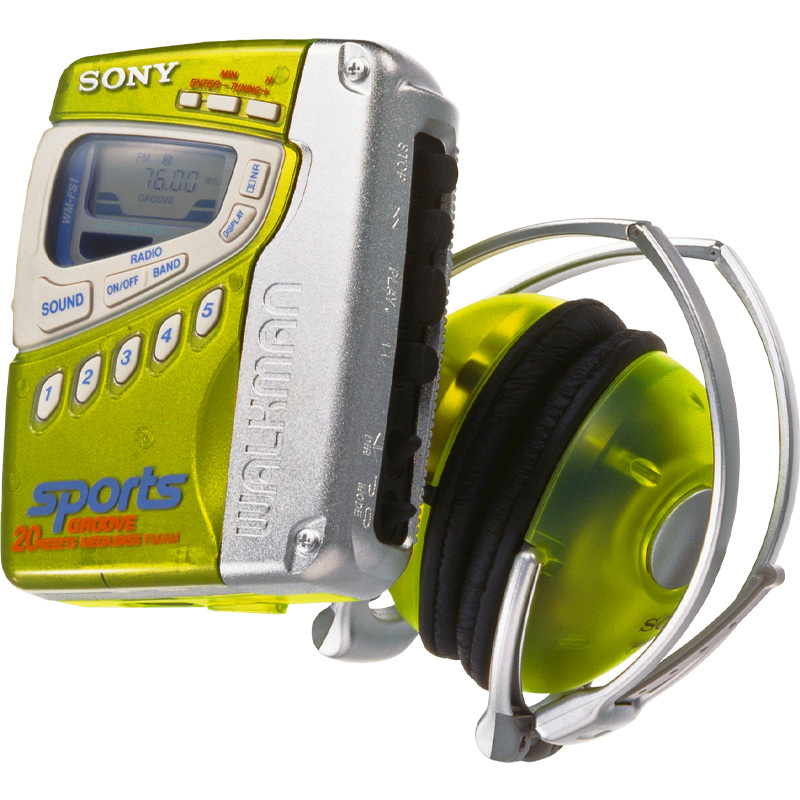
WM-FS1 — Walkman со встроенным радио.

Если он вам полезен, вы можете поддержать проект. Поддержать архив
By 1997, Sony was no longer trying to convince the market that MiniDisc was the future. Instead, it focused on making the format practical. After several years of uncertainty, the technology began to stabilize, with improvements in efficiency, size, and everyday usability.
MiniDisc hardware became smaller, more reliable, and better suited to portable use. Battery life improved, interfaces became more refined, and the overall experience moved closer to something consumers could integrate into daily life. These changes did not redefine the format, but they made it more coherent. For the first time, MiniDisc felt less like an idea and more like a system.
What defines 1997 is not a shift in market dominance, but a shift in execution. Sony was no longer introducing, positioning, or defending MiniDisc. It was refining it. In a market increasingly shaped by CD-R and existing formats, this refinement did not guarantee success, but it allowed MiniDisc to persist, particularly in regions where its advantages could still resonate.
WM-FS1 — Walkman со встроенным радио.
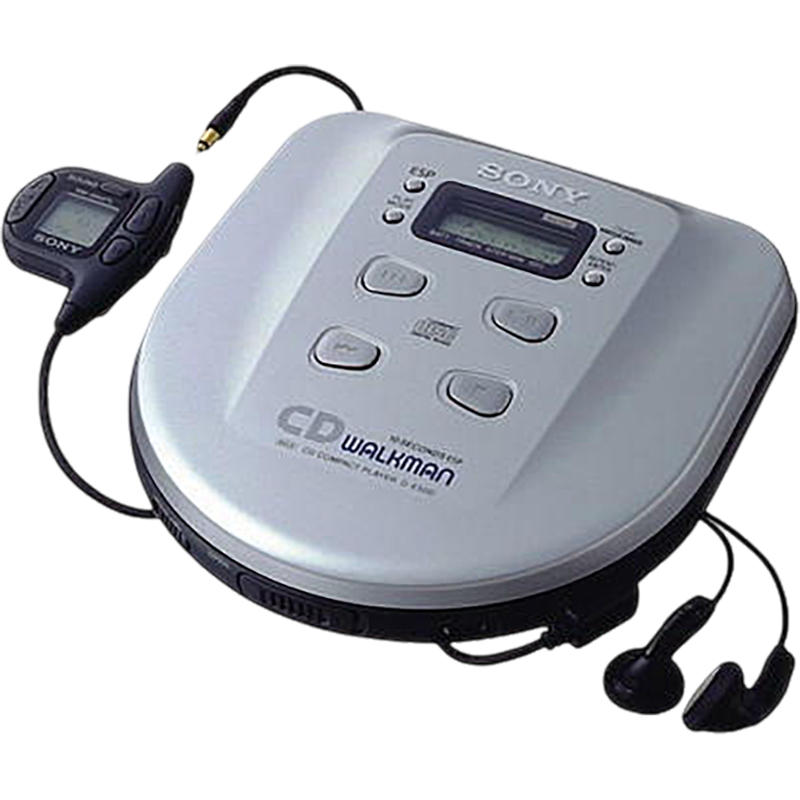
D-E500 — портативный плеер CD, оснащенный электронным механизмом защиты от пропуска.
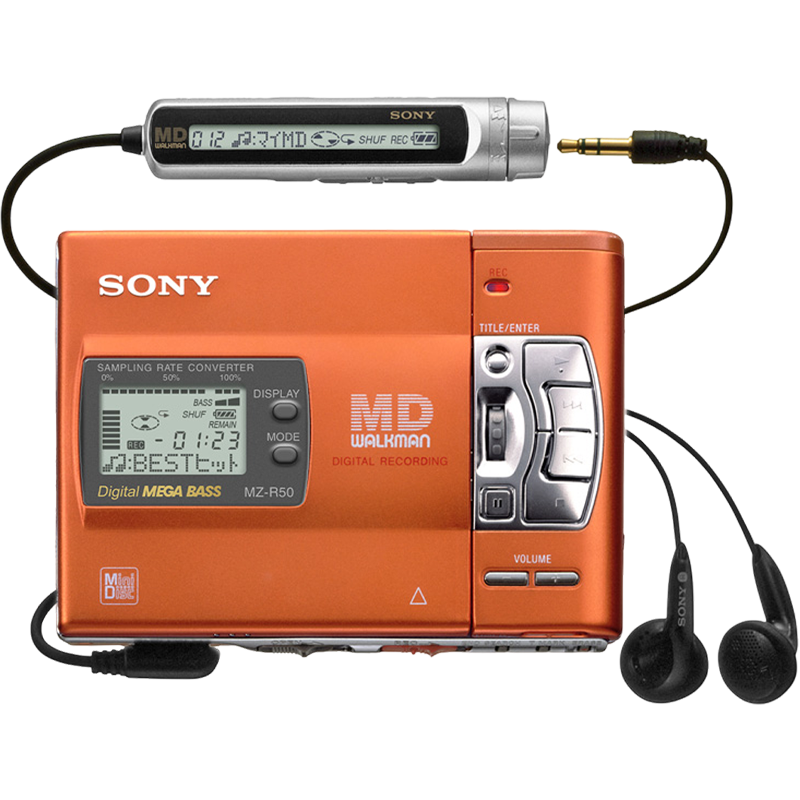
MZ-R50 — рекордер MiniDisc, который значительно улучшил мобильность и удобство использования по сравнению с предыдущими моделями, сохранив при этом полную возможность записи.
MZ-EP10 был проигрывателем MiniDisc, конструкция которого заключалась в обращении с дисками и представляла систему верхней загрузки, позволяющую вставлять и извлекать диски, не открывая традиционную крышку.
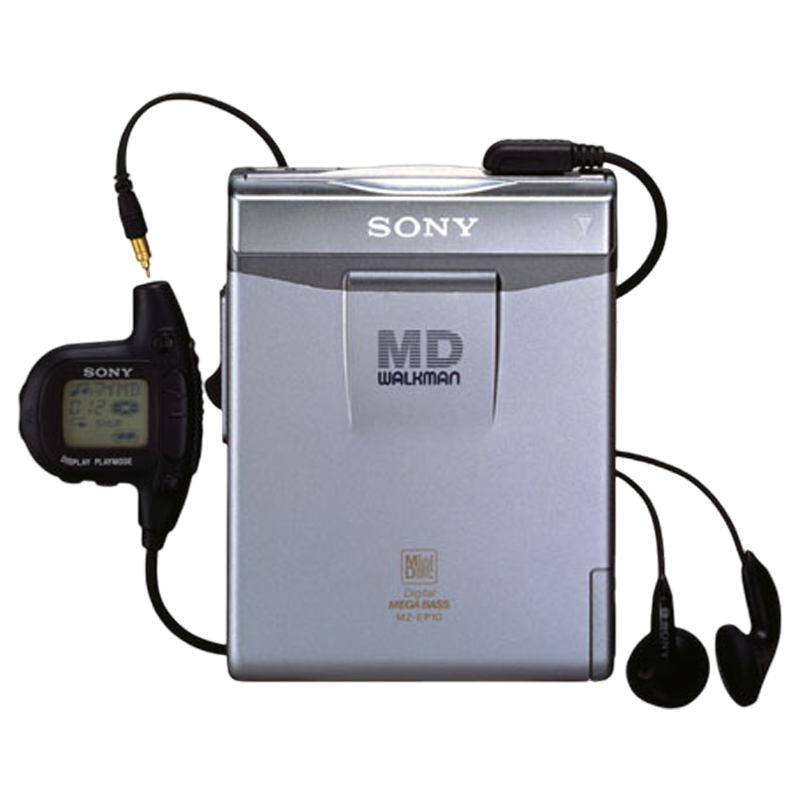
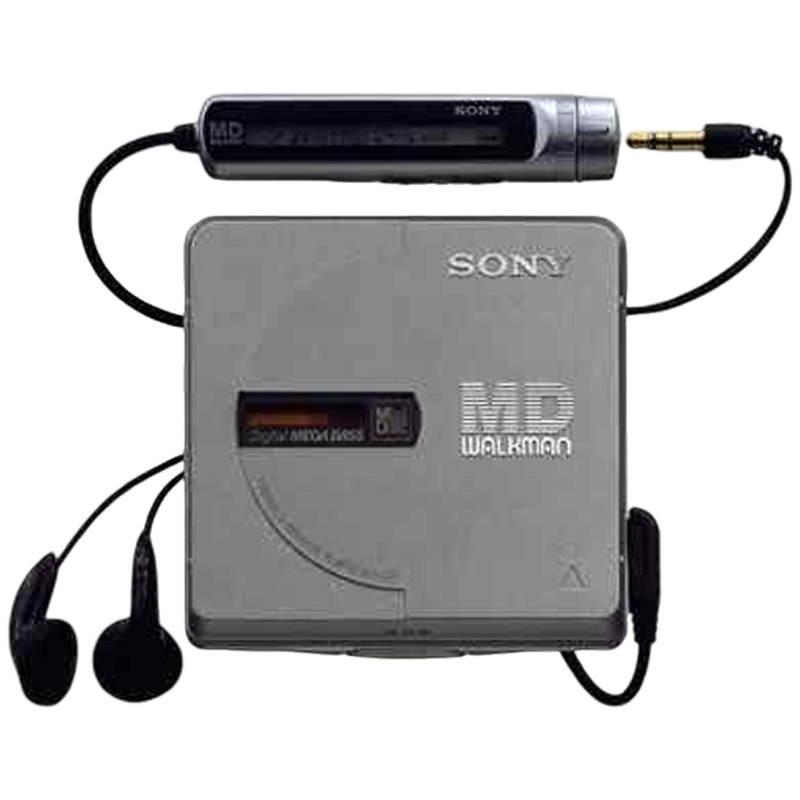
MZ-E35 был тонким плеером MiniDisc, который представил новый стиль управления благодаря специальному пульту дистанционного управления LCD.