1996 WM-EQ2
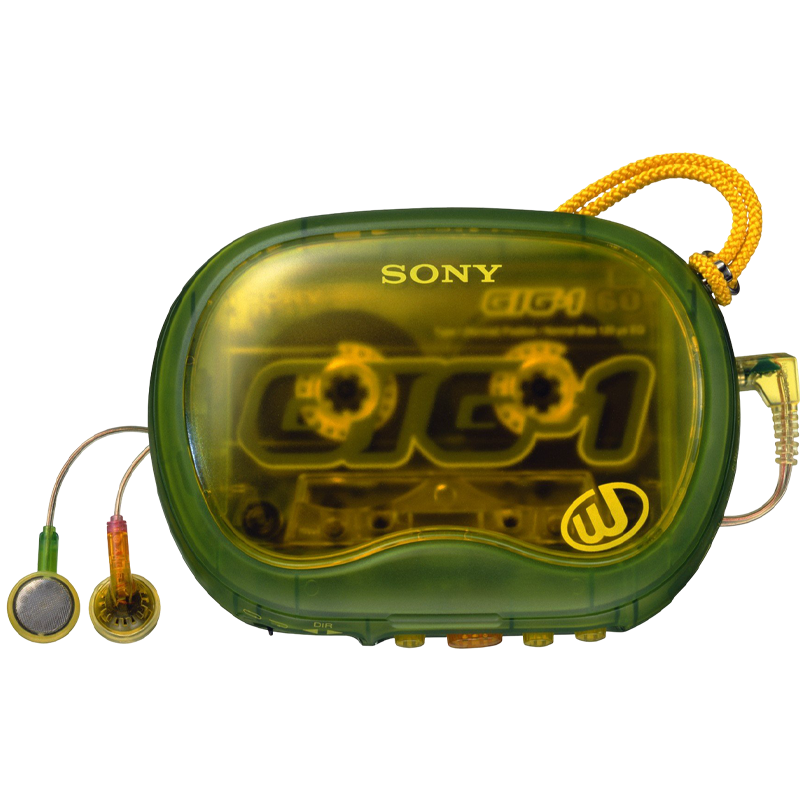
WM-EQ2 — Walkman только для воспроизведения с автореверсом.

Если он вам полезен, вы можете поддержать проект. Поддержать архив
By 1996, the pressure surrounding MiniDisc was no longer theoretical. The market had begun to move in a direction Sony did not control. Recordable CD was becoming accessible to consumers, offering a form of flexibility that directly overlapped with MiniDisc’s core purpose, but without requiring a new ecosystem.
At the same time, MiniDisc itself continued to improve. Hardware became more refined, more portable, and more reliable, addressing many of the early limitations seen in its first years. Features like buffering and shock resistance made it better suited for portable use than CD in many situations. But those advantages were increasingly difficult to translate into mass adoption.
What defines 1996 is the moment when MiniDisc was no longer competing on technology alone. It was competing on relevance. Sony had built a format designed for a future of digital recording, but that future was now being shaped by a different standard. From this point forward, the challenge was no longer whether MiniDisc could work, but whether it could matter.
WM-EQ2 — Walkman только для воспроизведения с автореверсом.
WM-EX5 — Walkman только для воспроизведения с автореверсом.
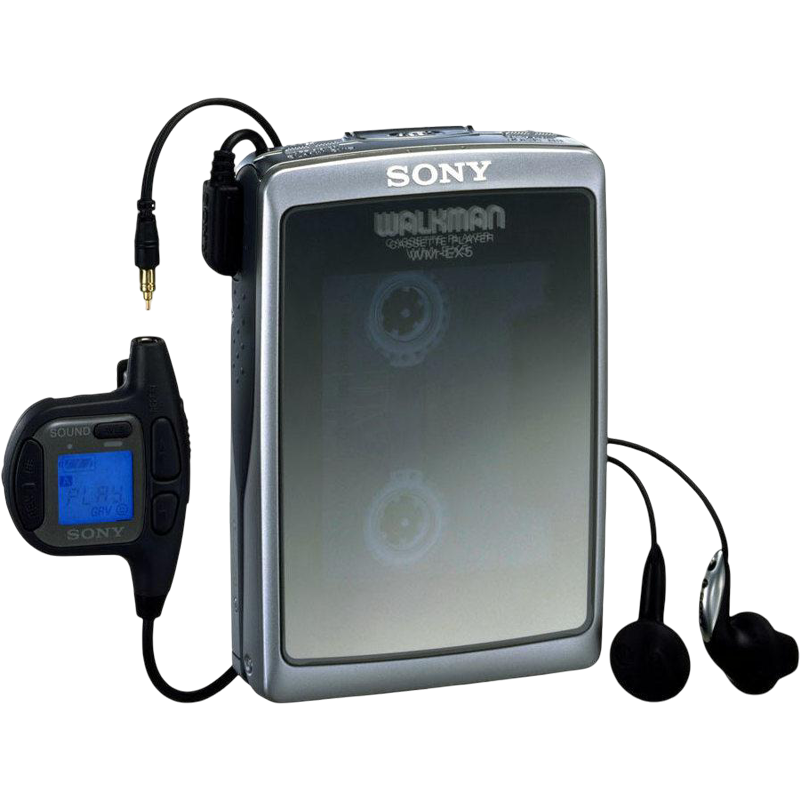
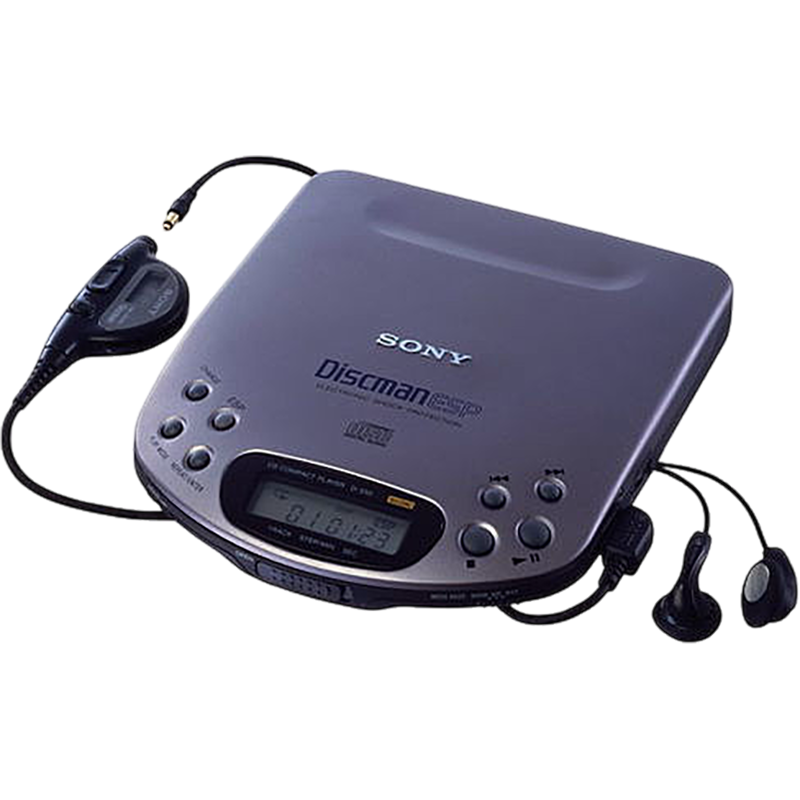
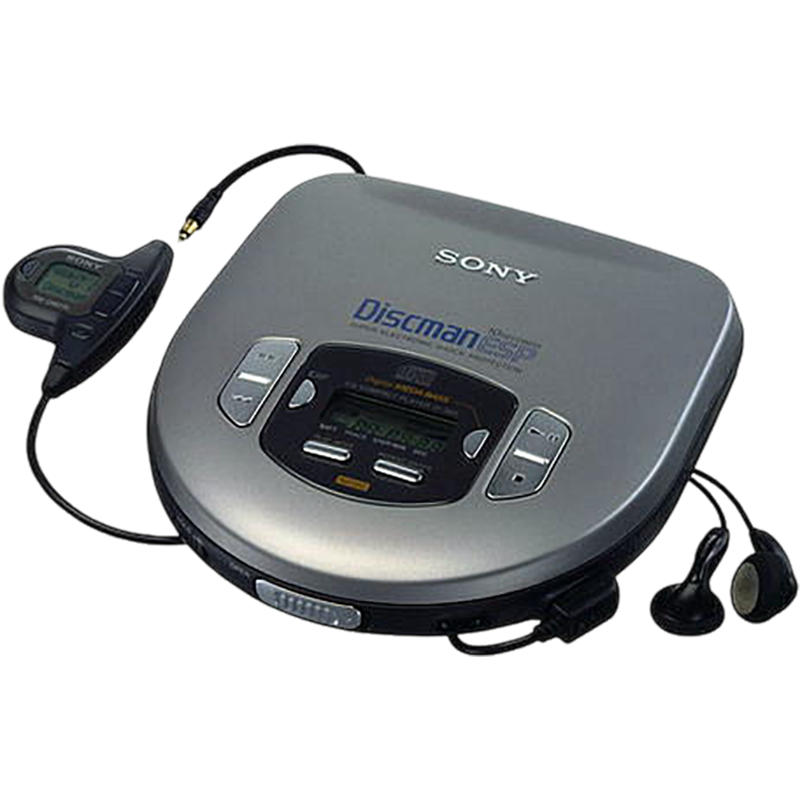
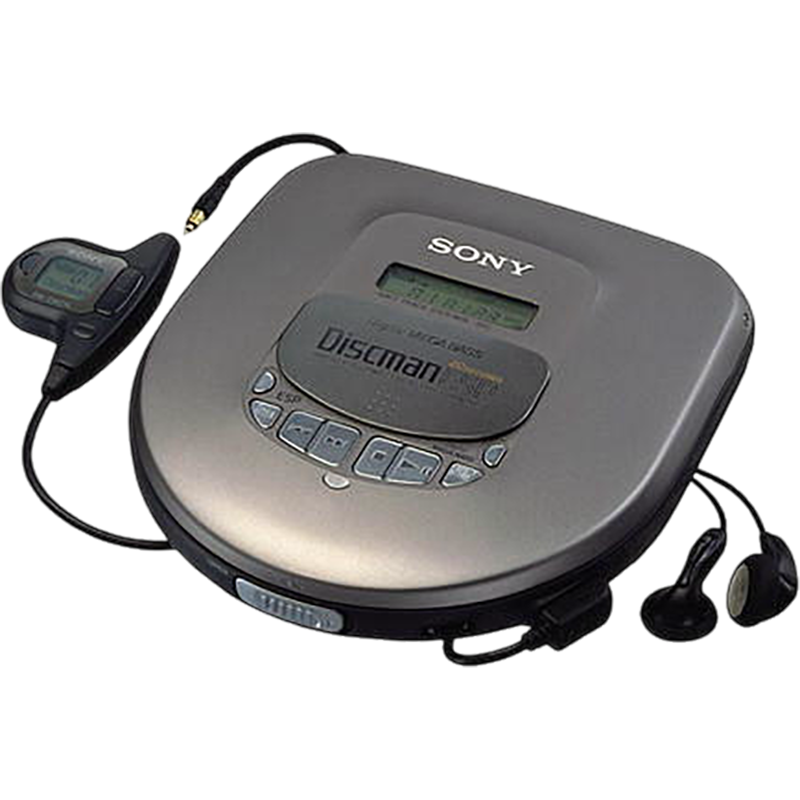
D-465 был одним из наиболее совершенных массовых Discman 1996 года, сочетающим в себе надежную буферизацию ESP с оптическим цифровым выходом Mega Bass и компактный практичный корпус, предназначенный для регулярного использования, а не только для случайных новаторских эффектов.
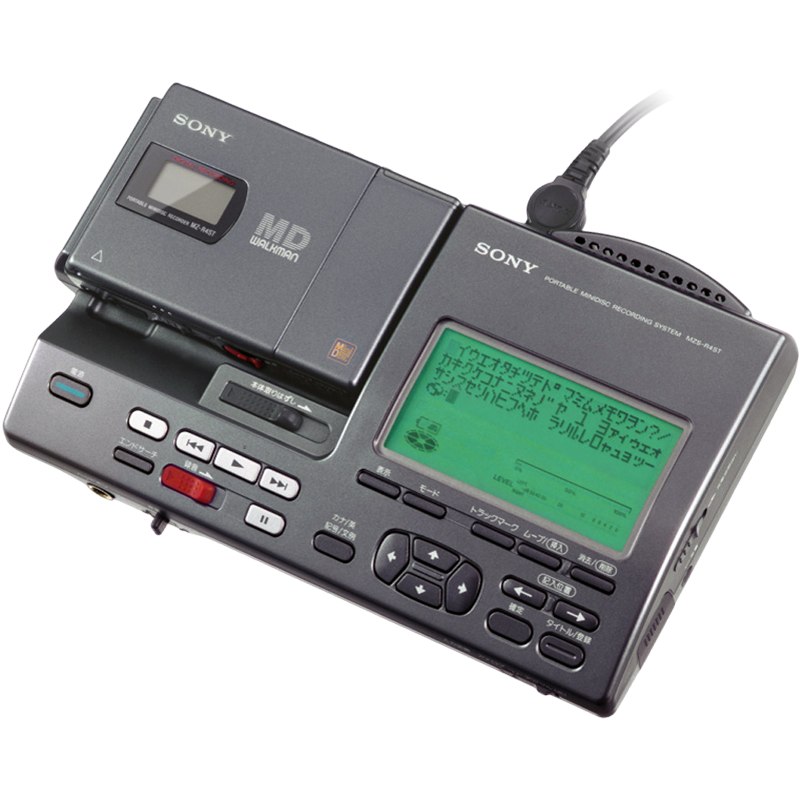
MZ-R4ST был системой MiniDisc, сочетавшей портативность и полноценную запись за счет объединения тонкого портативного устройства с собственной док-станцией.
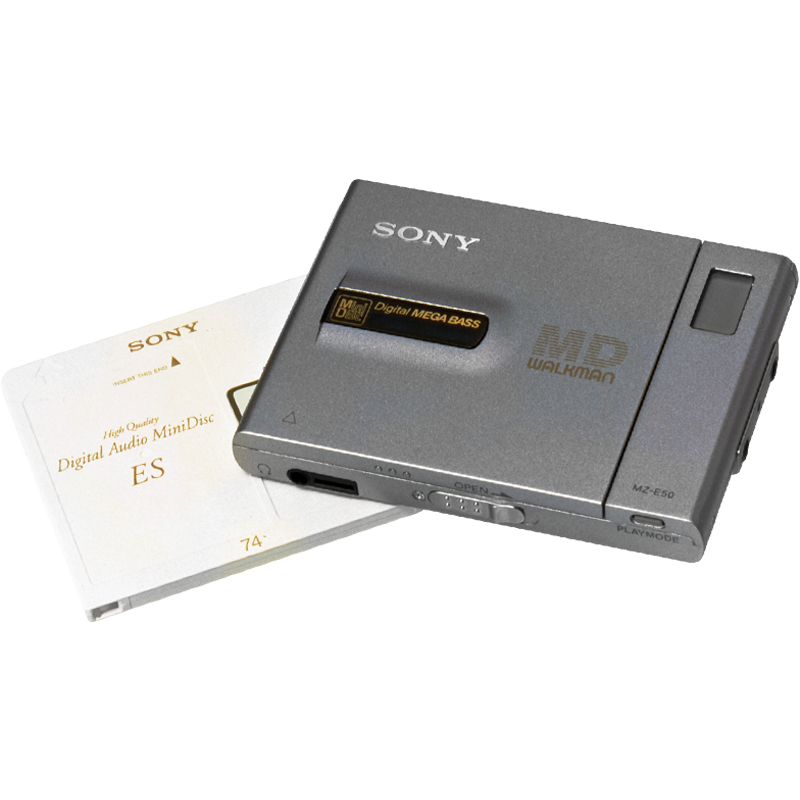
MZ-E50 был высококачественным проигрывателем MiniDisc, в котором основное внимание уделялось уменьшению размера и веса за счет изменений в материалах и конструкции.